

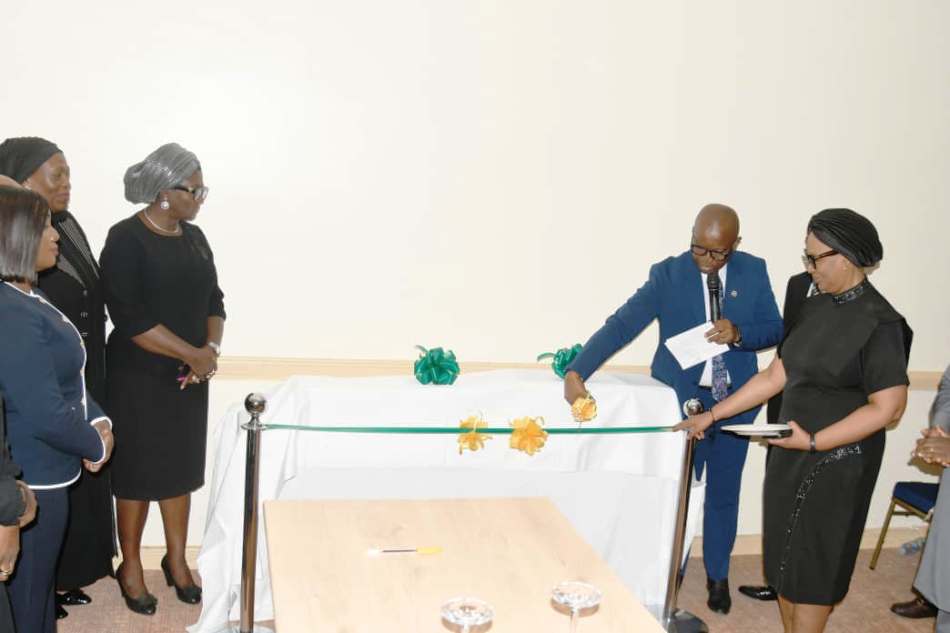
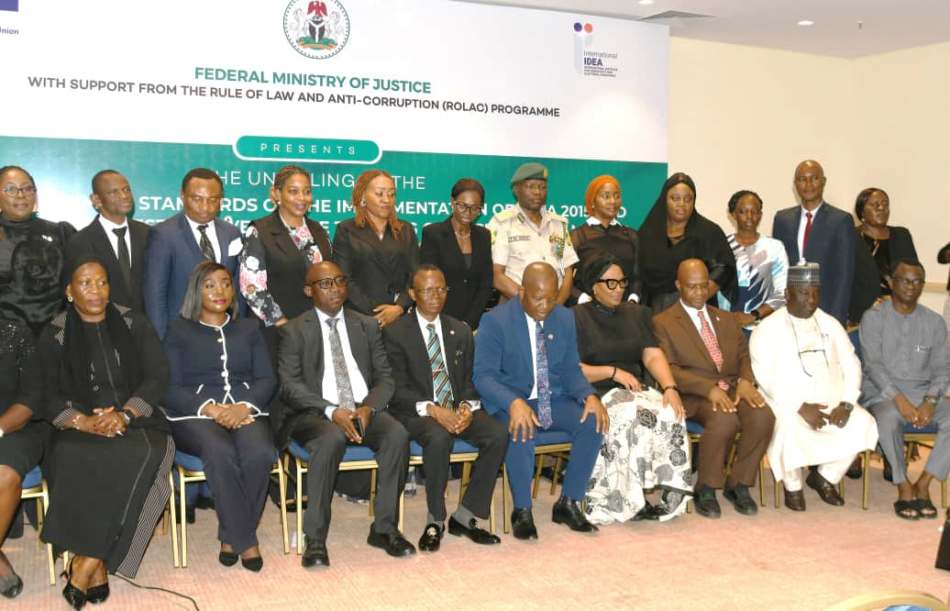
In the quest to deepen the implementation of Administration of Criminal Justice Act (ACJA 2015), the Federal Ministry of Justice has unveiled two landmark documents, the National Minimum Standards (2025) and the Harmonized Restorative Justice Training Curriculum and Manual 2025 as part of Federal Government efforts to deepen Criminal Justice Reform in the country.
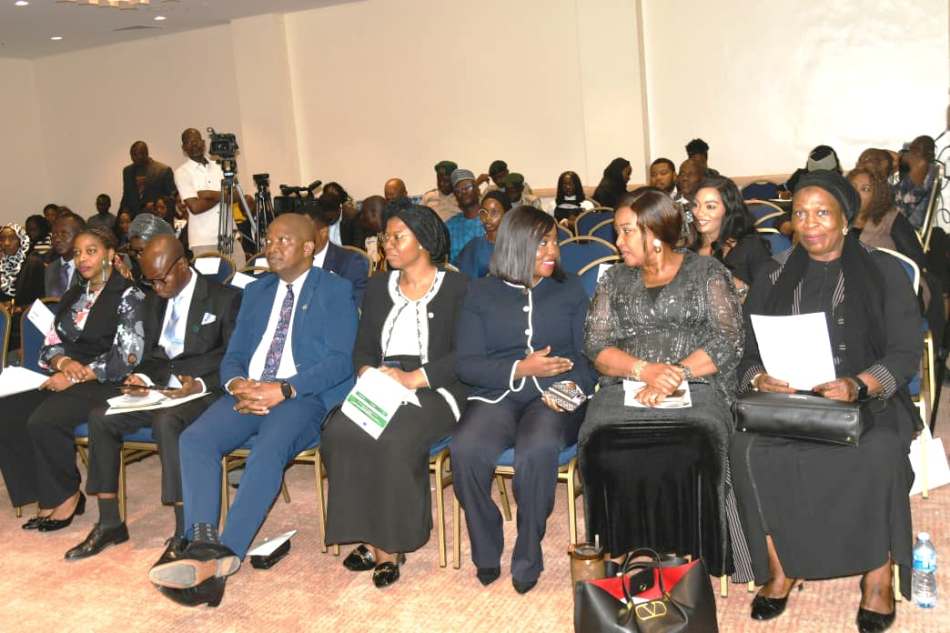
The event which took place during unveiling of the National Minimum Standards (2025), the Harmonized Restorative Justice Training Curriculum and Manual (2025) and a High Level Sensitization Workshop held today 14th April, 2026 at the Abuja Continental Hotel, marked a major step in the Federal Government’s drive to build a criminal justice system that is effective, humane, inclusive, and responsive to victims, offenders, and the wider community.
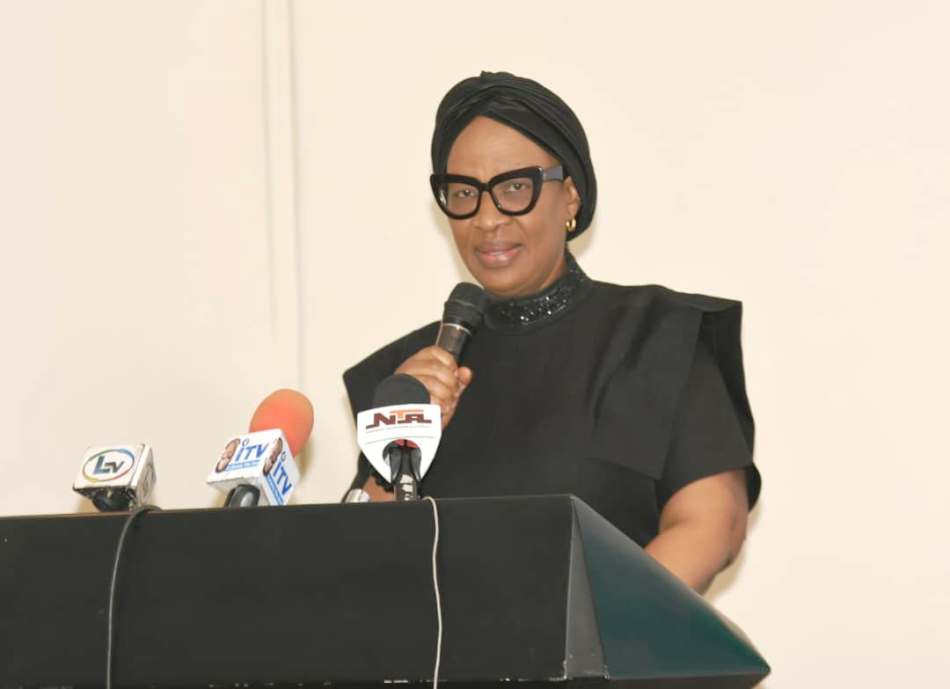
In his keynote address, the Honourable Attorney General of the Federation and Minister of Justice (HAGF) Lateef O. Fagbemi, SAN, described the unveiling as “a significant milestone in Nigeria’s ongoing efforts to strengthen the administration of criminal justice.”
He noted that over the past decade, Nigeria had undertaken several reforms anchored on the Administration of Criminal Justice Act (ACJA) 2015, which introduced speedy justice delivery mechanisms and measures to decongest correctional centres.
The HAGF stated that “The National Minimum Standards (2025) represents a critical milestone in addressing longstanding challenges in the implementation of the ACJA and similar laws across the States. While the ACJA has significantly improved justice delivery by enhancing convictions, enabling plea bargaining, prohibiting arrest by proxy and supporting asset recovery, persistent issues such as delays in case management, congested courts, and overcrowded correctional centres remain.”
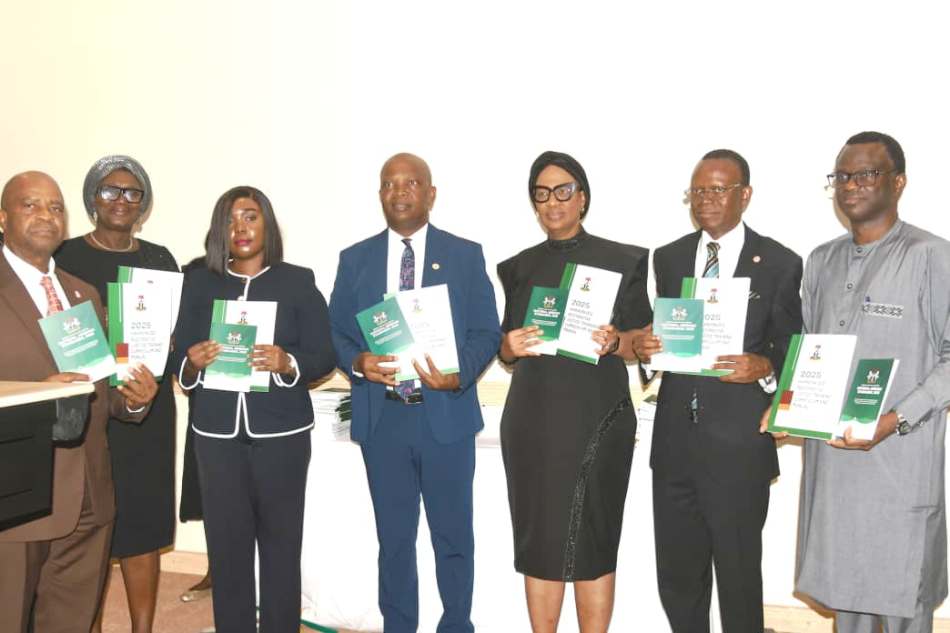
Fagbemi maintained that the National Minimum Standards provided a unified framework for justice sector institutions to ensure consistency, accountability, and improved performance nationwide. He revealed that the standards were the product of extensive collaboration among federal and state justice institutions, professional bodies, and stakeholders.
The HAGF emphasized that within the broader reform framework, Restorative Justice had emerged as a vital complementary approach to traditional criminal justice. “Restorative Justice shifts the focus from punishment alone to repairing harm, promoting accountability, and restoring relationships between victims, offenders, and communities,” he said.
He revealed further that the Harmonized Restorative Justice Training Curriculum and Manual (2025) was the result of a rigorous, collaborative process involving key stakeholders across the justice sector. He acknowledged that foundational work was supported through technical assistance from the United Nations Office on Drugs and Crime (UNODC) and the Rule of Law and Anti-Corruption (RoLAC) Programme.
The HAGF opined that the documents would guide the institutionalisation of Restorative Justice programmes by establishing clear procedures, safeguards, and operational guidelines to ensure consistency, professionalism, and respect for human rights. He further said that they would also strengthen non-custodial measures and alternative dispute resolution mechanisms to reduce case backlogs and prison congestion.
“To drive implementation, the Federal Ministry of Justice will convene a three-day intensive training programme on Restorative Justice for members of the judiciary and mediators from 15th to 17th April, 2026. The training is designed to build practical capacity and support the effective rollout of restorative justice practices across the country.” The Minister highlighted.
“As we unveil these documents today, I wish to emphasize that their true value lies in effective implementation. It is essential that all stakeholders including the judiciary, prosecutors, defence counsel, correctional services, community leaders, and civil society organizations work together to ensure that Restorative Justice becomes an integral part of our justice delivery system.” Fagbemi added.
He reaffirmed the Federal Government’s commitment “to continue to strengthen effective and responsive administration of criminal justice in Nigeria” with the goal of building a justice system that promotes accountability, protects victims, supports offender rehabilitation, and contributes to safer communities.
In her welcome address, the Director, Administration of Criminal Justice and Reform Department, Federal Ministry of Justice Mrs. Leticia Ayoola-Daniels, had earlier welcomed participants to what she described as a “landmark occasion.” She noted that the event represented “the culmination of years of deliberate, intentional, collaborative, and painstaking efforts to strengthen the Administration of Criminal Justice System in Nigeria through the institutionalisation of Restorative Justice as a viable and effective complement to conventional justice processes.”
“The National Minimum Standards (2025) establishes operational benchmarks to institutionalise Restorative Justice in line with global best practices while remaining responsive to local realities. The Harmonized Restorative Justice Training Curriculum and Manual (2025) provides a comprehensive framework for training facilitators and ensuring consistency in practice”. She explained.
Mrs. Ayoola-Daniels expressed gratitude for the leadership of the Honourable Attorney General of the Federation, Lateef O. Fagbemi SAN, and the support of development partners RoLAC and UNODC. She commended RoLAC for supporting the development and harmonization of both documents.
She concluded by urging all participants to take ownership of the frameworks within their respective institutions. She asserted that the unveiling of the documents was not an end in itself, but the beginning of a more coordinated and impactful phase of implementation.
In his goodwill message, the Chief Judge of the Federal High Court, Hon. Justice John T. Tsoho, KSS, OFR, FCI Arb (UK), represented by Justice James Omotosho, commended the unveiling of the National Minimum Standards 2025 and the Harmonized Restorative Justice Training Curriculum and Manual (2025), describing the ACJA 2015 as a “landmark reform” with a revolutionary outlook. Speaking during the event, Justice Tsoho said the Act had promoted efficiency and fairness while guaranteeing the rights of all parties in the justice process. He noted that the new national minimum standards are a “giant stride” that will ensure uniformity in implementation across jurisdictions, strengthen institutional accountability, and enhance public confidence in the justice system.
In another goodwill message by the Inspector General of the Nigeria Police Force, IGP Tunde Disu, represented by the Director Legal Services, AIG Emmanuel Ade Aina, stated that the Force would take necessary measures to institutionalise the standards and the manual by integrating them into the curriculum of Police Colleges and Training Institutions, ensures that deviations are met with internal disciplinary procedures and also work closely with Federal Ministry of Justice and the civil society to ensure daily actions of officers comply with the standards.
In his own goodwill message, the Etsu Kwali and Chairman Kwali Council of Chiefs, His Royal Highness, Luka Ayedoo Nizassan III, urged stakeholders to ensure that measures are taken to activate the standard across all strata of the society. He further urged them to adjust their systems to accommodate the documents. He also made an appeal that the documents as well as the accompanying training should be rolled out to traditional institutions also to enable them to increase their capacity.
Goodwill messages also came from National Drug Law Enforcement Agency, National Agency for the Prohibition of Trafficking in Persons, Economic and Financial Crimes Commission, Nigeria Bar Association, RoLAC and Nigeria Correctional Service among others.
Aderemi Ajibola Adelabu – CI&PRO
Head (Information & Public Relations)
14th April, 2026