



FIC Report (Benue State) – The Benue State Emergency Management Agency (Benue SEMA), in collaboration with the United Nations High Commissioner for Refugees (UNHCR), has convened a strategic stakeholders’ engagement to strengthen Early Warning and Early Response (EWER) systems across the state.
The engagement, held on Thursday 16 April 2026 at the Fr. Alia Conference Hall Makurdi, brought together key actors in the humanitarian and emergency response space to address the growing need for a more coordinated and effective system in managing crises.
Speaking during the opening session, the Executive Secretary of Benue SEMA emphasized the urgency of building a responsive and integrated framework to tackle the state’s complex humanitarian challenges.
He noted that Benue continues to face persistent threats such as armed violence, communal clashes, and recurring displacement, all of which heighten protection risks for vulnerable populations.
According to him, although early warning mechanisms are in place, their effectiveness has been limited by fragmentation, weak coordination, and gaps in information flow and response activation.
“Early warning is only meaningful when it leads to early and effective response. This engagement comes at a critical time as we work to bridge existing gaps and strengthen our collective response capacity,” he stated.
He described the meeting as a critical step toward establishing a more robust, government-led Early Warning–Early Response framework in Benue State. A major highlight of the initiative is the introduction of the PROTECT tool, which is designed to enhance the detection, analysis, and response to emerging risks within communities.
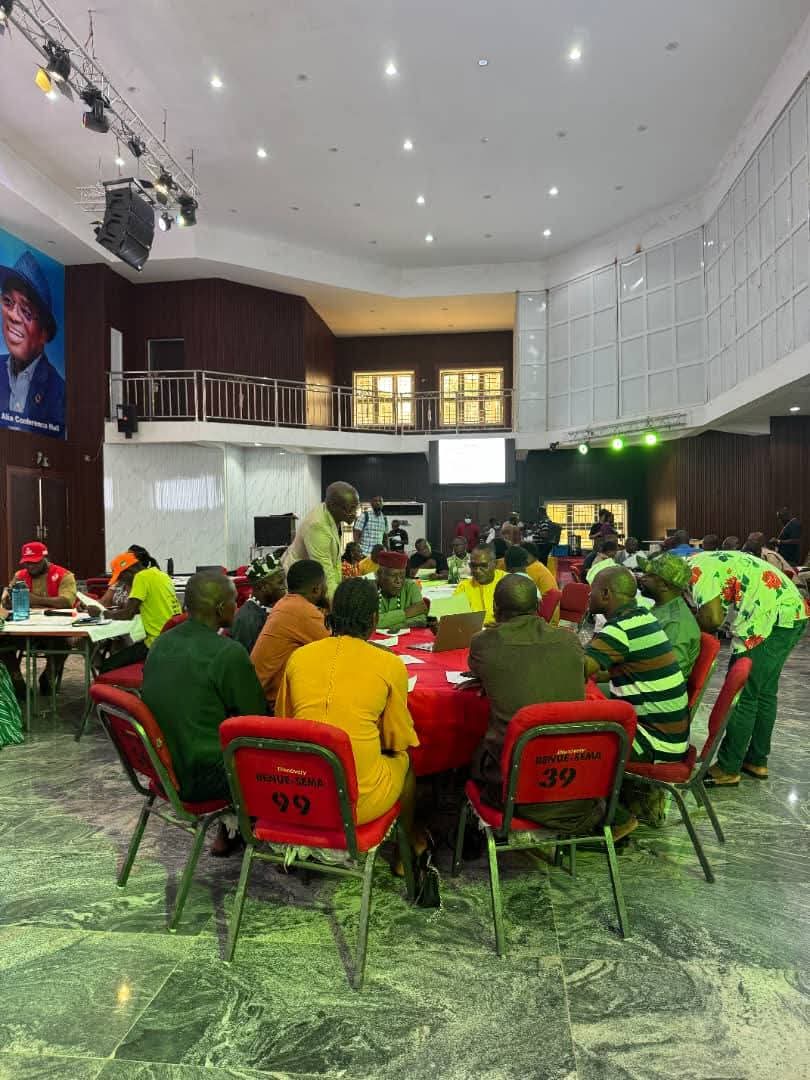
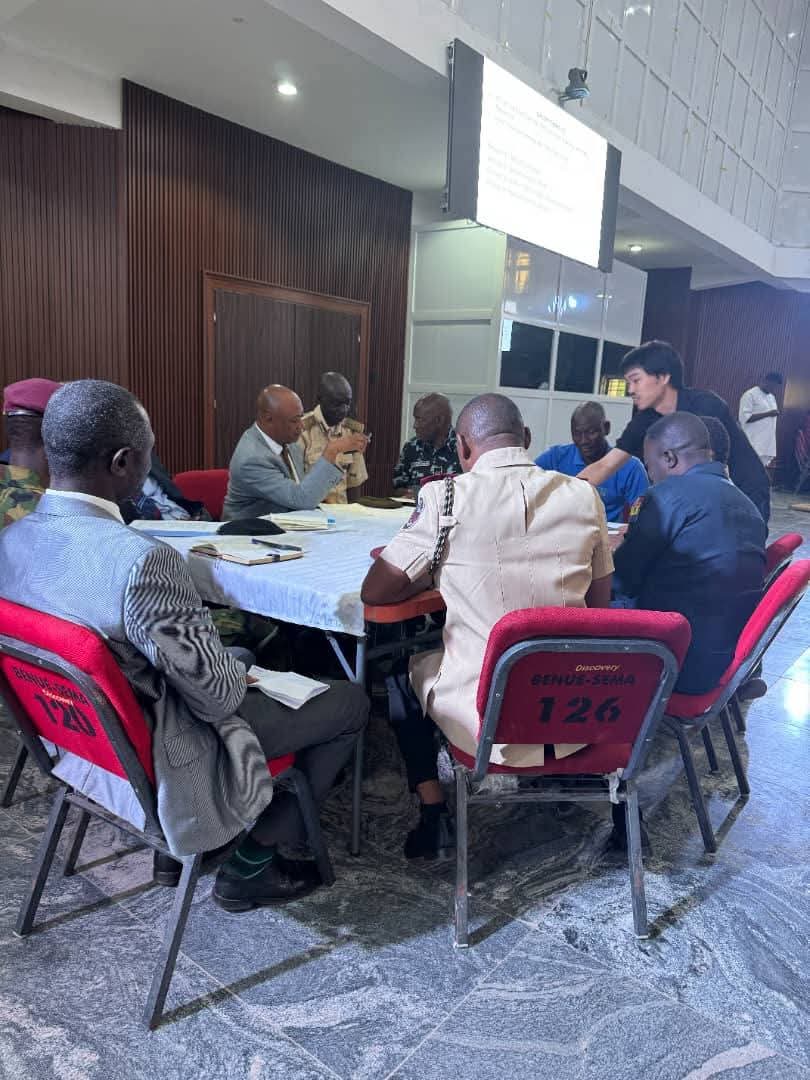
The Executive Secretary explained that the initiative seeks to strengthen systems, improve coordination, and promote shared responsibility among stakeholders. It will ensure that community-level information is systematically captured and acted upon, with clearly defined roles and responsibilities across agencies.
He added that the framework will support timely verification, escalation, and response to alerts, guided by key protection principles including accountability, the “do no harm” approach, and respect for affected populations.
He further called on partners, government agencies, community leaders, and other stakeholders to contribute their expertise toward building a more coordinated and effective response system. Stressing the importance of collaboration, he noted that no single institution can adequately respond to humanitarian crises in isolation.
Reaffirming the agency’s commitment, he assured that Benue SEMA will continue to lead emergency response coordination in the state while strengthening partnerships with security agencies, ministries, local authorities, communities, and humanitarian organizations.
The engagement is expected to generate actionable strategies that will improve preparedness, enhance response time, and reduce the impact of humanitarian crises across Benue State.
The event attracted participation from various ministries, departments, agencies, as well as local and international partners.
VERONICA AZEMBA
For Head of Center FIC Makurdi