
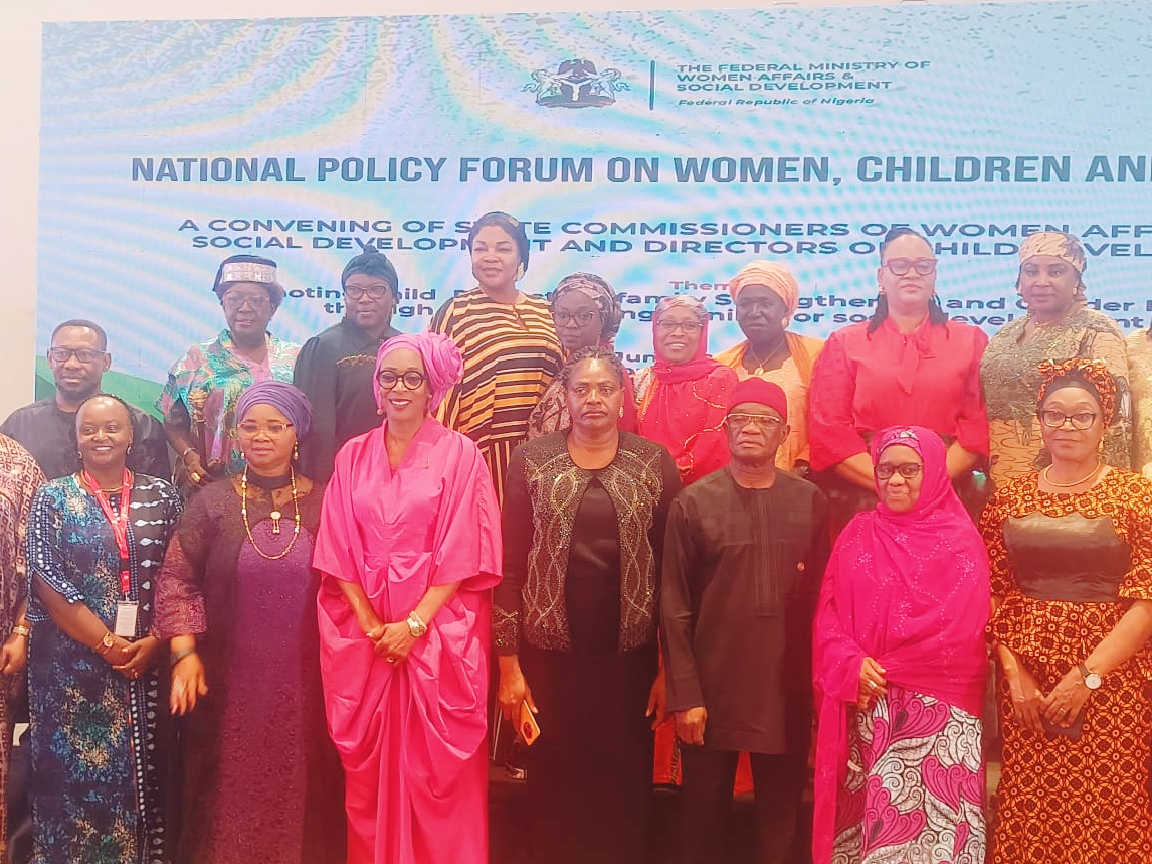
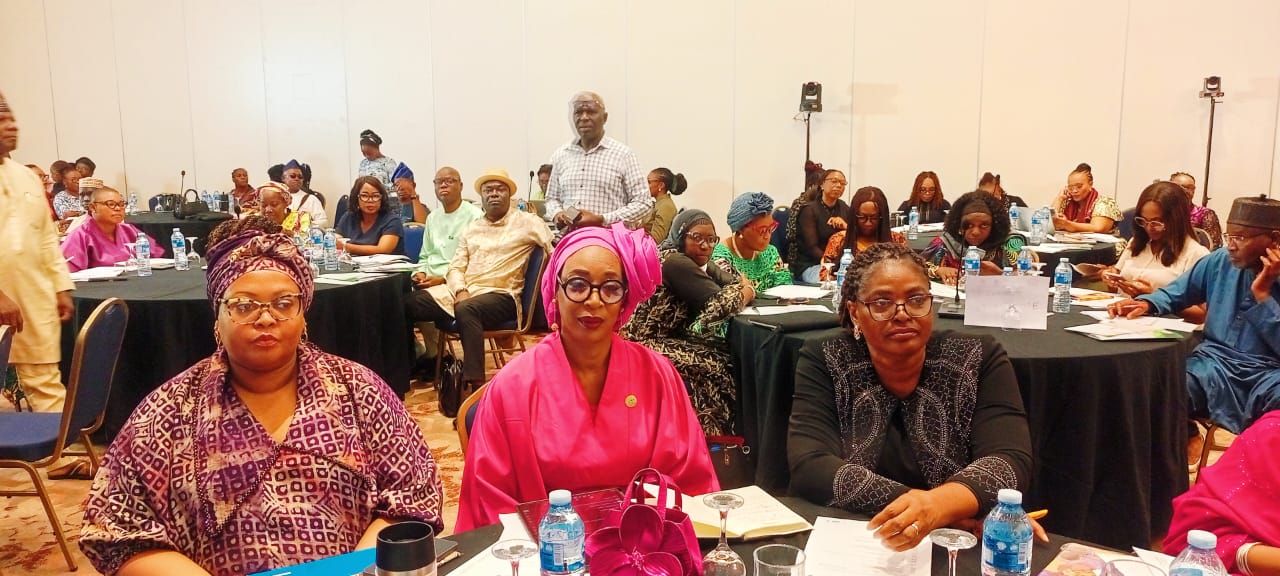
Federal Ministry of Women Affairs and Social Development has convened a meeting of State Commissioners of Women Affairs and Social Development and other stakeholders to Review and Validate Nigeria Periodic Reports to the United Nations Child Right Committee on the Rights of the Child and others Policies on Women, Children, Gender, the Families and other Vulnerable Groups in Nigeria.
The four-day meeting, holding from 15th to 19th June, 2026 at the Abuja Continental Hotel, is focused on reviewing and validating critical national policy instruments, including the Draft 5th–8th Combined Periodic Reports on the Rights of the Child, the 2007 National Child Policy, the Child Protection and Child Well-being Index, Guidelines for the Re-certification of Child Adoption Services, the Global Charter on Children’s Care Reform, and other strategic frameworks designed to improve service delivery and protection outcomes for women, children, families, and vulnerable populations.
Welcoming participants, the Permanent Secretary of the Federal Ministry of Women Affairs and Social Development, Mrs. Esuabana Nko. Asanye, who represented the Hounourable Minister of Women Affairs and Social Development, Hajiya Imaan Suleiman-Ibrahim fsi, described the gathering as a demonstration of the Federal Government’s commitment to fulfilling its national and international obligations regarding the protection and welfare of women, children, families, and vulnerable groups.
“This meeting underscores the Federal Government’s unwavering commitment to promoting and protecting the rights and welfare of women, children, vulnerable groups and families in line with our national priorities and international obligations,” she stated.
Mrs. Asanye emphasized that the documents under review are strategically important in guiding future interventions and strengthening protection systems nationwide.
“The quality of our deliberations will determine the strength of the policies and reports that will ultimately guide national action, improve service delivery, strengthen protection systems, and advance the welfare of our citizens, particularly the most vulnerable,” she added.
The Permanent Secretary urged participants to actively contribute insights and recommendations that reflect the realities and priorities of states and communities across Nigeria.
Towards a More Inclusive and Protective Society
Participants at the forum are expected to review, refine, and validate the policy documents, while also strengthening collaboration among federal and state governments, development partners, civil society organizations, and child-focused institutions.
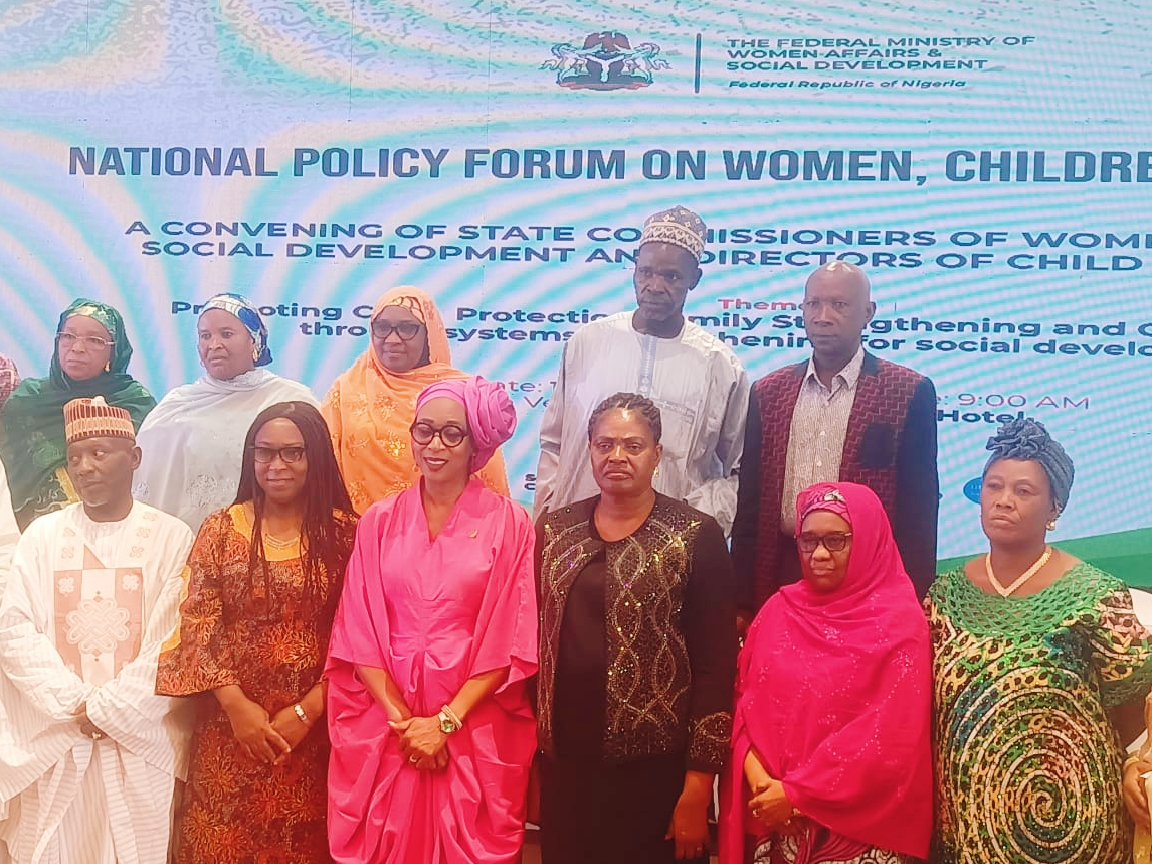
The meeting is expected to produce actionable recommendations that will strengthen child protection systems, enhance social welfare services, promote family-based care, improve accountability, and ensure that Nigeria’s policies are responsive to emerging social challenges.
As deliberations continued, stakeholders reaffirmed a shared commitment to ensuring that every Nigerian child is protected, every family is supported, and every vulnerable person is afforded the opportunity to thrive in a safe, inclusive, and equitable society.
“Together, we can strengthen our collective efforts to build a more inclusive, equitable and protective society for women, children, families and vulnerable groups,” the Permanent Secretary concluded.
Delivering a goodwill message on behalf of UNICEF Nigeria, Mona Aika, Officer-in-Charge, Chief Child Protection, commended the Ministry for convening the forum at a critical time when Nigeria is intensifying efforts to strengthen systems that protect children and support families.
“Strong systems are the foundation for lasting results, while Policies must translate into services which must reach communities, and every child and family must know where to turn for support when protection concerns arise,” she said.
She reaffirmed UNICEF’s commitment to supporting government leadership in building an inclusive, coordinated, and accountable social development system.
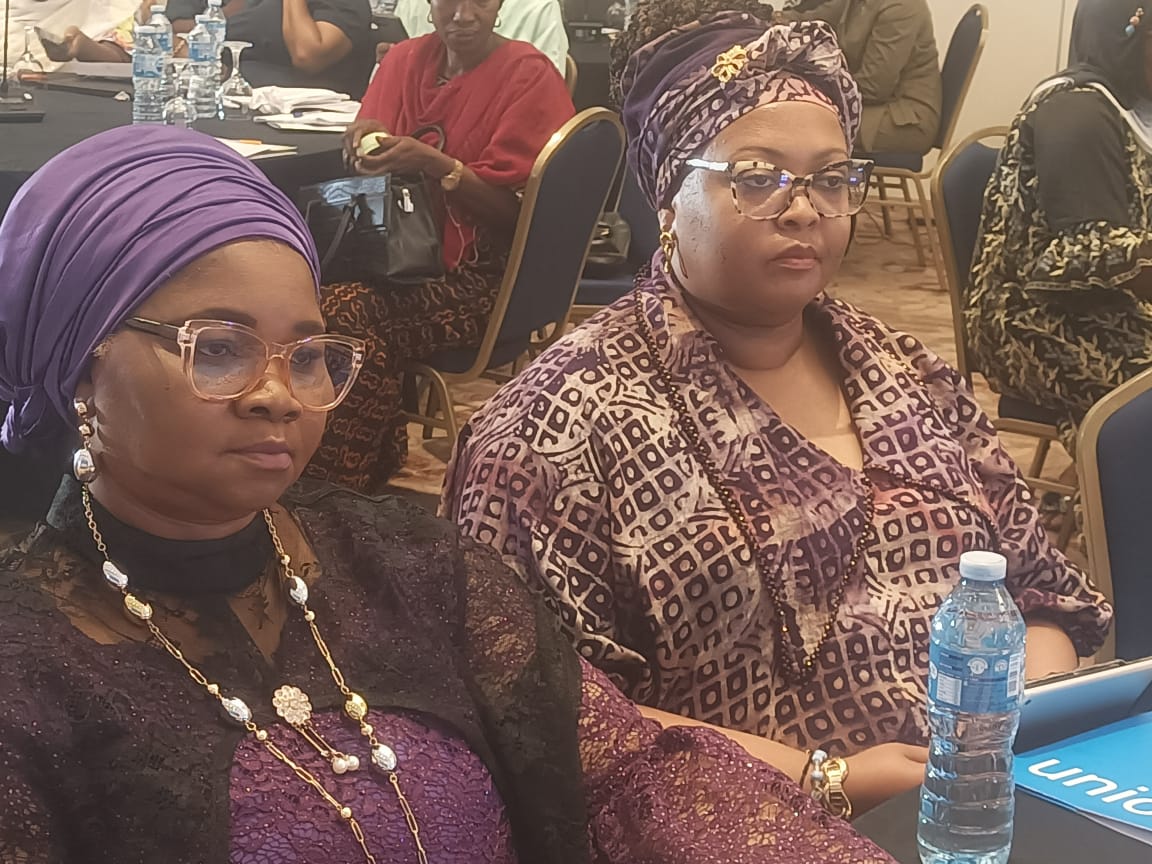
“UNICEF remains committed to supporting government leadership in building an inclusive, well-coordinated and accountable social development system that leaves no child, woman, family or vulnerable person behind.”
Save the Children Advocates Greater Investment in Child Protection
Speaking on behalf of ‘Save the Children International Nigeria’, the Deputy Country Director and Director of Programme Development and Quality, Jane Mbagi Mutua, praised the Federal Ministry’s leadership in advancing child rights reforms and called for renewed commitment to translating policies into tangible outcomes.
According to her, despite notable progress in child protection, millions of children across Nigeria continue to face violence, abuse, neglect, poverty, displacement, climate-related shocks, and emerging digital threats.
“For many children, the gap between policy promises and lived experience still remains too wide.”
She stressed that state governments play a crucial role in bridging this gap and highlighted five priority areas requiring urgent attention: child participation, evidence-based policymaking, strengthening the social service workforce, promoting family-based care, and responding effectively to emerging risks.
“The true measure of our progress will not be the policies we produce, but the lives we change.”
Mutua further commended ongoing efforts by the Ministry to review the National Child Policy, develop a new 2026–2030 Strategic Framework, strengthen adoption and alternative care systems, and establish a Child Protection and Child Well-being Index.
Also speaking at the forum, Mr. Mark Nwakaudu, Chief Business Development Officer of SOS Children’s Villages Nigeria, applauded the Honourable Minister of Women Affairs, Hon. Imaan Sulaiman-Ibrahim, for her leadership which is advancing child protection reforms, citing particularly the launch of the National Guidelines on Alternative Care for Children in Nigeria in 2025.
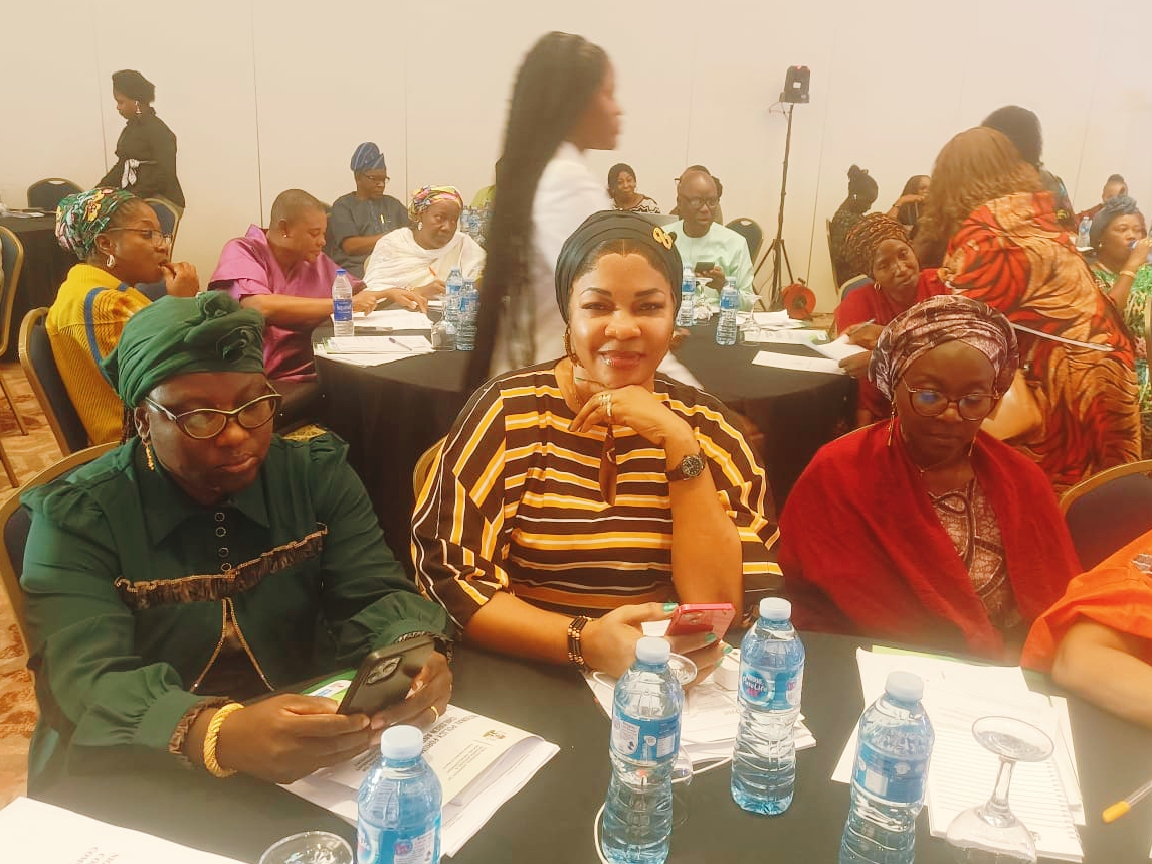
“That milestone marked a watershed moment in Nigeria’s commitment to protecting children without parental care and those at risk of losing parental care.”
Mr. Nwakaudu noted that the policy instruments being reviewed collectively represent a robust framework for strengthening child protection and care systems across the country.
“Each of these instruments moves us closer to a country where every child is visible, protected, supported, and given the opportunity to thrive.”
He highlighted the importance of endorsing the Global Charter on Children’s Care Reform, describing it as a global call for coordinated action to ensure that every child grows up in a safe and nurturing family environment rather than in institutional care.
“Such endorsement would complement the National Guidelines on Alternative Care for Children in Nigeria and further position Nigeria among progressive nations committed to comprehensive care system transformation.”
Also speaking was the representative of the State Commissioners for Women Affairs and Social Development, Mrs Amina Abdullahi-Sani, urged stakeholders to participate actively in the validation process and contribute to strengthening policy outcomes.
According to her the review’s outcome would shape policies affecting women, children and persons with disabilities, while enhancing protection, inclusion and access to services in the country.
Ahmed Lawan Danbazau Mnipr
Head, Information, Press and Public Relations Dept.