

THEME: ENDING CONFLICT-RELATED SEXUAL VIOLENCE: A NATIONAL IMPERATIVE FOR PEACE, SECURITY AND SUSTAINABLE DEVELOPMENT
On this solemn day of observance, the Federal Government of Nigeria through the Federal Ministry of Women Affairs and Social Development joins the international community in commemorating the International Day for the Elimination of Sexual Violence observed annually on 19 June, to honour survivors, reaffirm solidarity with victims of conflict-related sexual violence and renew Nigeria’s unwavering commitment to preventing sexual violence, protecting survivors, ensuring justice and strengthening accountability. This year’s observance serves as a solemn reminder that conflict-related sexual violence is not only a grave violation of human rights and international humanitarian law, but also a direct assault on national security, social cohesion, human capital development and sustainable peace.
Under the purposeful leadership of His Excellency, President Bola Ahmed Tinubu, GCFR, the Renewed Hope Agenda, has continued to prioritize the protection of women, children, families, and vulnerable populations at the centre of national development.
In furtherance of this vision, the Federal Ministry of Women Affairs and Social Development is implementing the Renewed Hope Social Impact Intervention (RHSII-774) across Nigeria’s 774 Local Government Areas, delivering integrated programmes that strengthen child protection systems, promote women’s economic empowerment, reinforce family cohesion, expand social protection, improve access to essential services, enhance community resilience and ensure that no Nigerian is left behind.
Conflict-related sexual violence remains one of the most horrific manifestations of war, terrorism, violent extremism, and insecurity. Women and girls continue to bear the greatest burden, although men and boys are also affected. Beyond the immediate physical, psychological, and emotional trauma, these crimes destroy families, interrupt education, deepen poverty, fuel displacement, weaken public confidence, undermine development and threaten national stability. They are crimes against humanity that demand collective action and uncompromising accountability.
Over the years, Nigeria has continued to strengthen its legal and policy architecture to prevent and respond to sexual and gender-based violence. The Child Rights Act (2003) has now been domesticated across all 36 States of the Federation, while the Violence Against Persons (Prohibition) Act (2015) has been domesticated in 35 States, with both Acts currently undergoing legislative review by the National Assembly to address emerging issues, including technology-facilitated violence, online exploitation and other evolving threats.
These efforts are complemented by the National Gender Policy (2021–2026) and the Third National Action Plan on Women, Peace and Security (2024–2028). Nigeria also remains firmly committed to implementing its obligations under the Convention on the Elimination of All Forms of Discrimination Against Women (1979), the Beijing Declaration and Platform for Action (1995), the Maputo Protocol (2003) and the United Nations Security Council Women, Peace and Security Agenda, beginning with Resolution 1325 (2000).
The Federal Government is particularly alarmed by the changing dynamics of insecurity in which women and children have increasingly become deliberate targets and instruments of conflict. The abduction of school children, trafficking, forced marriage, sexual slavery, recruitment of children by armed groups, exploitation of displaced women and girls, and the weaponisation of children for terrorism and criminality are unacceptable affronts to our collective humanity. We condemn these atrocities in the strongest possible terms and reaffirm our unwavering confidence in the Armed Forces of Nigeria, intelligence agencies and all security institutions to relentlessly pursue, apprehend and ensure that every perpetrator, collaborator and sponsor of these crimes is brought to justice.
Through the Renewed Hope Social Impact Intervention (RHSII-774), the Federal Ministry of Women Affairs and Social Development has continued to consolidate national efforts towards prevention and response. The Ministry has strengthened child protection and family-centred interventions; expanded advocacy against gender-based violence; reinforced coordination under the Women, Peace and Security Agenda; promoted women’s participation in peacebuilding and community resilience; strengthened referral pathways and survivor support mechanisms; deepened partnerships with state governments, traditional and religious institutions, civil society organisations and development partners; and accelerated nationwide awareness campaigns aimed at transforming harmful social norms, promoting positive values and safeguarding the rights and dignity of women and children.
While Government remains committed to providing comprehensive survivor-centred services; including access to justice, healthcare, psychosocial support, safe spaces, shelters, rehabilitation, and economic reintegration, our collective focus must increasingly shift towards prevention. Every act of violence prevented represents a life protected, a family preserved, and a community strengthened. Prevention must therefore remain the cornerstone of Nigeria’s response through stronger early warning systems, improved school safety, digital safety measures, family strengthening initiatives, community vigilance, youth engagement and sustained public education.
Ending conflict-related sexual violence requires a coordinated whole-of-government and whole-of-society approach. Security agencies, the judiciary, healthcare institutions, social welfare services, educational institutions, humanitarian actors, traditional and religious leaders, community-based organisations and development partners must continue to work in close collaboration to prevent violence, protect vulnerable populations, prosecute offenders and support survivors in rebuilding their lives with dignity.
The Ministry also recognises the immense influence of Nigeria’s creative and entertainment industry in shaping public attitudes and behaviour. Nollywood, the music industry, theatre practitioners, broadcasters, digital content creators, comedians, and social media influencers possess extraordinary power to shape values and inspire positive social change. We therefore call upon them to become active partners in the national campaign against conflict-related sexual violence by using their platforms to reject violence, discourage harmful stereotypes, promote responsible? masculinity, protect children, empower women and amplify messages of peace, dignity, respect and national unity.
Parents, families and communities equally have an indispensable responsibility. Strong families remain the first line of defence against violence, abuse, exploitation and radicalisation. We therefore encourage parents, caregivers and community leaders to nurture values of respect, responsibility, empathy and peaceful coexistence while remaining vigilant to signs of abuse, trafficking, exploitation and violent extremism affecting women and children.
The Ministry calls for increased investment in survivor-centred infrastructure, Sexual Assault Referral Centres, shelters, psychosocial services, legal aid, forensic capacity, data systems, research, technology-enabled reporting mechanisms and institutional coordination. Sustainable financing and stronger partnerships will be essential to accelerating Nigeria’s progress towards eliminating conflict-related sexual violence.
As we commemorate this important day, we call on every Nigerian to reject violence in all its forms, stand with survivors, challenge harmful cultural norms, report abuses promptly, protect our schools and communities, and work together to create an environment where every woman, every child and every vulnerable person can live free from fear, violence and exploitation.
The elimination of conflict-related sexual violence is not merely a humanitarian obligation; it is a national security imperative and a moral responsibility. Under the Renewed Hope Agenda of President Bola Ahmed Tinubu, GCFR, and through the Renewed Hope Social Impact Intervention (RHSII-774), the Federal Government remains resolute in building a Nigeria where justice triumphs over impunity, peace prevails over violence, families are strengthened, communities are resilient, and the dignity of every woman and every child is protected.
Together, let us reaffirm our shared resolve that conflict-related sexual violence has no place in our nation. Let us unite to build a Nigeria where every survivor finds healing, every perpetrator faces justice, every community stands against violence, and every girl and boy can grow, learn and fulfil their God-given potential in peace, safety and dignity. This is the promise of the Renewed Hope Agenda. This is our collective responsibility. This is the Nigeria we must build together.
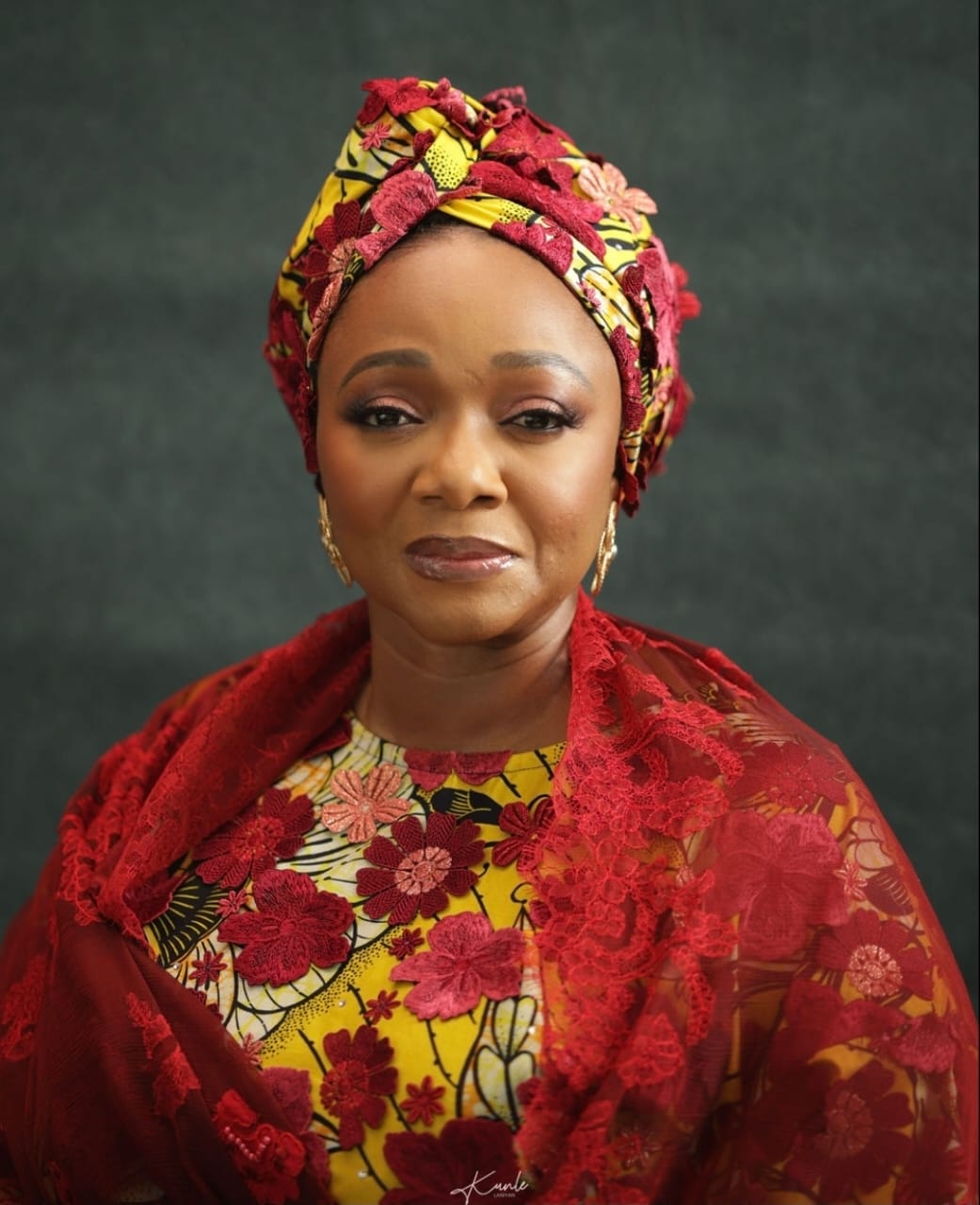
Signed
Hajiya Imaan Suleiman-Ibrahim fsi
Hon. Minister of Women Affairs and Social Development