
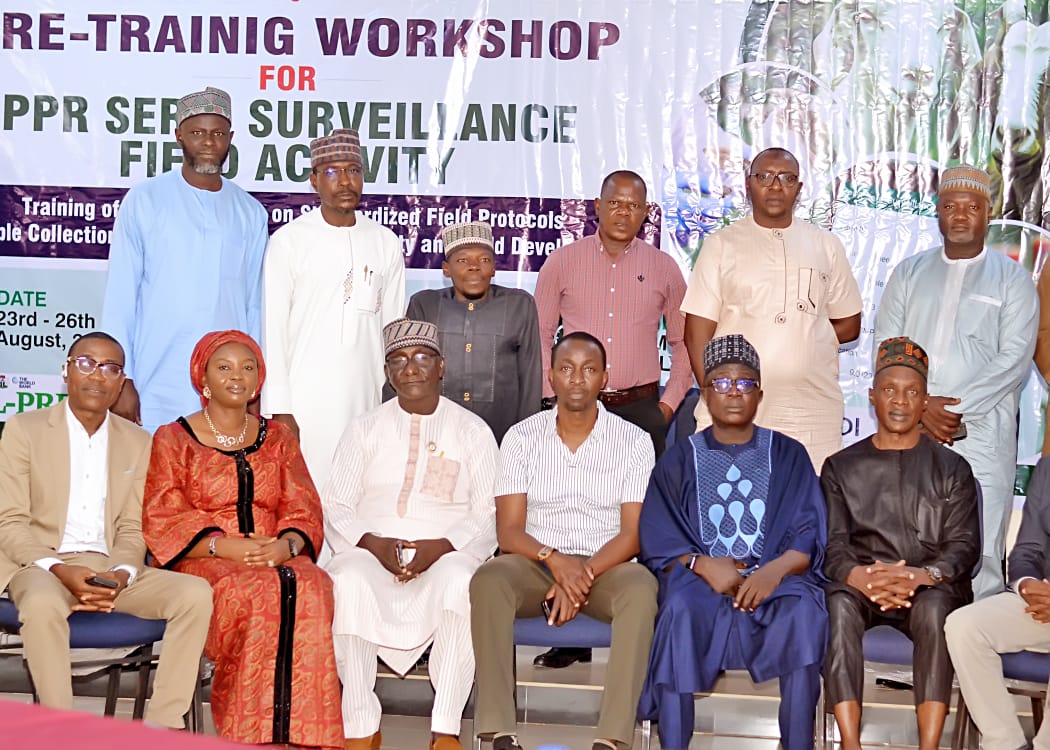
The Federal Government has commenced a pre-training workshop for the National Peste des Petits Ruminants (PPR) Sero-Surveillance Field Activity, aimed at strengthening Nigeria’s disease surveillance system, establishing standard field protocols and generating reliable epidemiological evidence to support the country’s target of eradicating PPR by 2030.
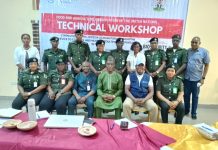
The two-day workshop brought together veterinary epidemiologists, state veterinary officers, researchers, animal health professionals, private veterinarians and other stakeholders from selected states, with technical and financial support from the African Union Inter-African Bureau for Animal Resources (AU-IBAR).
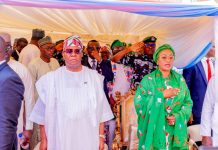
Declaring the workshop open in Lafia, Nasarawa State on Monday 24th August 2026, the Chief Veterinary Officer of Nigeria (CVON), Dr. Samuel Anzaku, said the exercise was particularly important because of the gap between suspected disease outbreaks reported from the field and those supported by laboratory confirmation.
He stressed that reliable laboratory evidence was critical to understanding disease circulation and making informed decisions on vaccination and other control measures.
Anzaku added that the surveillance exercise would generate current and geographically representative evidence on PPR exposure and circulation, as well as population immunity, to guide targeted interventions.
“Disease surveillance without adequate laboratory confirmation limits our ability to understand what is actually happening. We need current, geographically representative, and scientifically defendable evidence on where PPR is circulating, where suspected populations are concentrated, and what level of immunity exists within the sheep and goat populations,” he said.
The CVON noted that the exercise was not merely a sample collection activity, but an important component of Nigeria’s national animal health intelligence system, stressing that the quality of samples and data collected would directly affect the usefulness of the results.
He stressed that Nigeria’s 2030 PPR eradication target remained achievable, but would require effective surveillance, reliable laboratory evidence, targeted vaccination, continuous monitoring and sustained political commitment.
Representing AU-IBAR, Mr. Charles Lodiaga reaffirmed the Bureau’s support for Nigeria’s surveillance efforts, describing the exercise as an important contribution to the African and global objective of eradicating PPR.
He stressed the need for sustained commitment to ensure that the exercise delivers reliable results for disease control and improved livelihoods.
Welcoming participants, the Director of Veterinary Services, Nasarawa State, Dr. Abdullahi Musa, urged them to take the training seriously, noting that accurate surveillance data would enable authorities to determine disease prevalence, identify hotspots and take appropriate control measures.
The workshop covered the epidemiology and surveillance status of six priority diseases: PPR, Foot-and-Mouth Disease (FMD), Contagious Bovine Pleuropneumonia (CBPP), Newcastle Disease, Anthrax and Lumpy Skin Disease (LSD).
Participants were also trained on selection criteria, sampling strategies and target populations, farm coding, personal protective equipment (PPE), sharps management, biosecurity, prevention of cross-contamination and safe handling of cattle, poultry, sheep and goats.
A key component of the workshop was the establishment of standard protocols for the field assignment, to ensure uniformity in sample collection, identification, handling and data capture across participating states.
Practical sessions featured demonstrations using sheep, goats and poultry birds, covering animal restraint, venipuncture, sample labelling, tagging and data capture. Participants also shared field experiences and discussed practical challenges associated with surveillance and sample collection.
According to the PPR National Project Coordinator, Dr. Patience Tomoh, the PPR sero-surveillance component will cover 10 states across Nigeria’s six geopolitical zones and 35 Local Government Areas, selected according to identified risk levels. The states are Bauchi, Adamawa, Kano, Katsina, Benue, Plateau, Nasarawa, Cross River, Imo and Ogun.
As part of the activity, the team visited the Akwanga Slaughter Slab and a pig farm, where participants applied their training on the field, actively demonstrating standardised protocols for safely collecting and handling health samples directly from cattle and pigs.
Henrietta Okokon
Deputy Director, Information and Public Relations
25th August, 2026