
….…As FG expands learning centres, TVET, digital inclusion and infrastructure to tackle illiteracy.
The Federal Government has reaffirmed its commitment to eradicating illiteracy and expanding access to inclusive, lifelong and non-formal education, with it’s commitment to the autonomy of the National Commission for Mass Literacy, Adult and Non-Formal Education (NMEC) and the activation of learning centres nationwide as major steps towards revitalising Nigeria’s mass literacy campaign.
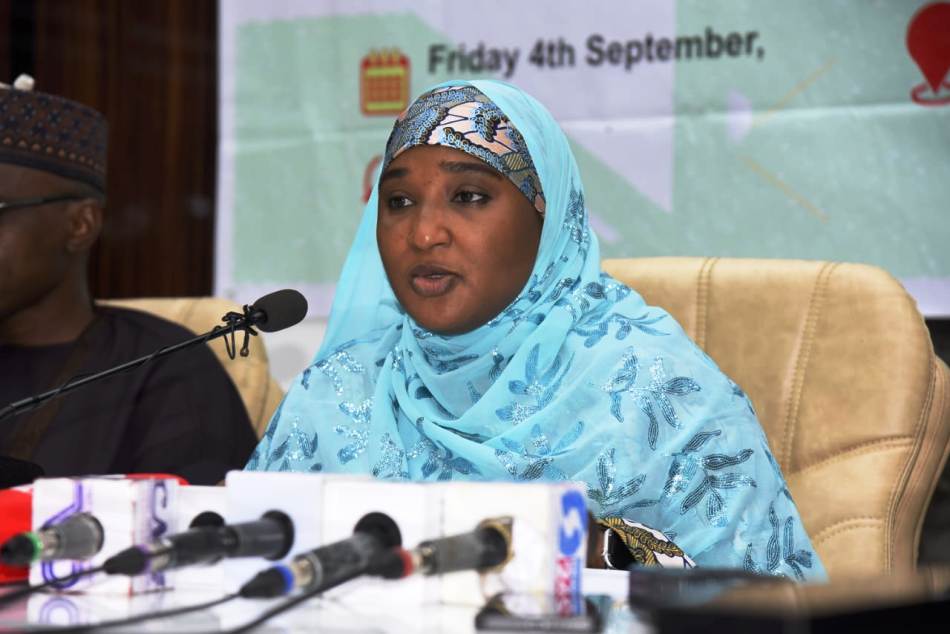
The Minister of State for Education, Prof. Suwaiba Sa’id Ahmad, stated this on Friday in Abuja at a press briefing ahead of the 2026 International Literacy Day, commemorated on September 8 under the theme, “Literacy for People, the Planet and Prosperity.”
Prof. Ahmad described the theme as timely, stressing that literacy goes beyond reading and writing to include the knowledge and skills required for informed decision-making, economic participation, improved livelihoods, environmental responsibility and shared prosperity.
She commended President Bola Ahmed Tinubu, GCFR, for supporting the restoration of NMEC’s autonomy, describing it as a major milestone that would strengthen the Commission’s capacity for effective planning, coordination, implementation and accountability.
The Minister disclosed that the Federal Government was addressing NMEC’s longstanding institutional challenges through the rehabilitation of the National Centre for Adult Education in Kano, infrastructure development nationwide and efforts to provide the Commission with a permanent headquarters.
She also announced the activation of community learning centres across the country, with NMEC personnel serving as facilitators to provide flexible learning opportunities for young people and adults who could not access or complete formal education.
Prof. Ahmad further disclosed that NMEC’s Kano regional office would be developed as a centre for Technical and Vocational Education and Training (TVET), with workshops being equipped to provide standardised practical skills for youths and adults.
On digital inclusion, she assured that rural communities would not be left behind as Nigeria embraces artificial intelligence and the digital economy. She said the Ministry was increasingly digitising teacher professional development through platforms accessible on simple Android-enabled devices, ensuring that teachers in both rural and urban areas can participate.
The Minister also emphasised the administration’s performance management system, noting that agencies, including NMEC, have specific Key Deliverables monitored and reported quarterly. She expressed confidence that Nigeria was making significant progress towards Sustainable Development Goal 4 on inclusive and quality education.
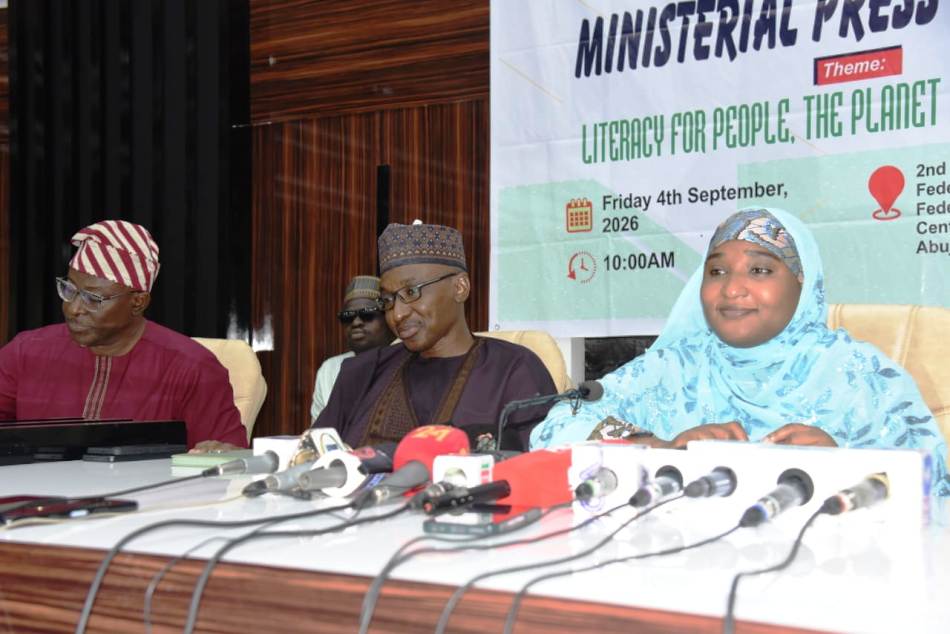
She charged the new NMEC leadership to be more proactive, increase the visibility of its programmes and strengthen engagement with the media and other stakeholders, stressing that government alone could not address the scale of youth and adult illiteracy.
Also speaking, the Executive Secretary of NMEC, Prof. Muhammed Dahiru Shuni, said the restoration of the Commission’s autonomy would enable it to revitalise its programmes, improve visibility and strengthen partnerships with governments, development partners, private-sector organisations and civil society.
Prof. Shuni identified accurate and current literacy data as an immediate priority, noting that the available data dated back to 2010. He disclosed that NMEC had deployed field officers nationwide to obtain updated data to support effective planning, policy formulation and implementation.
In his goodwill message, the Head of Education Sector at the UNESCO Abuja Office, Mr. Oladeji Adeyemi, reaffirmed UNESCO’s commitment to supporting Nigeria’s literacy and lifelong learning agenda.
Adeyemi disclosed that Nigeria’s adult literacy rate stands at 67.6 per cent, while youth literacy is 81.4 per cent, according to 2024 UNESCO Institute for Statistics data. He stressed that literacy is critical to informed decision-making, dignity, health, economic empowerment and meaningful participation in society.
He commended Nigeria’s collaboration with states and other stakeholders, citing Kano State’s integration of health and well-being education into mass literacy programmes as a good practice, and reaffirmed UNESCO’s readiness to support Nigeria’s efforts.
As Nigeria commemorates International Literacy Day 2026, the Federal Government has called for stronger collaboration among governments, development partners, civil society, traditional and religious institutions, the private sector, community leaders and the media.
The renewed drive underscores the Government’s determination to make literacy a tool for empowerment, social inclusion, skills development, digital participation and sustainable national development, while ensuring that no Nigerian is left behind.
Boriowo Folasade
Director, Press and Public Relations