


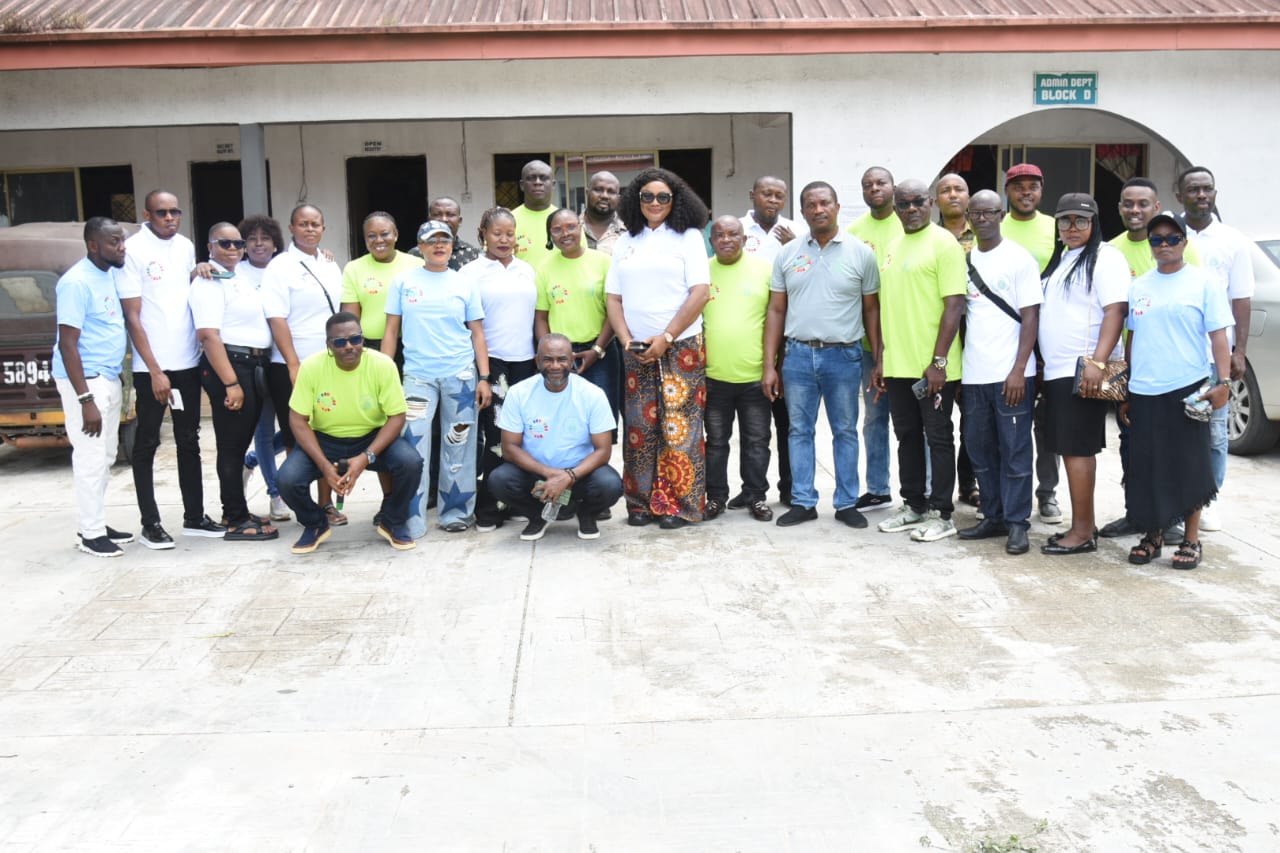
FIC REPORT (ABIA STATE) – The National Identity Management Commission (NIMC), Abia State, has taken its National Identification Number (NIN) enlightenment campaign to major streets and open spaces across the state, urging Nigerians to obtain and properly use their national identity credentials as a gateway to essential services and participation in the digital economy.
The campaign formed part of activities marking the 2026 National Identity Day, celebrated on Wednesday, September 16, with the theme, “Nigeria’s Digital Public Ecosystem — Powering Africa’s Digital Economy.”
Speaking shortly after the road show exercise, the NIMC State Coordinator in Abia, Mr. Ukpabi Eni, said the campaign was designed to sensitise citizens to the importance of national identity and promote greater awareness of the benefits of obtaining the NIN.
He said the initiative was aligned with United Nations Sustainable Development Goal 16.9, which seeks to provide legal identity for all, including birth registration, by 2030.
He noted that Nigeria had demonstrated its commitment to the global identity agenda by designating September 16 as National Identity Day, stressing that a functional identity6 system was essential to effective national planning, inclusion and good governance.
According to him, the NIN plays a significant role in national development by helping government plan effectively and ensuring that citizens are appropriately captured for access to government services, social interventions and other opportunities.
Sir Eni further encouraged Nigerians to obtain their NIN, noting that having a verifiable national identity could facilitate access to essential government services, palliatives and employment opportunities.
In her keynote address, the Chairman of the Association of Heads of Federal Establishments (AHFE), Abia State, and Federal Head, Federal Ministry of Information and National Orientation, Lady Gloria Abiakam Ify, described identity as the foundation of Nigeria’s digital future and critical infrastructure for accessing financial services, healthcare, education, employment and government programmes.
Abiakam said a trusted digital identity would promote a secure, efficient and integrated public service system, reduce duplication and improve service delivery to citizens.
She, however, identified digital exclusion, inadequate connectivity, low digital literacy, cybercrime and data privacy concerns as challenges to Nigeria’s digital transformation, stressing the need for stronger safeguards and responsible data governance.
She called for closer collaboration among government institutions, NIMC, the private sector, technology companies and citizens, urging Nigeria to move beyond being a consumer of technology to becoming a major builder and driver of Africa’s digital economy.
She also charged young Nigerians to harness technology for innovation, entrepreneurship and job creation, stressing that “identity is more than a number; it represents recognition, belonging, access, dignity and opportunity.”
Abiakam Gloria Ify
HOC FIC , Umuahia, Abia State
17th September 2026.