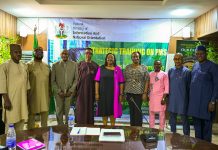


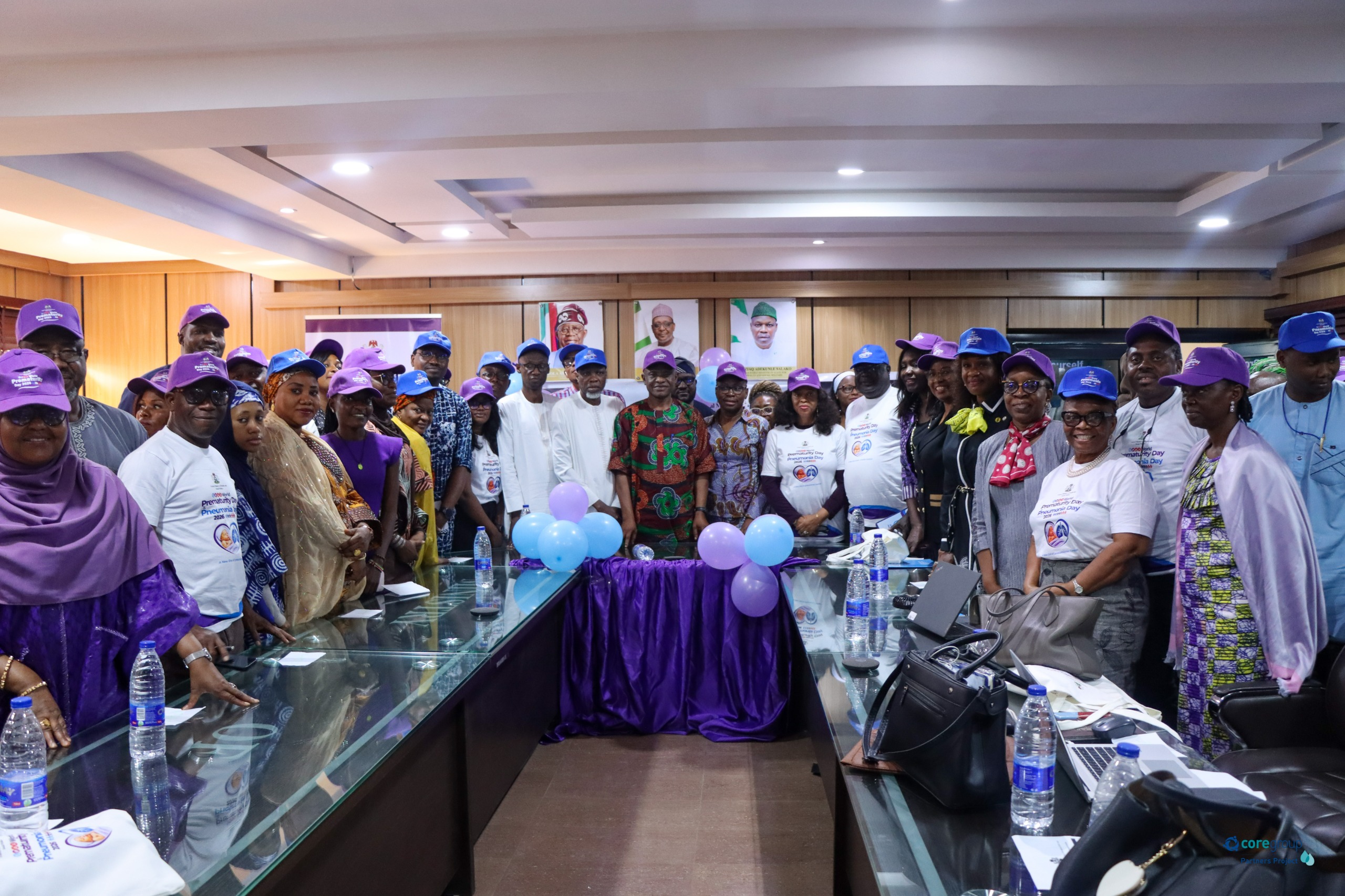
Abuja, November 24, 2026 – The Coordinating Minister of Health and Social Welfare, Professor Muhammad Ali Pate, has reaffirmed the Federal Government’s commitment to reducing preventable newborn and childhood deaths through strengthened healthcare services, improved access to essential medicines, skilled health personnel and effective follow-up care for premature babies.
The Minister gave this assurance on Wednesday 24, November,2026 at the joint commemoration of World Prematurity Day and World Pneumonia Day in Abuja, where he stressed the need to ensure that every child, particularly those born prematurely or affected by pneumonia, has the opportunity to survive, grow and thrive.
Represented by the Director, Health Planning Research and Statistics, Dr. John Ovuoreye, Professor Pate noted that although Nigeria’s under-five mortality rate declined from 132 deaths per 1,000 live births in 2018 to 110 in 2024, neonatal mortality remains a concern, increasing from 39 to 41 deaths per 1,000 live births within the same perio, adding that childhood pneumonia continues to account for a significant number of preventable deaths, underscoring the urgency of sustained interventions.
He explained that the Federal Government, through the Nigeria Health Sector Renewal Investment Initiative and the Sector-Wide Approach, is strengthening child survival interventions, including the implementation of the Nigerian Child Survival Action Plan 2025–2029, with emphasis on newborn care, immunisation, nutrition, timely treatment and effective referral systems.
The Coordinating Minister highlighted ongoing efforts to scale up the World Health Organization’s Essential Newborn Care 2.0 package, review the National Comprehensive Newborn Care Protocol Package and strengthen neonatal nursing education through competency-based training and bedside mentorship. He also noted ongoing initiatives to improve access to essential newborn care commodities, respiratory support equipment and medicines, including caffeine citrate for managing apnoea of prematurity.
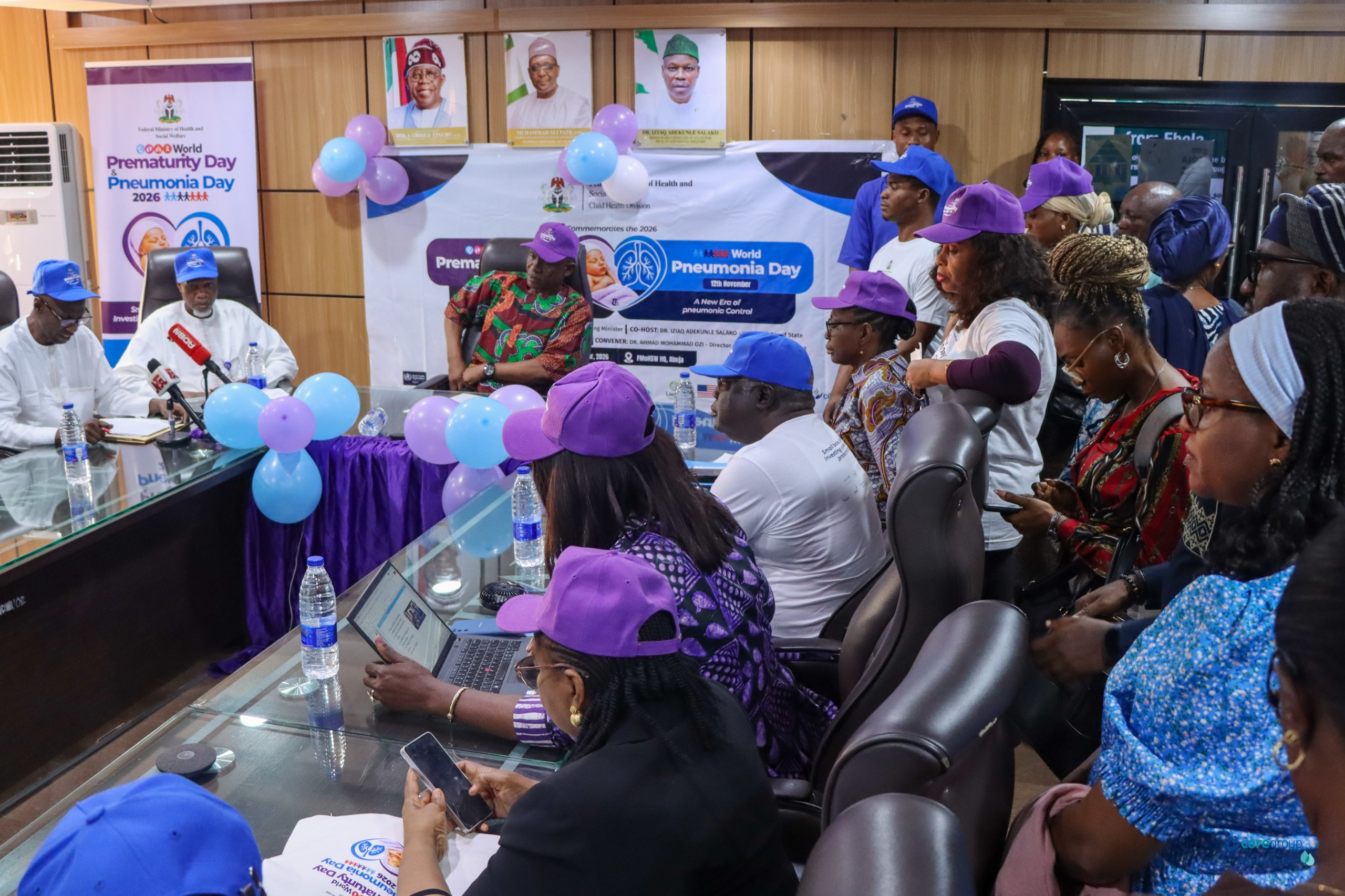
On childhood pneumonia, Professor Pate emphasised the importance of routine immunisation, including pneumococcal vaccination, exclusive breastfeeding, proper nutrition, early recognition of danger signs and prompt treatment. He acknowledged the Ministry’s collaboration with the Paediatric Association of Nigeria and the Every Breath Counts Coalition to strengthen standardised treatment protocols for severe and complicated pneumonia cases.
The Minister further stressed the importance of post-discharge follow-up for premature babies, noting that survival must be accompanied by continued support for feeding, growth, development, hearing and vision, as well as early identification of complications.
He called on state governments, healthcare institutions, professional bodies, development partners and the private sector to strengthen collaboration, financing and accountability to ensure that quality services reach vulnerable children and families.
Professor Pate commended the National Child Health Technical Working Group, its subcommittees, development partners, professional associations, frontline health workers and civil society organisations for their contributions to advancing newborn and child survival in Nigeria.
He reiterated the Federal Government’s determination to translate policies and technical interventions into measurable improvements in child health outcomes, emphasising that “Small babies have big potential, and every breath counts.”
Earlier in her opening remarks, the Permanent Secretary of the Ministry, Daju Kachollom S. mni, said premature and low- birth-weight babies are vulnerable and may face complications that require timely, and quality care, identifying strengthening essential newborn care, immunization, nutrition, early recognition of danger signs, access to oxygen and quality treatment as important measures to improve outcomes.
Represented by Dr. Ahmed Muhammad Ozi, Director, Family Health, Daju described the commemorations as opportunities to raise public awareness, mobilize communities, recognize health workers and partners’ commitment and call for stronger political leadership and sustained investment in evidence-based interventions.
She called on stakeholders at all level including development partners, professional bodies, communities, civil society organizations, and media to strengthen collaboration and translate their advocacy into practical action, stressing that media has an important role in sharing accurate information, highlighting the preventability of deaths and keeping newborn and child survival firmly on the national agenda.
” We must ensure that families can access quality care without delay and health facilities are equipped to provide care and follow -up for newborn and children” Permanent Secretary charged.
In their separate goodwill messages, World Health Organization(WHO), UNICEF, and other partners, rearfirmed their commitment to reducing newborn and childhood deaths in Nigeria.
The Country Representative,WHO, Dr. Pavel Ursa, speaking through his representative, Dr. Mary Brantuo, Team Lead Health Systems and Services, emphasised that premature babies require sustained medical attention beyond discharge from neonatal intensive care units, noting that regular monitoring, developmental assessments, specialised support and timely medical interventions are essential to their survival and long-term well-being.
The organisation highlighted that approximately 15 million babies are born prematurely worldwide every year, with prematurity remaining a major contributor to neonatal deaths in Nigeria, adding that pneumonia continues to pose a significant threat to children, particularly vulnerable newborns, calling for stronger prevention, early diagnosis, effective treatment and equitable access to quality healthcare.
Dr. Victoria Isiremen, Maternal and Newborn Health Specialist, UNICEF, Nigeria commended the Federal Ministry for its continued leadership in advancing maternal, newborn and child health interventions.
She reaffirmed UNICEF commitment to supporting quality, affordable and evidence-based healthcare before, during and after birth, including early breastfeeding, essential newborn care, skilled community services and improved neonatal healthcare.
UNICEF also acknowledged ongoing efforts to strengthen newborn care through improved training, guidelines and capacity development for healthcare professionals, including support for the expansion of specialised newborn care services. It stressed the importance of sustained collaboration with federal and state governments, professional associations, communities and development partners to reverse the challenges confronting newborn survival in Nigeria.
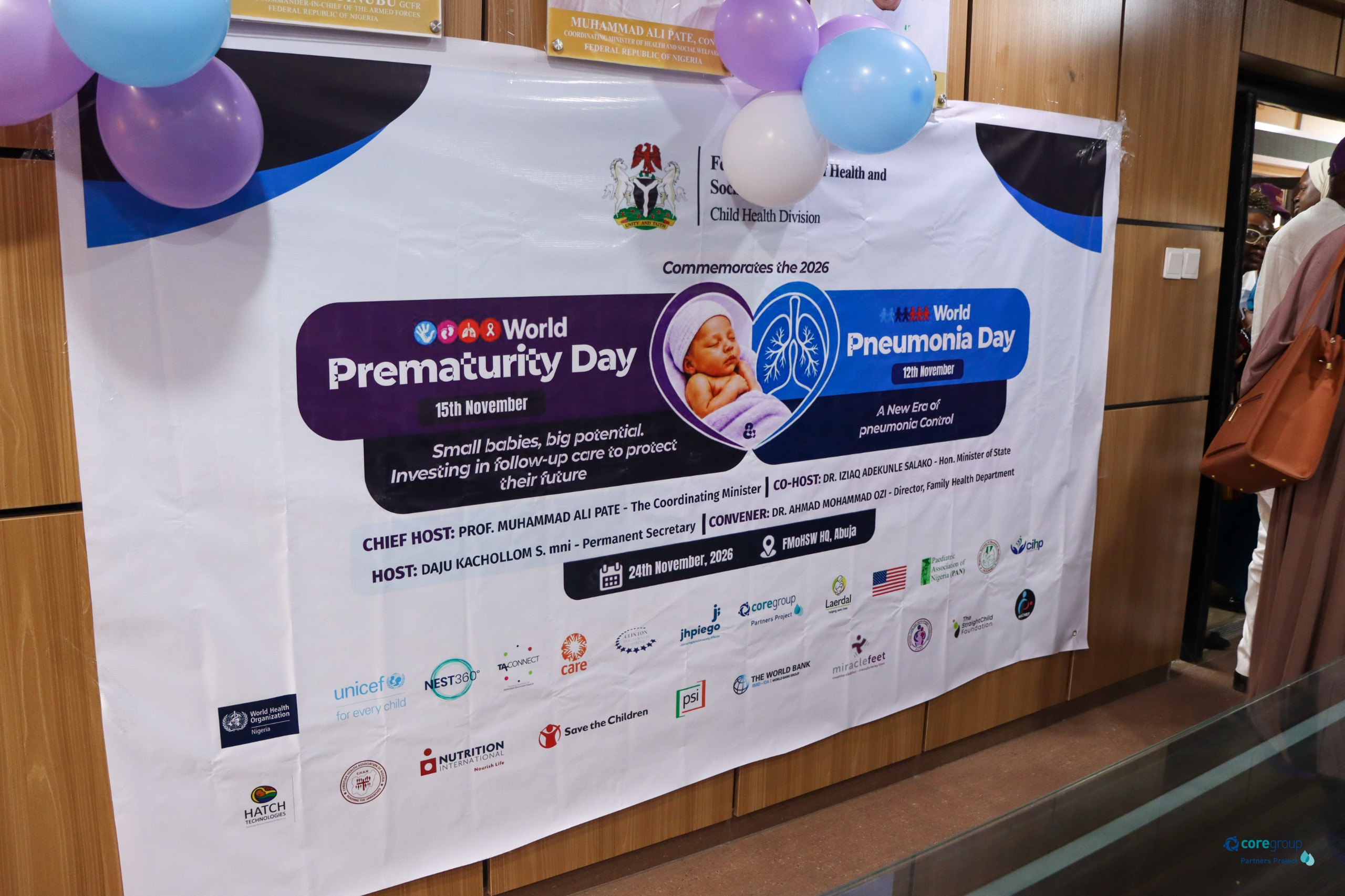
Other development partners, including representatives of UNFPA, CARE Nigeria highlighted the importance of continuous follow-up care, underscoring the life-saving value of access to quality healthcare and sustained support for families, while the Pediatric Association of Nigeria (PAN) called for the development of national protocols and guidelines for the follow-up care of premature babies, covering regular growth and developmental monitoring, nutrition, screening, early intervention, parental education and psychosocial support.
The Association reaffirmed its readiness to collaborate with the Ministry, NISON and development partners towards developing the proposed guidelines.
Stakeholders also emphasised the need to strengthen pneumonia prevention and treatment through improved vaccination, access to medical oxygen, effective diagnostic services and prompt treatment, particularly for children under five.
The National Child Health Technical Working Group through its Chairman, Professor, Wammanda Robinson, equally reaffirmed its commitment to coordinating stakeholder efforts and supporting the implementation of evidence-based interventions to reduce preventable deaths associated with prematurity and pneumonia.
The Federal Ministry of Health and Social Welfare continues to work with development partners, professional associations and other stakeholders to strengthen maternal, newborn and child healthcare services in line with the Government’s commitment to improving health outcomes and ensuring that every newborn survives and every child thrives.
Ado Bako
Assistant Director, Information and Public Relations.