


FIC Report (Bayelsa State) – In a state long defined by its Oil wealth yet constrained by erratic Electricity Supply, a new Chapter is unfolding. Bayelsa State is on the brink of what many describe as its most ambitious power intervention to date — a 60-megawatt gas turbine plant that promises to usher in uninterrupted electricity and reshape the state’s economic narrative.
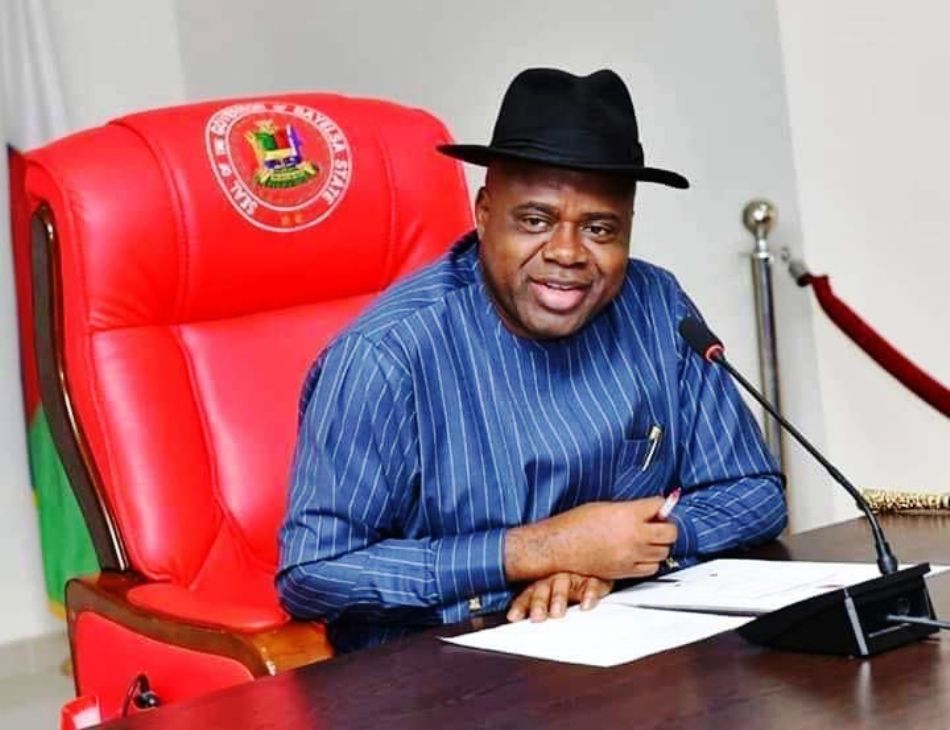
Governor Douye Diri has assured residents that the power plant will be commissioned in March 2026, with expectations that President Bola Ahmed Tinubu will preside over the ceremony. The Governor made the announcement during the Ayakoro Annual Festival in Ayakoro Community, Ogbia Local Government Area — a symbolic setting that underscored the project’s grassroots significance.
The 60MW facility forms the backbone of the Bayelsa Independent Power Plant (IPP) initiative, a deliberate move by the state government to reduce reliance on Nigeria’s often unstable national grid. For decades, residents and businesses in Bayelsa have grappled with irregular power supply, forcing heavy dependence on diesel and petrol generators. The resulting high energy costs have stifled industrial growth and placed financial strain on households.
By harnessing gas turbines — a logical choice given Bayelsa’s vast natural gas reserves — the state aims to convert its resource advantage into direct economic benefit. The plant is designed to deliver round-the-clock electricity, stabilizing supply within Yenagoa and gradually extending coverage to surrounding communities.
Located in Elebele, Ogbia Local Government Area, the project site has witnessed steady technical advancement. Six of the Eight Gas Turbines were delivered and installed before the end of 2025, while the remaining two units and essential accessories arrived in early 2026. Officials from the Bayelsa Electricity Company Limited confirm that the project has surpassed 95 percent completion.
Although initial projections targeted activation before the end of 2025, final commissioning was rescheduled to accommodate comprehensive installation, calibration, and grid-integration processes. According to energy experts, such adjustments are typical in large-scale infrastructure projects where safety, synchronization, and regulatory compliance are critical.
Governor Diri has consistently framed the plant not merely as an electricity project, but as a structural transformation of Bayelsa’s economic architecture. Stable power supply is expected to:
- Reduce the cost burden on small and medium enterprises.
- Improve productivity in public institutions and healthcare facilities.
- Encourage agro-processing and light manufacturing.
- Attract private sector investment into the state.
- Create direct and indirect employment opportunities.
For a State seeking to diversify beyond oil revenues, reliable electricity is widely seen as foundational. Analysts argue that a stable power ecosystem can unlock growth in ICT hubs, hospitality, education services, and marine-based industries.
The Governor has clarified that electricity from the plant will be provided on a paid basis. However, the emphasis is on improved reliability compared to the frequent grid collapses that have characterized national supply. Energy economists note that consumers are generally willing to pay for electricity when supply is consistent, predictable, and cost-effective relative to generator usage.
By transitioning from stopgap generator dependency to centralized generation, the state also stands to reduce environmental pollution and noise levels in urban neighborhoods.
The Independent Power Plant stands among the signature initiatives of the Prosperity Administration, alongside investments in sports infrastructure, housing schemes, and road networks aimed at repositioning Bayelsa as a competitive investment destination in the Niger Delta.
Community engagement has intensified as the commissioning date approaches. Residents have shared updates and images of installation progress at the Elebele facility, expressing optimism that the long-standing 24-hour electricity promise may soon become reality.
If President Tinubu performs the commissioning as anticipated, the event would signal federal recognition of subnational energy reforms and align Bayelsa’s initiative with broader national objectives of energy security and infrastructure expansion.
For many Bayelsans, however, the significance goes beyond ceremony. The hum of turbines at Elebele represents more than megawatts — it symbolizes a long-awaited shift from potential to productivity. Should the plant deliver on its promise, March 2026 may mark the moment Bayelsa finally turns the switch toward sustained economic illumination.
Signed
Ighovojah Gloria Afure
Principal Information Officer
Bayelsa, Yenegoa
05 March 2026