

FIC Report (Benue State) – The Benue State Budget and Economic Planning Commission has reaffirmed its commitment to transparency, accountability, and impact-driven service delivery under the Nigerian Community Action for Resilience and Economic Stimulus (NG-CARES) 2.0 programme.
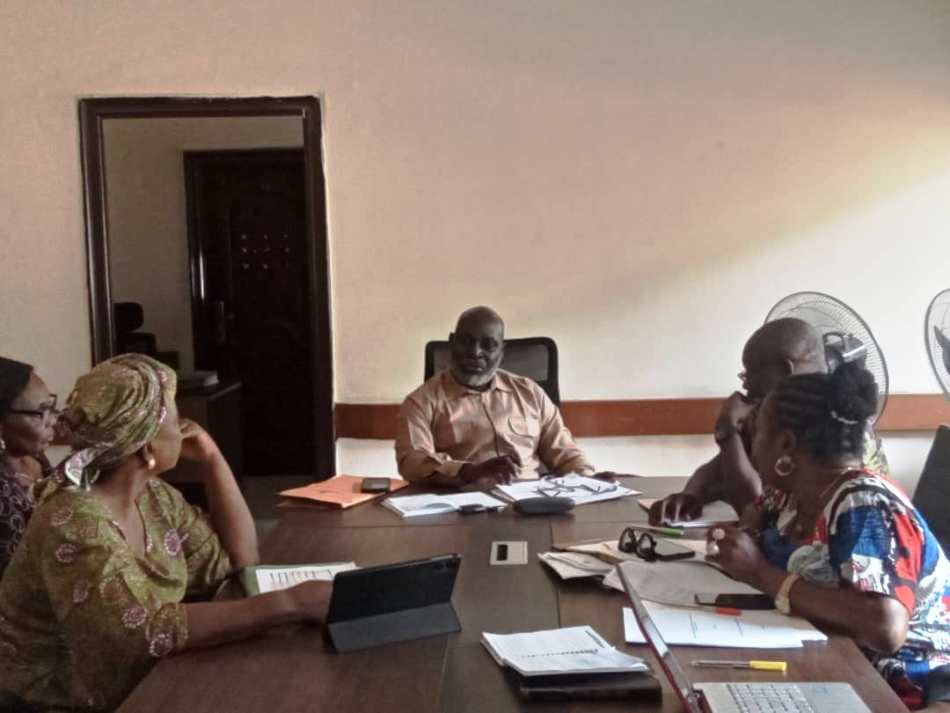
The Director General of the Commission, Professor Jerome Andohol, made this known on Wednesday, March 18, 2026, during a strategic review meeting with key stakeholders held at the Commission’s Conference Hall in Makurdi.
Professor Andohol stated that the meeting was convened to critically assess financial inflows, expenditure patterns, and overall performance across the programme’s Result Areas and Delivery Platforms as it enters a new six-month implementation cycle. He emphasized the need for prudent financial management, strict accountability, and measurable outcomes to ensure that government interventions deliver tangible benefits to vulnerable citizens.
He stressed that all resources must be judiciously utilized and properly accounted for, noting that adherence to financial discipline remains critical to achieving the programme’s objectives.
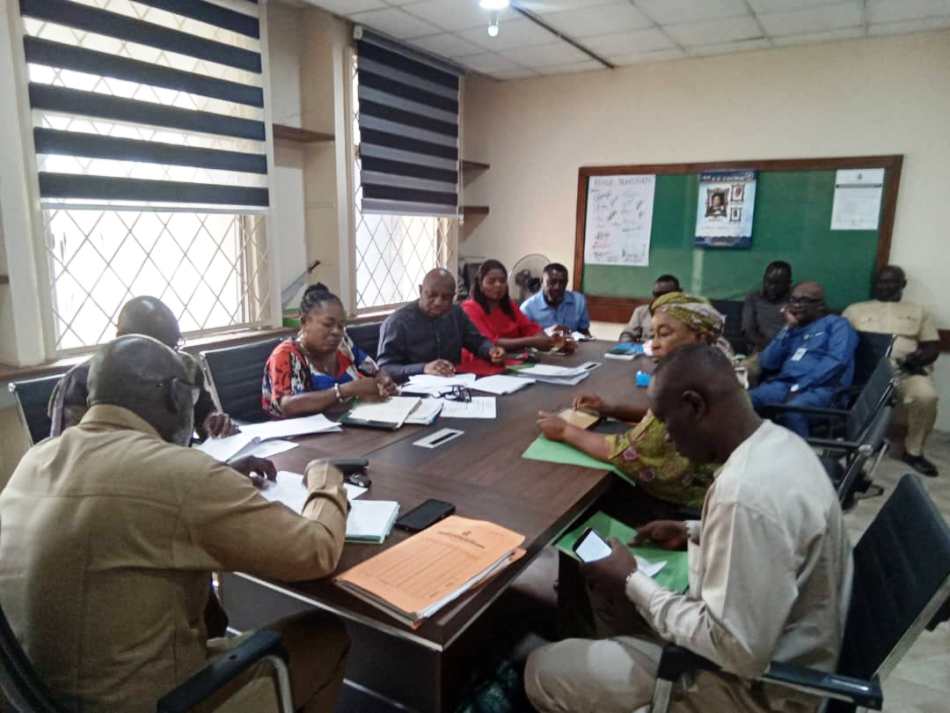
The meeting was attended by the State CARES Coordinator, Mrs. Jacyntha Tor-Wombo, alongside key officials of the State CARES Coordination Unit. Also in attendance were Heads of the four Delivery Platforms across the three Result Areas, including the State Cash Transfer Unit (SCTU) and the Community and Social Development Agency (CSDA) under Result Area 1; FADAMA under Result Area 2; and the State Operations Coordinating Unit (SOCU) under Result Area 4.
They were accompanied by Disbursement Linked Indicators (DLI) Heads, Accountants, and Monitoring and Evaluation Officers.
Presentations at the meeting highlighted the scope, targets, and progress of ongoing interventions. Under Result Area 1, the State Cash Transfer Unit is implementing Social Transfers and Livelihood Grants, each targeting 1,200 beneficiaries across the 23 Local Government Areas of the state.
The Community and Social Development Agency is executing Basic Services projects expected to benefit 2,000 individuals per project across 21 Community Development Projects, including the construction of healthcare facilities, schools, sanitary systems, and motorized boreholes.
Under Result Area 2, the FADAMA programme is enhancing agricultural productivity through the provision of inputs and services, supply of agricultural assets and processing equipment, and development of climate-smart infrastructure.
These interventions are projected to benefit a total of 5,450 beneficiaries.
Result Area 4, implemented by SOCU, focuses on strengthening data systems through National Identification Number (NIN) integration and data expansion. It plays a critical role in developing a credible State Social Register, ensuring accurate beneficiary targeting, eliminating duplication through data matching, and providing baseline data for validation and planning.
All Delivery Platforms made detailed presentations, which were extensively reviewed and analyzed to improve efficiency and ensure optimal programme performance.
In his closing remarks, Professor Andohol commended participants for their dedication and urged sustained commitment to the programme’s objectives. He advised that operational costs should not exceed 10 percent in order to maximize direct benefits to vulnerable populations. He also called for improved reporting frameworks to enable clear assessment of programme outcomes.
The Director General further directed the State CARES Coordination Unit to compile comprehensive documentation of executed projects for submission to the Governor, noting that such records would support evidence-based engagement during field visits and community interactions.
VERONICA AZEMBA
For Head of Center FIC Makurdi