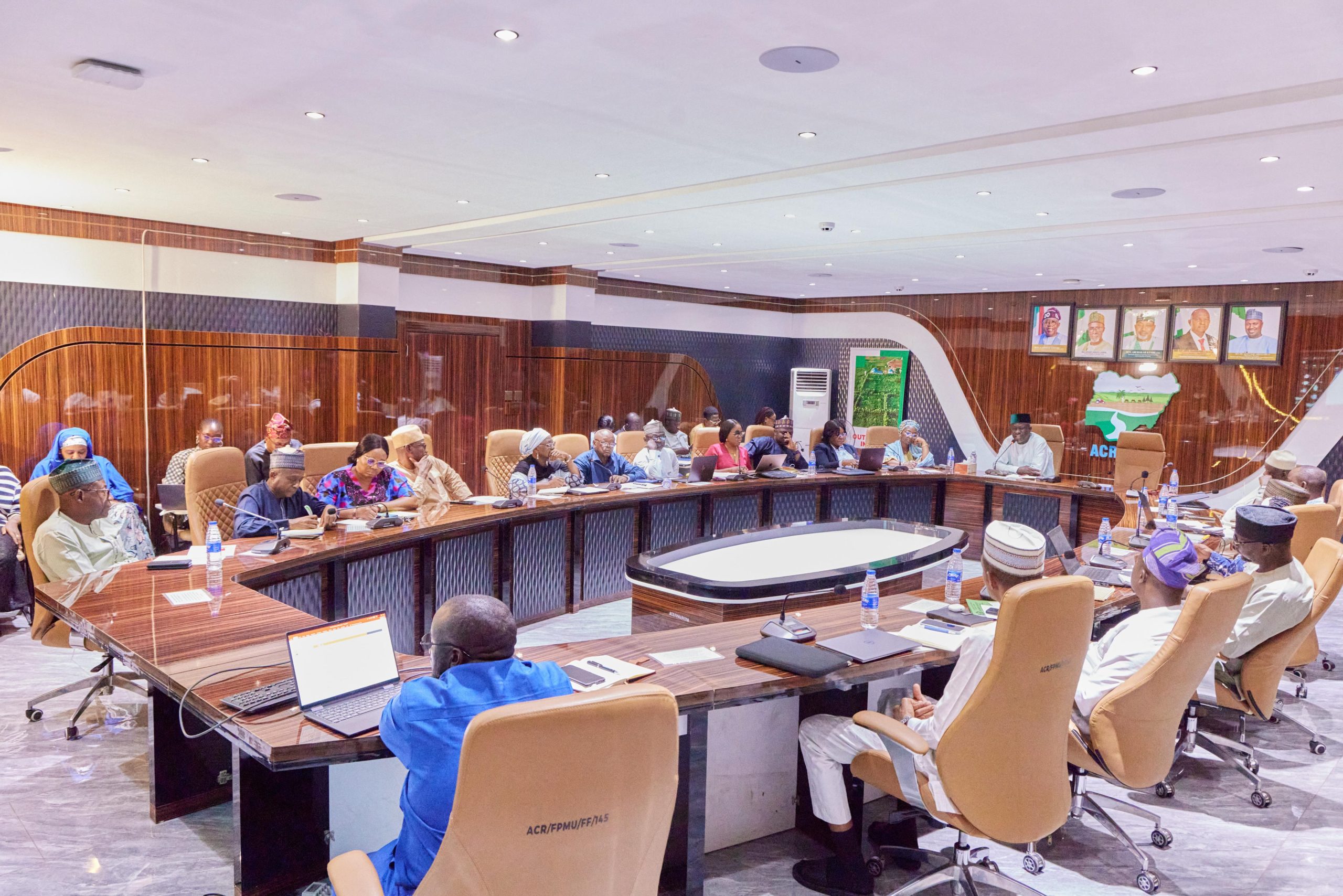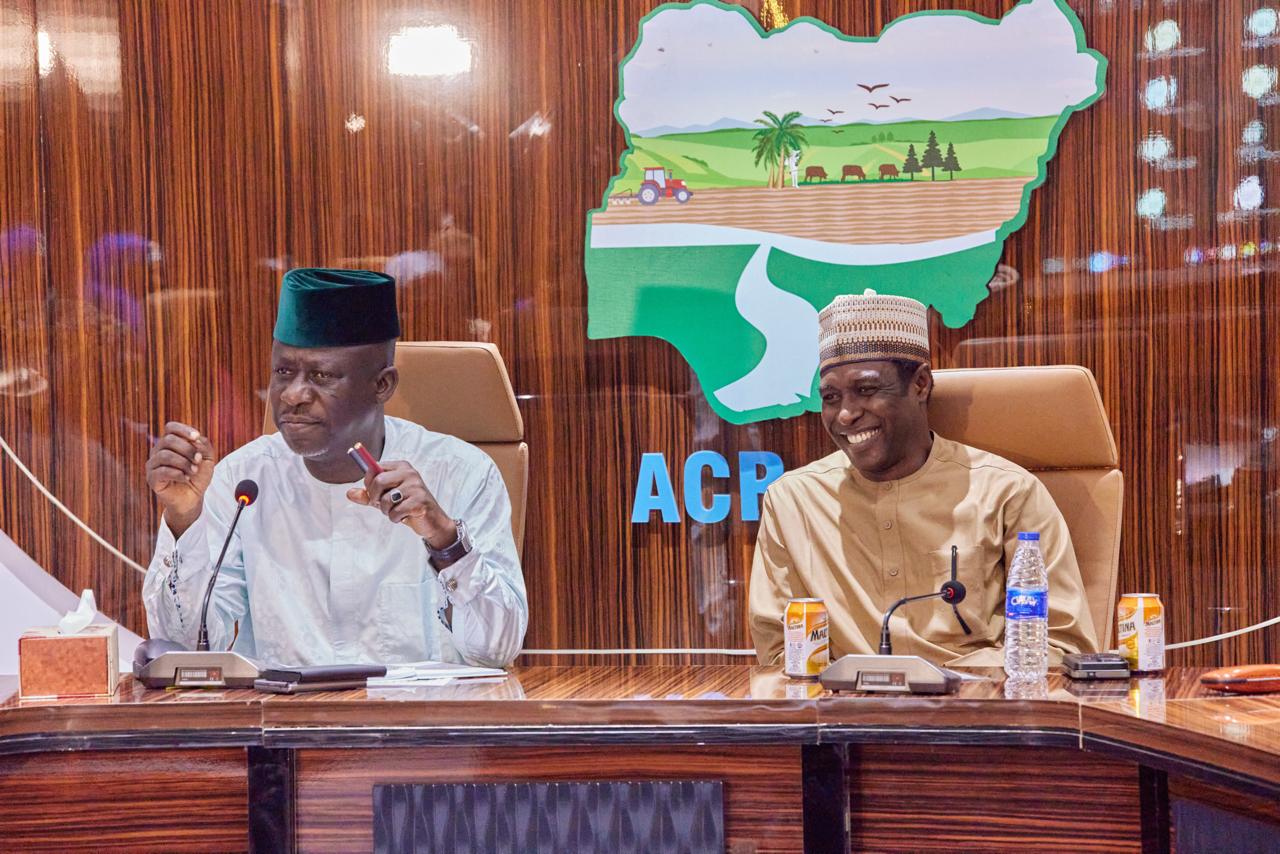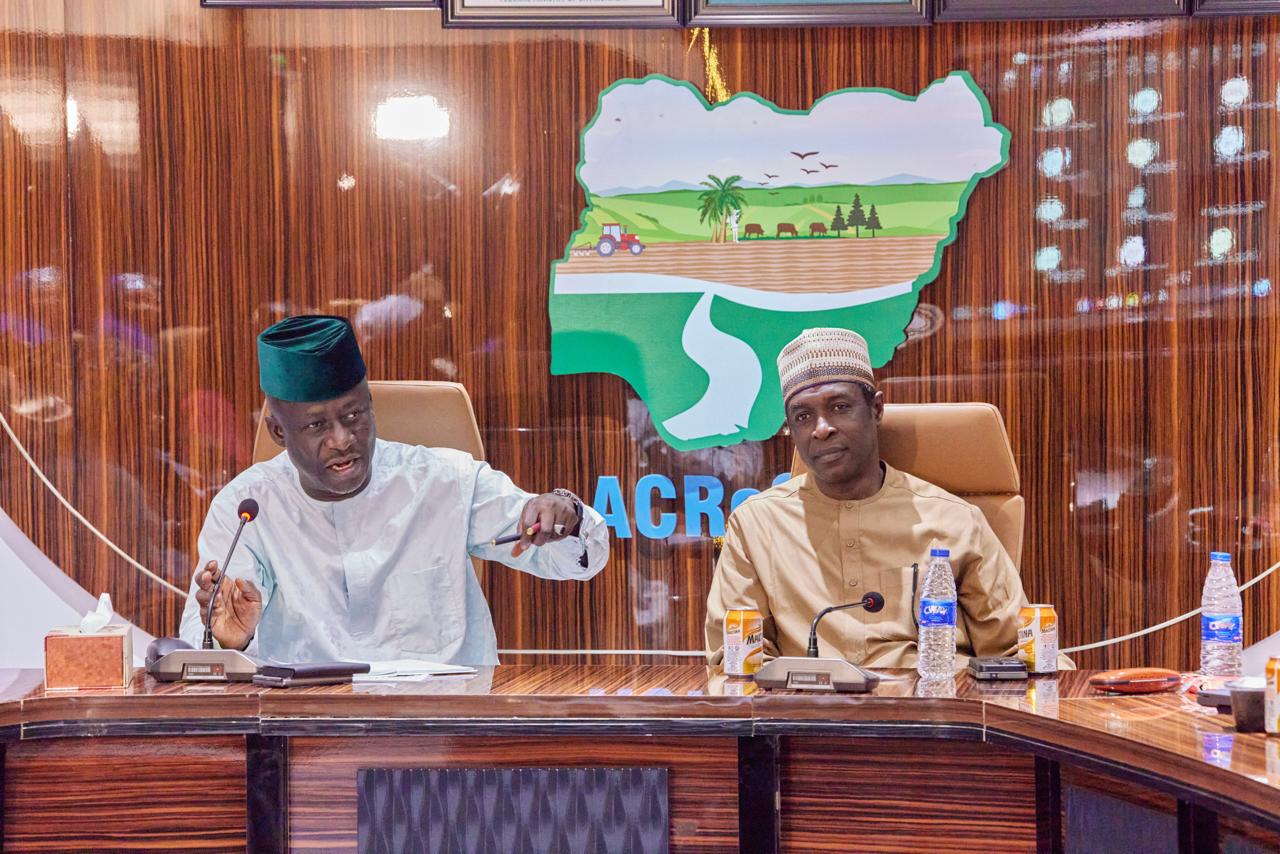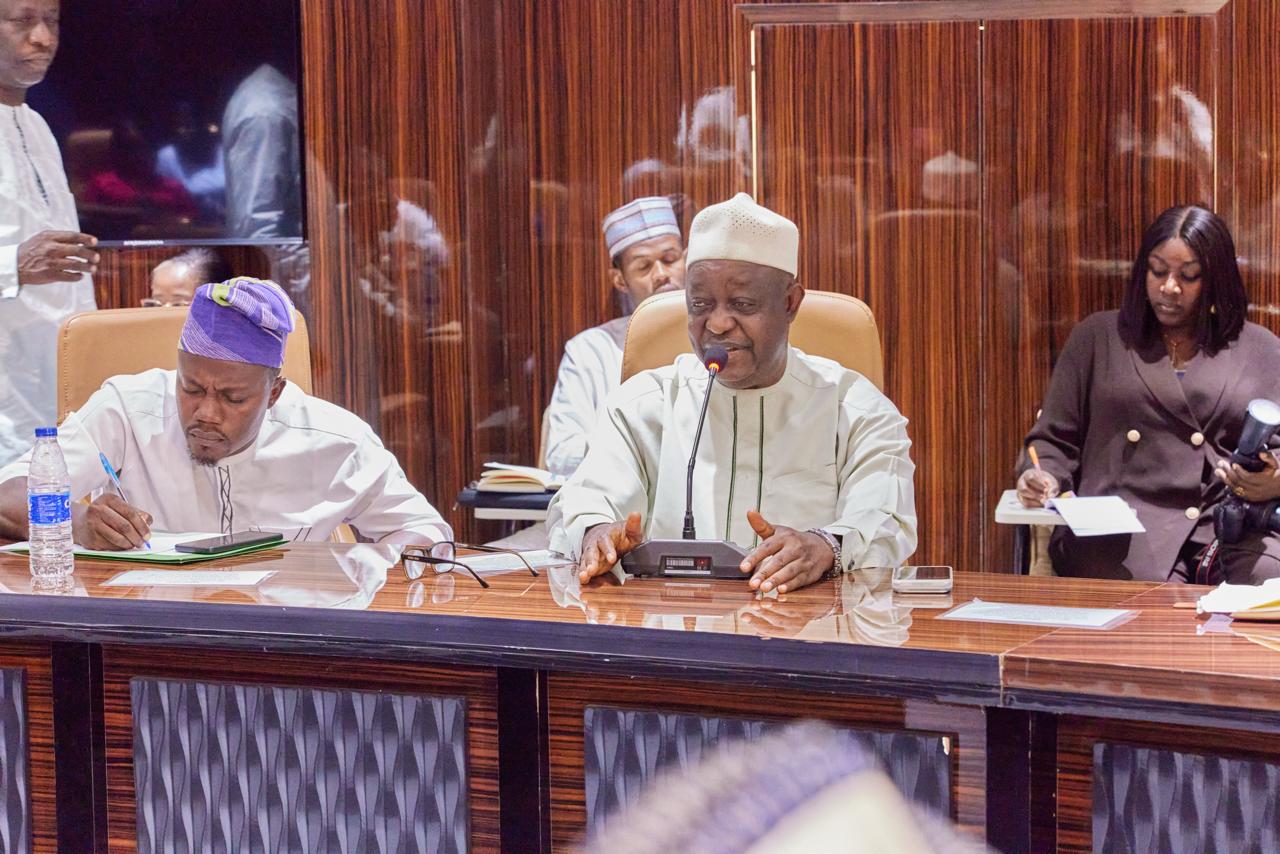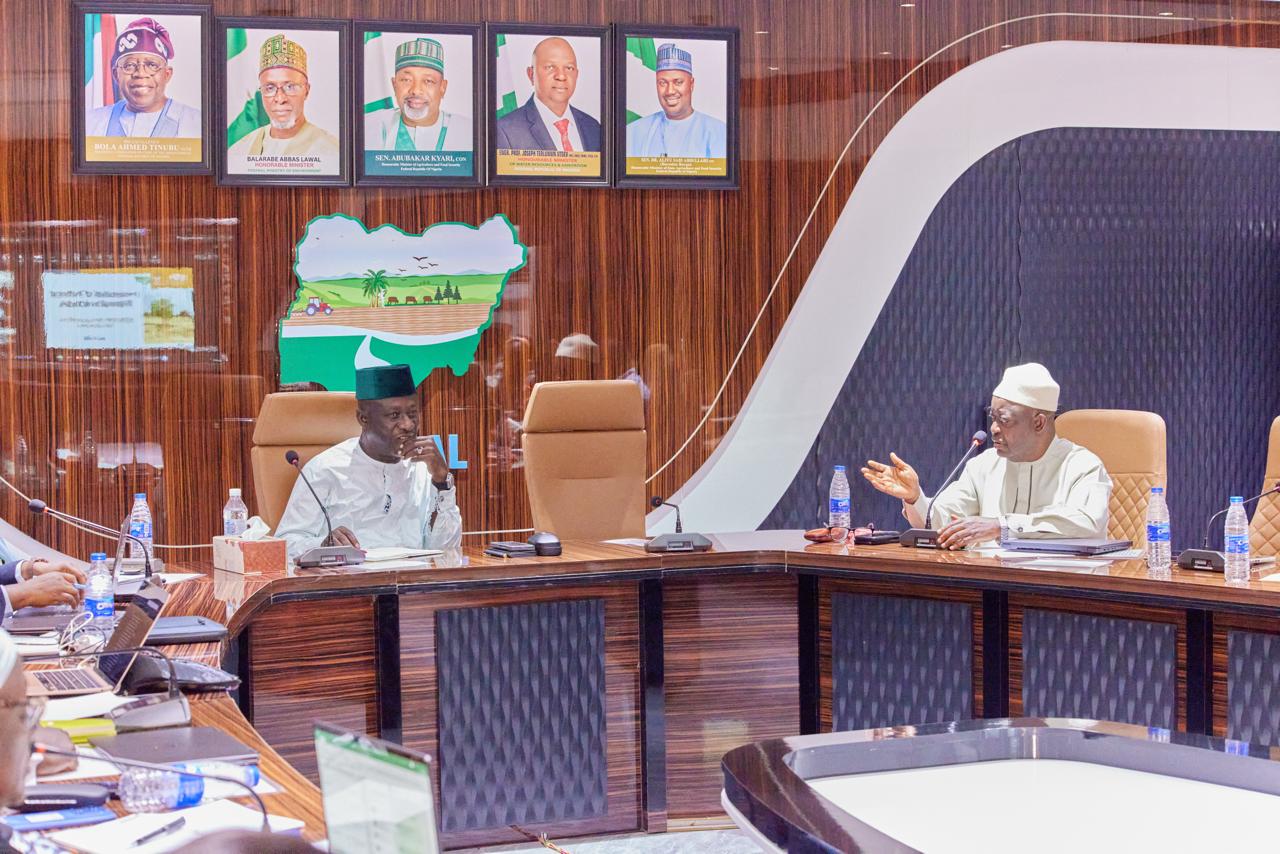


ABUJA, NIGERIA — In a decisive effort to combat the cascading impacts of climate change, restore degraded ecosystems, and secure sustainable livelihoods for rural communities, the Agro-Climatic Resilience in Semi-Arid Landscapes (ACReSAL) project has officially entered into a milestone partnership with the International Institute of Tropical Agriculture (IITA).
This critical engagement marks the formal commencement of an essential technical assistance initiative under Component B of the ACReSAL project. Designed as a comprehensive response to interconnected environmental vulnerabilities, this partnership blends world-class scientific innovation with on-the-ground, community-driven landscape restoration efforts across Northern Nigeria and the Federal Capital Territory (FCT).
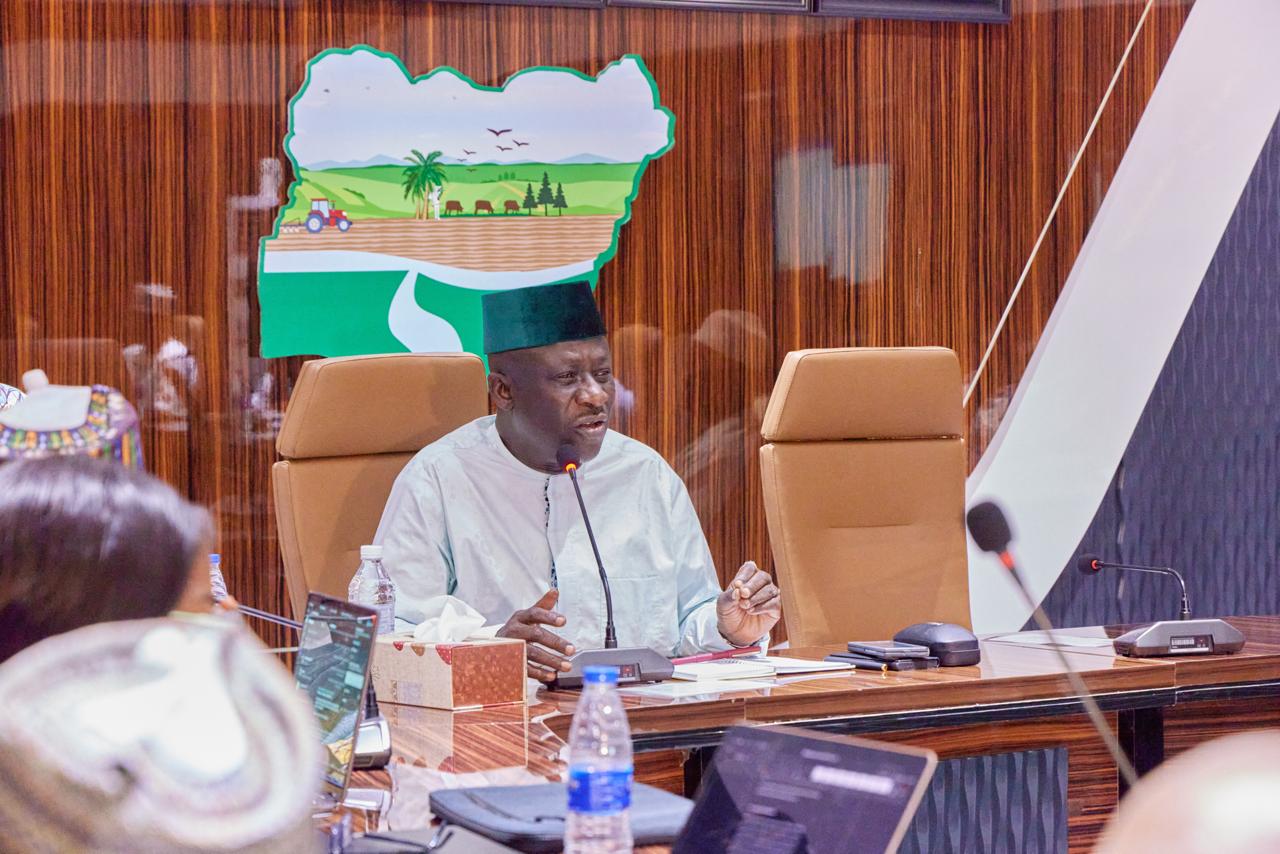
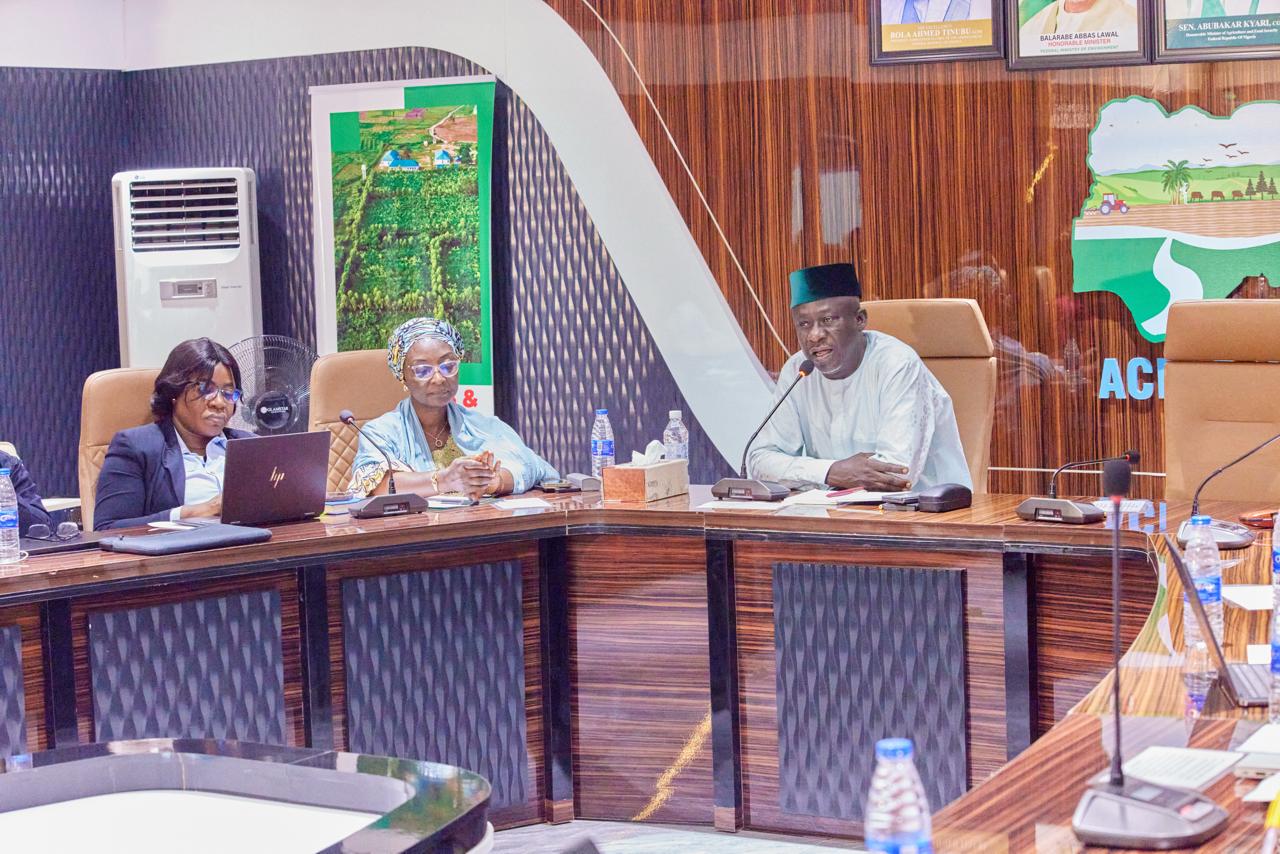
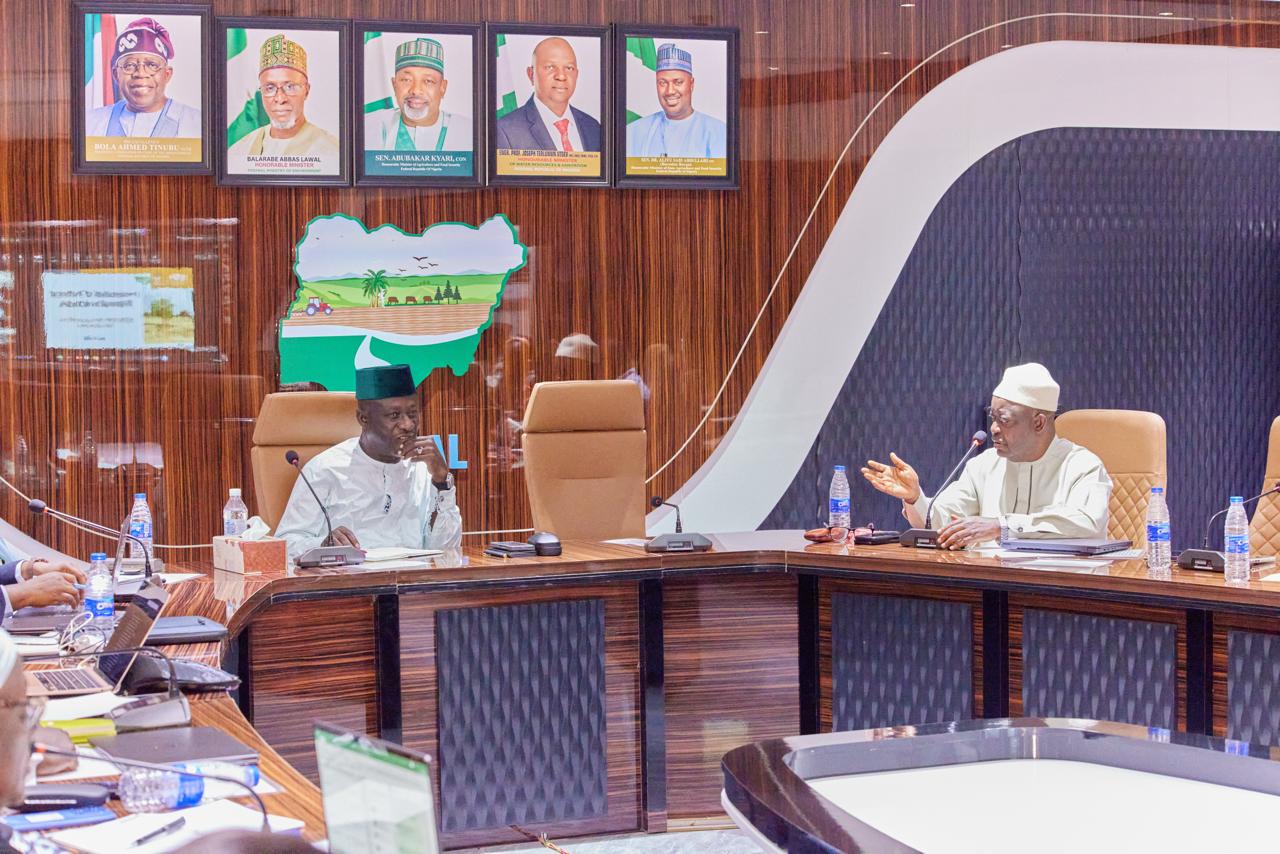
Reflecting on the profound scale and vision of the initiative, the National Project Coordinator of ACReSAL, Abdulhamid Umar, emphasized the far-reaching structural framework of the project during the formal kick-off meeting. He observed that ACReSAL is a Federal Government of Nigeria project supported by the World Bank, covering 19 northern states and the FCT. The project is designed to address land degradation, climate vulnerability, food insecurity, and rural vulnerability. Under Component B, ACReSAL is investing in climate-smart agriculture and farmer-led irrigation development to improve productivity, ensuring sustainable land and water management, reduce vulnerability, build resilience, and enhance the capacity of farmers to adapt to climate change.
Recognizing that translating high-level agricultural science into functional grassroots success requires an experienced and globally respected partner, the ACReSAL leadership deliberately aligned with IITA to steer this critical phase of implementation. National Project Coordinator Abdulhamid Umar warmly validated the timeline and strategic depth of the collaboration, explicitly detailing the distinct operational capabilities that the institute introduces to the collective effort. In his delivered remarks, he noted:
“The engagement of IITA as the lead technical assistant partner is therefore strategic and timely. IITA is a globally recognized agricultural research institution with decades of experience in agricultural research, farming systems, innovation, soil and water management, and climate resilience technology. IITA’s role is to provide technical support and practical implementation translating research and knowledge into scalable field level solutions that delivers measurable results.”
“The technical assistant is expected to support effective rollout of Climate Smart Agriculture and Farmer-Led Irrigation Development Interventions, strengthen national and state level deliveries systems that ensures that farmers and communities experience tangible benefits from ACReSAL investment.”
Responding to the mandate with deep operational commitment, the representative of the International Institute of Tropical Agriculture (IITA), Dr. Alpha Yaya Kamara, reaffirmed the institute’s dedication to delivering practical, scalable solutions tailored to the unique ecological pressures of Nigeria’s semi-arid zones. Dr. Alpha Yaya Kamara expressed a profound sense of shared responsibility, noting that sustainable landscape restoration cannot be achieved in isolation; it requires deep support for the communities affected and a rigorous framework for execution.
The IITA team pledged to deploy its extensive repository of drought-resistant crop varieties, soil health diagnostic tools, and efficient water-use methodologies to guarantee that the project’s interventions are both ecologically sound and economically viable for rural households. By working side-by-side with extension workers and local stakeholders, IITA intends to ensure that the transition to climate-smart practices is seamless, culturally attuned, and driven by the farmers themselves through collective action.
To ensure this extensive collaboration achieves maximum regional transformation, the ACReSAL project leadership has anchored the assignment upon a rigorous framework of execution. As the project proceeds, there are three key expectations for this engagement:
• IITA is expected to work closely with Nigerian research institutions, training and extension agencies, and other stakeholders to ensure alignment and avoid duplication.
• The technical assistance must be delivered with clear frameworks, milestones, measurable indicators, and timely reporting in line with Federal Government and World Bank requirements.
• Beyond immediate outputs, the engagement should strengthen national systems, build institutional capacity, and create knowledge platforms that will sustain the benefits of the project beyond its lifecycle.
Through this unified alignment of vision and technical expertise, both organizations look forward to a collaborative engagement that delivers climate-smart solutions, restores our landscape, and improves livelihoods. This joint initiative stands as a powerful testament to the impact of collective action on the ground, ensuring that as landscapes are healed, the hearts and livelihoods of millions of Nigerian farmers are permanently uplifted and secured against the uncertainties of a changing climate.
Jane Ozuruoke, mnipr
Head of Communication and Public Relations
Federal Project Management Unit (FPMU) ACReSAL