

The Federal Government has reaffirmed its commitment to strengthening Nigeria’s social protection systems and advancing the care economy as a critical pillar of national development.
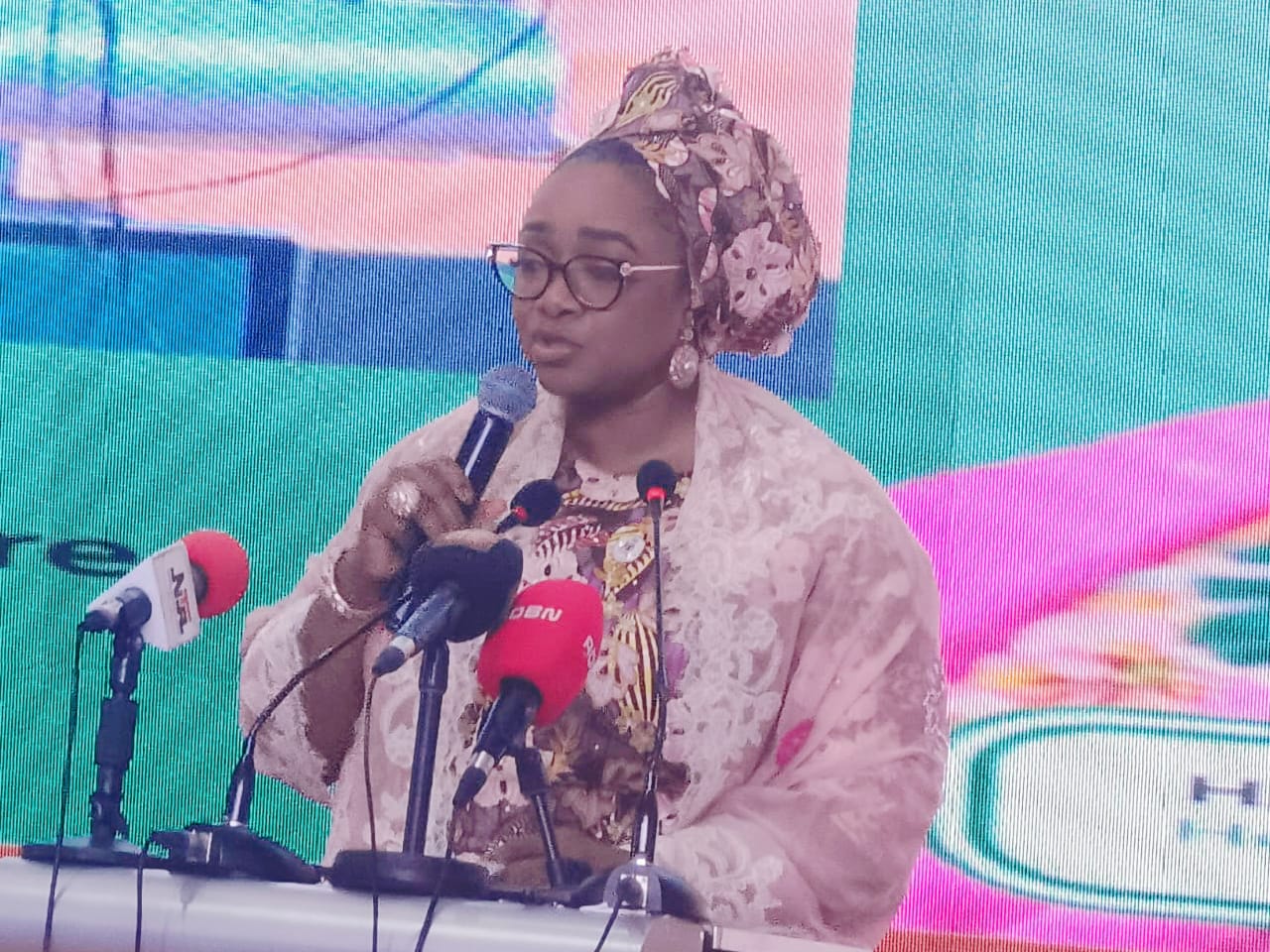
The Honourable Minister of Women Affairs and Social Development, Hajiya Imaan Sulaiman-Ibrahim, FSI, gave the commitment at the 2026 National Caregivers Summit been part of activities marking commemoration of the 2026 National Children’s Day.
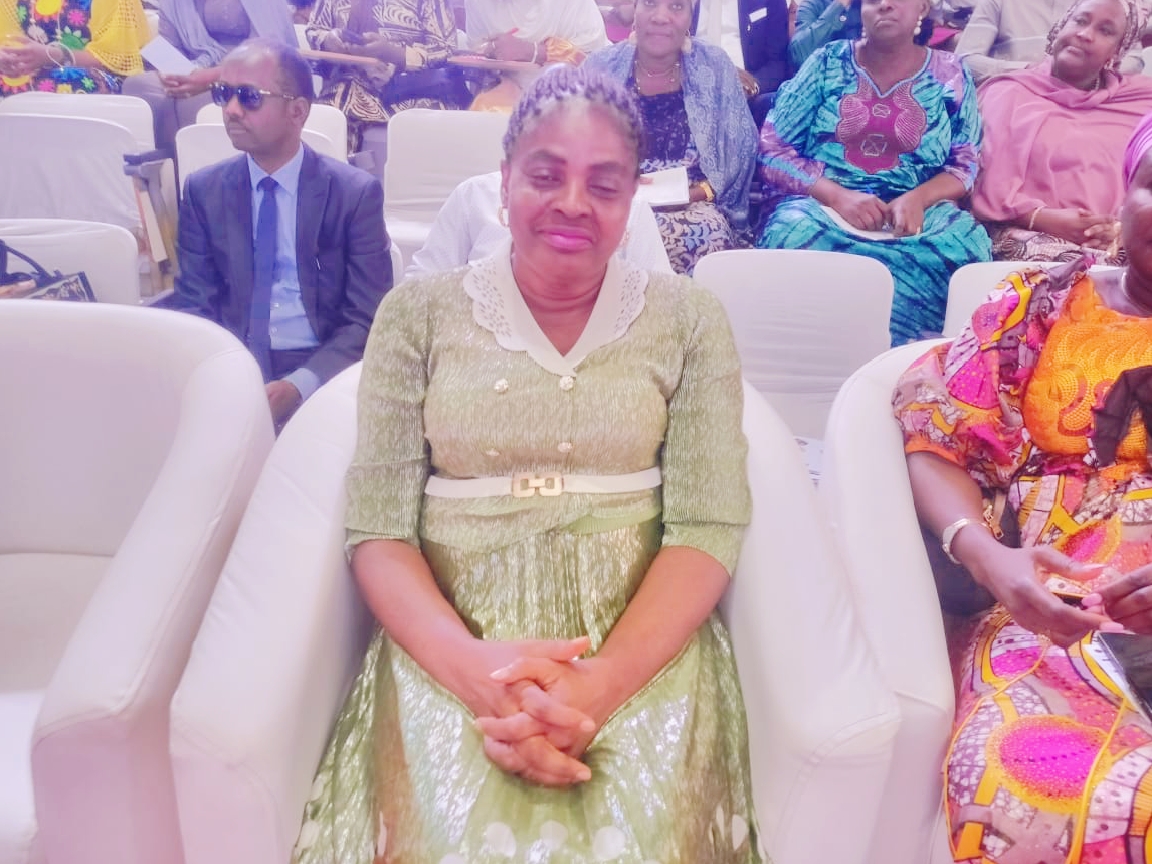
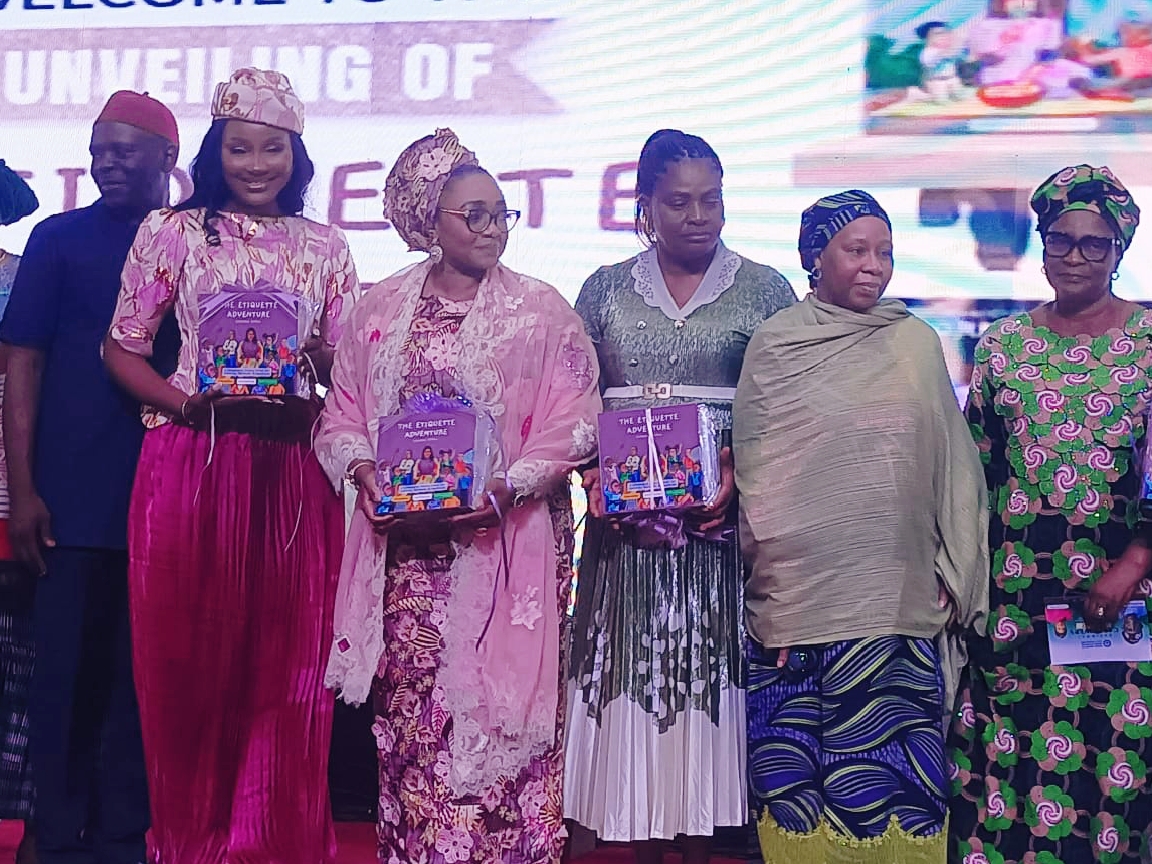
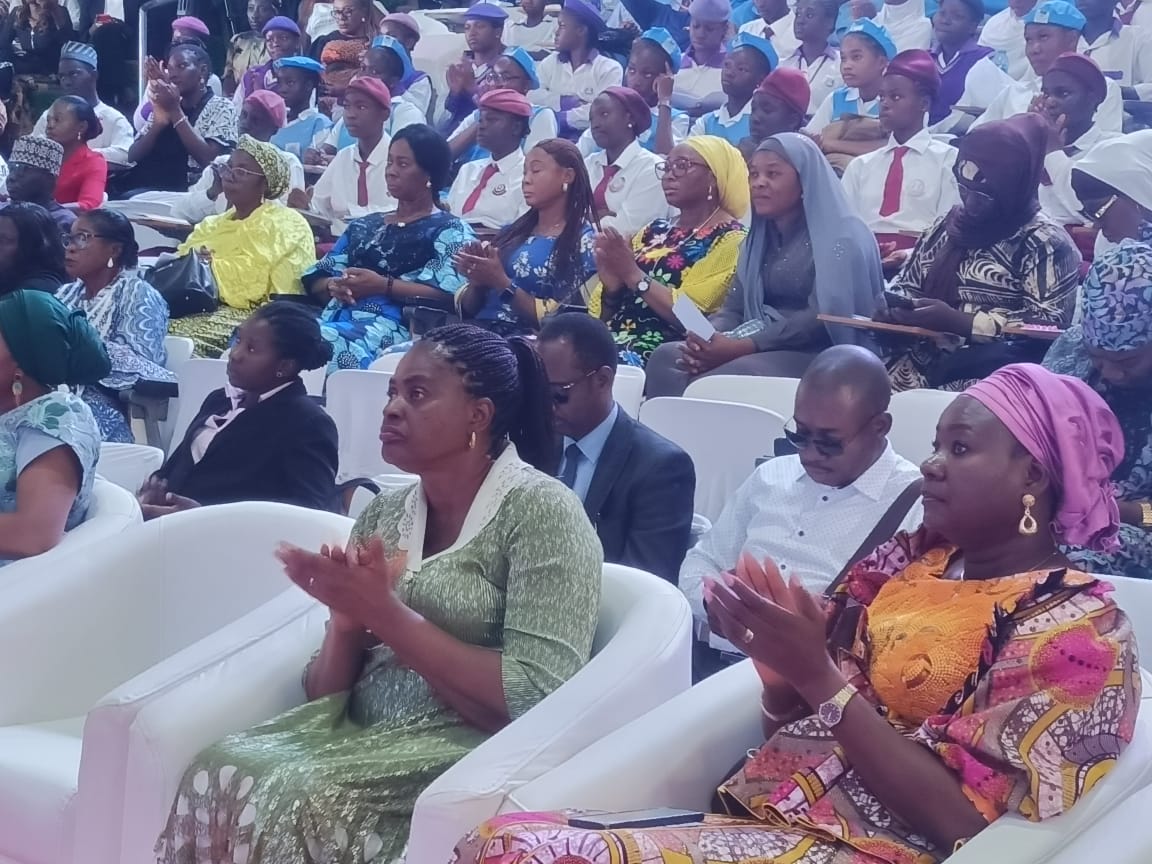
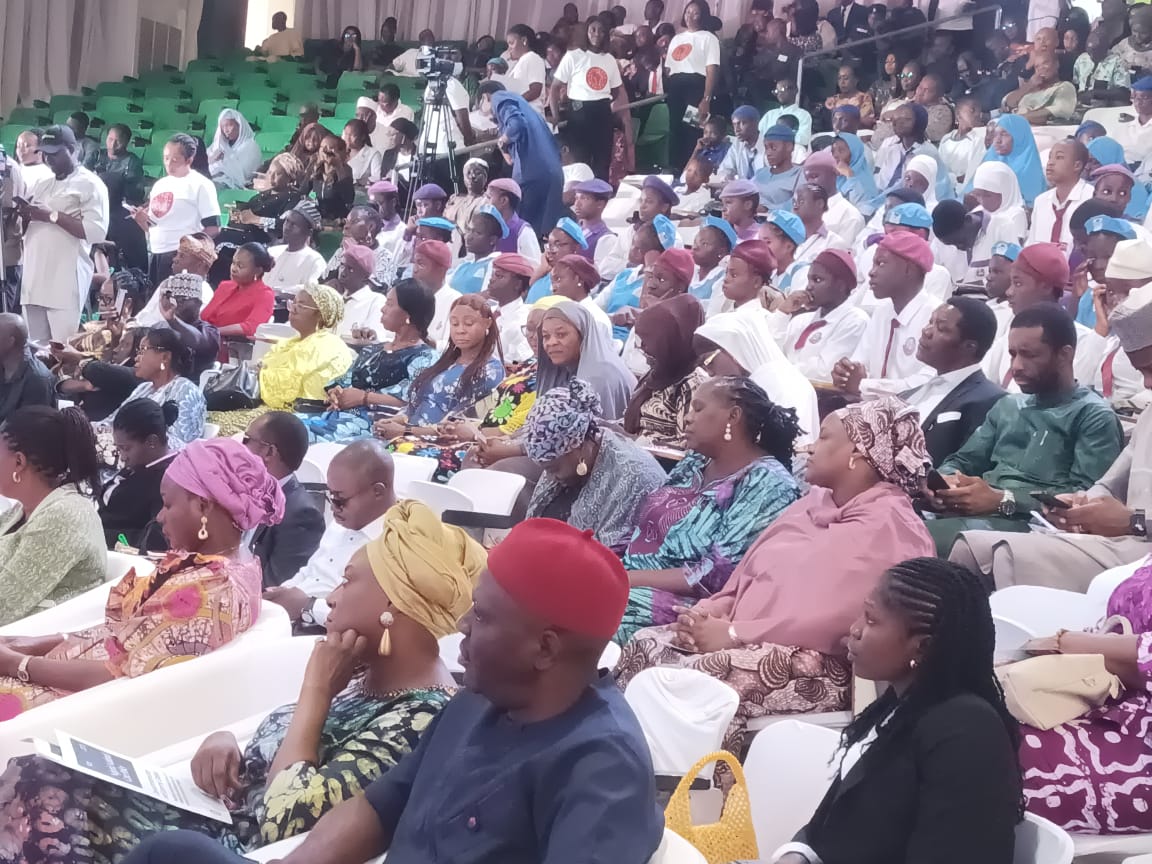
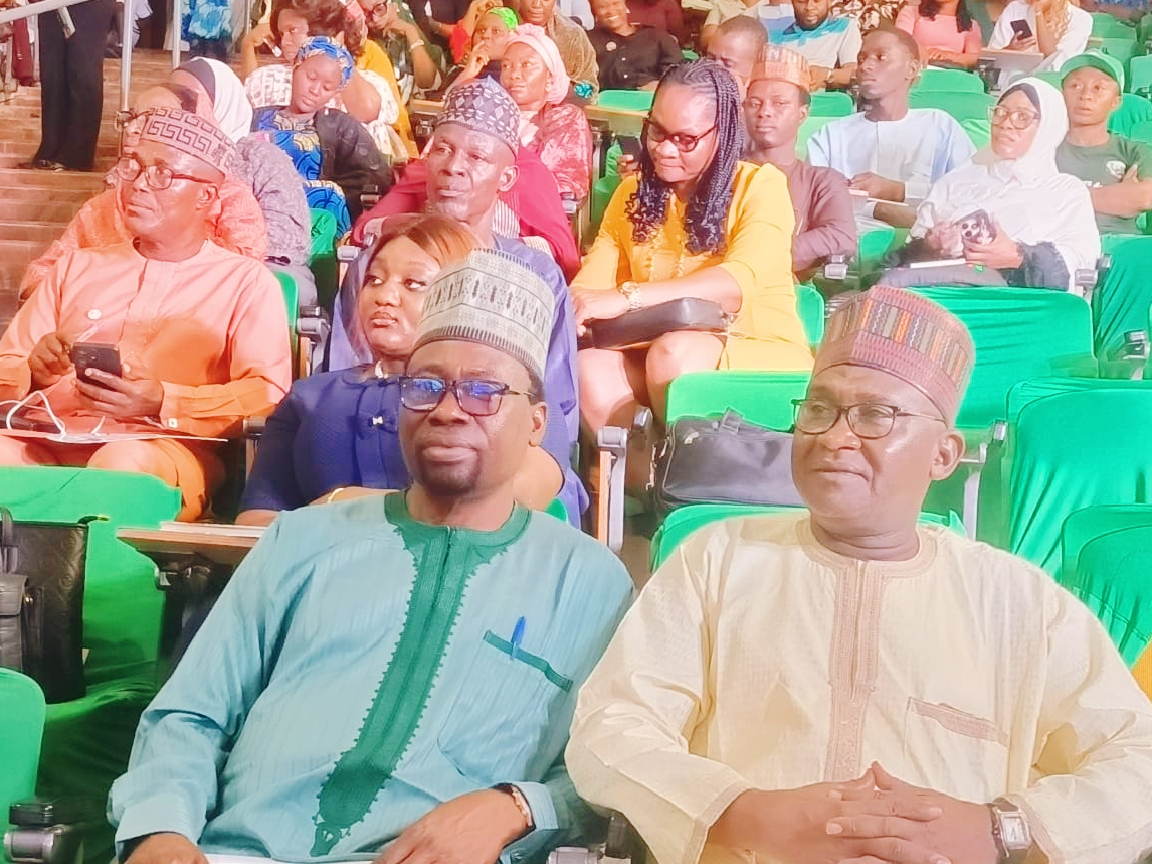
The summit, held on Monday, 18th May, 2026 at the Maryam Babangida National Centre for Women Development, Abuja, brought together policymakers, development partners, caregivers, child protection advocates, and stakeholders under the theme: “Future Now: Promoting Inclusion for Every Nigerian Child.”
In her keynote address, the Minister described the summit as a defining national intervention aimed at repositioning caregiving from an overlooked domestic responsibility to a recognized professional sector capable of driving economic growth, social stability, and inclusive development.
“Today, we gather not merely for dialogue, but to address one of the most fundamental pillars of nation-building: the Care Economy and the social infrastructure that sustains human dignity,” the Minister stated.
She noted that the Renewed Hope Agenda of President Bola Ahmed Tinubu, GCFR, has introduced a people-centered governance approach that places families, children, and vulnerable citizens at the heart of national development.
According to her, the introduction of the Renewed Hope Social Impact Intervention Programme (RHSII-774) demonstrates the Federal Government’s determination to ensure that social protection programmes and economic safety nets reach all 774 Local Government Areas across Nigeria.
The Minister further disclosed that President Tinubu’s declaration of 2026 as the “Year of Families and Social Development” reflects the administration’s recognition of the family as the bedrock of national stability and economic progress.
“When families are strengthened, nations become stable; when homes are protected, societies prosper. If we secure the home, we secure the future of Nigeria,” she declared.
Highlighting ongoing reforms by the Ministry, Hajiya Imaan Sulaiman-Ibrahim revealed that the Ministry has intensified efforts toward the domestication and enforcement of the Child Rights Act and strengthened the implementation of the Violence Against Persons (Prohibition) Act nationwide.
She also announced the activation of strategic National Costed Action Plans aimed at ending violence against children, child marriage, and exploitation of women and girls, while leveraging the Nigeria Education Data Infrastructure (NEDI) to digitally track educational gaps and vulnerabilities.
Speaking on the growing demands facing Nigeria’s social support systems, the Minister observed that the country’s expanding youth population and increasing elderly demographic require urgent investment in sustainable caregiving structures.
She lamented that millions of women and adolescent girls continue to bear the overwhelming burden of unpaid care responsibilities at the expense of their education, careers, and economic advancement.
“No nation can attain sustainable prosperity when a significant segment of its productive population is constrained by invisible and unsupported care responsibilities,” she stressed.
The Minister announced that the National Caregivers Summit would serve as a launchpad for nationwide training and certification programmes in childcare, geriatric care, special needs support, and community caregiving services through strategic partnerships with organizations such as the Caregiver Nigeria Society and other stakeholders.
According to her, the initiative will empower thousands of Nigerian youths with employable and globally competitive skills while creating opportunities for women to participate more actively in the economy.
She further disclosed that the Federal Government, in partnership with the World Bank through the AGILE Project, is expanding educational access and digital literacy opportunities for over 8.6 million girls across 18 states.
“Every child protected from exploitation, every girl empowered with education and digital literacy, and every caregiver equipped with professional skills represents another building block in the foundation of a peaceful, stable, and economically resilient Nigeria,” she said.
The Minister also revealed that the Ministry is at an advanced stage of establishing new institutional departments dedicated to the Care Economy as well as Women’s Climate Resilience and Adaptation in collaboration with relevant Ministries and agencies.
She appreciated development partners including UN Women, UNICEF, ETF, AOTCOG, and the Etiquette Africa Initiative for supporting Nigeria’s social transformation agenda.
The UN Women Country Representative to Nigeria and ECOWAS, Beatrice Eyong, in her goodwill message, commended the Federal Ministry of Women Affairs and Social Development for elevating the national conversation around caregiving and inclusion.
She emphasized that women and children remain inseparable within the framework of social development and described the care economy as essential to empowering women in politics, leadership, and economic participation.
“The topic of discussion today is not only important, but also timely and impactful because it has great potential for national development,” Eyong stated.
She noted that many women are expected to balance caregiving responsibilities with professional obligations without adequate support systems, thereby increasing the burden on women.
“What the Honourable Minister is doing by bringing the conversation around the care economy to the table is highly commendable. We, as women, and even the United Nations, stand firmly behind this initiative,” she affirmed.
Eyong assured participants of UN Women’s continued technical support and collaboration despite global resource constraints, adding that the organization remains committed to supporting policies and systems that empower caregivers and protect children.
“It is a bold and necessary step toward building a more inclusive and supportive society for women, families, and children,” she added.
The summit concluded with renewed commitments by stakeholders to strengthen inclusive parenting, child protection systems, professional caregiving services, and social development structures capable of delivering sustainable impact for Nigerian families and future generations.
Ahmed Lawan Danbazau Mnipr
Head, Press and Public Relations Dept
FMWASD