


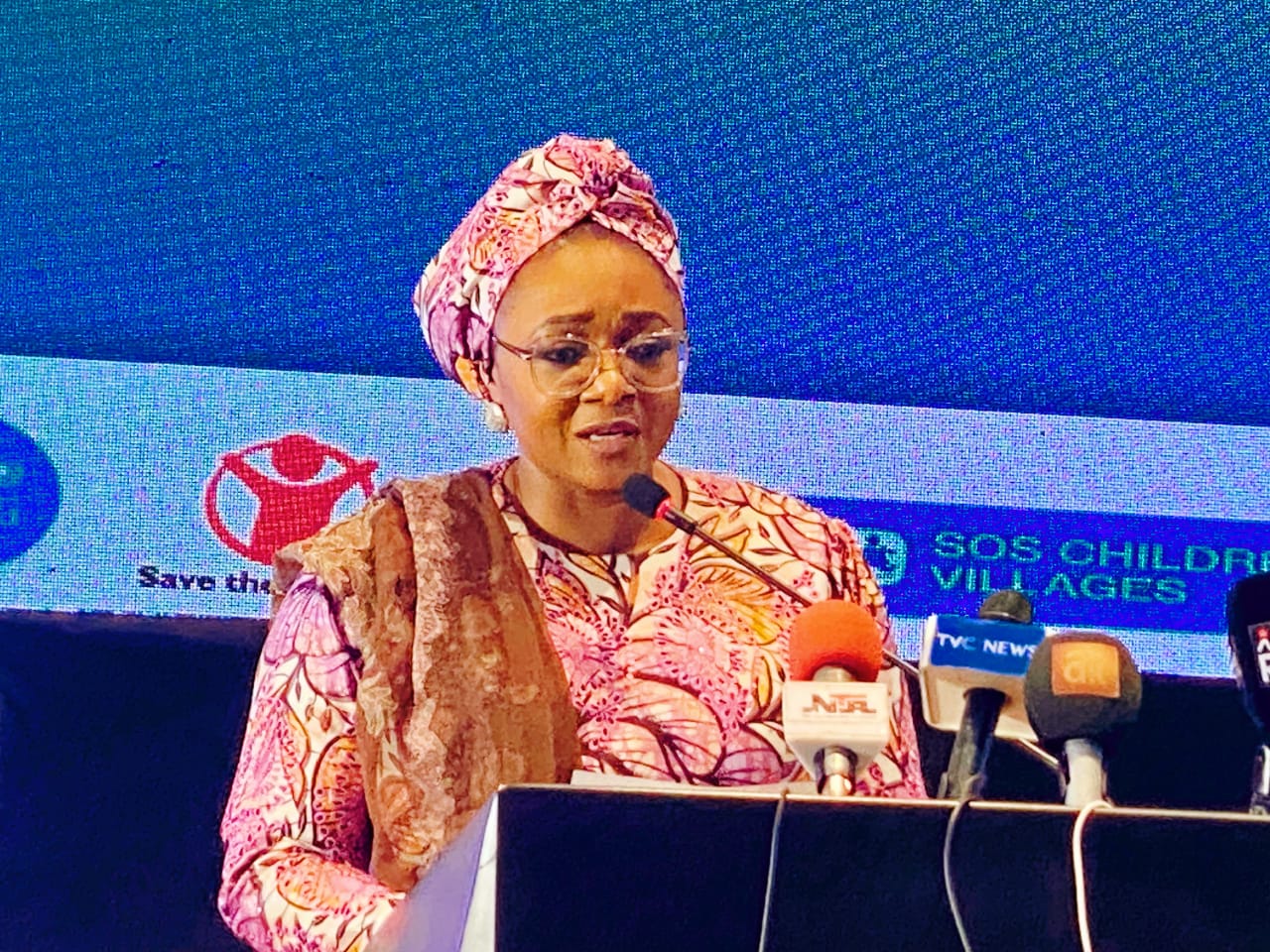
The Federal Government has validated more than 40 strategic policy documents and Standard Operating Procedures (SOPs) aimed at transforming the protection, welfare, and economic empowerment of women, children, families, and vulnerable populations, marking a historic milestone in Nigeria’s social development architecture.
The landmark achievement was announced by the Honourable Minister of Women Affairs and Social Development, Hon. Imaan Sulaiman-Ibrahim, FSI, at the closing ceremony of the National Review and Validation Meeting on Nigeria’s Periodic Reports to the United Nations and Strategic Policy Documents, held at the Abuja Continental Hotel.
The validation exercise also culminated in the successful review of Nigeria’s Combined 5th to 8th Periodic Country Reports to the United Nations Committee on the Rights of the Child, clearing a long-standing reporting backlog and reaffirming Nigeria’s commitment to global human rights obligations.
Delivering her closing remarks, the Minister declared that the country’s development trajectory must now be assessed through human-centred outcomes rather than economic indicators alone.
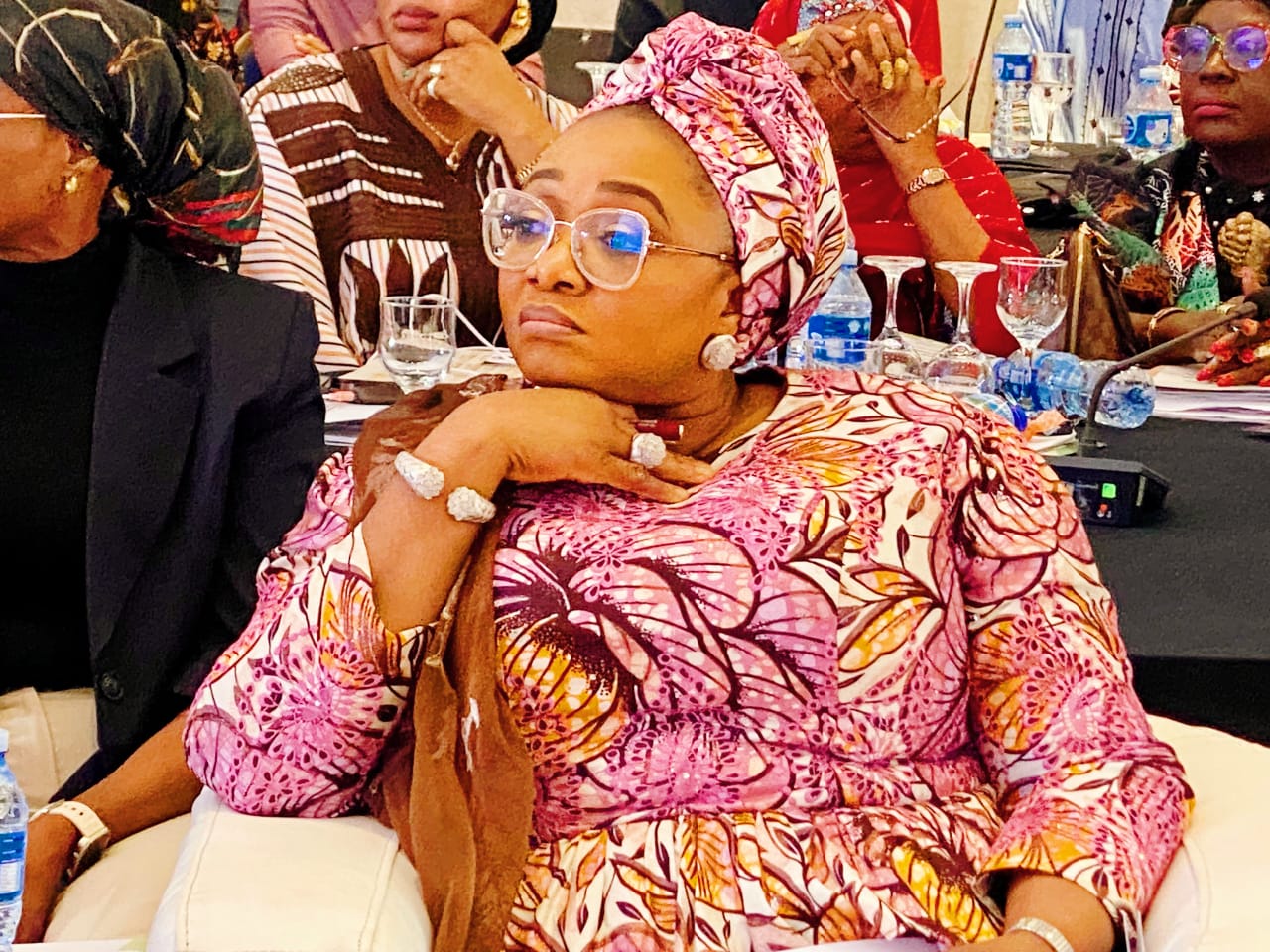
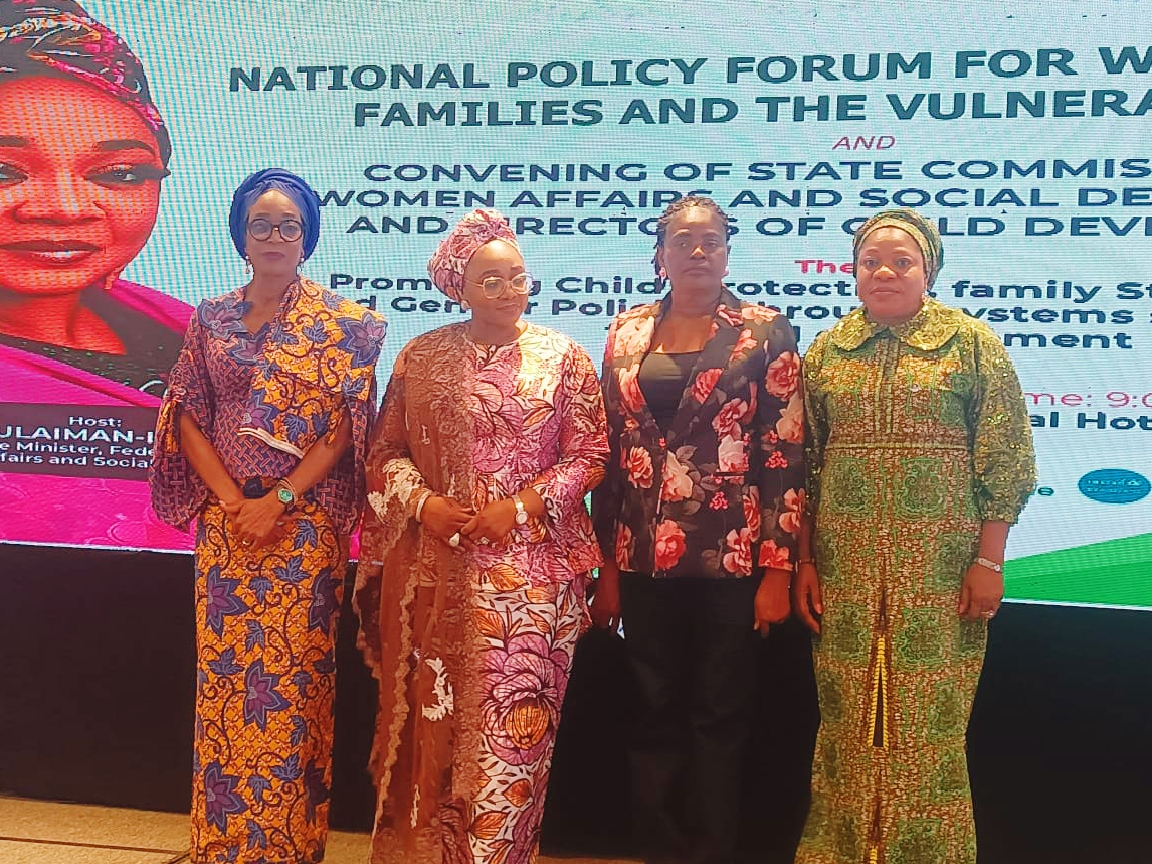
“The true strength of a nation is not measured by its gross domestic product alone, nor is it reflected merely in the height of its skyscrapers. The true strength of a nation is reflected in the lives it uplifts, the hope it inspires, and the protective embrace it extends to its women, children, families, and most vulnerable citizens,” she stated.
She described the validation exercise as a defining milestone under the Presidential Declaration of the Year of Families and Social Development, emphasizing that President Bola Ahmed Tinubu’s Renewed Hope Agenda requires governance to be measured by tangible improvements in the lives of citizens.
From Policy Commitments to Measurable Impact
The Minister revealed that a comprehensive diagnostic review conducted upon her assumption of office in October 2024 uncovered significant gaps between policy intentions and service delivery outcomes.
According to her, outdated policy frameworks, fragmented institutional coordination, and the absence of operational guidelines had weakened the nation’s ability to effectively protect vulnerable populations.
“There was a stark, unacceptable gap between policy intent and actual human outcomes.
What Nigeria required was a full-scale institutional and system renewal; a complete structural awakening,” she said.
She noted that the validation process was designed not merely to fulfill international obligations but to drive meaningful domestic reforms capable of delivering measurable impact across all levels of government.
The Reforms were across Four Strategic Pillars and validated over 40 policy instruments, spanning four key pillars—Women, Children, Families, and Vulnerable Populations.
Among the key frameworks validated are the National Boy Child Policy, Revised National Children Policy, National Family Policy, National Care Economy Policy, National Adoption Policy, National Policy on Management of Sexual and Gender-Based Violence and Sexual Assault Referral Centres, National Policy on Management of Orphanages, National Policy on Management of Crèches and Daycare Centres, and the newly developed Guidelines for Chaperones.
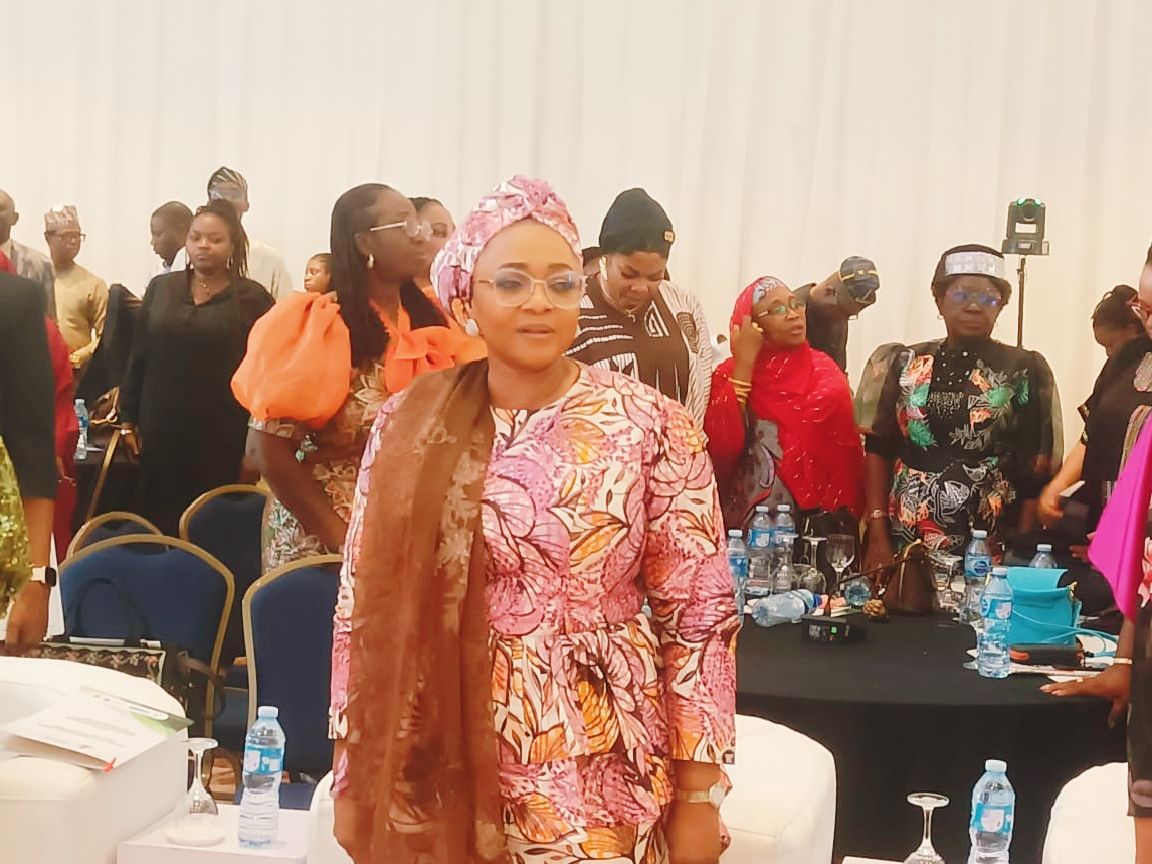
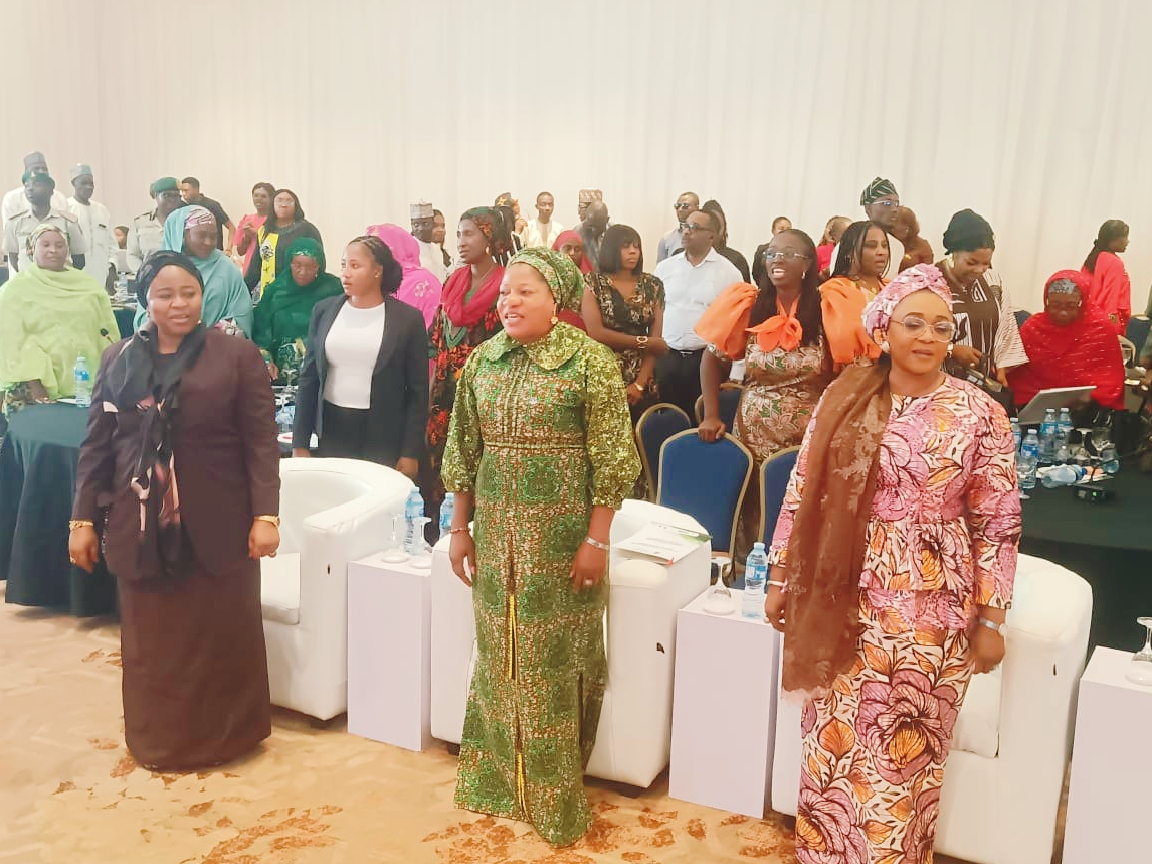
The Minister described the Guidelines for Chaperones as a groundbreaking accountability framework that closes longstanding safeguarding gaps affecting children and vulnerable individuals.
She further disclosed that the policies are supported by detailed implementation frameworks, including the planned revitalization of Women Development Centres in all 774 Local Government Areas and clearly defined accountability structures across federal, state, and local government levels.
The Minister revealed that both the Child Rights Act 2003 and the Violence Against Persons (Prohibition) Act 2015 are currently undergoing comprehensive legislative reviews to reflect emerging realities, technological advancements, and evolving forms of vulnerability.
“This aggressive modernization process is explicitly designed to capture rapid, emerging global trends, shifting technological realities, and new patterns of vulnerability, ensuring our legal framework remains ironclad, modernized, and responsive,” she stated.
The Minister explained that the validated frameworks will serve as the operational backbone of the Renewed Hope Social Impact Intervention (RHSII-774), a flagship programme designed to reach all 774 local government areas of the country.
The intervention focuses on nine pillars, including economic inclusion, digital literacy, financial empowerment, social protection, affirmative procurement, climate gender justice, child development, and institutional strengthening.
“By validating these modern frameworks today, we are pumping oxygen into RHSII-774, ensuring it has the policy ecosystem required to seamlessly deploy resources, establish standard operating procedures, and change lives across all 774 Local Government Areas,” she said.
The Minister also highlighted the role of the policies in supporting the Nigeria for Women Programme Scale-Up, implemented with support from the World Bank to expand women’s economic opportunities, strengthen household resilience, and promote rural development.
The Minister stressed that the true test of success lies not in policy adoption but in implementation and measurable outcomes at the grassroots level.
“.It will be measured by the security of a child in a rural village, the safety of a woman in a workplace, and the economic resilience of a family in our local government areas.”
She commended State commissioners, Development Partners, Civil Society Organizations, Technical Experts, Consultants, UNICEF, Save the Children, SOS Children’s Villages, and other stakeholders for their contributions to the process.
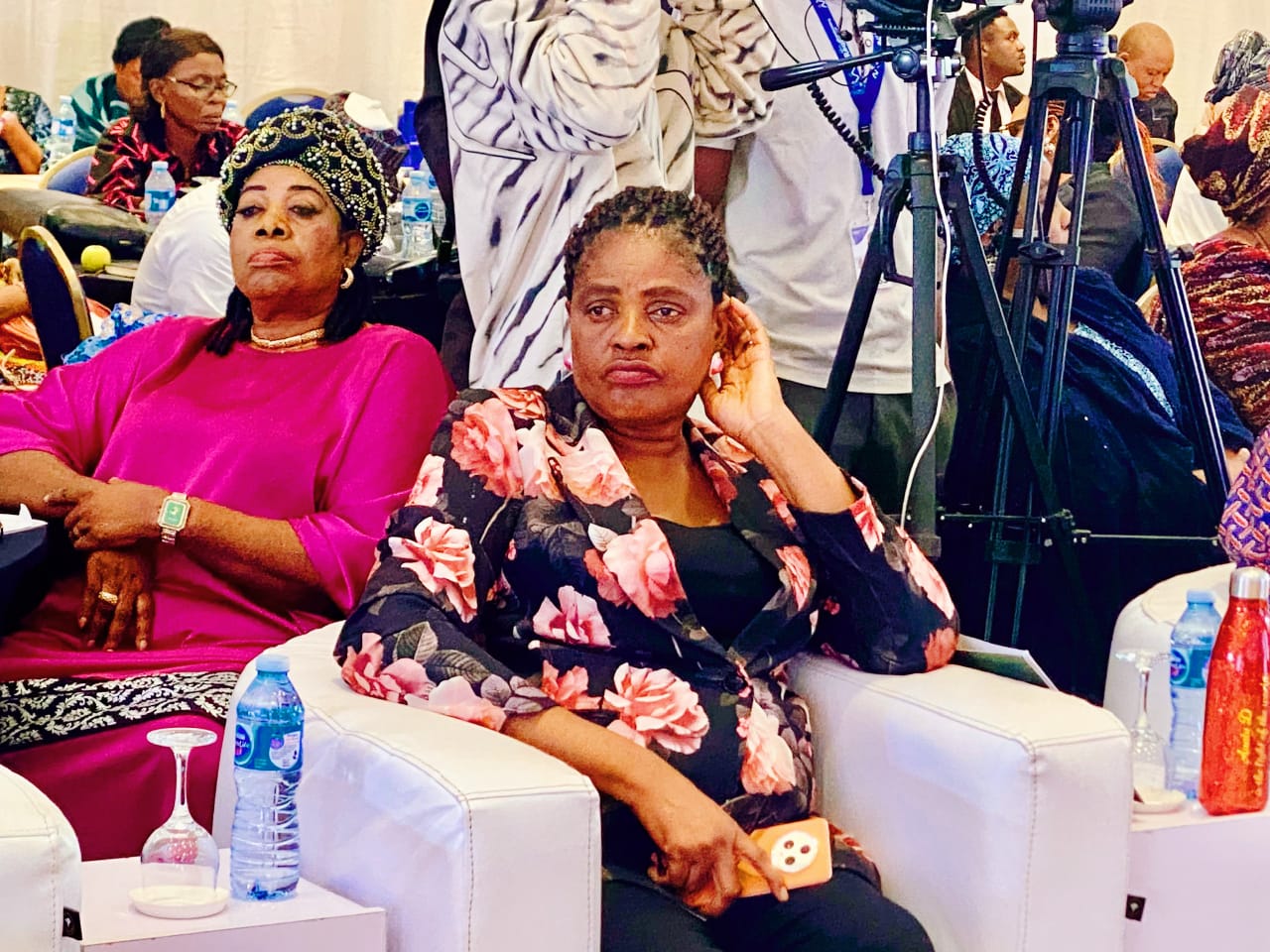
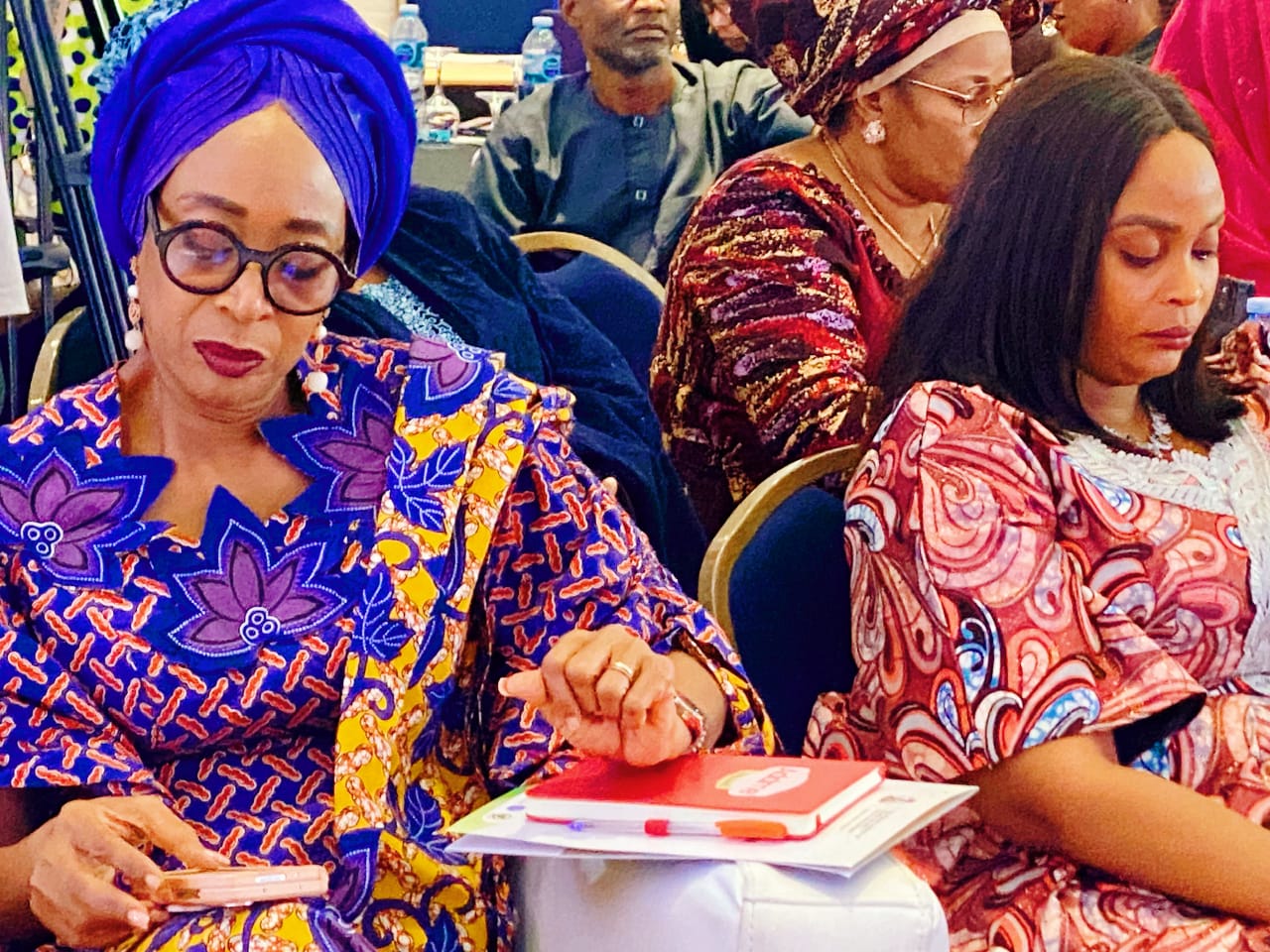
The Minister also urged social development professionals and civil servants to take advantage of training opportunities under the Sustainable Procurement, Environmental and Social Standards Enhancement Project (SPESSE) supported by the World Bank, describing workforce professionalization as essential for effective policy implementation.
She reaffirmed the Federal Government’s commitment to protecting every Nigerian child, empowering women, strengthening families, and ensuring that no vulnerable citizen is left behind.
“Together, we have rewritten the narrative of social administration in Nigeria, together, we have laid the foundation for a more inclusive, equitable, and resilient nation.”, She stressed.
Speaking on behalf of state governments, the Honourable Commissioner for Women Affairs and Social Development, Ondo State, Dr. (Mrs.) Seun Osamaye, described the validation exercise as a reaffirmation of Nigeria’s commitment to protecting women, children, vulnerable groups, and families.
“The periodic reports we are here to review and validate are more than statutory obligations to the United Nations. They are mirrors reflecting our collective progress, our challenges, and our resolve to do better.”
She highlighted Ondo State’s achievements through initiatives such as the BEMORE Empowered Initiative, GBV Response Network, and various family strengthening programmes, while pledging the state’s commitment to domesticate and implement all validated frameworks.
In her goodwill message, the Director-General of the National Emergency Management Agency (NEMA), Mrs. Zubaida Umar, who was ably Represented by Maryam Abubakar Yau, the
Desk Officer Gender, National Emergency Management Agency, underscored the importance of integrating human rights principles into disaster management and humanitarian response systems.
“This gathering is not merely a procedural exercise. It is a statement of national conscience. It is Nigeria standing before the community of nations and saying, plainly and with resolve: the lives of our women, our children, our families, and our most vulnerable communities matter — and we are accountable for them.”
The Director-General NEMA noted that women, children, and persons with disabilities often bear the heaviest burdens during emergencies and humanitarian crises.
She further disclosed that NEMA is currently developing its own Gender and Social Inclusion Policy, which will soon be presented for stakeholder review and validation.
Ahmed Lawan Danbazau Mnipr
Head, Press and Public Relations Dept.
FMWASD