

The Nigerian Government has reaffirmed its commitment to climate-smart livestock development and regional collaboration as Nigeria hosts a five-day Technical Working Group (TWG) Workshop on Climate Finance involving participants from Nigeria, Kenya and Zambia.
The workshop, facilitated by the German Agency for International Cooperation (GIZ) in partnership with the African Group of Negotiators Experts Support (AGNES), commenced on Monday, July 27, and will conclude on Friday, July 31, 2026.
Speaking today during a courtesy visit by participants to his office in Abuja, the Honourable Minister of Livestock Development, Idi Mukhtar Maiha, described the initiative as a practical demonstration of African cooperation and knowledge exchange in addressing climate challenges affecting the livestock sector.
The Minister commended Kenya and Zambia for sharing their experiences in climate-smart livestock development, noting that the partnership would enable Nigeria to accelerate its efforts in adopting sustainable livestock production systems while accessing global climate finance opportunities.
“The true spirit of African development is learning from one another. Climate change is a shared challenge, and we must work together to adopt smart, nature-based solutions that promote sustainable livestock production while improving livelihoods,” the Mukhtar said.
He further reaffirmed the Federal Government’s political commitment to supporting the Technical Working Group, assuring participants of continued backing for capacity building, regional exchanges and collaborative initiatives that would strengthen Nigeria’s participation in the global climate agenda.
Earlier, Team Lead of the TWG-Nigeria, Dr. Peter Alike, disclosed that the workshop is focused on equipping participants with practical skills in climate finance and proposal development to enable Nigeria secure funding for its Climate-Smart Livestock Programmes.
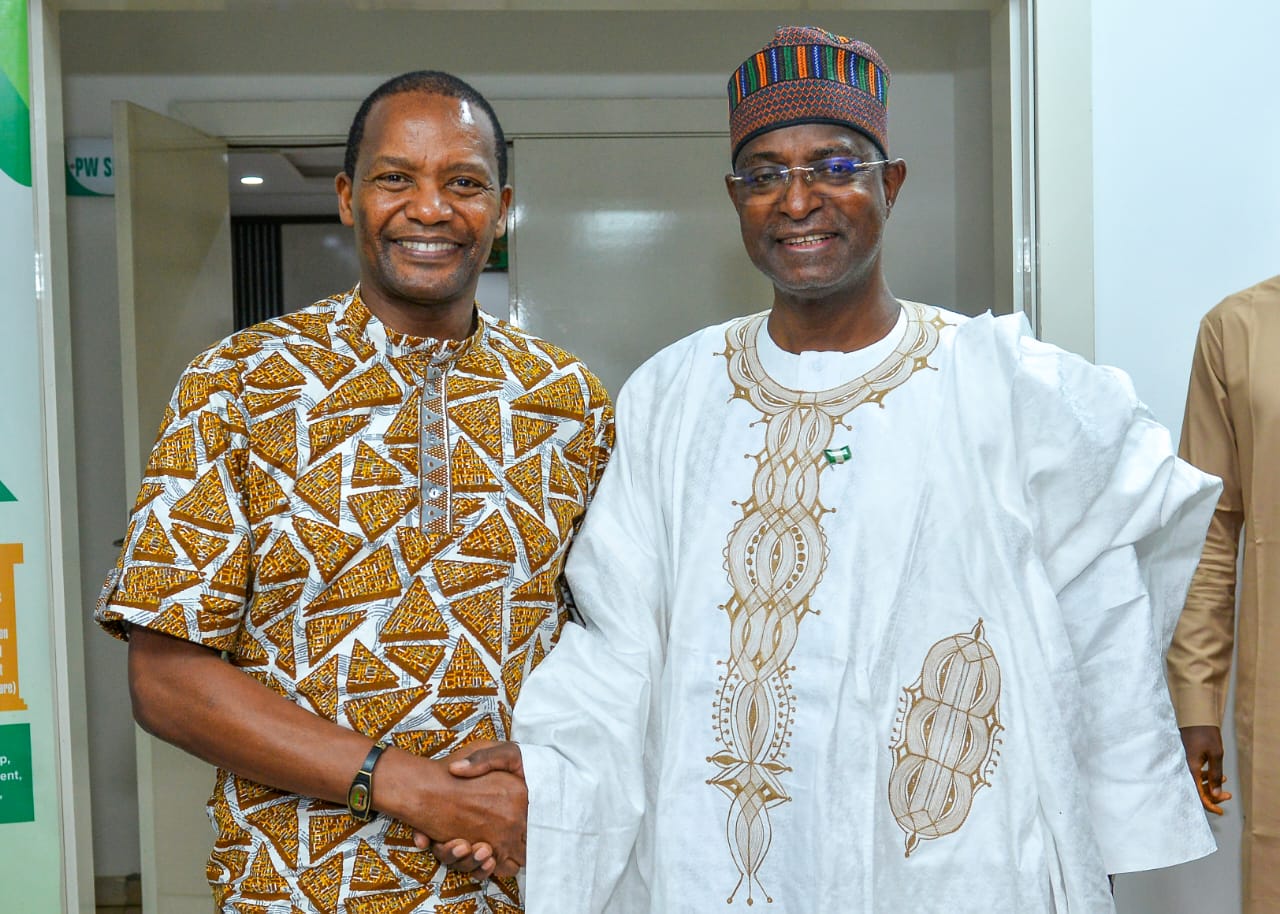
Similarly, Team Lead of the TWG-Kenya, Dr. Bernard Kimoro, described the regional engagement as a valuable platform for peer learning and innovation, noting that Kenya had also gained useful insights from Nigeria’s emerging livestock business models, particularly it’s digital livestock market systems.
GIZ Project Manager, Adekunle Adeoye, appreciated the Ministry for its strong support in implementing the project, noting that the Ministry’s Technical Working Group had demonstrated commitment throughout the training programme.
According to him, the project is also facilitating South-South knowledge exchange, including an upcoming study visit to Colombia and engagements with other African countries to adapt global best practices to local realities.
Also speaking, AGNES Country Director for Nigeria, Dr. David Awolala, commended the dedication of Nigeria’s Technical Working Group, describing its members as resilient and committed despite the rigorous nature of climate finance proposal development.
He revealed that AGNES is working with the African Development Bank and other funding windows to position Nigeria for grants that will support climate-smart livestock interventions, stressing that the objective extends beyond proposal writing to securing tangible resources for implementation.
As part of the programme, participants undertook a field visit to Manchong Integrated Farm in Nasarawa State, where they observed climate-smart livestock production systems designed to improve productivity while reducing environmental impacts and strengthening resilience to climate change.
Henrietta Okokon
Deputy Director, Information and Public Relations
30 July, 2026.