

The Federal Government has reaffirmed its commitment to strengthening Nigeria’s child protection system and translating its commitments on ending violence against children into measurable, adequately funded and accountable actions.
The commitment was made at the National Preparatory Meeting for Nigeria’s Participation at the Second Global Ministerial Conference on Ending Violence Against Children (EVAC), held in Abuja ahead of the global conference scheduled for November 18–19, 2026, in Manila, Philippines.
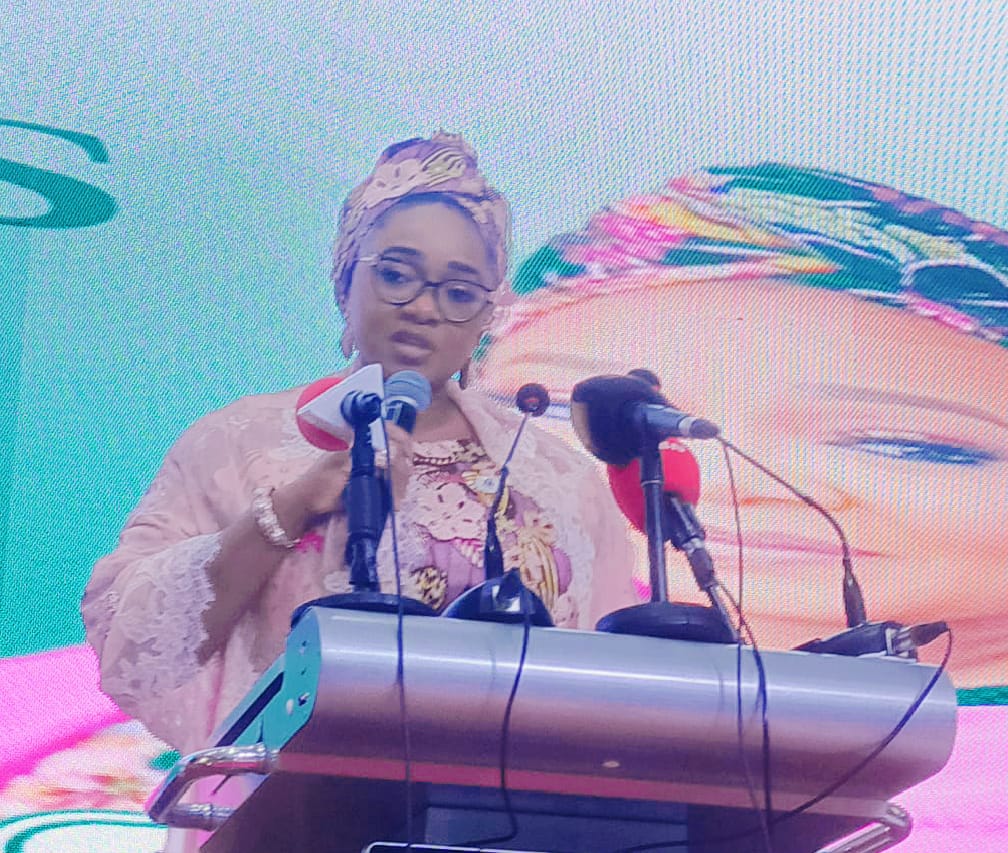
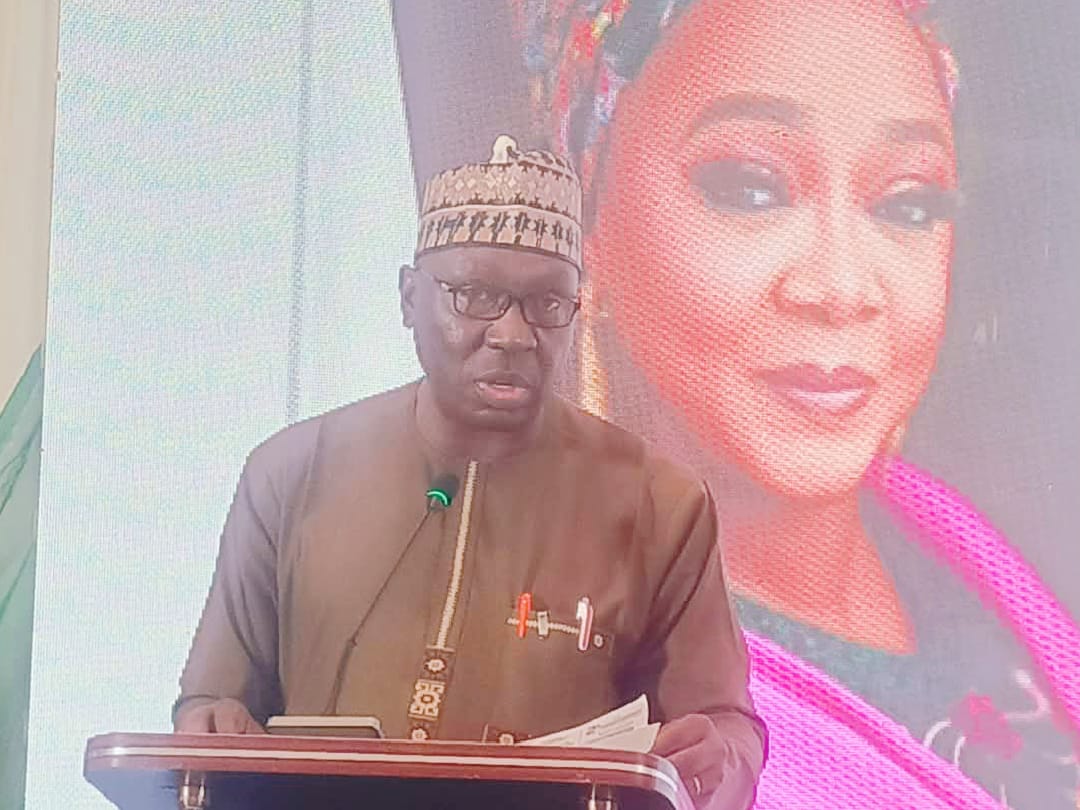
Honourable Minister of Women Affairs and Social Development, Hajiya Imaan Sulaiman-Ibrahim, fsi, was represented by the Director of Child Development, Mr. Ali Andrew Madugu, who delivered the Minister’s keynote address, stressing that the preparatory meeting was critical to consolidating Nigeria’s progress since the First Global Ministerial Conference held in Bogotá, Colombia, in 2024.
She said the meeting would enable Nigeria to confront remaining vulnerabilities, document progress and harmonise a strong national position before the international community.
According to the Minister, “We must transition decisively from activity-based reporting to results-based reporting. It is no longer sufficient to state that a sensitization campaign or stakeholder workshop was held; we must present verified data detailing geographical coverage, target versus actual beneficiaries reached, resources mobilized, and tangible outcomes achieved in preventing and responding to violence against children.”
She noted that the Federal Government’s commitment to child protection was reinforced by the declaration of 2026 as the Year of Families and Social Development, adding that strengthening the family remains central to preventing child abuse, neglect, exploitation and violence.
The Minister highlighted key areas of the Federal Government’s Renewed Hope Social Impact Interventions, including strengthening enforcement and child protection systems, accelerating implementation of the revised Child Rights Act, improving child protection data systems, promoting positive parenting, ensuring safe and non-violent learning environments, expanding alternative care and psychosocial support, strengthening digital safety and ensuring meaningful participation of children and young people in policy development.
Imaan further disclosed that the Federal Ministry of Women Affairs and Social Development had concluded the formal validation of critical national policies, Standard Operating Procedures and operational frameworks relating to child protection.
“These newly validated instruments, ranging from updated alternative care standards to streamlined reporting and referral protocols, represent a major qualitative leap forward. They move us away from fragmented approaches and establish enforceable operational benchmarks for all stakeholders nationwide,” she said.
The Minister called on Ministries, Departments and Agencies, civil society organisations, development partners and community leaders to provide comprehensive, timely and evidence-driven data that would form the foundation of Nigeria’s national report and commitments for the Manila Conference.
She said: “Let us work together with urgency and singular focus to ensure that Nigeria presents a robust, unified and impactful position in Manila.”
In her opening remarks, the Permanent Secretary, Federal Ministry of Women Affairs and Social Development, Mrs. Esuabana Nko Asanye, represented by the Deputy Director, Child Development, Mrs. Mariam Fitumi Shaibu, said the meeting was designed to take stock of Nigeria’s progress since the commitments made at the Bogotá Conference and coordinate the country’s participation in Manila.
The Permanent Secretary recalled that Nigeria made seven commitments in Bogotá covering parent and caregiver support; safe and enabling schools; response and support services; legal and policy reform; ending harmful practices; human, financial and infrastructure resources; and data and monitoring.
Esuabana, explained that the Manila Conference would provide Nigeria with an opportunity to share its experiences and progress, learn from other countries, strengthen international cooperation and reaffirm its commitment to ending violence against children.
She said the expected outcome of the national consultation was “an agreed Nigerian position and set of priority messages for the Manila Conference, as well as identification of specific commitments and actions Nigeria will present at the Conference.”
Mrs. Esuabana urged participants to ensure that Nigeria’s position was based on an honest assessment of achievements, implementation gaps and practical steps required to accelerate progress.
Also speaking, the Chief of Child Protection, UNICEF Nigeria, Natalie McCauley, emphasized the importance of placing children and young people at the centre of Nigeria’s preparations for Manila.
She said the consultation should assess progress against Nigeria’s Bogotá commitments, identify implementation gaps and agree on actions, budgets and measurable indicators of impact.
Ms. McCauley cited findings from the 2021 Nigeria Multiple Indicator Cluster Survey, which reported that nine in ten children aged 1–14 had experienced at least one form of violent discipline by caregivers, while only 57 percent of children under five had their births registered with civil authorities.
She stressed that violence against children occurs in homes, schools, institutions, communities and online, requiring a comprehensive child protection system capable of reaching children wherever they live.
According to her, “Ambitious pledges have value when they are costed, assigned and followed through.”
She called for stronger coordination among government institutions, development partners, civil society and communities, while emphasizng the need for meaningful and safe participation of children in decisions affecting their lives.
UNICEF, she said, remained committed to supporting the Government of Nigeria and its partners to strengthen evidence, the social service workforce, child protection services and financing.
In her remarks, the Acting Director, Programme Development, Impact & Influencing, Save the Children Nigeria, Mrs. Yemisi Erhunmwunse, reaffirmed the organisation’s commitment to supporting Nigeria’s efforts to protect children from violence, abuse, neglect, exploitation and harmful practices.
She said ending violence against children required political commitment, adequate resources, strong systems, effective services and the active participation of children.
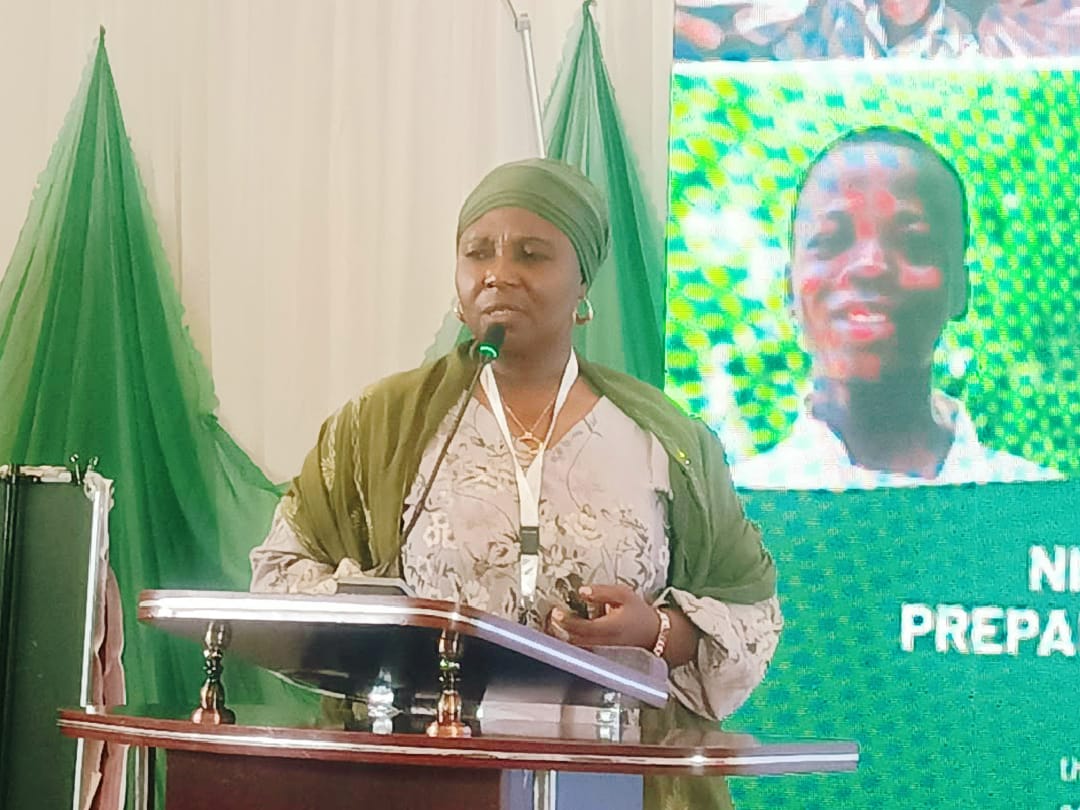
“Commitments are only meaningful when they translate into action,” she stated, urging stakeholders to develop clear, realistic and measurable commitments backed by ownership, financing and accountability.
Mrs. Erhunmwunse also stressed the importance of meaningful child participation, noting that children’s voices should not merely be heard but should help shape policies, programmes, investments and decisions affecting their lives.
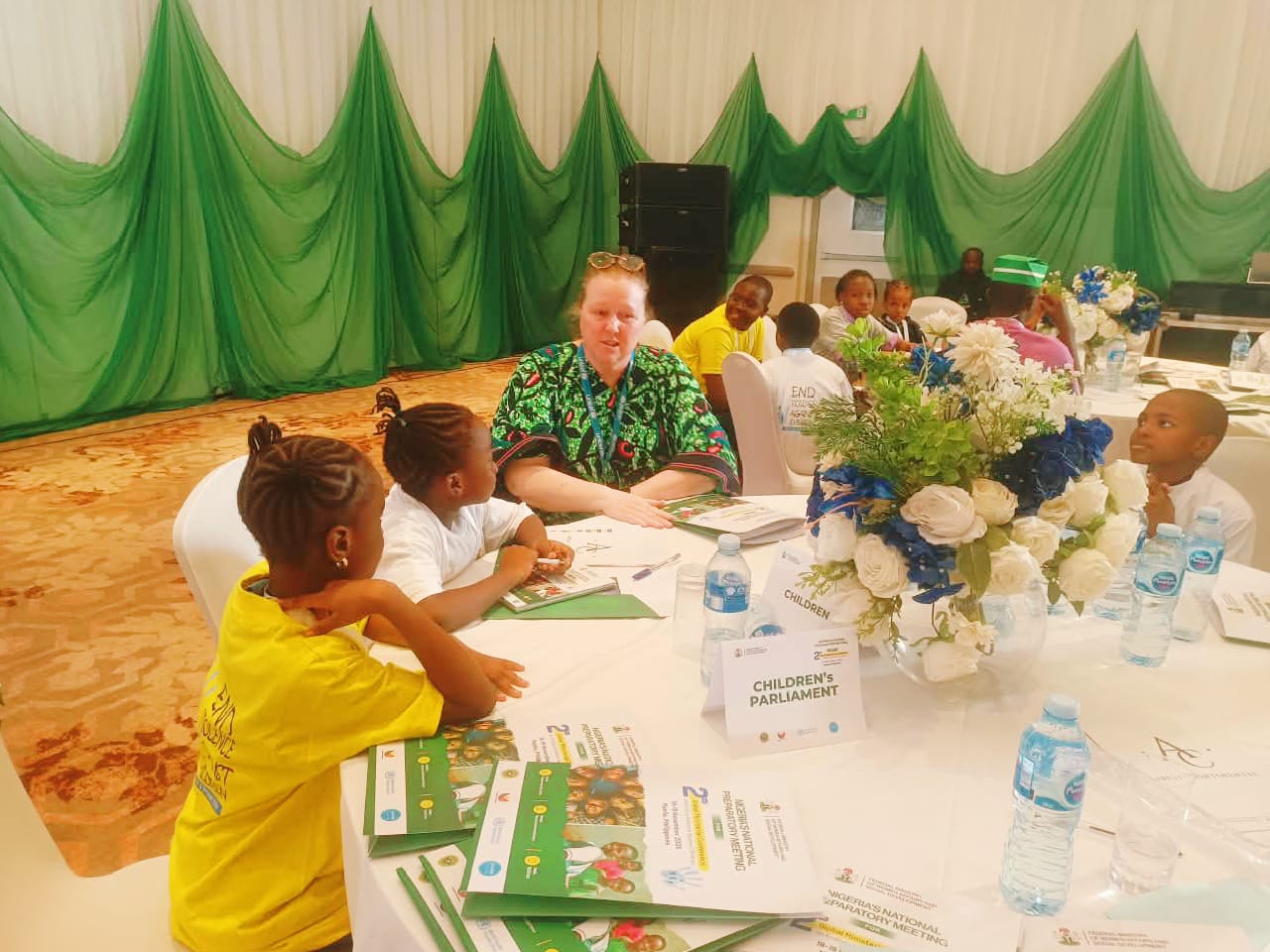
The consultation also featured strong recommendations from the Speaker of the National Children’s Parliament, Rt. Hon. Progress Friday Umoh, who presented children’s priorities and recommendations for Nigeria’s engagement at the Manila Conference.
The children’s recommendations focused on safe and enabling schools; stronger families and social protection; effective implementation of child protection laws; protection of children in the digital age; meaningful child participation and reliable data; protection of children from insecurity; and stronger economic stability and support for farmers.
The National Children’s Parliament called on governments to make schools safe, inclusive and non-violent, strengthen families through social protection and decent livelihoods, ensure transparent funding and accountability for child protection laws, and integrate digital literacy and online safety into education.
The children further urged governments to ensure that every report of violence results in meaningful protection and action, while calling for reliable data to identify children being left behind and measure whether government commitments are improving their lives.
They also advocated stronger child-centred security systems around schools and communities, early-warning and rapid-response mechanisms, as well as coordinated protection measures to ensure that children do not have to choose between their education and their safety.
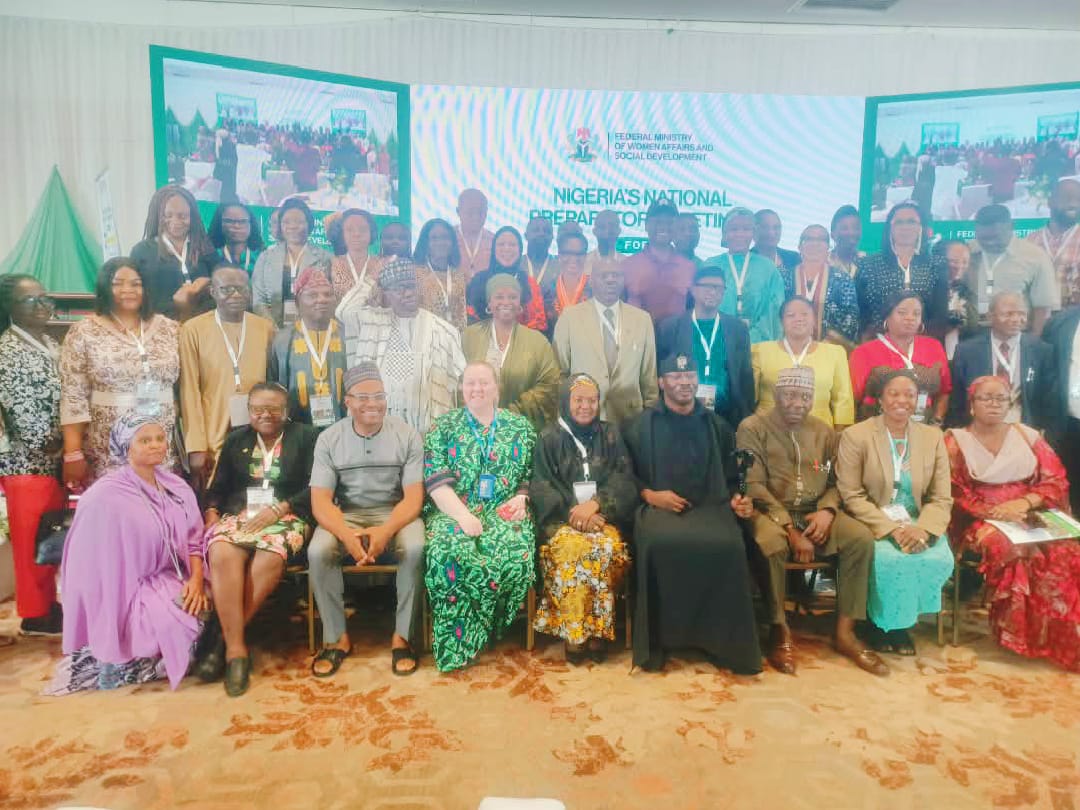
The consultation brought together representatives of government Ministries, Departments and Agencies, development partners, civil society organisations, traditional and religious leaders, as well as children and young people.
Ahmed Lawan Danbazau Mnipr
Head, Press and Public Relations Dept.
FMWASD