

The Federal Government has reaffirmed its commitment to accelerating malaria elimination in Nigeria, announcing plans to advance policy measures for the large-scale introduction of Perennial Malaria Chemoprevention (PMC) as a strategic intervention to protect children under two years of age in areas with year-round malaria transmission.
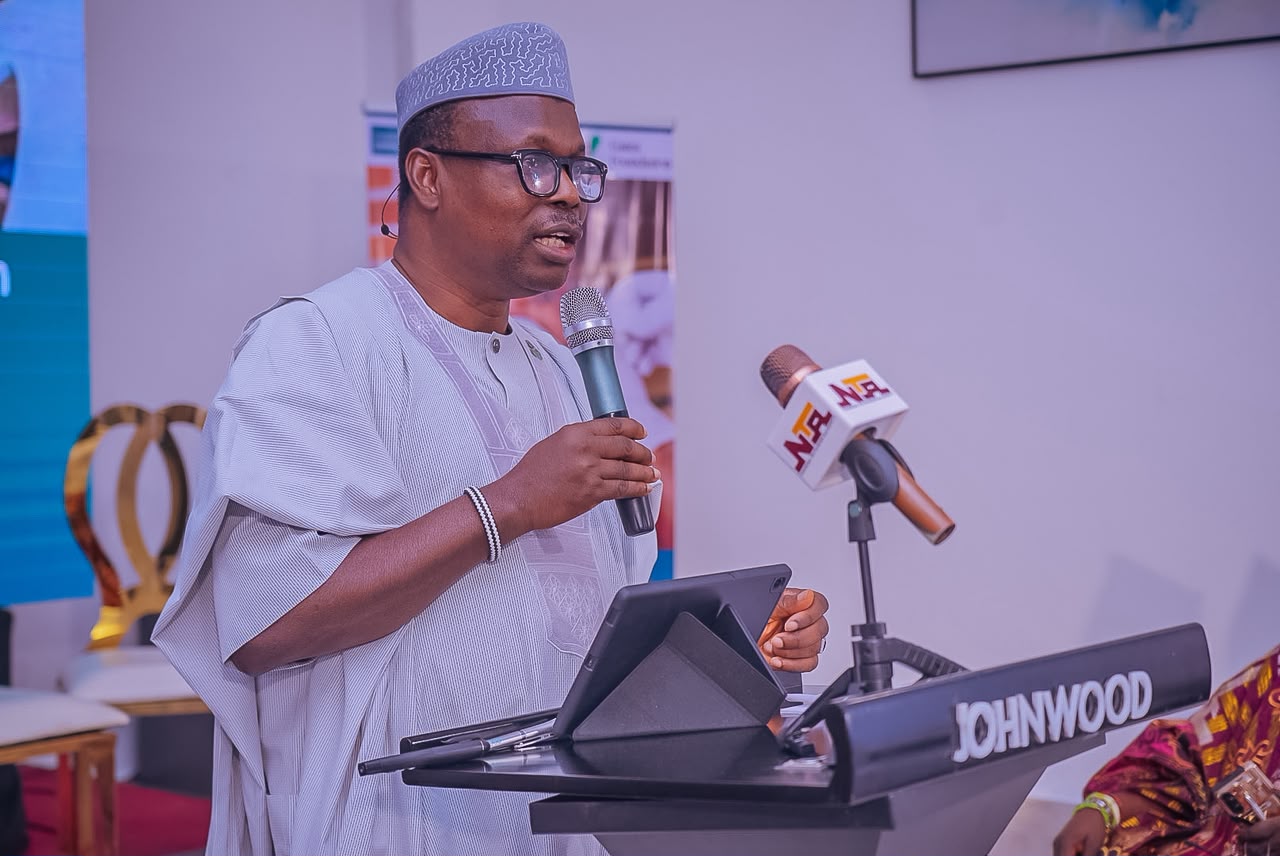
The Honourable Minister of State for Health and Social Welfare, Dr. Iziaq Adekunle Salako, made this known while delivering the keynote address at the Perennial Malaria Chemoprevention (PMC) Dissemination Meeting held on Wednesday, 5th August 2026, in Abuja.
Dr. Salako described the dissemination meeting as a significant milestone in Nigeria’s pursuit of innovative, evidence-based and data-driven solutions to malaria elimination, noting that the implementation research provides critical evidence to guide national policy on the adoption of Perennial Malaria Chemoprevention (PMC).
He recalled that the study commenced in 2023 following the inclusion of the intervention in the National Malaria Strategic Plan (2021–2025), pointing out that through the National Malaria Elimination Programme (NMEP), the Federal Ministry of Health and Social Welfare piloted PMC,formerly known as Intermittent Preventive Treatment in Infants and in states not eligible for Seasonal Malaria Chemoprevention (SMC).
“This initiative sought to generate evidence to inform policy adoption for an intervention that would help protect children under 24 months in regions with perennial malaria transmission.” He reiterated.
The Minister explained that the intervention aligns with the World Health Organization’s recommendation for malaria-endemic countries to complement existing malaria control measures, including vector control, prompt diagnosis and treatment, surveillance, and preventive interventions.
Dr. Salako assured that the Ministry would continue implementing the National Malaria Strategic Plan (2026–2030), strengthen health systems, integrate malaria services, and optimise available resources to improve health outcomes for Nigerians.
Reaffirming the unwavering commitment of President Bola Ahmed Tinubu, GCFR, to improving the health and well-being of Nigerians through stronger public health systems, Dr. Salako said malaria elimination remains a strategic national priority under the Renewed Hope Agenda.
Highlighting Nigeria’s progress in malaria control, Dr. Salako disclosed that findings from the 2025 Nigeria Malaria Indicator Survey showed malaria prevalence had declined significantly from 42% in 2010 to 15% in 2025, demonstrating the impact of sustained government interventions and strong partnerships.
He, however, observed that despite the encouraging progress, Nigeria still accounts for 24.3 % of global malaria cases and 30.3% of malaria-related deaths, underscoring the need to intensify efforts toward eliminating the disease.
According to him, the evidence generated from the Perennial Malaria Chemoprevention implementation research would support informed decision-making on adopting the intervention as part of a targeted sub-national strategy, particularly in southern states where malaria transmission occurs throughout the year.
He further noted that today’s deliberations would also provide an opportunity to advance equity in malaria prevention by extending effective chemoprevention to children in regions that do not benefit from Seasonal Malaria Chemoprevention, an intervention that has contributed significantly to reducing under-five mortality in northern Nigeria.
Dr. Salako further directed the Department of Public Health and the National Malaria Elimination Programme to commence the necessary policy processes that would enable the wider introduction of Perennial Malaria Chemoprevention across the country while also undertaking further assessment of the intervention’s cost-effectiveness to support sustainable implementation.
The Minister appreciated the research teams that conducted the field study, describing the findings as highly promising and capable of shaping the next phase of Nigeria’s malaria elimination agenda, and commended the Gates Foundation, Malaria Consortium, development partners, collaborating Federal Government agencies, state governments and frontline health workers for their invaluable contributions to the successful implementation of the research.
The Minister urged all stakeholders to translate the evidence generated into concrete actions that would accelerate progress towards a malaria-free Nigeria.
Signed
Ado Bako
Assistant Director, Information & Public Relations
5/8/2026.