


…….Alausa advances Tinubu’s Renewed Hope Agenda through stronger accountability, coordinated oversight and timely resolution of labour issues in tertiary institutions.
The Federal Government has expanded the Implementation Monitoring Committee (IMC) to ensure the effective and timely implementation of agreements reached with organised labour across universities, polytechnics and colleges of education, reinforcing efforts to sustain industrial harmony in Nigeria’s tertiary education sector.
The initiative, driven by the Federal Ministry of Education under the leadership of the Honourable Minister of Education, Dr. Maruf Tunji Alausa, CON, aims to translate negotiated commitments into tangible outcomes, reduce avoidable industrial disputes and safeguard teaching, learning and research, in line with President Bola Ahmed Tinubu’s Renewed Hope Agenda.
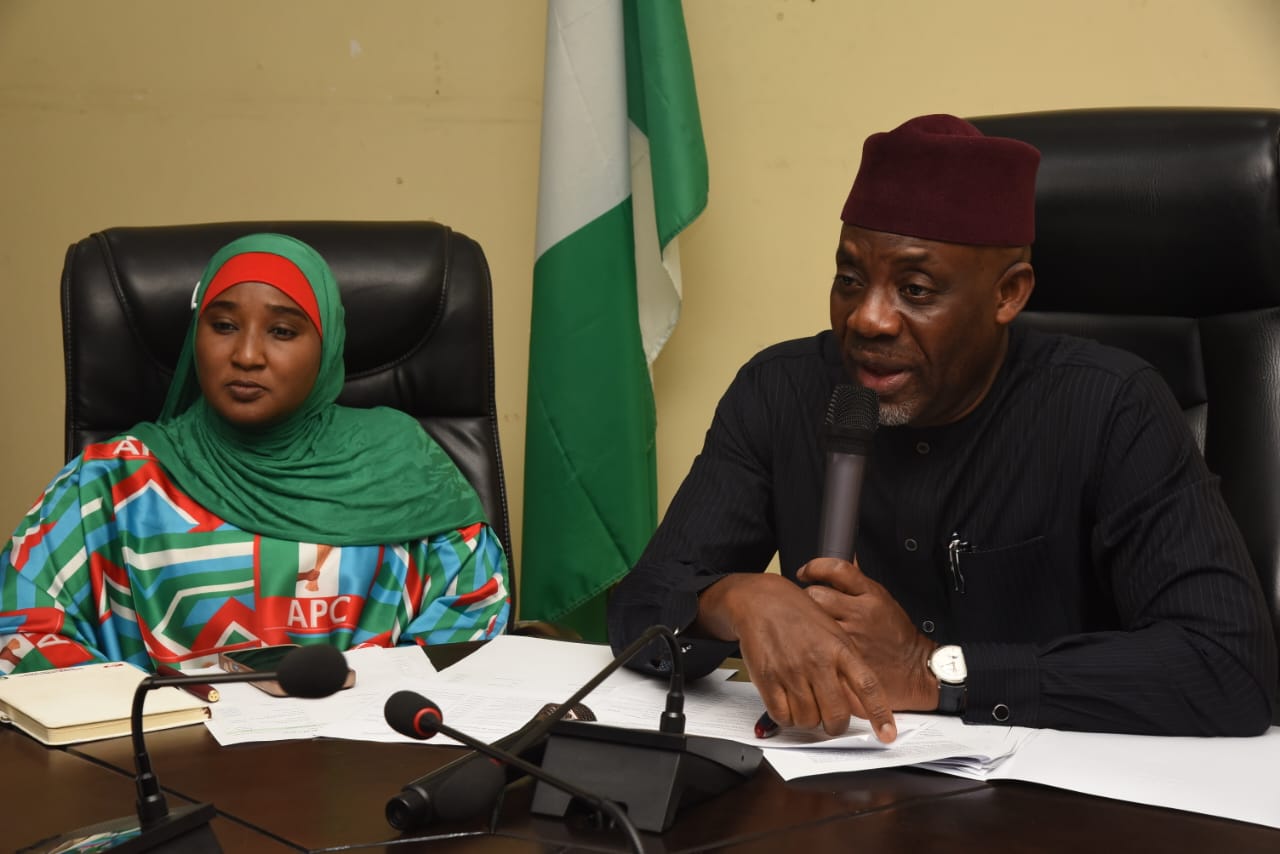
Speaking at the inauguration of the expanded IMC in Abuja on Wednesday, Dr. Alausa said the Federal Government had learnt from past experiences and was adopting a systematic approach to monitoring agreements with labour unions. He stressed that signing agreements was not enough, as sustained industrial harmony required accountability, consistent follow-through and prompt resolution of outstanding commitments.
The Minister attributed the negotiation of agreements with 16 labour unions within approximately one year to the consolidation of previously fragmented negotiating teams into a single, expanded structure. He explained that this approach had improved coordination, preserved institutional memory and facilitated the resolution of common concerns while ensuring appropriate attention to sector-specific issues.
He noted that the expanded IMC would track government commitments, identify implementation bottlenecks and refer unresolved matters to the appropriate authorities. The framework would bring together the Federal Ministries of Education, Labour and Employment, Justice, and Finance, alongside relevant agencies and regulatory bodies, to strengthen inter-agency collaboration and accountability. Dr. Alausa also emphasised confidentiality in engagements with individual unions to facilitate focused discussions and effective resolution of outstanding concerns.
The Minister of State for Education, Prof. Suwaiba Sa’idu Ahmad, called for sustained cooperation among government representatives, institutional management and organised labour. She urged stakeholders to embrace constructive dialogue, mutual understanding and shared responsibility to resolve disagreements before they escalate into industrial disputes.
She expressed confidence that the expanded mechanism would strengthen stakeholder engagement, build mutual trust and promote stability across the tertiary education system.
In his remarks, the Chairman of the IMC, Senator Olarewaju Tejuoso, stressed that the value of collective agreements depended on their effective, timely and meaningful implementation. He said the committee would monitor government commitments, identify implementation gaps, facilitate the resolution of outstanding issues and recommend appropriate action to relevant authorities.
Senator Tejuoso disclosed that the Central Implementation Monitoring Committee would establish five standing Sectoral Implementation Monitoring Committees (SIMCs) to address concerns affecting academic, non-academic and technical staff unions across the tertiary education subsectors. Comprising representatives of relevant government agencies and affected unions, the committees would provide structured platforms for sector-specific engagement, coordinated monitoring and follow-up on agreed commitments.
The expanded framework is designed to promote transparency, accountability and effective communication between government and organised labour, reduce disputes arising from implementation gaps, protect the academic calendar and minimise disruptions to teaching, learning, research and other essential academic activities.
The Federal Ministry of Education reaffirms its commitment to collaborating with relevant government agencies, tertiary institutions and recognised labour unions to strengthen industrial relations, consolidate the gains of dialogue and negotiation, and promote a stable and productive academic environment.
The initiative marks a significant step towards ensuring continuity and quality in tertiary education and developing⁶ the skilled workforce required for Nigeria’s national development, in furtherance of President Tinubu’s Renewed Hope Agenda.
Boriowo Folasade
Director, Press and Public Relations