

The Bureau of Public Procurement (BPP) has called for stronger civil society participation in monitoring Nigeria’s public procurement system, stressing the need for citizens to play a more active role in demanding value for public expenditure.
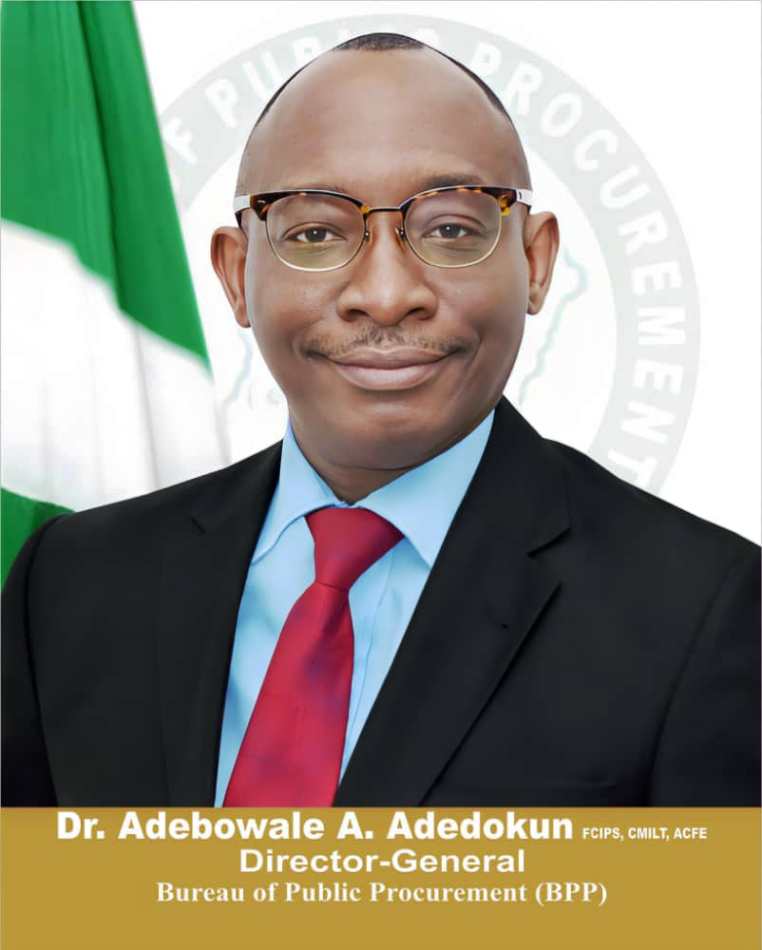
The Director-General of the BPP, Dr. Adebowale Adedokun made the call in Abuja at the inaugural forum of the Advocate for the Promotion of Transparent Procurement Initiative (APTPI), themed “2023 Budget Oversight: Navigating Procurement Risk in a N68.3 trillion Fiscal Era.”
Adedokun congratulated APTPI on establishing a platform for professional and evidence-based engagement, noting that citizens remain the ultimate beneficiaries of government procurement
He urged Civil Society Organisations (CSOs) to serve as independent observers by monitoring procurement processes, documenting their findings, and submitting credible observations to the appropriate authorities.
According to him, procurement should not be treated merely as an administrative procedure but as a tool for delivering Nigeria’s broader economic and social development objectives.
“An effective procurement system promotes value for money, competition and sustainable development. Stronger procurement outcomes will also improve citizens’ confidence in government,” he said.
The BPP DG also identified effective procurement planning as critical to reducing waste and improving public expenditure outcomes. He highlighted the importance of proper record-keeping, market surveys, cost benchmarking and contract monitoring, stressing that procurement planning must precede procurement activities.
He also said government institutions would increasingly be expected to demonstrate the effectiveness of previous budget implementation before new projects are admitted into the budget process. According to him, this approach would strengthen the link between budget allocation, procurement decisions and the actual results delivered to citizens.
While noting that the Bureaus’ price intelligence mechanisms are key tools for controlling procurement costs, Adedokun disclosed that procurement reforms implemented had generated substantial savings, with about N1.1trillion reported saved in the first 11 months of 2025 through improved processes, benchmarking and stronger controls.
He listed some of the implemented reforms to include digitalisation of procurement processes, wider publication of procurement opportunities and contract awards, professionalisation of procurement personnel and development of the standard bidding documents.
Speaking further, the BP DG said Nigeria’s procurement system must move towards greater openness and competition, stressing that selective tendering should no longer be treated as the norm. He added that the responsibility for strengthening procurement integrity rests with all stakeholders in the procurement process, including procuring entities, contractors, consultants and procurement professionals.
Earlier, the Secretary of APTPI Board, Ayorinde Dola-Johnson, said it would focus on evidence-driven monitoring, access to procurement information and constructive engagement with public institutions.
Earlier, the Secretary of the APTPI Board, Ayorinde Dola-Johnson, said the organisation would focus on evidence-driven monitoring, access to procurement information and constructive engagement with public institutions.
He said APTPI’s approach would remain non-partisan and professionally independent, with its success measured by the procurement challenges it helps prevent, the reforms it advances, and the improvements it contributes to in the value Nigerians derive from public spending.
Ngozi Anyaelezu
Assistant Chief Information Officer
Bureau of Public Procurement
August 20, 2026.