

………Initiative aims to expand access to government contracts, create opportunities for small businesses through digital learning — DG
The Bureau of Public Procurement (BPP) has launched a free digital training portal to equip Micro, Small and Medium Enterprises (MSMEs) with the knowledge and skills required to access government contracts, expand business opportunities and contribute to national economic growth.
The portal, launched in Abuja on Tuesday, was developed with support from the World Bank under the Sustainable Procurement, Environmental and Social Standards Enhancement (SPESSE) Project. It features five interactive training modules, practical examples, quizzes and a certificate of completion, accessible through computers, tablets and smartphones. The platform is also optimised for users with limited internet connectivity.
Speaking at the launch, the Director-General and Chief Executive Officer of the BPP, Dr. Adebowale Abraham Adedokun, FCIPS, said the initiative would address longstanding challenges confronting MSMEs, including inadequate information, documentation difficulties and limited understanding of procurement procedures, contractor registration and bidding requirements.
He noted that MSMEs account for approximately 96 per cent of businesses in Nigeria and contribute about 50 per cent of the country’s Gross Domestic Product (GDP), stressing that their participation in public procurement was essential to economic growth, employment generation and enterprise development.
According to him, “the training would guide participants through the entire procurement cycle, from identifying opportunities and preparing competitive bids to contract execution and performance”.
Adedokun emphasised that public procurement was a strategic instrument for delivering public services, stimulating economic activity and promoting sustainable development. He added that the Bureau was reviewing barriers to MSME participation, in line with President Bola Ahmed Tinubu’s approval for Community-Based Public Procurement and Affirmative Procurement initiatives.
He explained that the initiative would also support women-owned businesses, youth entrepreneurs, persons with disabilities and veterans, while clarifying that completing the training would not guarantee contract awards. Rather, it would prepare businesses to compete fairly within a transparent and accountable procurement system.
Adedokun acknowledged the contributions of SMEDAN, the Bank of Industry (BOI), the NOA, relevant ministries, development partners, professional and business associations, the media, civil society organisations and state procurement regulatory bodies.
He also recognised the support of the Economic and Financial Crimes Commission (EFCC), the Independent Corrupt Practices and Other Related Offences Commission (ICPC) and the Code of Conduct Bureau (CCB) in procurement oversight, intelligence sharing and measures to safeguard public resources.
The launch represents a significant step towards widening MSMEs’ access to government procurement opportunities. However, the initiative’s success will depend on effective nationwide awareness, accessibility of the training and the extent to which improved knowledge translates into greater participation in competitive bidding opportunities and government contracts.
The Honourable Minister of State for Industry, Trade and Investment, Senator John Owan Enoh, who represented President Tinubu, commended the BPP for introducing the platform, describing it as a significant step towards removing administrative barriers, formalising small businesses and promoting inclusive economic growth.
The President noted that many eligible businesses had struggled to access government contracts and intervention funds because of difficulties navigating documentation and administrative requirements. He expressed confidence that the portal would bridge these knowledge gaps and enable more Nigerian businesses to participate effectively in public procurement.
Similarly, the Special Adviser to the President on Job Creation and MSMEs, Mr. Tenitawa Adekunle Johnson, disclosed plans to dedicate 50 per cent of a private-sector fund secured by his office to initiatives supporting small businesses. He said his office would collaborate with the Ministry of Industry, Trade and Investment, the Small and Medium Enterprises Development Agency of Nigeria (SMEDAN) and other relevant institutions to advance the proposed arrangement.
The Honourable Minister of Youth Development, Comrade Ayodele Olawande, also commended the initiative, describing it as an opportunity to strengthen digital learning, youth entrepreneurship and job creation.
He highlighted his ministry’s target of training seven million Nigerian youths, emphasising the importance of inter-agency collaboration in translating skills development into economic opportunities.
Speaking also, the Director-General of the Small and Medium Enterprises Development Agency of Nigeria (SMEDAN), Mr. Charles Odii described the portal as “a practical step towards making government procurement more accessible to entrepreneurs”.
He said many small businesses had the capacity to execute public contracts but lacked adequate information about procurement requirements and bidding procedures. He added that the initiative aligned with President Bola Tinubu’s Nigeria First policy and the National Policy on MSMEs, which promotes public procurement as a pathway to business growth and local economic development.
The SMEDAN chief disclosed that Nigeria had an estimated 10,964,185 nano, micro, small and medium businesses, noting that enabling them to compete fairly for government contracts would expand business opportunities and strengthen the local economy.
In a related development, the Director-General of the National Orientation Agency (NOA), Mallam Lanre Issa-Onilu, pledged the agency’s support for nationwide awareness campaigns to encourage MSMEs to access the portal. He said the NOA would sensitise businesses, promote ethical procurement practices and communicate procurement procedures and requirements to improve participation.
The Chairman of the Forum of State Directors-General of Public Procurement Agencies and Bureau, Mr. Ehimoni Jagun Ibiyomi, who is also the Director-General of the Kogi State Bureau of Public Procurement, equally pledged the forum’s support for extending the initiative to businesses across the states. He commended the BPP and the World Bank, noting that accessible training, transparency and fair competition would strengthen local enterprises and promote inclusive economic growth.
Meanwhile, the World Bank Country Director, Matthew Verghis, said MSMEs account for approximately 96 per cent of businesses and contribute around 50 per cent of Nigeria’s gross domestic product but continue to face barriers to public procurement.
He asserted that the training portal would help address these challenges, promote competition, improve the use of public resources and support job creation.
The Regional Procurement Practice Manager for Western and Central Africa at the World Bank, Nazneen Ismail Ali, stressed that the initiative should improve the ability of small businesses to submit competitive bids and secure public contracts.
Ali said MSMEs account for nearly 88 per cent of employment in Nigeria but remain underrepresented in public procurement.
She urged the BPP and its partners to monitor whether trained businesses submit better-quality bids, win more contracts and create jobs, with particular attention to women-led enterprises. She added that the World Bank was supporting the development and rollout of Nigeria’s Federal Electronic Government Procurement system to modernise the procurement process.
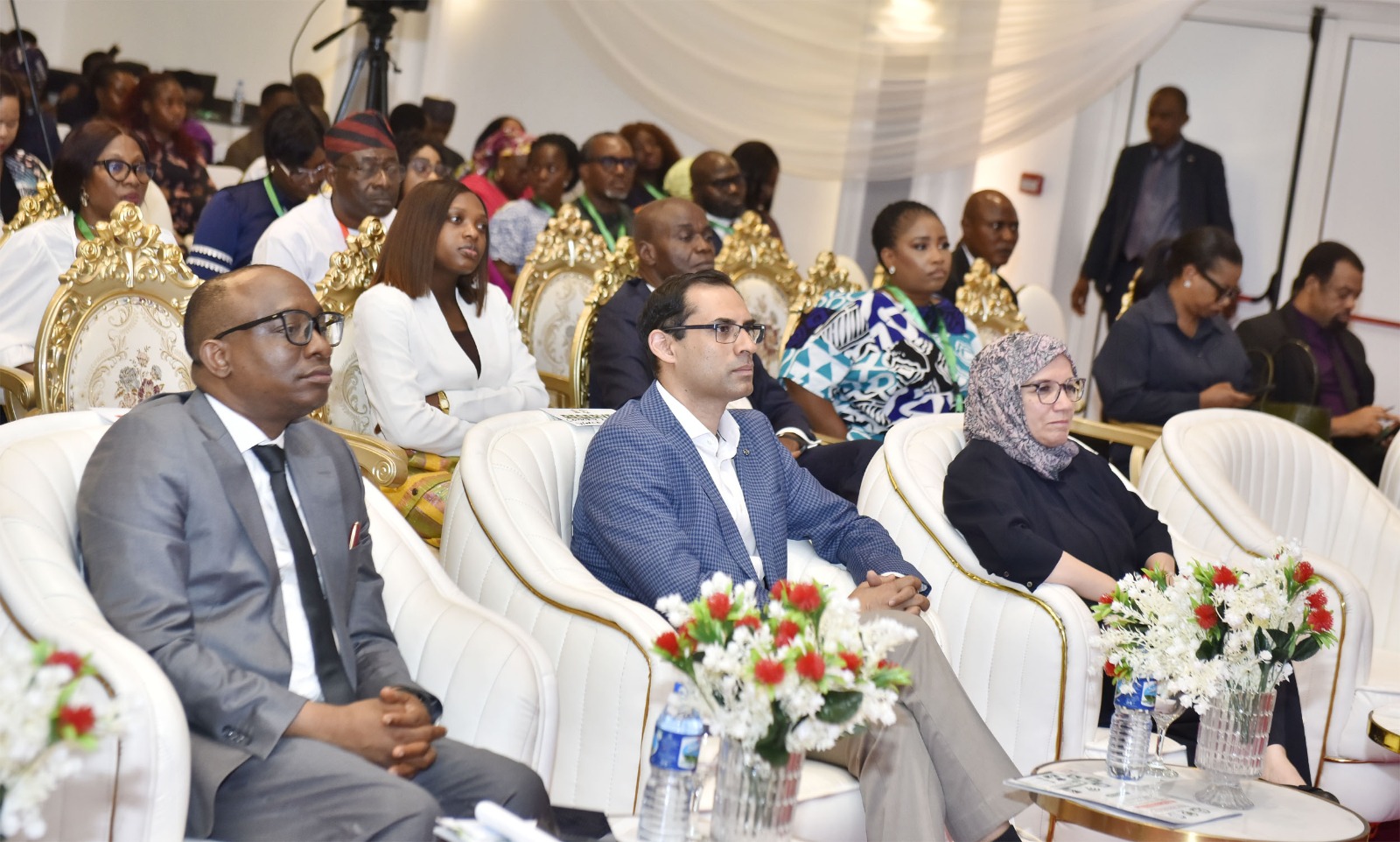
Other development partners, in their goodwill messages, commended the Bureau’s commitment to procurement reforms and enterprise development, highlighting the importance of strategic partnerships, capacity building, and stakeholder collaboration in expanding MSME participation.
The highlight of the event was the unveiling of the official portal, which was led by the Minister of State for Industry, Trade and Investment, Senator John Owan Enoh, and supported by the DG BPP, Dr. Adebowale A. Adedokun, FCIPS, alongside other distinguished dignitaries.
Chijioke-Adindu Ijeoma
Head (Information & Public Relations)
October 28, 2026