

….…Alausa unveils digital, evidence-based system for continuous quality assurance.
The Federal Government has commenced major reforms of the accreditation and quality assurance system for tertiary institutions, with a resolve to end the practice of institutions temporarily borrowing academic staff, equipment and facilities to meet accreditation requirements.
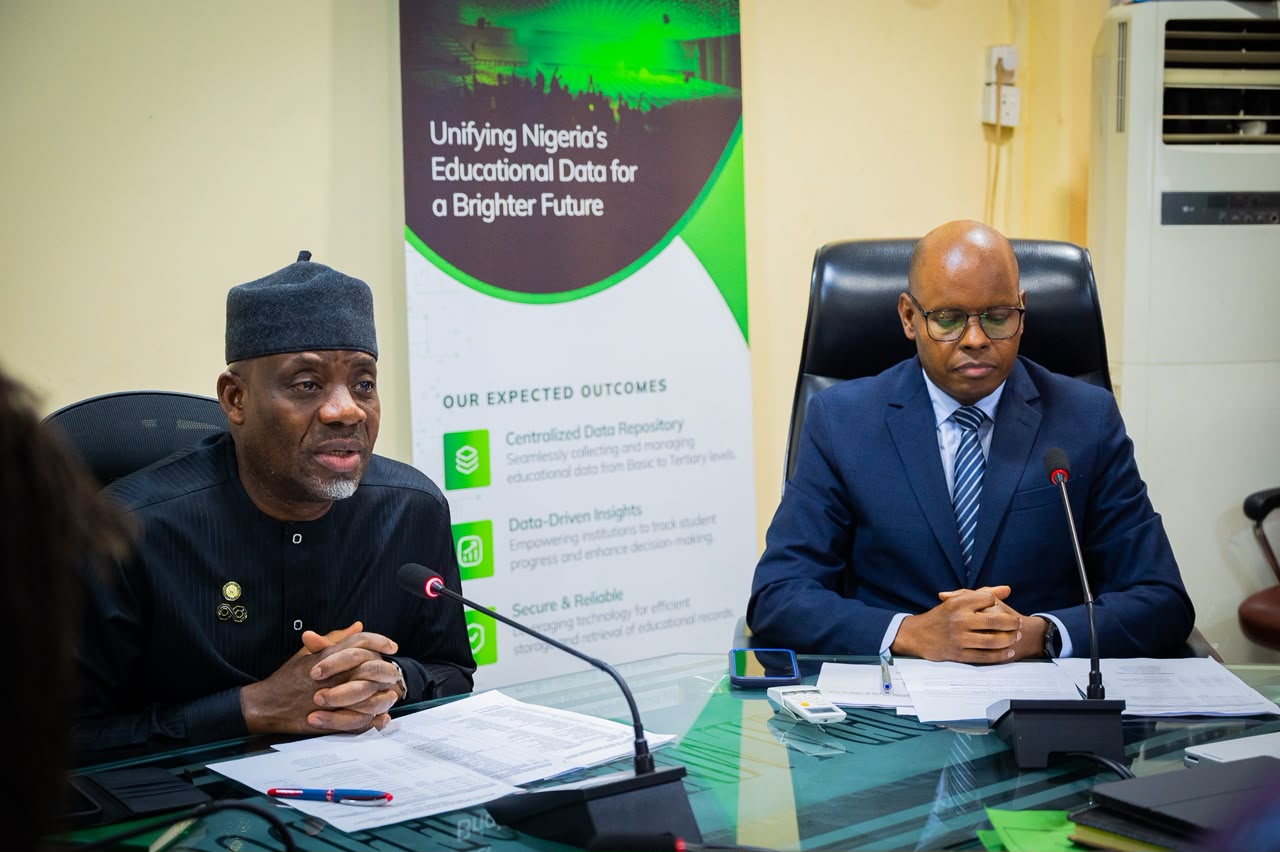
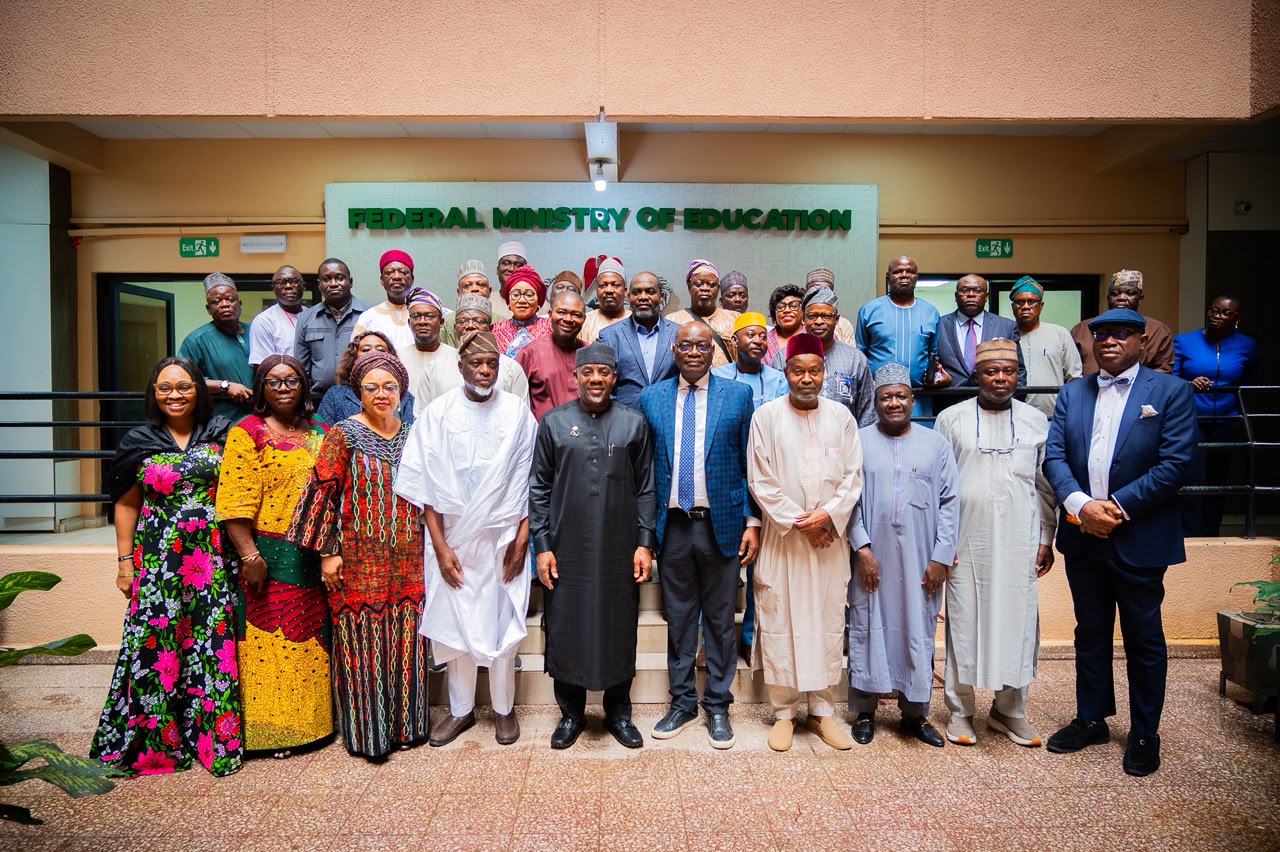
The Minister of Education, Dr. Maruf Tunji Alausa CON, stated this on Wednesday in Abuja while inaugurating the Ministerial Committee on Strengthening the Accreditation and Quality Assurance System for Tertiary Institutions in Nigeria, describing the reform as critical to restoring credibility, integrity, transparency and sustainability in tertiary education.
Dr. Alausa said accreditation must provide an accurate picture of an institution’s actual and sustainable capacity, rather than a temporary representation prepared solely for an accreditation visit.
“What an institution presents for accreditation must be what actually exists in that institution and what is sustainably available to its students,” he said.
The Minister stressed that institutions must meet prescribed standards throughout the year, not only when accreditation teams are expected to visit. He said the reform would transform accreditation from a predominantly manual and episodic exercise into a digital, data-driven and continuously verifiable quality assurance system, supported by geospatial mapping, geotagging and secure digital records.
He directed the Committee to develop mechanisms for verifying the authenticity and continuous availability of academic and non-academic staff, as well as the ownership, functionality, adequacy, accessibility and sustained availability of facilities, laboratories, workshops, libraries and major equipment presented for accreditation.
Dr. Alausa also called for a comprehensive digital identity and staff verification framework to establish the identity and institutional affiliation of personnel presented by institutions. He said collaboration with the National Identity Management Commission (NIMC) should be explored, including the appropriate use of the National Identification Number (NIN), Bank Verification Number (BVN) infrastructure and other secure technologies, subject to applicable laws and data protection requirements.
He said the system should establish the principle of “one individual, one verifiable identity and an accurately declared institutional affiliation”, while preventing individuals from being improperly presented as full-time personnel in multiple institutions. Critical equipment should similarly be digitally identifiable and linked to the institution and physical location where it is genuinely available.
The Minister said physical accreditation visits would remain important but should increasingly validate reliable, continuously maintained institutional data rather than commence verification from scratch.
Dr. Alausa also expressed concern over illegal admissions in tertiary institutions, noting that such practices had been enabled by weaknesses in previous accreditation and regulatory processes. He assured Nigerians that the administration of President Bola Ahmed Tinubu, GCFR, would strengthen enforcement and uphold the integrity of admissions and academic standards.
Earlier, the Director of Polytechnic Education in the Federal Ministry of Education, Mrs Kalau Igwe, said the inauguration demonstrated the Federal Government’s commitment to establishing a robust, transparent and integrity-driven accreditation system that would improve the education sector and benefit Nigerian students.
The Chairman of the Committee and former Registrar of the Joint Admissions and Matriculation Board, Professor Ishaq Oloyede, commended the Minister for initiating the reform and pledged the Committee’s commitment to addressing abuses in the accreditation process.
He advocated constant monitoring, stronger inspectorate mechanisms and improved coordination among regulatory and professional bodies to ensure students can progress from accredited programmes to professional training and registration where applicable.
The Committee will review existing accreditation policies, standards, guidelines, procedures and operational practices and recommend measures to strengthen monitoring, verification, technology adoption and continuous quality assurance.
The Federal Ministry of Education will work with the National Universities Commission (NUC), National Board for Technical Education (NBTE), National Commission for Colleges of Education (NCCE) and other stakeholders to ensure accreditation standards under the Renewed Hope Agenda are authentic, functional, verifiable and sustainably available to students.
Boriowo Folasade
Director, Press and Public Relations