

Nigeria joins the rest of the world to commemorate the 2026 International Day of the Girl Child, celebrated on October 11 each year.
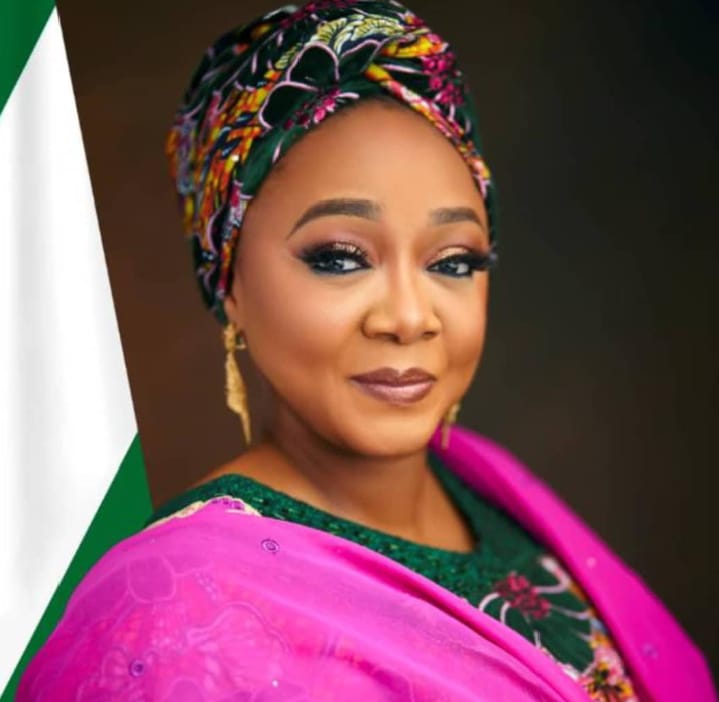
Honourable Minister of Women Affairs and Social Development, Hon. Imaan Sulaiman-Ibrahim, fsi, will lead a high-powered Federal Government delegation to Kano State on Tuesday, October 13, 2026, to officially commemorate the 2026 International Day of the Girl Child which fell on a Sunday.
While in Kano, the Minister will perform the official launch of the National Strategy and Costed Action Plan for Ending Child Marriage, direct empowerment packages for beneficiaries, and high-level stakeholder dialogue bringing together Fathers, Traditional Rulers, Faith-Based Leaders, Male Allies, and adolescent girls themselves.
The official launch of the National Strategy and Costed Action Plan for Ending Child Marriage in Kano will provide a clear operational and budgetary roadmap to guide federal, state, and development partner interventions.
Complementing this strategic rollout, the Federal Government will also distribute empowerment and educational support packages to selected vulnerable girls and families—translating national policy into tangible relief, recognizing supportive parents, and encouraging sustained school retention.
Observed globally on 11 October, the theme of this year commemoration “End Child Marriage and Invest in Girls’ Rights,”
In her message to mark the day, Women Affairs Minister, Hon. Imaan Suleiman-Ibrahim said the theme underscores the shared moral responsibility to protect young girls, expand access to quality education, and ensure that every girl can reach her full potential.
According to her, central to achieving this vision is the active engagement of men and boys as champions of reform. By rallying fathers, male community gatekeepers, and young men to stand up as protective allies.
She noted that Nigeria is shifting cultural norms to ensure that every girl is celebrated, valued, and empowered to shape her own future.
“Across the country, encouraging shifts are taking place as communities witness the transformative power of positive fatherhood and male allies. More fathers are taking active stand for their daughters’ futures; choosing to keep them in school, supporting their career ambitions, and protecting them from early marriage. Increased school retention, rising female literacy, and a growing presence of young women in higher education and national service reflect a broader socio-cultural transformation driven by supportive families, dedicated male mentors, and courageous community leadership”, she said.
Further more, Hon. Suleiman stressed that building safe, supportive, and resilient family structures is central to this progress. “Under the Renewed Hope Agenda of His Excellency, President Bola Ahmed Tinubu, GCFR, the Federal Government has reaffirmed its commitment to social inclusion and family-centered development. The declaration of 2026 as the Year of Families and Social Development highlights the critical role of positive male leadership within the home, encouraging fathers and male guardians to serve as the first line of defense for the rights, dignity, and education of their daughters.”
Reflecting on the upcoming delegation and this strategic imperative, Hon. Imaan Sulaiman-Ibrahim stated: ”Ending child marriage requires a united front where men and boys stand shoulder-to-shoulder with women and girls. When fathers champion their daughters, when traditional and religious leaders use their voices to protect young girls, and when young boys are raised to respect and uplift their sisters, whole communities thrive. No girl should ever be denied her childhood, and together with our male allies across Nigeria, we are building a nation where every girl is safe, educated, and empowered.”, the Ministér said.
Giving concrete expression to this vision, the Federal Ministry of Women Affairs and Social Development, as the institutional national mechanism for the advancement of women, children, families, and other vulnerable groups in society, continues to drive robust policy frameworks and target interventions. As a direct expression of President Bola Ahmed Tinubu, GCFR’s Renewed Hope Agenda, the Ministry is executing the 9-Pillar Renewed Hope Social Impact Intervention 774 (RH-SIIP 774), working assiduously across every Local Government Area to ensure that no girl child, no child, no family, and no person living with disabilities or vulnerable individual is left behind in national development. Crucially, the Ministry has developed, reviewed, and validated over 38 policy instruments, Standard Operating Procedures (SOPs), and specialized frameworks designed to strengthen the ecosystem. Key among these structural advancements are:
• The ongoing review of the Child Rights Act 2003 in collaboration with the Federal Ministry of Justice;
• The comprehensive review of the National Child Policy of 2008 to incorporate emerging realities surrounding adolescent girls, digital safety, and modern social protection;
• The adoption of the first National Strategy on Menstrual Health and Hygiene
• The ongoing review of the Second National Gender Policy to ensure emerging national and global priorities are fully integrated into the broader gamut of government planning; and
• The deliberate, systematic inclusion of women and girls with disabilities across all ecosystem interventions, guaranteeing equal access to protection, education, digital skills, and economic empowerment.
These measures are further reinforced by the dedicated Girl Child Development Desk, the “See Something, Say Something, We Do Something” child protection campaign, the Future Now Initiative for STEM education, and the Care Economy agenda to relieve young girls from excessive unpaid domestic burdens.Complementing these protection frameworks is the Nigeria for Women Program Scale-Up (NFWP-SU), supported by a $500 million World Bank expansion. By strengthening household financial security and promoting economic stability for mothers and fathers alike, the program relieves the financial strain on families, enabling parents to prioritize their children’s long-term growth and education over early marriage.
A crucial highlight of the Kano commemoration will be an interactive, intergenerational dialogue focused on positive masculinity and social norm change. Recognizing that vlasting reform requires the active partnership of men in positions of influence, the sessions will bring together traditional rulers, religious leaders, and fathers alongside adolescent girls. This platform will highlight exemplary male role models who actively champion girl-child education, encouraging more men to leverage their leadership to end harmful practices and mentor the next generation.
The Federal Government calls on all state governments, traditional and faith institutions, community leaders, fathers, and youth groups across all 36 States and the Federal Capital Territory to embrace positive masculinity, protect the girl child, and move decisively from policy to action.
Signed
Ahmed Lawan Danbazau mnipr
Head of Press and Public Relations, Federal Ministry of Women Affairs and Social Development
Abuja, Nigeria