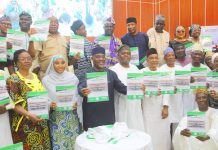


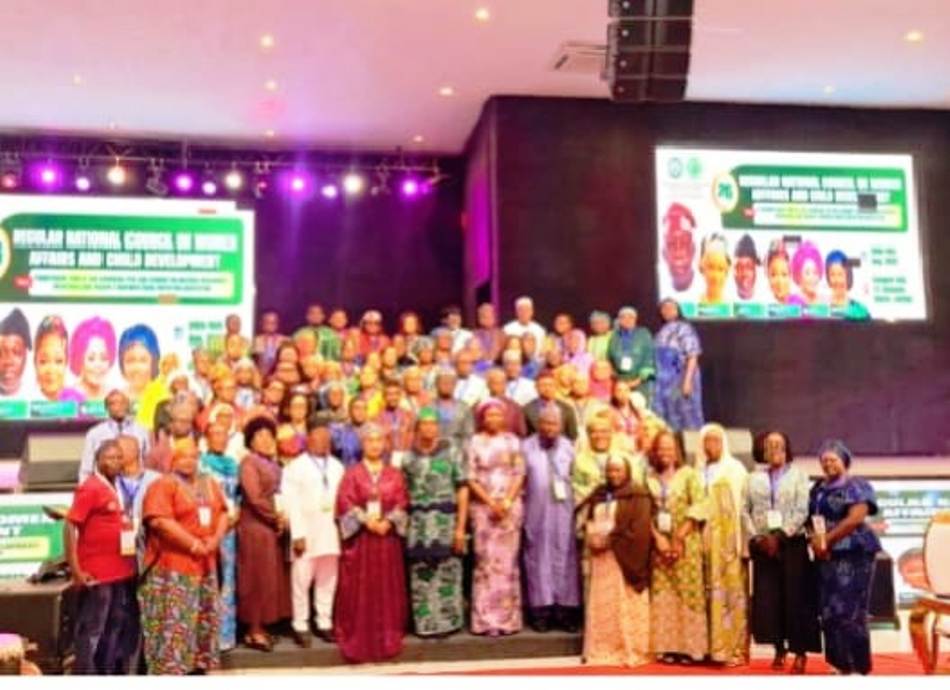
The Federal Government has renewed its drive to strengthen families, expand the care economy and build a more responsive social protection system, as the 26th National Council on Women Affairs, Child Advancement and Social Development opened in Jalingo, Taraba State.
The Federal Government’s renewed commitment was announced as the the technical session of the 26th National Council commenced with participants reviewing the report and resolutions of the 25th National Council on Women Affairs and Child Development held in November 2025 in Benin City, Edo State.
The Permanent Secretary, Federal Ministry of Women Affairs and Social Development, Mrs. Esuabana Nko Asanye, said the Council remained the highest policy advisory platform for collectively reviewing policies, assessing programmes and developing practical strategies to improve the lives of women, children, families and vulnerable groups across Nigeria.
In her Welcome Address at the opening of the Pre – Summit of the 26th National Council, Esuabana extended warm greetings from the Honourable Minister of Women Affairs and Social Development, Hajiya Imaan Suleiman-Ibrahim and staff of the ministry to all participants.
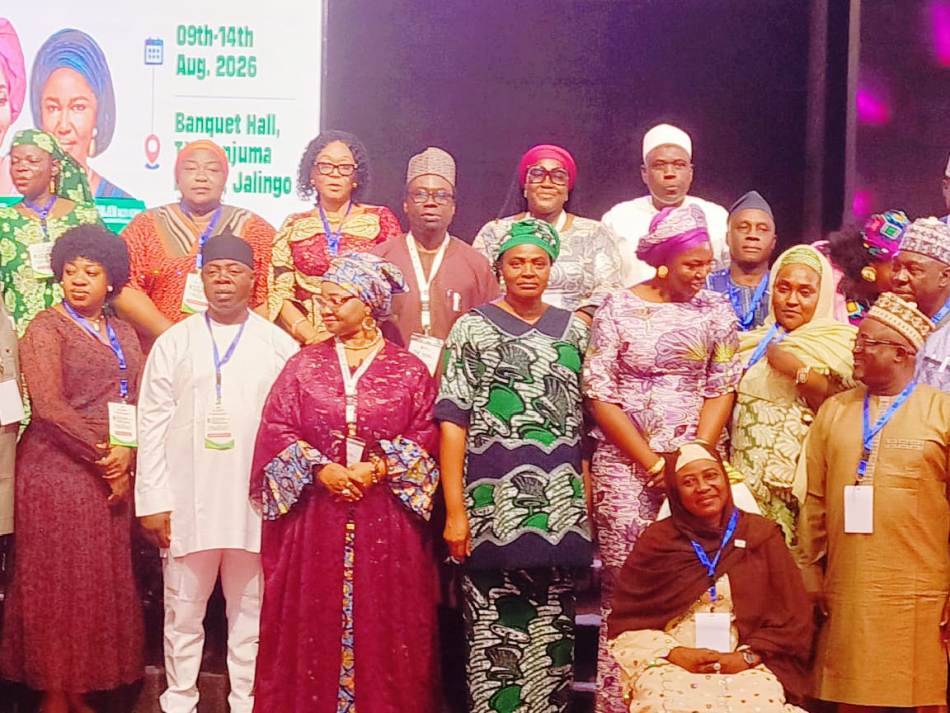
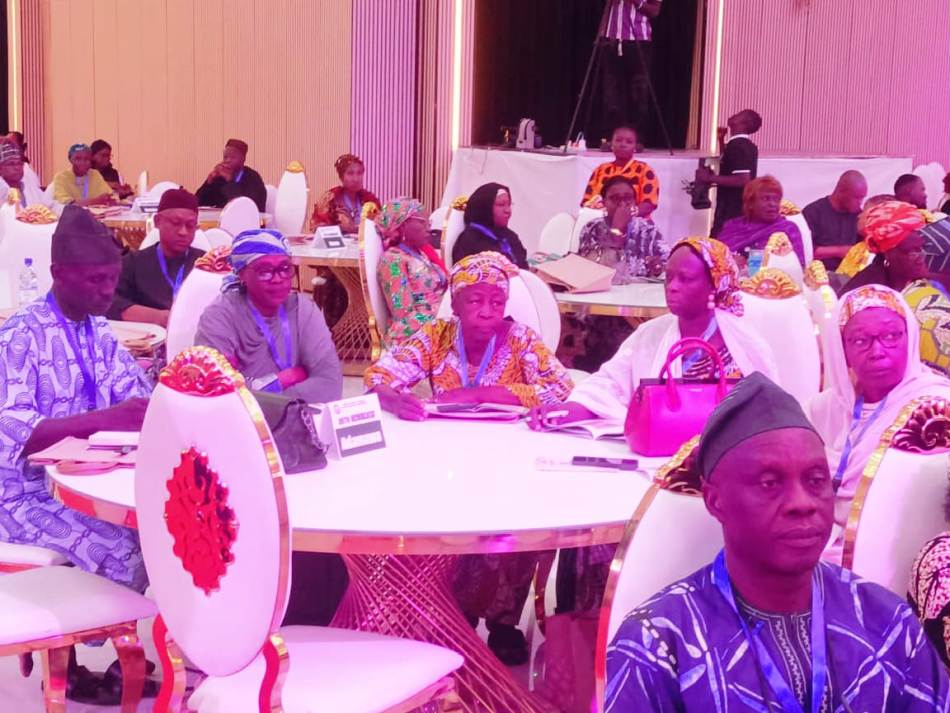
She said the Council was particularly significant as Nigeria works towards achieving the Sustainable Development Goals 2030, African Union Agenda 2063, ECOWAS Vision 2050, Medium-Term National Development Plan 2026–2030 and Nigeria Agenda 2050, all of which align with the Renewed Hope Agenda of President Bola Ahmed Tinubu
According to her, the theme of the 26th Council — “Strengthening Families and Advancing the Care Economy for Inclusive Development: Operationalizing Nigeria’s Renewed Social Protection Architecture” was timely and strategic, stressing that strong families were fundamental to stable societies, productive economies and sustainable national development.
She said the care economy, particularly unpaid care work largely undertaken by women and girls, had for too long remained invisible despite its significant contribution to national development.
“For too long, care work has remained largely invisible despite its enormous contribution to national development. Women and girls continue to shoulder a disproportionate share of unpaid care responsibilities, often limiting their opportunities for education, employment, entrepreneurship and leadership,” the Esuabana stated.
On social protection, she stressed the need to strengthen Nigeria’s systems to protect vulnerable households from poverty, economic shocks, displacement, disasters and other social risks.
She noted that an effective social protection architecture would build resilience, promote equity and ensure that no Nigerian was left behind in the nation’s development process.
The Permanent Secretary disclosed that during the Pre – Summit of the Council, memoranda submitted by Ministries, Departments and Agencies across the three tiers of government and other stakeholders would be carefully analysed to determine areas of agreement, further consideration or necessary action.
She urged delegates to approach the deliberations with evidence, innovation, openness and a shared commitment to national development.
“Our discussions should focus not only on identifying challenges but, more importantly, on developing practical, implementable and sustainable solutions,” she said.
She also urged participants to pay great attention to emerging technologies, including Artificial Intelligence, Robotics, Internet of Things and digital inclusion, while responding urgently to climate change and global warming.
The Permanent Secretary commended development partners, donor agencies, civil society organisations, non-governmental organisations and other stakeholders for their continued support, while also appreciating the Ministerial Planning Committee and the Taraba State Organising Committee for their dedication towards the success of the Council.
Earlier, the Director of Planning, Research and Statistics in the Federal Ministry of Women Affairs and Social Development, Mrs. Amina Widi Jalo, presented the review of the report of the 25th National Council on Women Affairs and Child Development, held from 9th–13th in Benin City, Edo State.
The review provided an important foundation for the deliberations of the 26th Council, highlighting achievements, challenges and outstanding policy priorities requiring sustained attention.
The review revealed that a total of 145 memoranda were received, out of which 115 were considered, covering submissions from Federal and State stakeholders.
The memoranda reflected a wide range of innovative initiatives by States aimed at advancing women’s economic empowerment, child protection, family welfare and responses to emerging vulnerabilities.
However, the review also identified persistent gaps in data management, funding and monitoring of social development programmes, despite progress recorded in gender mainstreaming and women’s empowerment.
The 25th Council consequently called for stronger collaboration among Federal and State Governments, Ministries, Departments and Agencies and development partners to minimize duplication, improve coordination and achieve sustainable results.
It also urged accelerated domestication and implementation of key national, regional and international instruments, including the National Gender Policy, Child Rights Act, Women’s Economic Empowerment Policy, Social Welfare Policy, UNSCR 1325, CEDAW and the Maputo Protocol.
The Council further drew attention to emerging social concerns, including accidental pregnancies among under-aged girls, under-aged gambling and the need to introduce early education on geriatric care.
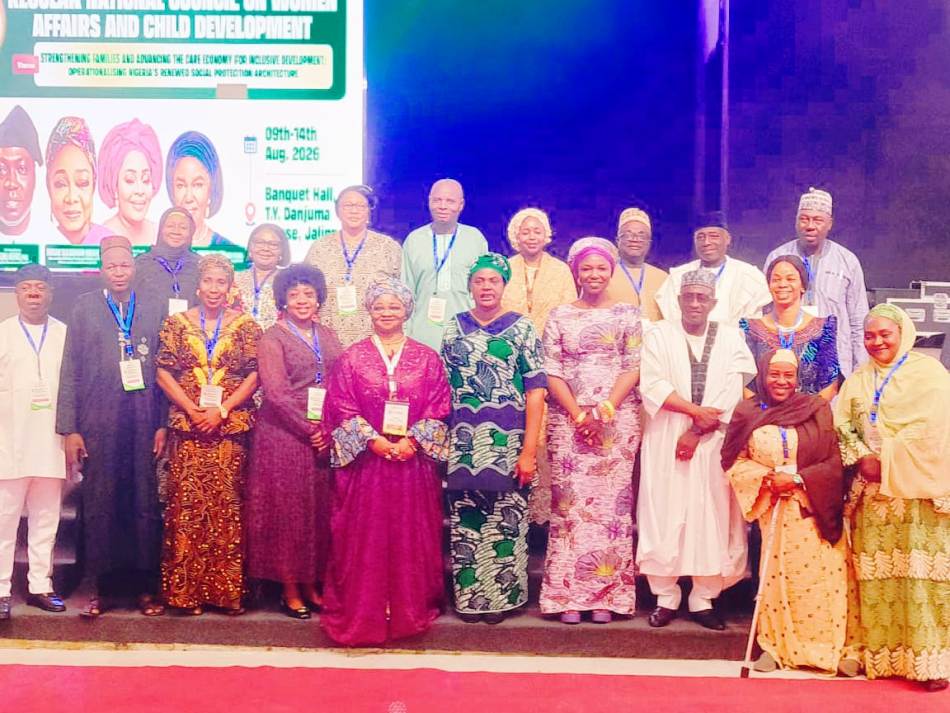
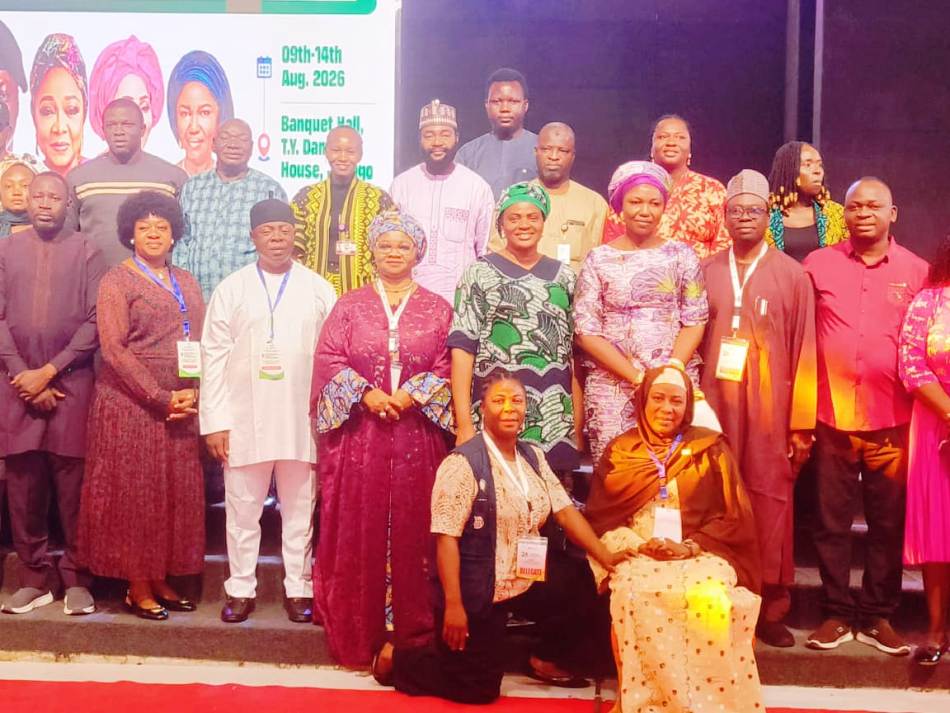
Among the key recommendations were: increased funding for women and child development, stronger institutional frameworks, improved data systems, enhanced inter-governmental collaboration, capacity building, entrepreneurship development and digital inclusion.
The report also commended President Bola Ahmed Tinubu, First Lady Senator Oluremi Tinubu, Edo State Governor Senator Monday Okpebholo, the Honourable Minister of Women Affairs and Social Development, Hajiya Imaan Sulaiman-Ibrahim, development partners and other stakeholders for their contributions to advancing women and child development.
Against this background, the 26th National Council is expected to build on the lessons from Benin City by strengthening coordination, improving financing and data systems, enhancing accountability and ensuring that Council resolutions translate into practical interventions.
Earlier, the Honourable Commissioner for Women Affairs and Child Development, Taraba State, Mrs. Mary Sinjen, FCNA, ACTI, welcomed delegates to the state on behalf of the Executive Governor, Dr. Agbu Kefas, and the First Lady, Mrs. Agyin Agbu Kefas.
She described Taraba as “Nature’s Gift to the Nation,” and expressed the state government’s delight at hosting the important national gathering.
She said the presence of delegates from across the country reflected a collective commitment to advancing the welfare, empowerment, protection and development of women, children and vulnerable persons.
The pre – Summit is essentially a body of technical experts who are to prepare a working document for consideration and ratification by the Ministerial session to be presided over by the Honourable Minister of Women Affairs and Social Development, Hajiya Imaan Suleiman-Ibrahim during the Council meeting which the executive Governor of Taraba State is expected to declare open on Wednesday, August 12, 2026.
Ahmed Lawan Danbazau Mnipr
Head, Information Press and Public Relations Dept.
(FMWASD)