

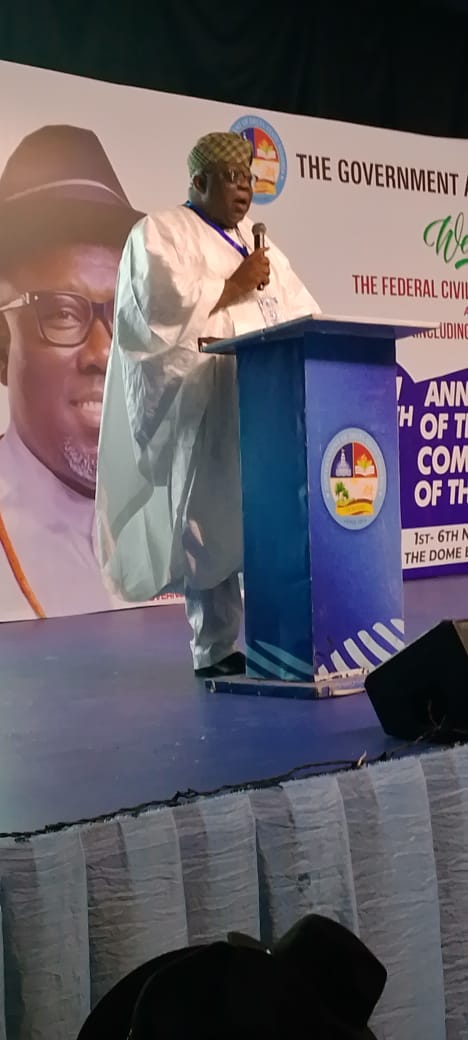
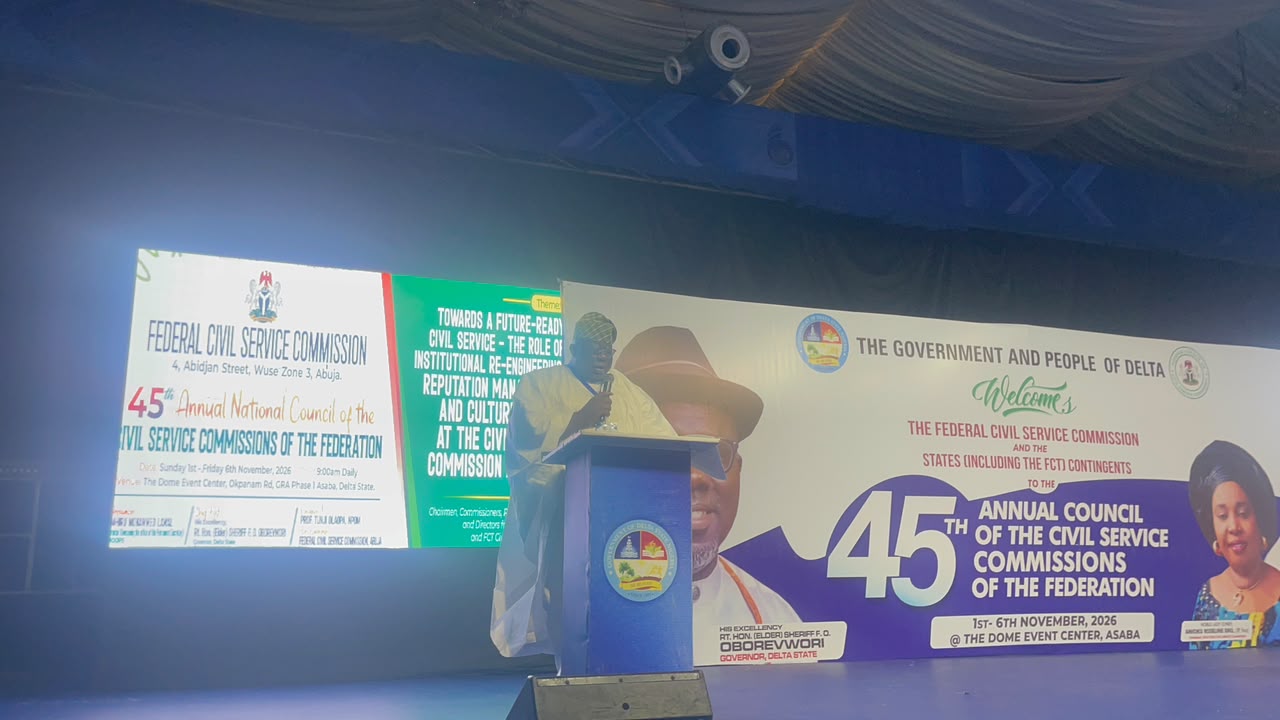
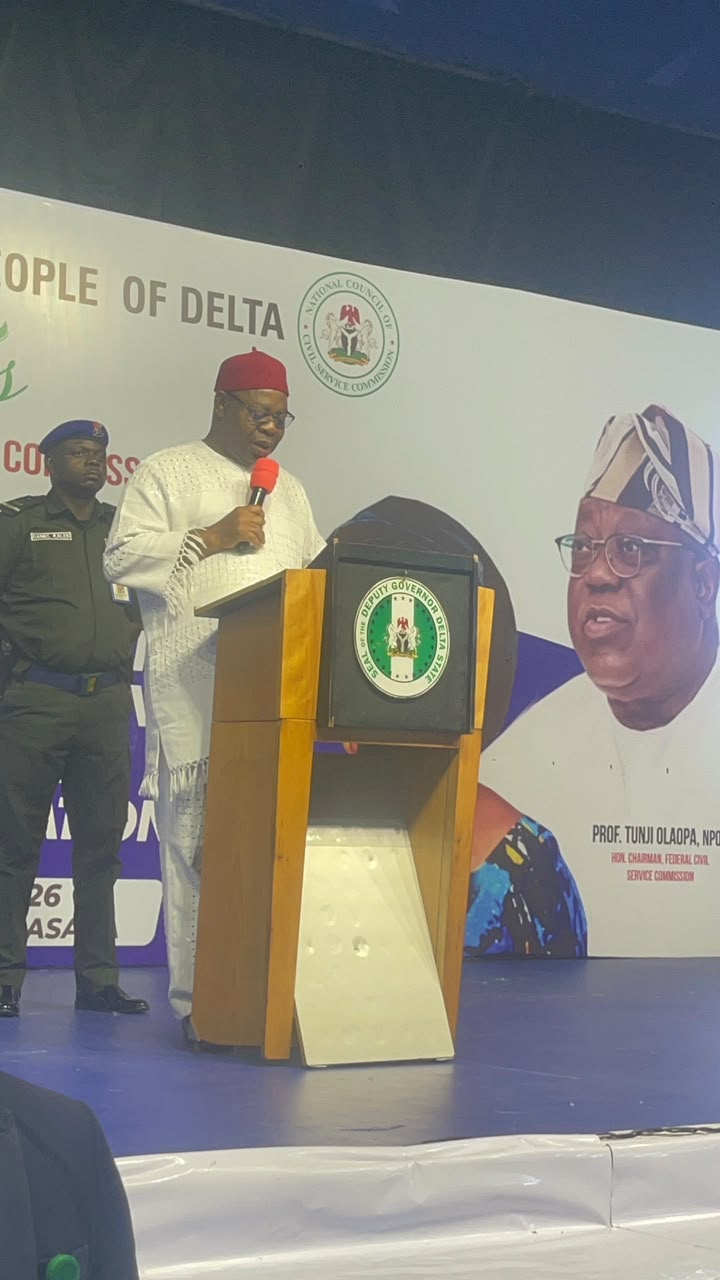
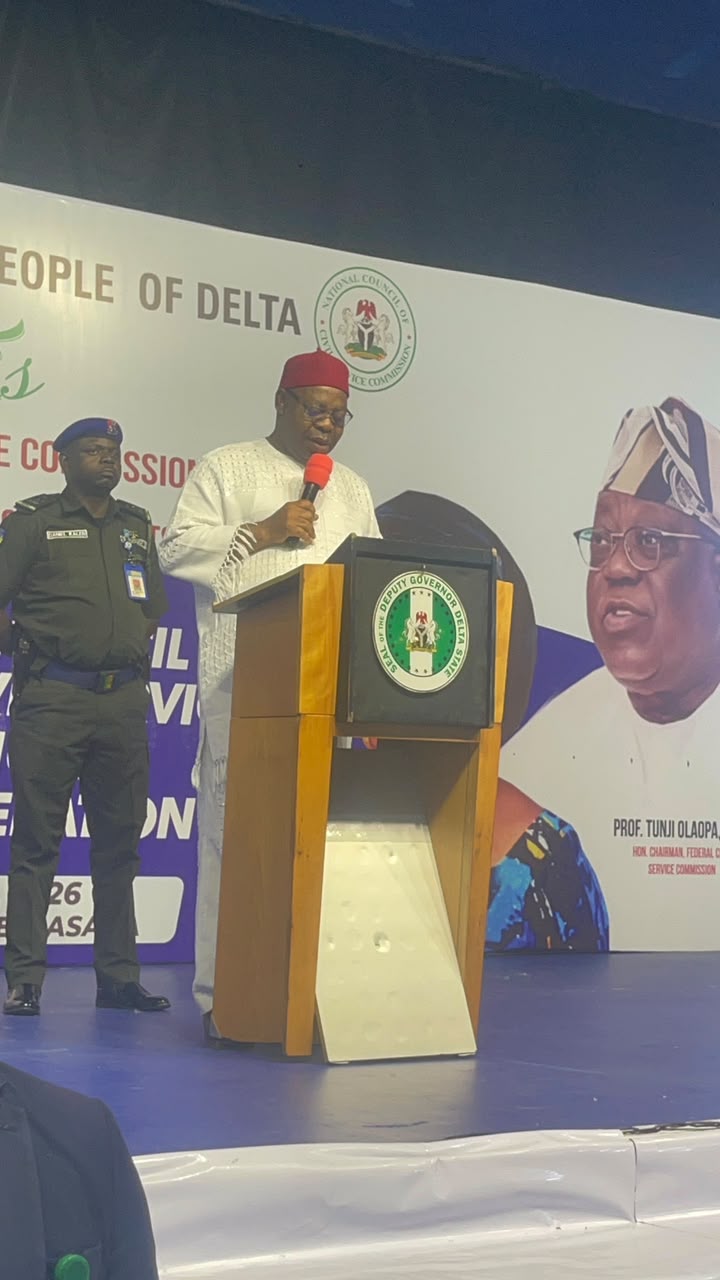
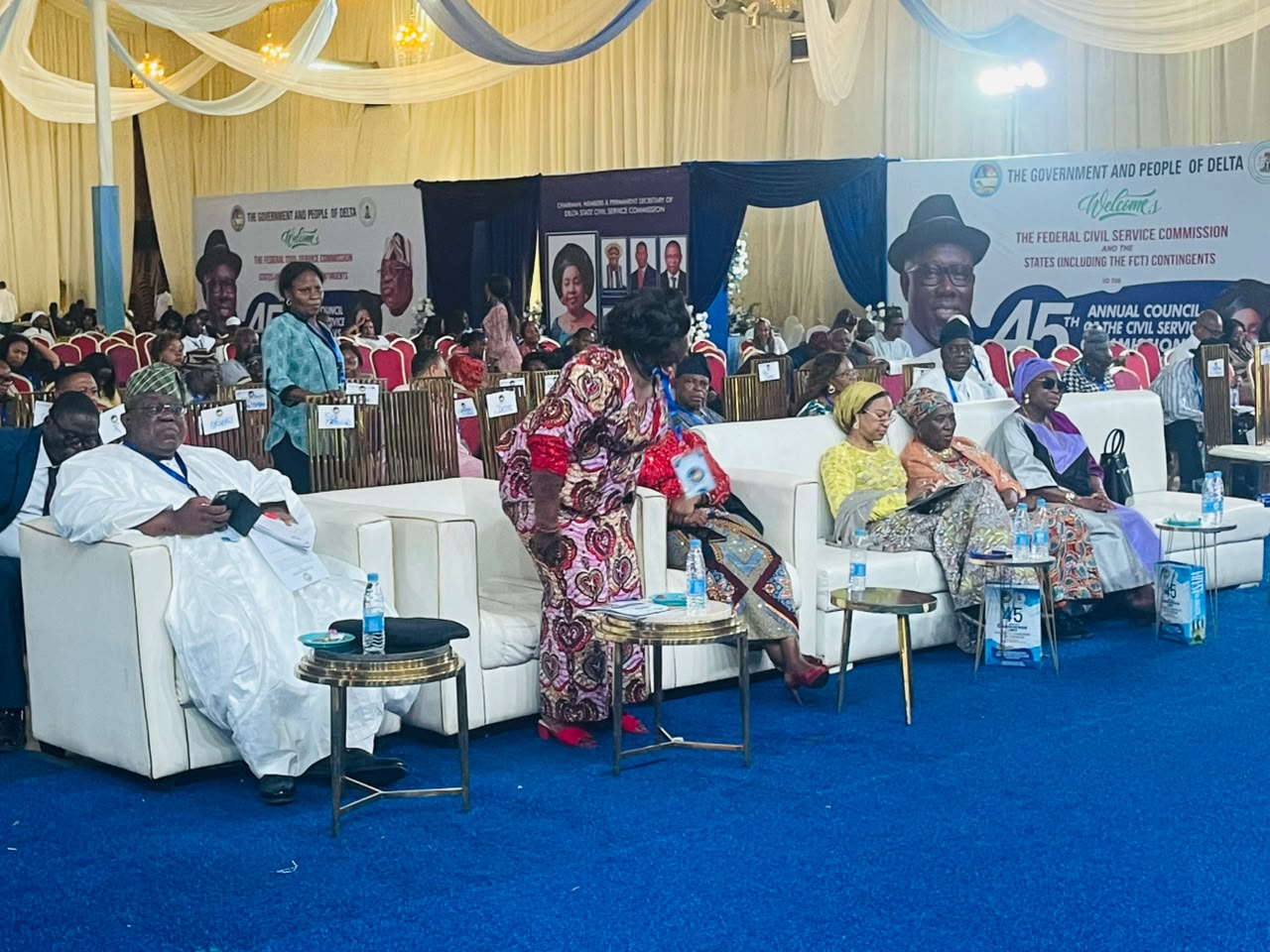
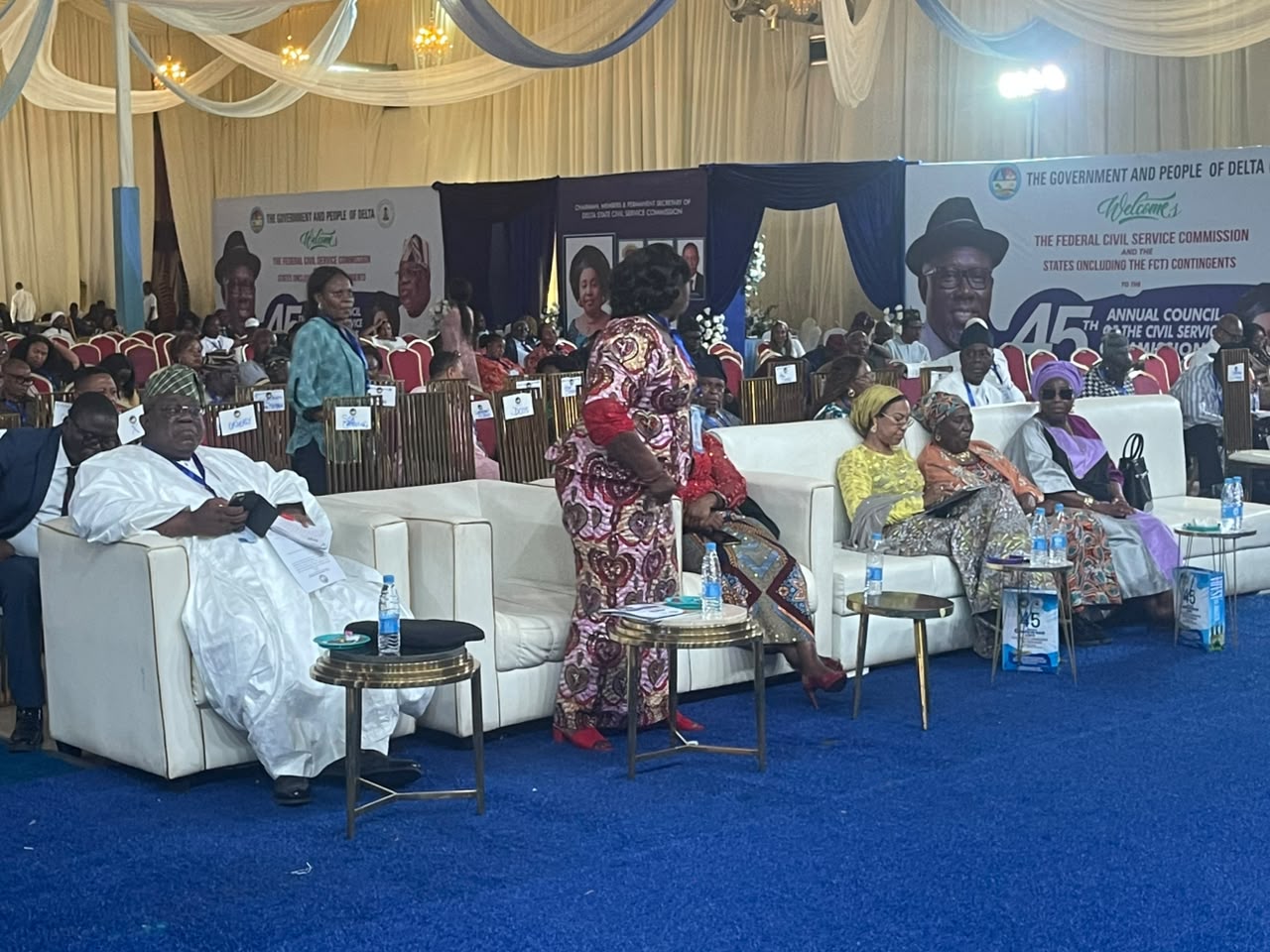
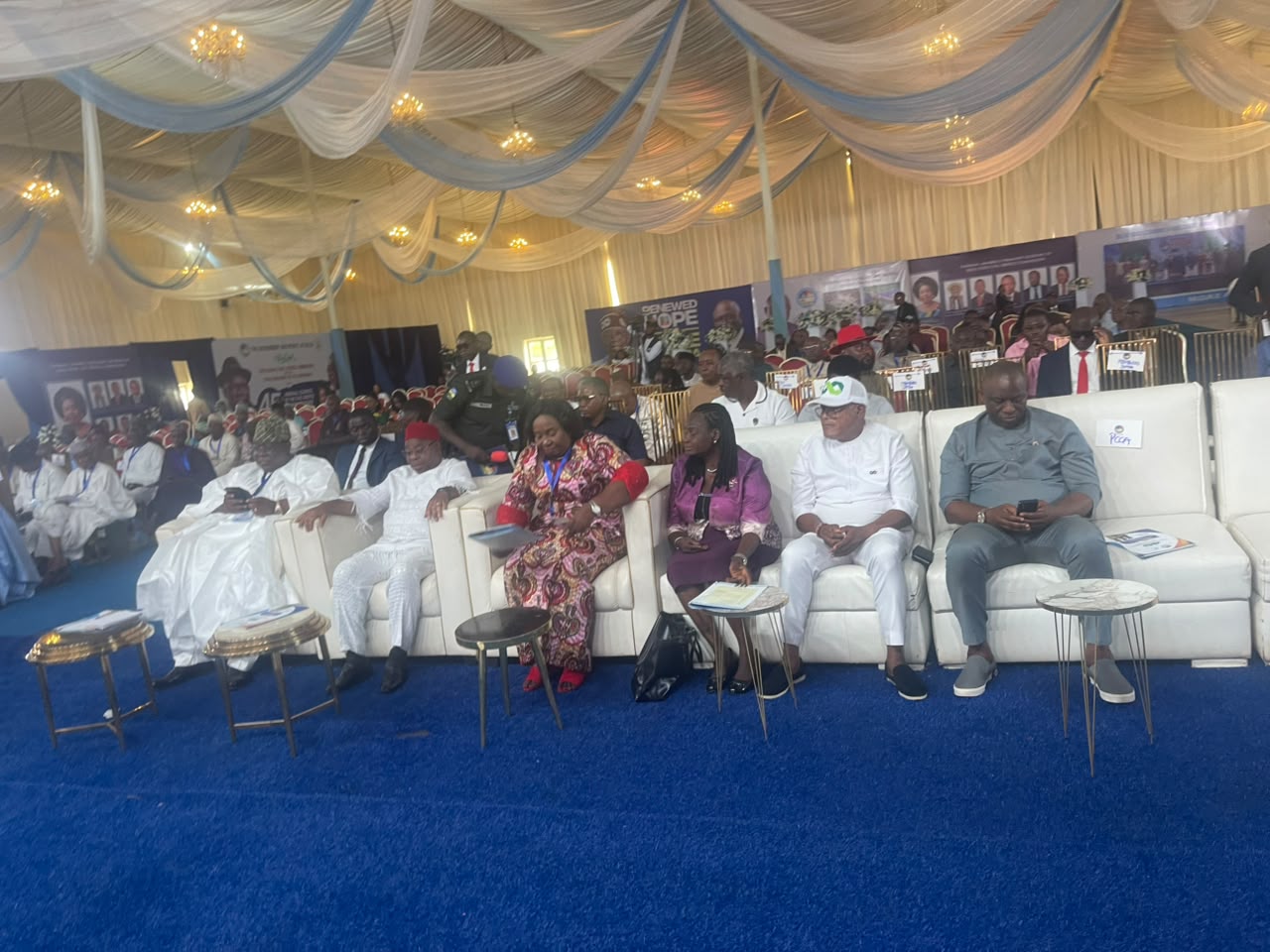
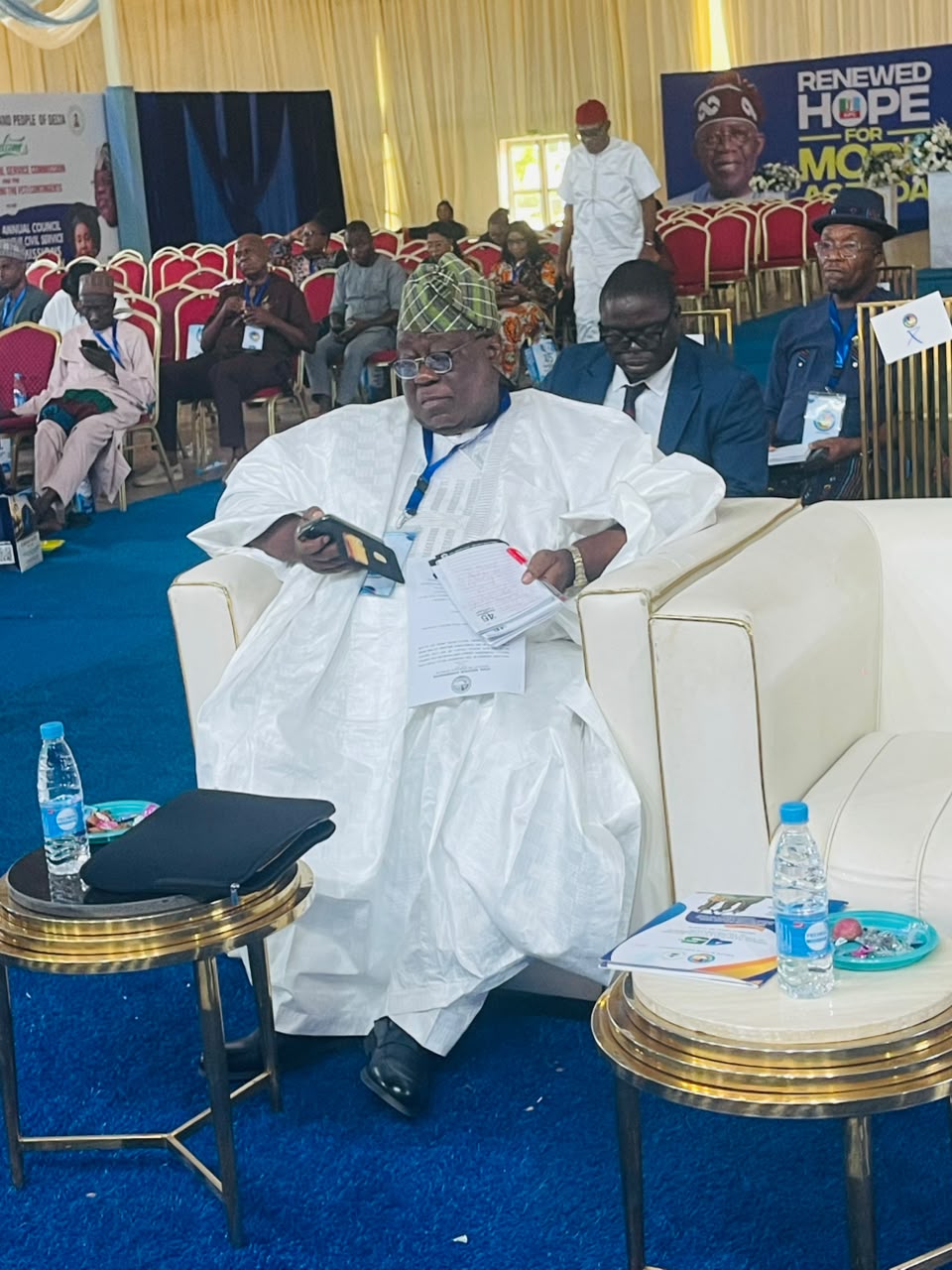
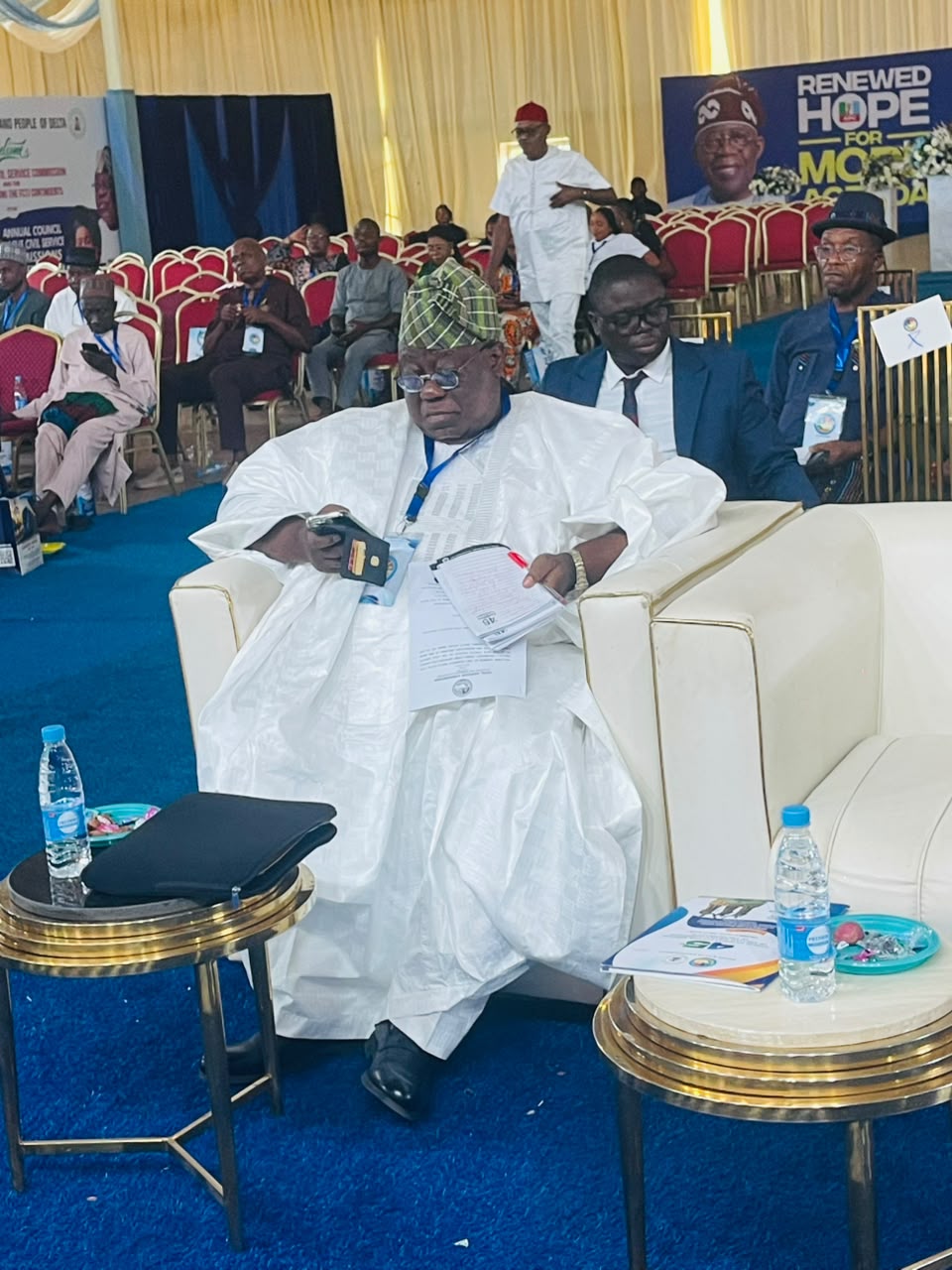
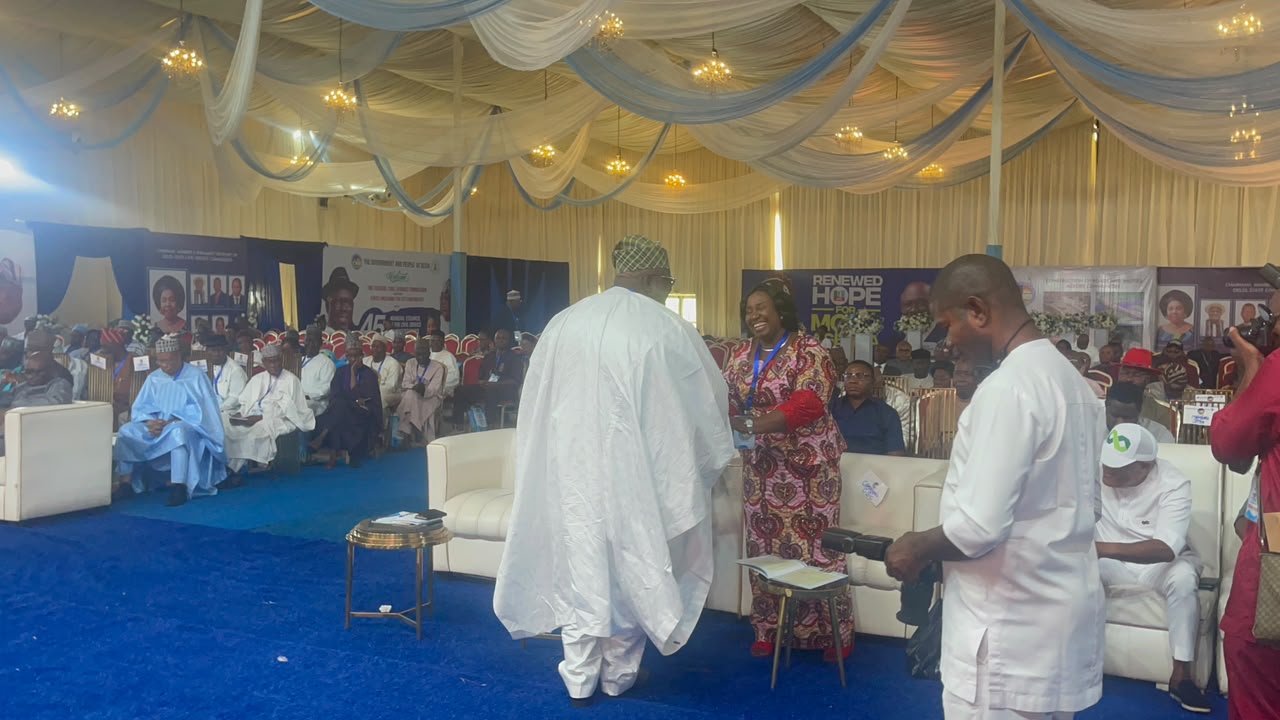
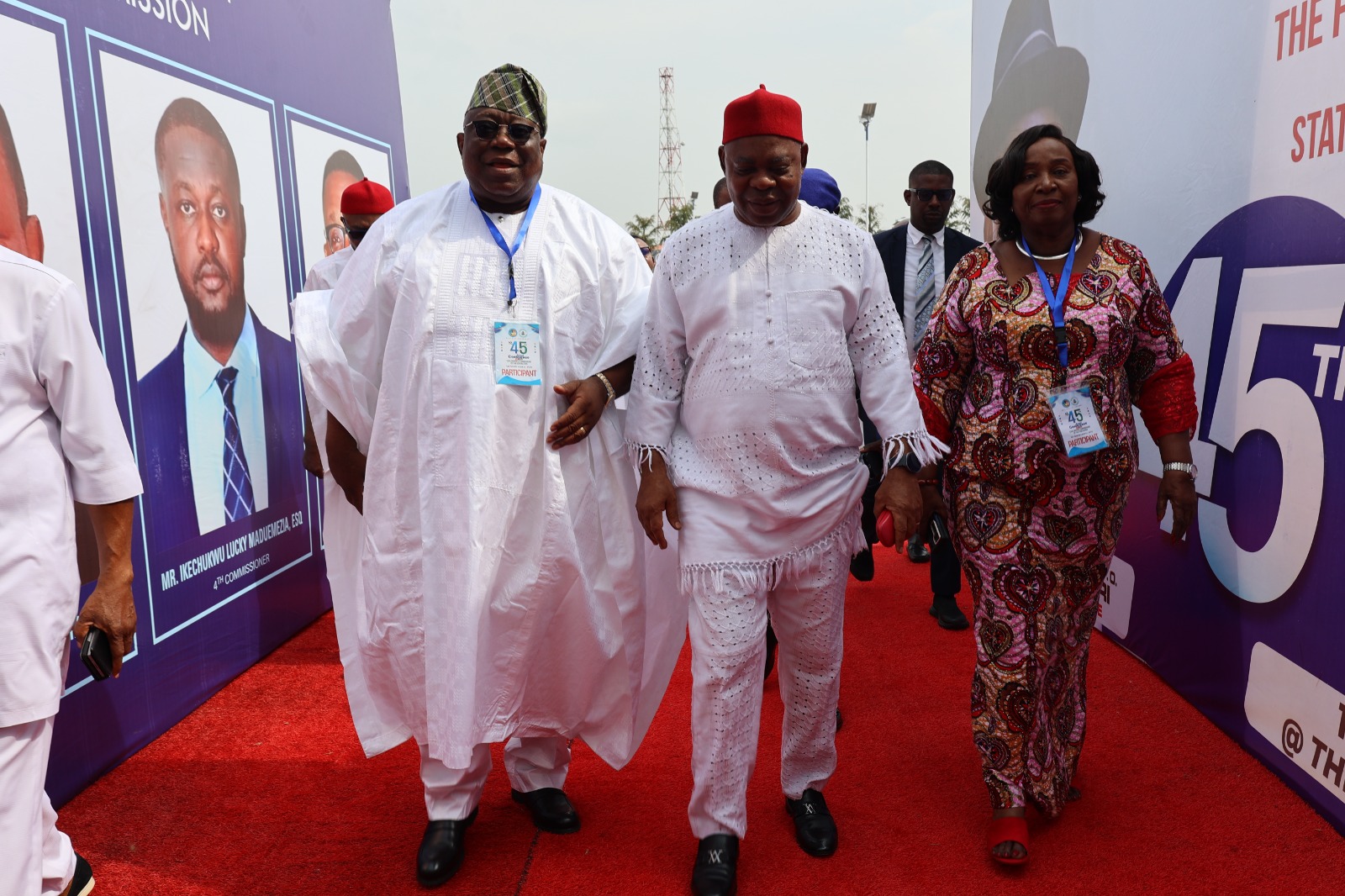
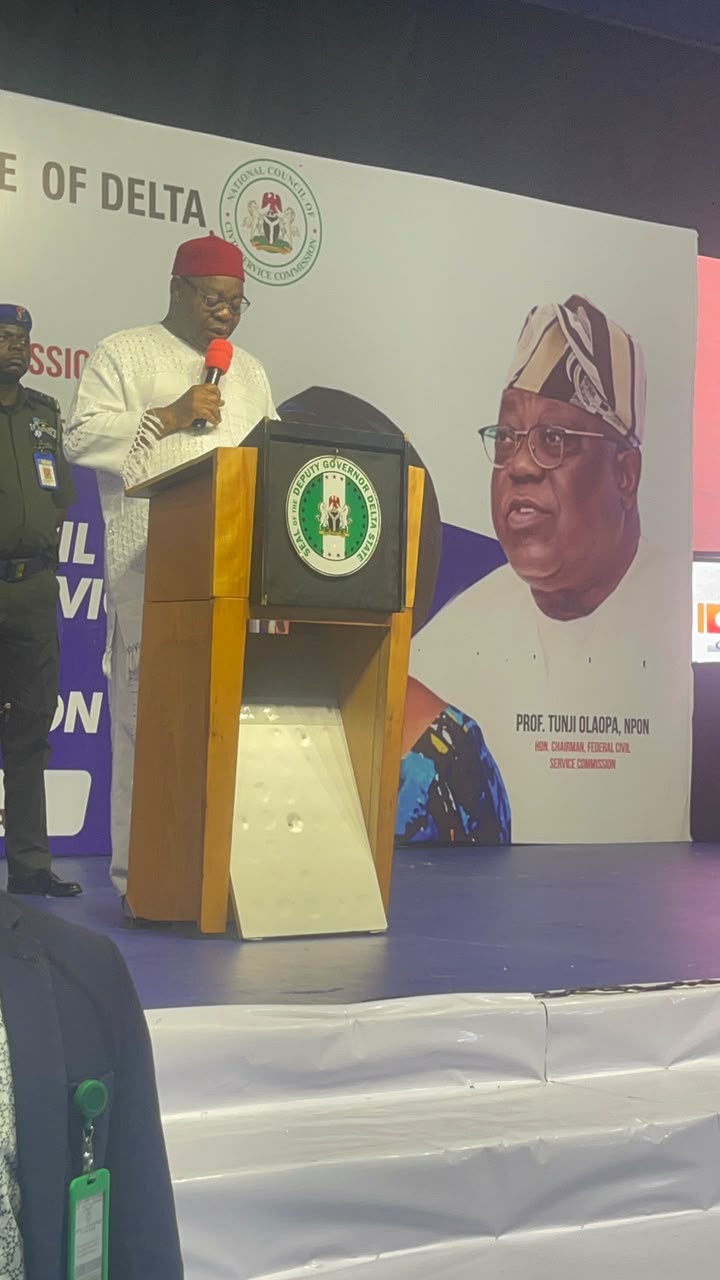
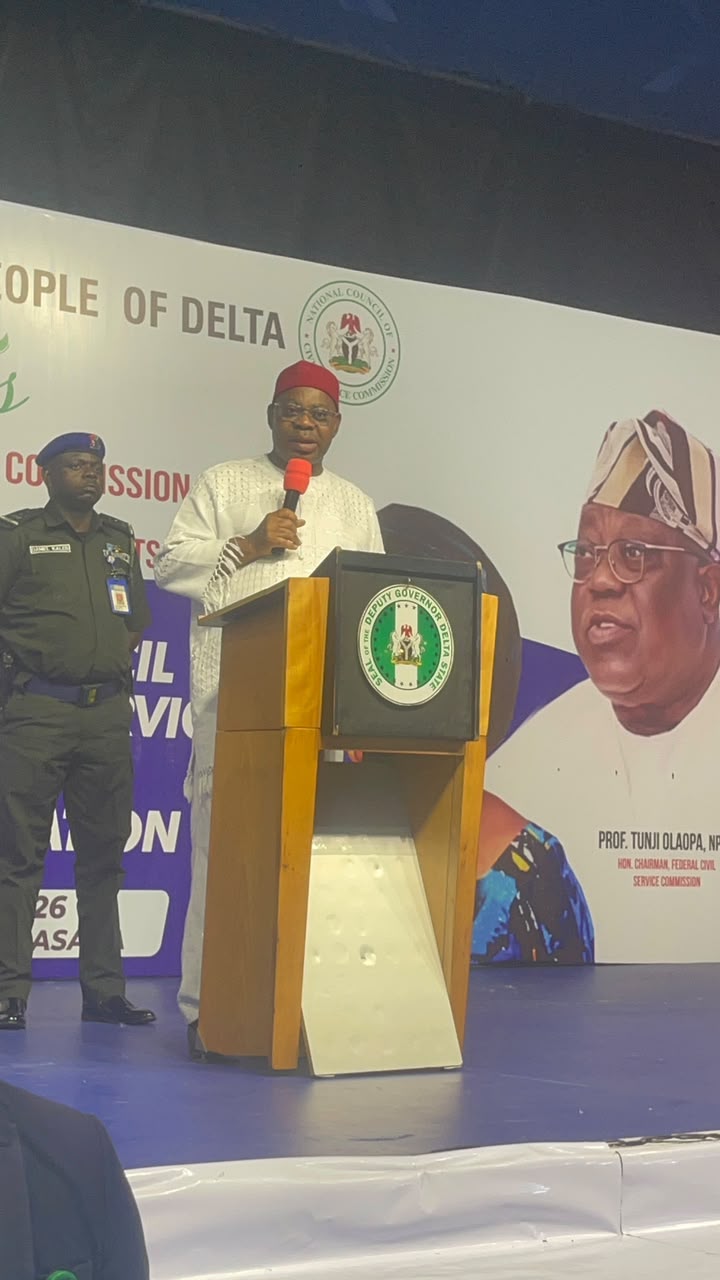
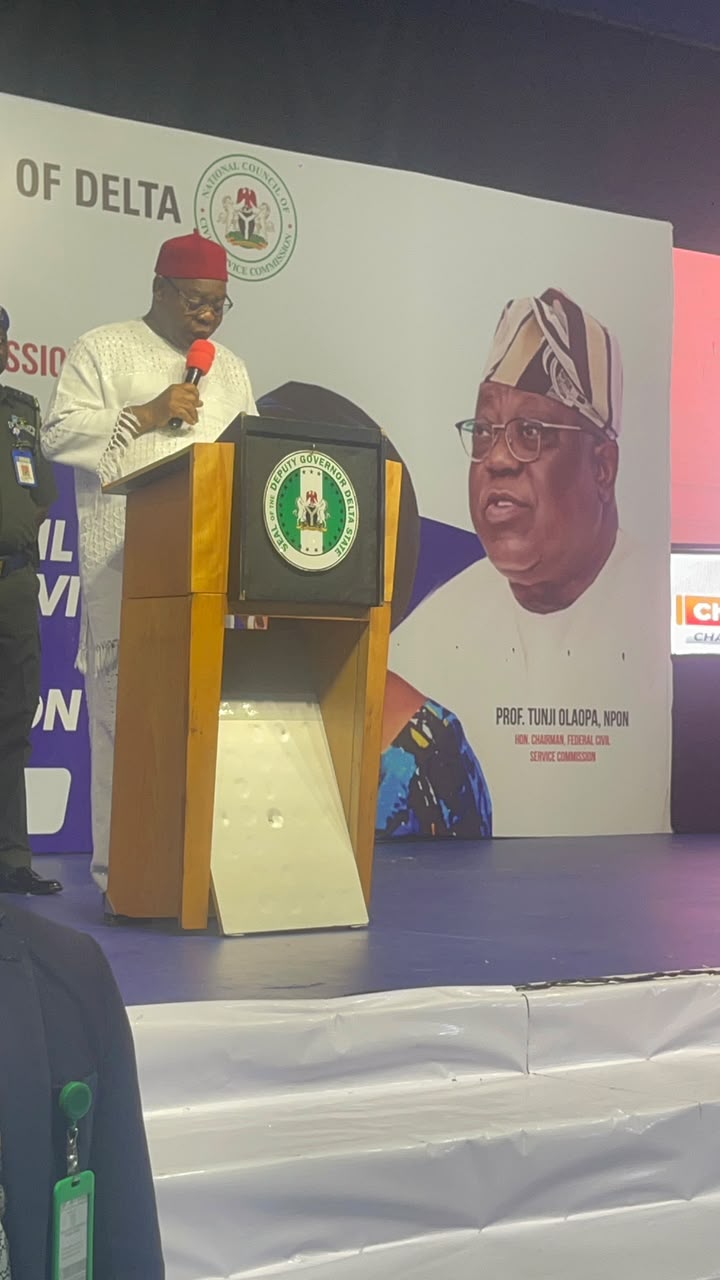
ASABA, Delta State – The Chairman of the Federal Civil Service Commission (FCSC), Prof. Tunji Olaopa, has described the National Council and Annual Conference of Civil Service Commissions of the Federation as an increasingly important platform for institutional renewal, peer learning, knowledge exchange and collective action towards strengthening public service administration in Nigeria.
Speaking on Wednesday, the fourth day of the 45th National Council and Annual Conference in Asaba, Delta State, Prof. Olaopa noted that the successive annual engagements had provided an enduring framework for building institutional consensus, sharing administrative innovations and translating collective commitments into practical reforms across the federal and state civil services.
He recalled that the resolutions of the 43rd Conference in Katsina in 2024 and the 44th Conference in Umuahia had progressively laid the foundation for institutional reengineering and the restoration of the Commissions as professional, merit-driven and value-adding institutions.
Underscoring the achievements of the 10th Federal Civil Service Commission, the Chairman identified the introduction of online recruitment and Computer-Based Testing (CBT), for the first time in about four decades, as a major institutional milestone.
He also highlighted the introduction of a more transparent and strictly controlled promotion process through online accreditation and CBT, measures which have significantly strengthened merit-based selection, reduced opportunities for undue influence and reinforced public confidence in the Commission’s human resource management responsibilities.
Prof. Olaopa further observed that the Commission had strengthened its strategic communication and stakeholder engagement, improved institutional relationships with critical public service bodies and reinforced internal controls to address corruption and compromise in recruitment, promotion and career management.
He, however, acknowledged the need to bridge the existing gap between the Commission’s desired public image and operational realities through sustained integrity reforms, improved workforce motivation, leadership by example and a credible institutional reputation management programme.
Looking ahead, the Chairman called for stronger technical collaboration between the Federal and State Civil Service Commissions, particularly in developing competency-based human resource management practices and standardised guidelines for appointment, promotion and discipline. He emphasised that the effectiveness of national development initiatives, including the ambition of building a one-trillion-dollar economy by 2030, would depend significantly on the capacity of subnational governments and their public institutions to deliver results.
He also advocated the integration of artificial intelligence and emerging technologies into public administration, alongside research, training and knowledge-sharing initiatives to prepare the civil service for the changing dynamics of the Fourth and Fifth Industrial Revolutions.
He identified the revival of the National Association of Public Administration and Management (NAPAM), deeper institutional partnerships with the Office of the Head of the Civil Service of the Federation and a comprehensive reorientation of public service values as critical priorities for building a more professional and future-ready workforce.
Prof. Olaopa reaffirmed the Commission’s commitment to implementing its 2026–2030 Strategic Plan, anchored on institutional repositioning, digital transformation, professionalisation and evidence-based administrative practices.
He maintained that the future of the Nigerian civil service depended on a unified, agile, accountable and meritocratic public service ecosystem, urging Federal and State Civil Service Commissions to sustain the spirit of collaboration, shared responsibility and institutional innovation which the National Council has continued to promote.



Ibraheem Zakariyya, anipr
Head, Press & Public Relations
For the Commission
4th November, 2026