


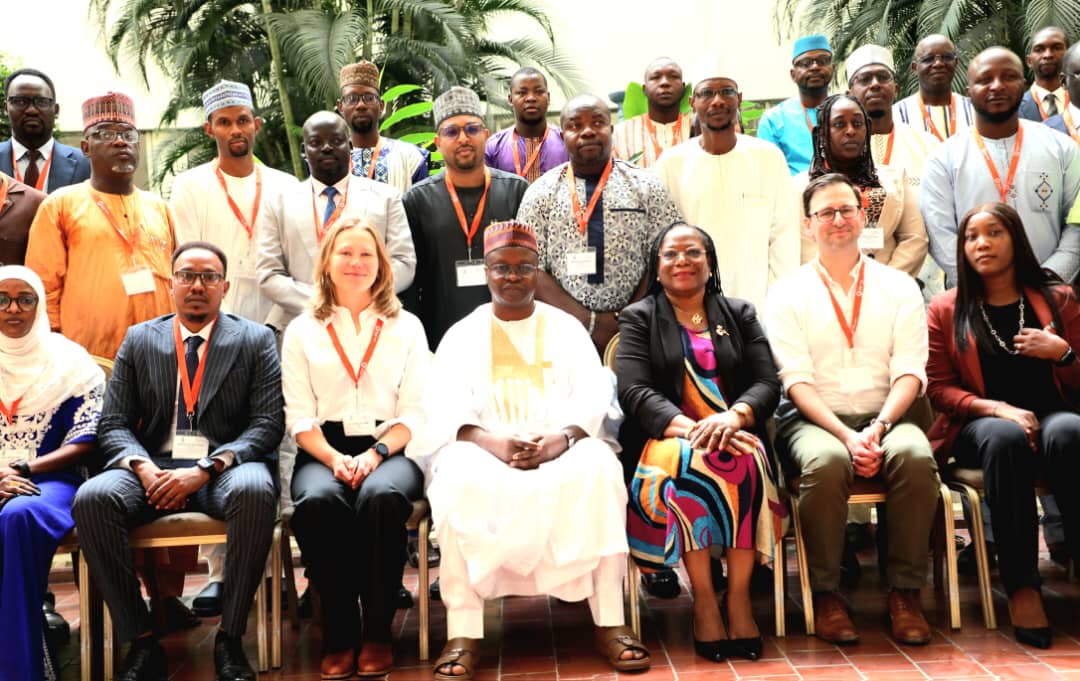
The Minister of Environment, Balarabe Abbas Lawal has disclosed that Climate Change impacts are on the rise daily with unprecedented and extreme weather conditions being experienced around the world, adding that urgent solutions are required before it gets out of hand resulting in uncontrollable loss of livelihoods and biodiversity.
The Minister made this known at the 3-day “Peer Learning Forum on National Adaptation Plan Process in Conflicts Affecting Countries” held recently in Abuja, Nigeria.
The Permanent Secretary of the Federal Ministry of Environment, Salihu Aminu Usman who represented the Minister revealed that Nigeria made a commitment to reduce Green House Gas emissions, by 47% with international support (conditional). Although NDCs focused more on mitigation. And it has also made provisions for adaptation strategies by aligning with Nigeria’s NAP, which is in its final stage of completion having been validated, particularly for developing countries that are worst hit by these climate change impacts, adding that adapting to climate change means taking action to prepare for and adjust to both the current effects of climate change and the predicted impacts in the future.
The 3-day forum was co-hosted by the Federal Ministry of Environment and the NAP Global Network. It brings together representatives from Burkina Faso, Cameroon, Central African Republic, Chad, Liberia, Mali, Somalia, South Sudan, and other conflict-affected nations.
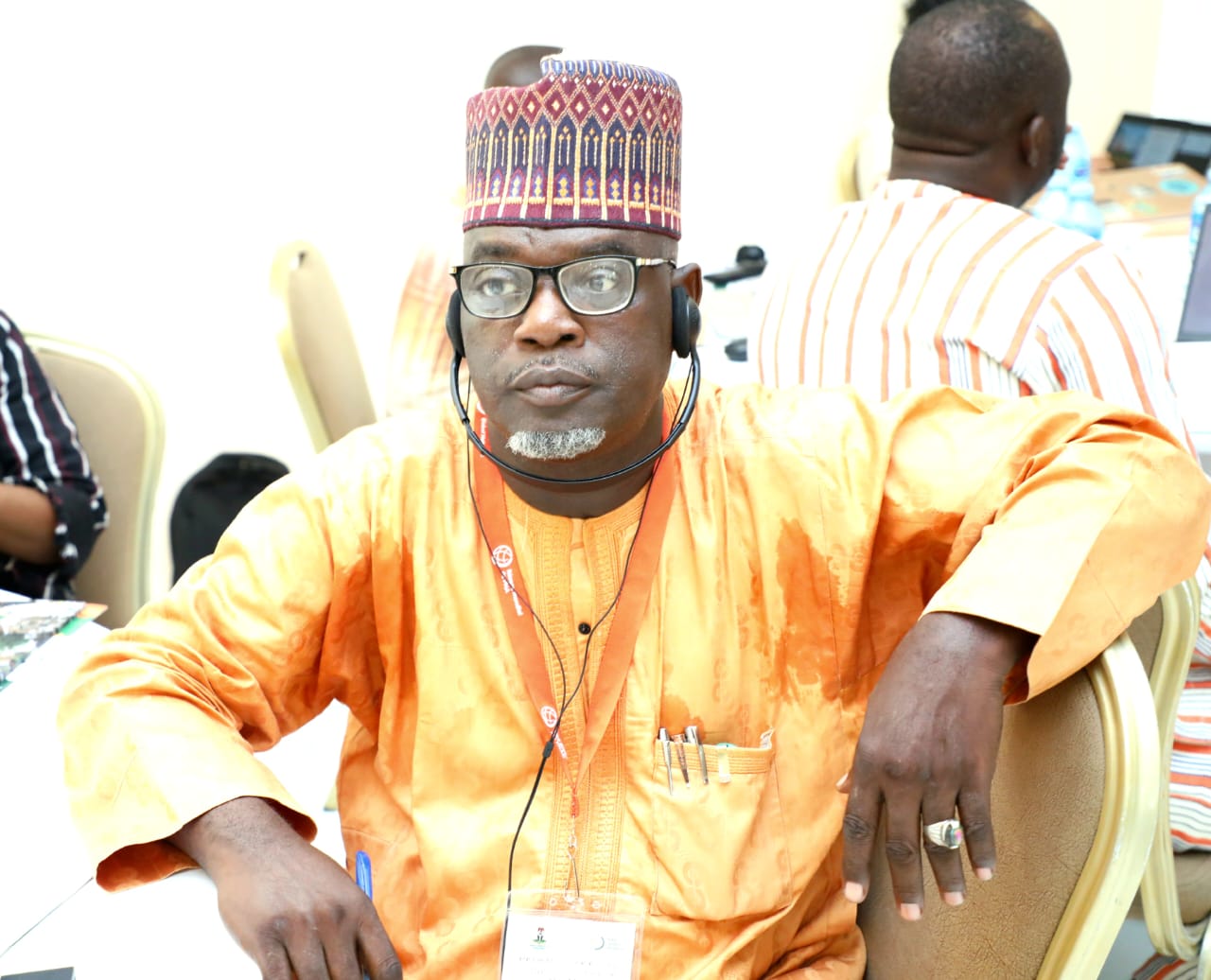
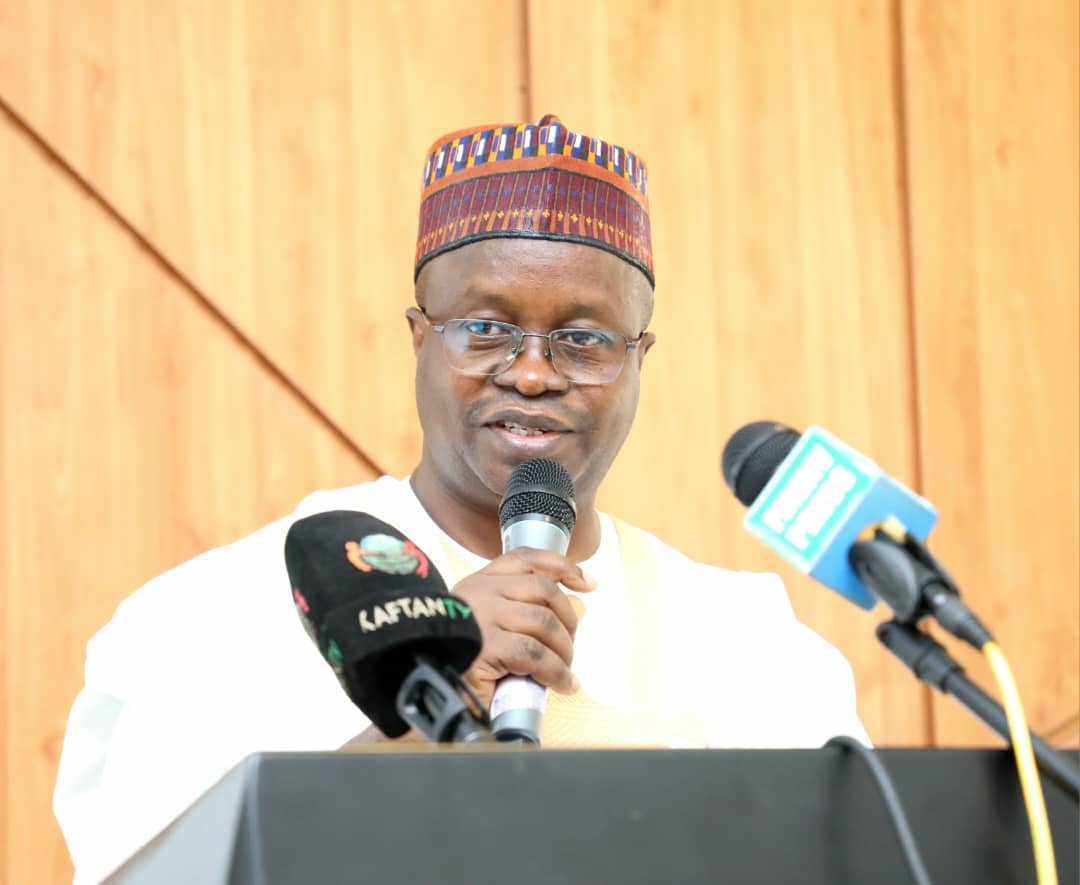
Balarabe stated “An important issue that was considered in the NAP process is Conflict-Sensitivity and Peacebuilding. Conflicts such as farmer-herder crises, cattle rustling, banditry among others, which currently threatens the security of our country can be linked to climate change. Links between climate change and fragility mean that it would be a mistake to ignore medium- and long-term adaptation needs in these peace building contexts. Conflict-affected states also need to adapt to the impacts of climate.
Speaking further, he opined that climate change and conflict are often compounding challenges, and adapting to the impacts of climate change could be an effective way of breaking this cycle by improving social well-being and addressing root drivers.
The Minister louded the exemplary leadership exhibited by the President Bola Ahmed Tinubu GCFR, under the Renewed Hope Agenda of his administration by providing a conducive environment for the event.
He further appreciated the NAP Global Network for their technical and financial support in making the Forum a success , and for choosing Nigeria to host this laudable event.
In her welcome address, Director, Department of Climate Change, Dr (Mrs) Inionong Abiola- Awe disclosed that Climate change impacts are on the rise globally and Nigeria is not exempted, emphasizing that extreme weather events and climate variability are impacting many sectors, key infrastructure, biodiversity among others are causing security challenges.
She disclosed that efforts are on to mitigate the effect of climate change, the need for adaptation is also very important so that we can adjust our systems and operations to these effects without affecting our daily activities nor jeopardizing our security.
“Nigeria has validated its National Adaptation Plans (NAP) as a means of identifying medium to long term adaptation needs, developing and implementing strategies and programmes to address those needs in a participatory and fully transparent approach. Nigeria has also integrated conflict-sensitivity and peacebuilding issues into its NAP,” she said.
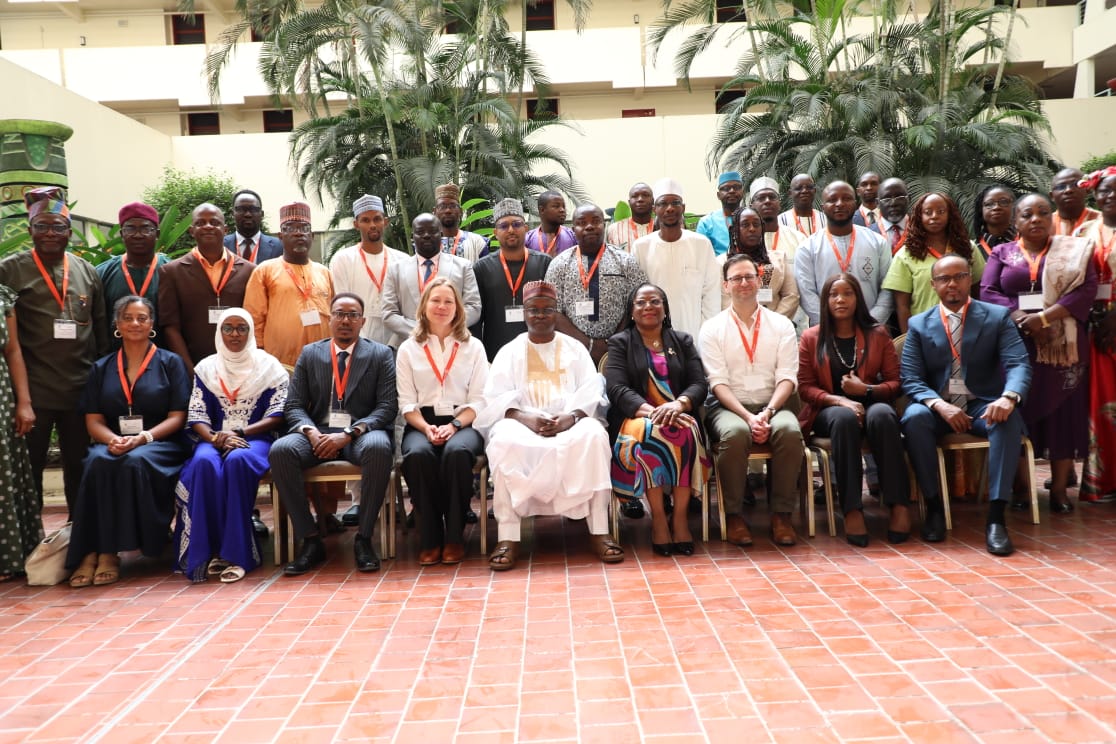
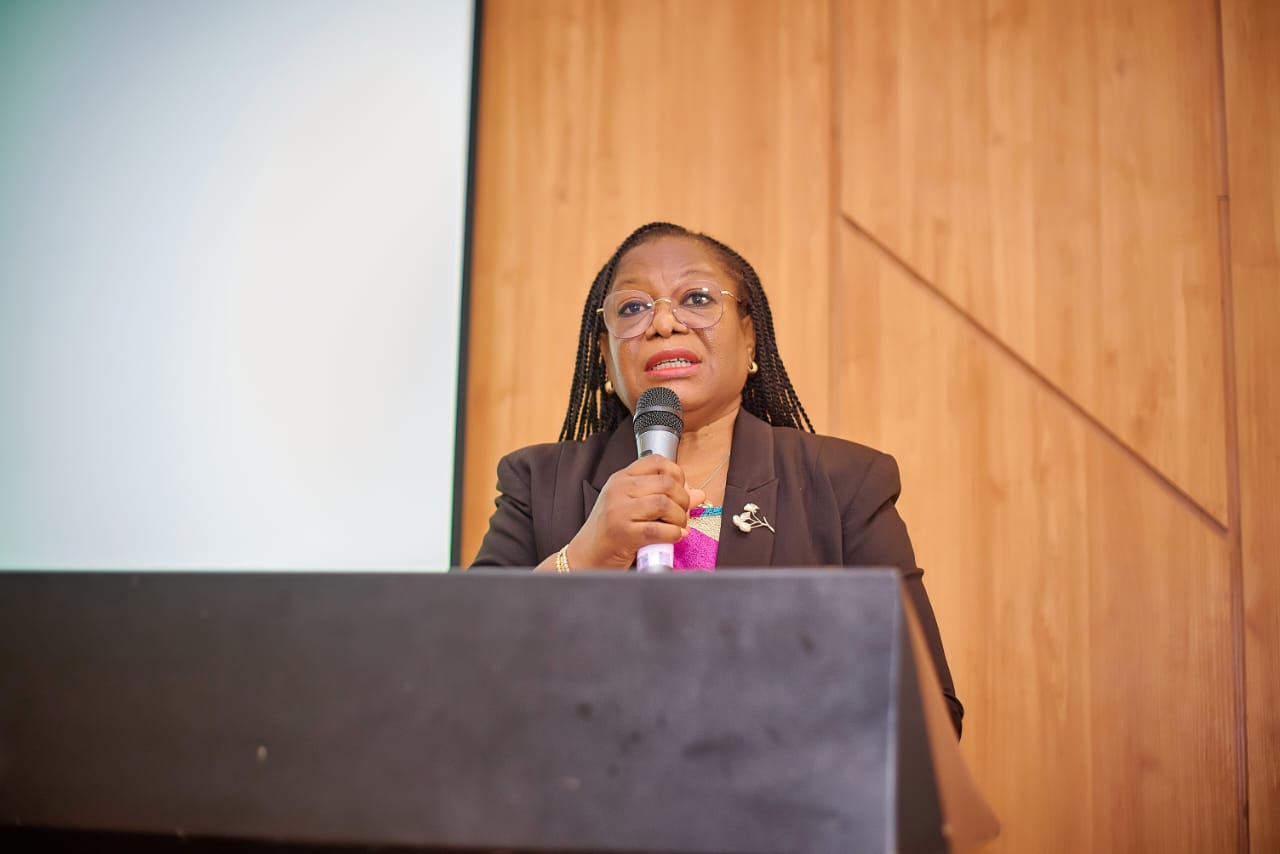
Abiola -Awe appreciated the NAP Global Network for their continuous support to Nigeria, through the Federal Ministry of Environment thanking them for their past support.
In his goodwill message, Director Nature for resilience International Institute for Sustainable Development NAP Global Network Secretariat, Alec Crawford stated that meeting at a time when the interaction between climate risks, war and conflict is no longer abstract, noted that climate change impacts are unfolding alongside insecurity, violence, displacement, and pressure on institutions and this is shaping not only what kind of climate adaptation is needed, but how it can realistically be planned and implemented.
According to Alec Crawford: “NAP processes are often framed as technical exercises. But they are essential vehicles for countries to identify and address countries’ medium- and long-term priorities for adapting to climate change in an inclusive and effective manner. They also involve choices about resource allocation, and about which risks and vulnerabilities are addressed. At the same time, they depend on coordination across parts of the government that do not always work closely together. In conflict-affected contexts, this is particularly complicated; adaptation is competing with a host of other urgent priorities for funding, attention and political capital”.
He commended Nigeria for hosting the forum and acknowledged the Government of Ireland for providing financial support. “We are very grateful to the Government of Nigeria for their hospitality and honoured to co-host this event,” he said.
Established under the UNFCCC Cancun Adaptation Framework in 2010, the NAP process enables developing countries to identify medium and long-term adaptation needs and develop strategies to address them. Nigeria’s NAP, supported by the Green Climate Fund, is in its final validation stage and builds on the earlier National Adaptation Strategy & Plan of Action.
Ibrahim Haruna
Director of Information and Public Relations