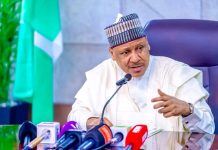

The Honourable Minister of State for Health and Social Welfare, Dr. Iziaq Adekunle Salako, has stated that Nigeria’s current 2025 State Party Annual Report (SPAR) score of Level 3 places the country ahead of the World Health Organization (WHO) food safety target for low- and middle-income countries and Sub-Saharan Africa.
The Minister made this known during the commemoration of the 2026 World Food Safety Day held in Abuja, with the theme: “From Burden to Solutions – Safe Food Everywhere.”
Dr. Salako noted that Nigeria is now among the leading countries in the region with functional systems for detecting, reporting, and responding to foodborne disease events. He explained that through the National Food Safety Management Committee, collaboration among relevant sectors has been strengthened.
According to him, the 2023 National Integrated Guidelines for Foodborne Disease Surveillance and Response have provided Nigeria with a unified national system for foodborne disease surveillance, laboratory confirmation, outbreak investigation, traceback, food recall, and risk communication.
The Minister emphasized that the theme of the 2026 celebration serves as a reminder that food safety is not merely a technical issue but a national development priority that directly affects the health, productivity, and well-being of all Nigerians.
Speaking on global and domestic food safety challenges, Dr. Salako disclosed that updated global estimates indicate that unsafe food causes approximately 866 million illnesses and 1.5 million deaths annually worldwide. He noted that Africa continues to bear the highest per-capita burden, with children under the age of five disproportionately affected.
He further revealed that Nigeria records nearly 50 million cases of foodborne illnesses annually, resulting in more than 53,000 deaths each year. He expressed concern that children under five account for over 80 percent of the country’s foodborne disease burden.
The Minister explained that a significant proportion of this burden is driven by diarrhoeal pathogens, with over 40 million diarrhoeal illnesses linked to foodborne pathogens such as Salmonella, Escherichia coli (E. coli), Campylobacter, Shigella, and Rotavirus.
“These infections continue to be major causes of hospitalisation, malnutrition, and mortality among our youngest citizens. Chemical hazards are also emerging as a serious concern, with lead exposure responsible for thousands of healthy life years lost through illness, disability, or premature death, particularly through contaminated grains, spices, and water sources,” he stated.
According to the Minister, these statistics underscore the urgent need to strengthen food safety systems across the entire food value chain.
“The WHO estimates are a call to action. We must intensify surveillance for heavy metals and chemical contaminants. We must improve food safety practices in traditional and informal markets, where most Nigerians purchase their food. We must strengthen hygiene, water, and sanitation infrastructure and ensure compliance with national standards by food business operators and vendors. We must also continue to build laboratory capacity, strengthen risk communication, and improve multisectoral coordination,” he added.
Dr. Salako called on the media to amplify food safety messages and commended the World Health Organization (WHO), the World Food Safety Day Planning Committee, the National Food Safety Management Committee, development partners, regulators, academia, and other stakeholders for their commitment to strengthening food safety in Nigeria.
In her welcome remarks, the Permanent Secretary of the Federal Ministry of Health and Social Welfare, Mrs. Daju Kachollom, mni, stated that the theme of this year’s event invites stakeholders to reflect on the evolving landscape of food safety.
She observed that recent global and national assessments have demonstrated the close relationship between foodborne disease and unhealthy diets.
She therefore called for an integrated approach of food safety and health guidance as two intentional pillars of a shared agenda, which according to her the event reflects on this direction.
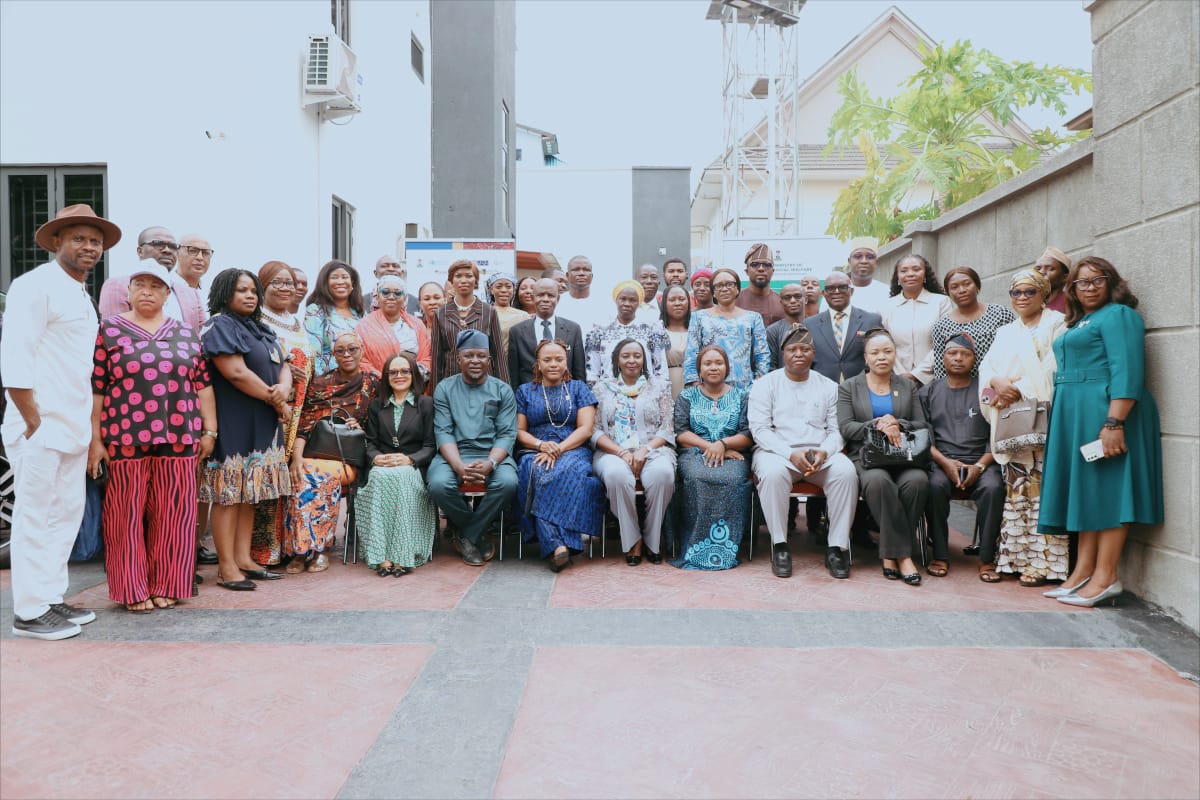
She expressed delight on the caliber of the participants at the event, including professionals, institutions and stakeholders who share a common purpose in safeguarding the health and well-being of every Nigerian through a stronger, more resilient food system, encouraging them to participate fully, share ideas openly, and help shape practical, inclusive, forward-looking solutions so that every Nigerian can trust the food on their table.
The Permanent Secretary acknowledged the dedication of the World Food Safety Day planning Committee, the National Food Safety Management Committee, and all other partners who have worked tirelessly to bring these events to life, emphasizing that their commitment continues to strengthen Nigeria’s leadership in advancing a One Health approach to food safety and nutrition.
During the commemoration, goodwill messages, were presented Federal Ministry of Environment, Federal Ministry of Agriculture and Food security, Federal Ministry of Marine and Blue Economy; Standard Organization of Nigeria (SON), National Agency for Food and Drugs Administration and Control (NAFDAC); World Health Organization (WHO), Resolve To Save Lives (RTSL) and Association of Food, Beverages and Tobacco Employers(AFBTE).
The messages centered on the significance of food hygiene and safety at all stages, describing it as fundamental to public health and it requires collective responsibility; coordinated, and one-house approach.
In his message, Hon. Minister of Environment, Balarabe Abbas Lawal said foodborne diseases in Nigeria are strongly influenced by environmental conditions, which includes poor sanitation, unsafe water pollution, climate change, inadequate waste management, and unsafe agricultural practices.
The Director General, Standard Organization of Nigeria(SON), represented by Mrs Eva Edward , Director Food Safety and Applied Nutrition described the theme, “From Burden to Solutions, safe food everywhere”, as both timely and significant, stating that SON remains committed to developing and promoting standards that support food safety, quality assurance, and regulatory compliance.
“We believe that standards provide a common language for producers, processors, regulators to safeguard consumers and maintain confidence in food safety systems.”
Dr. Pindar Wakawa, Technical officer for Nutrition and food safety, World Health Organization (WHO) presenting goodwill message on behalf of the Country Representative, Dr Pavel Ursu, identified Safe food as not a luxury, but a fundamental human right and cornerstone of food health, nutrition and economic productivity.
He noted that ensuring safe food everywhere is essential to achieving the sustainable development goals and improving the well-being of all Nigerians, announcing that evidence released from the latest global estimates show that most foodborne diseases are preventable.
He called for decisive action especially to protect children, strengthen our food system and address emerging risks like chemical contamination, and commended Government of Nigeria for its ongoing efforts to strengthen food safety through policies, regulatory frameworks and partnerships.
Ado Bako
Assistant Director, Information and Public Relations.
8/6/2026.