


?ABUJA, NIGERIA — Moving to institutionalize long-term environmental sustainability and explore innovative climate finance mechanisms, the Agro-Climatic Resilience in Semi-Arid Landscapes (ACReSAL) project has commenced technical reviews to design a framework for its proposed Payments for Ecosystem Services (PES) pilot scheme.
?The initiative, anchored under ACReSAL’s Sub-Component C1 (Institutional and Policy Strengthening), aims to develop a structured approach providing financial incentives to landowners or land users who adopt sustainable land management practices that enhance vital ecological services, such as carbon sequestration.
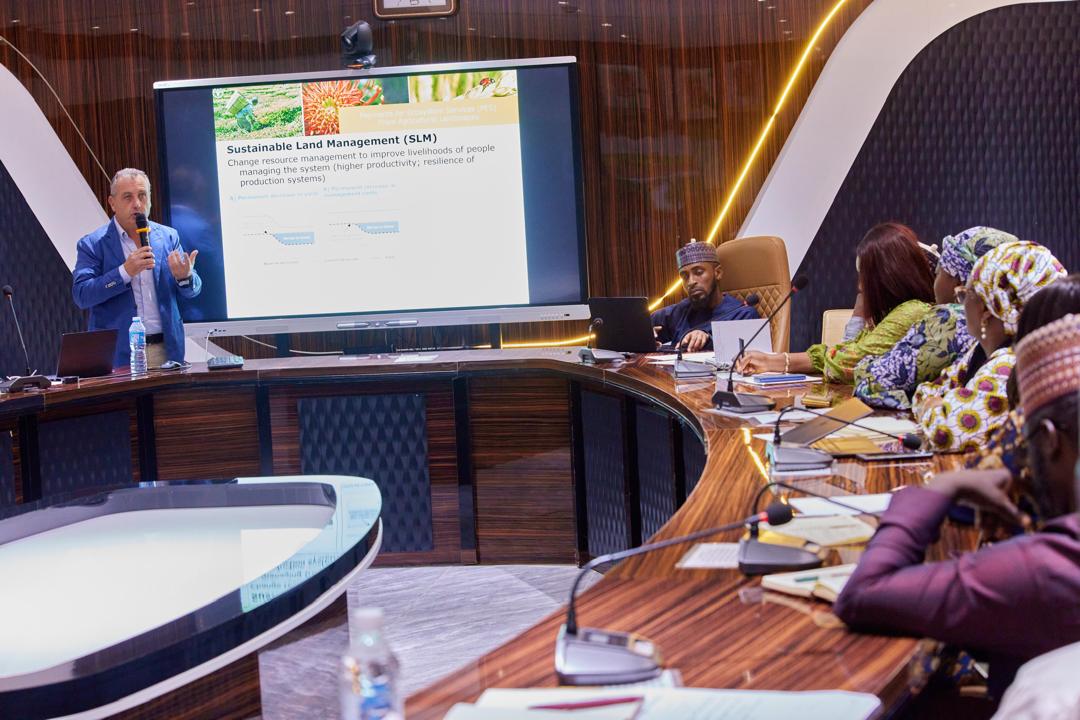
?To lay a solid operational foundation, the ACReSAL Federal Project Management Unit (FPMU) convened an inception meeting in Abuja. The meeting focused on reviewing the consultant’s proposed approach, methodology, and conceptual framework for the design and eventual pilot implementation of the PES scheme, with Adamawa State identified as the focal region for the pilot.
?Establishing the Technical Blueprint for Design
?Speaking on the strategic intent of the meeting, the National Project Coordinator (NPC) for ACReSAL, Abdulhamid Umar, emphasized the necessity of a rigorous design phase before field deployment.
?”We are laying the administrative and technical groundwork for a major shift in how landscape conservation is sustained,” Umar stated. “This inception meeting in Abuja is about critically analyzing the proposed design, methodology, and coordination mechanisms. Ensuring an airtight framework now is what will guarantee the success and viability of the PES pilot when implementation begins on the ground.”
?The technical sessions provided an opportunity to assess how ACReSAL’s existing Sustainable Land Management (SLM) footprints can support future carbon-based ecosystem services:
?-Landscape Baseline: ACReSAL’s broader interventions have already achieved over 800,000 hectares of restored land via afforestation, agroforestry, and gully rehabilitation.
-Adamawa Target Region: The proposed pilot will look to build upon local achievements in Adamawa State, where over 1 million seedlings have been distributed for agroforestry to over 300 households and 3,131 hectares of Regenerative Agriculture (RA) models have been established.

?Methodological Alignment and Strategic Dialogue
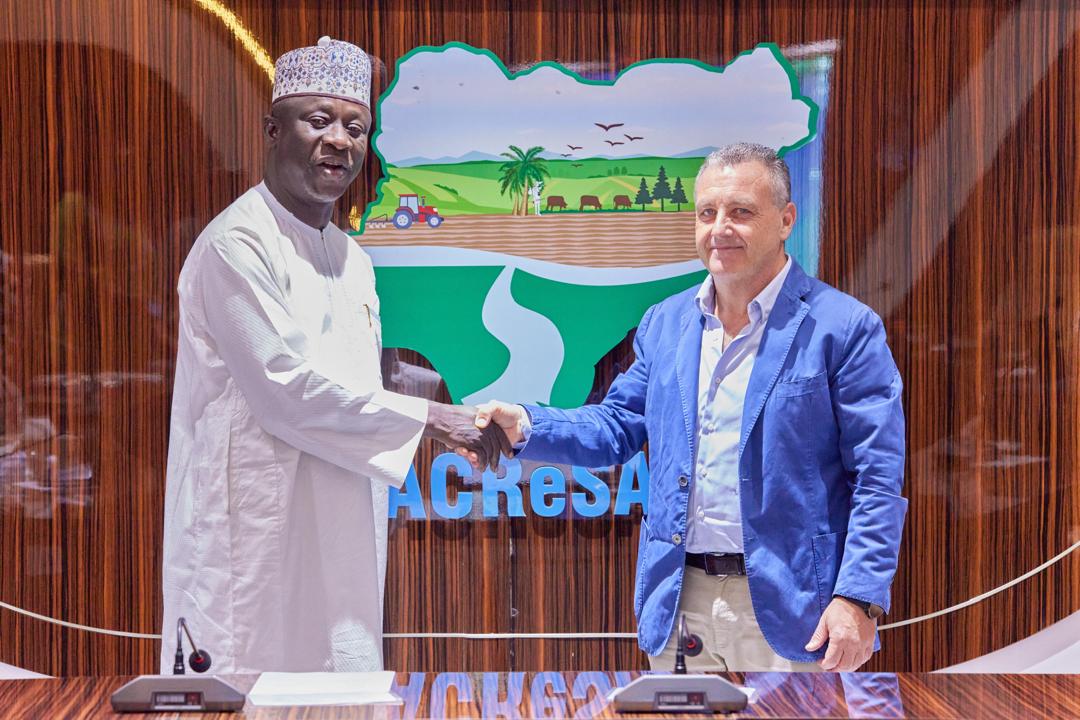
?The Abuja planning meeting also aligned with a strategic management engagement between the Federal Project Management Unit (FPMU) and Mr. Giacomo Branca from the Food and Agriculture Organization (FAO) Investment Centre, focusing on the technical and management architectures required to institutionalize the PES investment cluster effectively.
?During the workshop, experts from the FPMU reviewed several core design elements presented by the technical consultants:
?-PES Mechanisms: Assessing the feasibility of Public PES models (such as green bonds or Article 6 frameworks) versus market-driven Voluntary Carbon Markets (VCM).
?-Incentive Structuring: Evaluating proposed delivery models for individual households on private land versus community-level structures for public land conservation.
?-Institutional Interventions: Exploring policy development needs, monitoring infrastructures, and the geospatial and greenhouse gas (GHG) baseline data required to support a reliable Measurement, Reporting, and Verification (MRV) system.

?Defining Next Steps
?The inception meeting concluded with a clear consensus on the respective responsibilities and coordination pathways between the consultants, the FPMU, and the SPMU.
The technical inputs and clarifications raised during the session will be used by the consultants to refine the implementation roadmap, timeline validation, and risk mitigation strategies moving forward.
Jane Ozuruoke, mnipr
Head of Communication and Public Relations, ACReSAL Abuja Office