

…….Strengthens Fight Against Menstrual Stigma and Inequality.
FIC Report (Abia State) – The global campaign to end period poverty and dismantle the stigma surrounding menstruation took centre stage in Umuahia as the Abia State Government renewed its commitment to ensuring that no girl is denied education, dignity, confidence or opportunity because of her menstrual cycle.
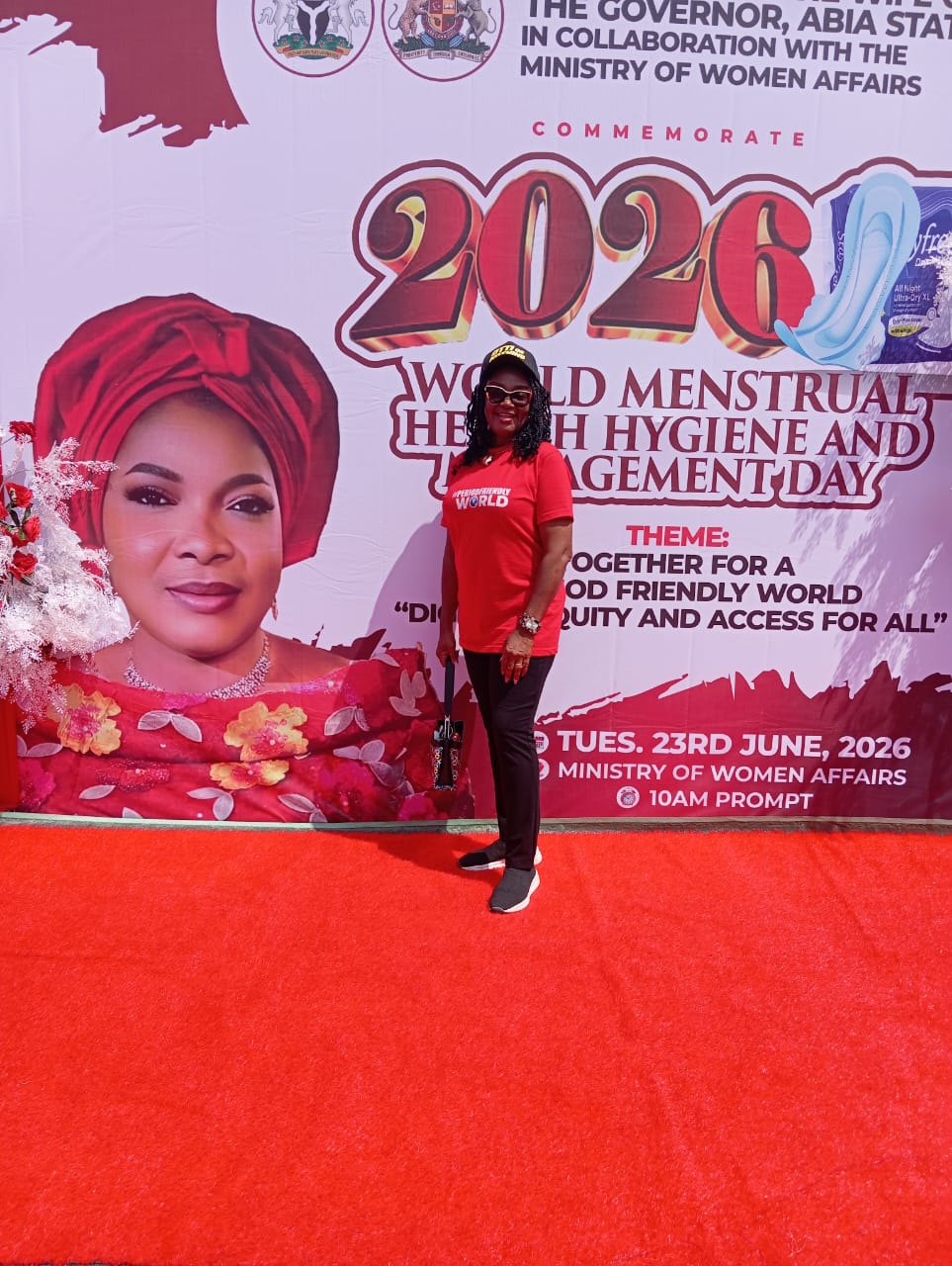
The 2026 World Menstrual Hygiene Day celebration, organised by the Office of the Wife of the Governor in collaboration with the Ministry of Women Affairs, brought together government officials, education stakeholders, development partners, traditional rulers, healthcare experts, teachers and students under the theme: “Together for a Period-Friendly World: Dignity, Equity and Access for All.”
The event became a powerful platform for advocacy, awareness and action, with stakeholders calling for improved menstrual health management, affordable sanitary products, inclusive sanitation facilities and the elimination of harmful myths and stigma surrounding menstruation.
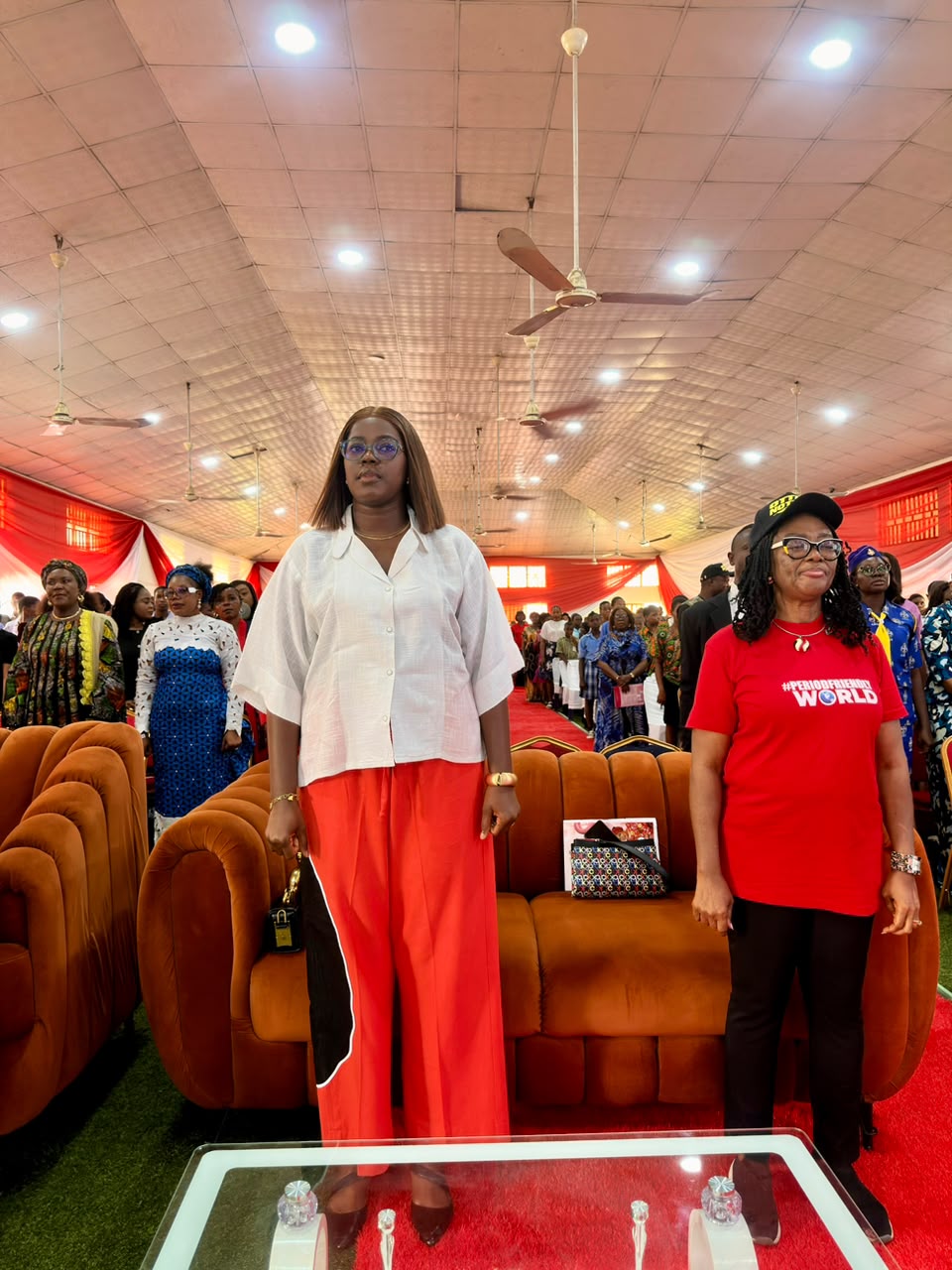
Representing the Wife of the Governor, Mrs. Priscilla Chidinma Otti, the Wife of the Deputy Governor, Mrs. Adaeze Emetu, described menstrual health as a critical development issue with direct implications for education, public health, gender equality and economic productivity.
She noted that inadequate access to affordable menstrual products and poor Water, Sanitation and Hygiene (WASH) facilities continue to expose girls and women to health risks, school absenteeism and diminished confidence.
Mrs. Emetu called on governments, development partners and stakeholders to increase investments in menstrual health education, quality and affordable sanitary products and improved sanitation facilities.
She also urged parents, teachers, religious leaders, traditional rulers, community influencers and the media to help break the silence surrounding menstruation through open and honest conversations capable of eliminating harmful myths and stigma.
Reaffirming the commitment of Governor Alex Otti’s administration, she highlighted ongoing advocacy campaigns, sanitary pad distribution programmes and investments in improved sanitation infrastructure across schools.
In an emotional message to young girls, she declared:
“Your period is not your weakness. It is a sign of health and strength. Do not allow stigma or lack of resources to stop your dreams. You are capable, valuable and deserving of every opportunity.”
Earlier in her welcome address, the Commissioner for Women Affairs, Dr. Mrs. Maureen Aghukwa, said the annual observance offered an opportunity to join millions across the world in promoting menstrual health awareness and confronting the myths, silence and discrimination that still surround menstruation.
She stressed that although menstruation is a natural and healthy part of life, many women and girls continue to struggle with limited access to menstrual hygiene products, accurate information and adequate sanitation facilities.
According to her, these challenges negatively affect the education, health, self-esteem and overall wellbeing of girls and women.
“We remain committed to creating an environment where every girl can thrive without discrimination or disadvantage because of her menstrual cycle,” she stated.
Dr. Aghukwa explained that through collaboration with civil society organisations, healthcare providers, community leaders and development agencies, the Ministry has continued to champion policies and programmes that support the health and welfare of women and girls across Abia State.
She encouraged young girls to remain confident and committed to good hygiene practices while urging parents, teachers and community stakeholders to create safe spaces for discussions on menstrual health.
“Together, we can eliminate harmful misconceptions about menstruation and build a society where every girl can achieve her full potential,” she added.
The Commissioner also commended Governor Alex Otti for prioritising the welfare of women and girls in the state.
Delivering the keynote lecture, renowned social policy and social protection expert, Dr. Theodora Ngozika Igboaruka Uchenna, advocated inclusive menstrual health services and products for all menstruating persons.
Drawing from her experience with international organisations including UNICEF, USAID and the World Bank, she stressed that every girl and woman deserves access to menstrual products, clean water, sanitation facilities and accurate information.
She lamented that poor menstrual hygiene continues to contribute to absenteeism, health challenges, stigma and discrimination among girls.
According to her, more than 800 million women and girls menstruate daily worldwide, while over 500 million lack adequate menstrual hygiene facilities.
Focusing on Nigeria, she disclosed that over 40 million adolescent girls and young women face poor menstrual education, limited access to affordable sanitary products, inadequate water and sanitation services and persistent stigma.
She further revealed that 77 per cent of schools lack basic water services, 45 per cent lack sanitation facilities and only 11 per cent have access to all three essential services.
Dr. Uchenna called for the establishment of sanitary pad banks across schools and public institutions, citing the example of Bauchi State where legislation has institutionalised such interventions.
She urged policymakers, educators, traditional leaders and development partners to prioritise girl-friendly sanitation facilities, menstrual education and affordable sanitary products while promoting positive attitudes towards menstruation.
Linking menstrual health to the Sustainable Development Goals (SDGs), she noted that menstrual equity directly contributes to gender equality, quality education, good health, human rights, clean water and sanitation, and economic productivity.
Speaking from the education perspective, the Senior Special Assistant to the Governor on Basic and Secondary Education, Hon. Kelechukwu Nwosu, described menstrual health as an educational imperative that directly affects school attendance, learning outcomes and gender equality.
He commended Mrs. Priscilla Otti for her compassionate and visionary leadership, noting that her humanitarian interventions continue to provide hope and support for vulnerable groups.
Hon. Nwosu highlighted significant improvements in the education sector, including the provision of clean water, handwashing stations, functional toilets and inclusive sanitation facilities in retrofitted schools across the state.
He disclosed that teachers are being trained in adolescent health education and menstrual hygiene management to empower girls, improve self-esteem and enhance academic performance.
According to him, the Abia State Model Smart School, Ubakala, now operates a dedicated Girls Room where female students can privately manage their menstrual periods without interrupting their education.
He reaffirmed the government’s commitment to providing a safe, inclusive and supportive learning environment where every child can thrive.
In her overview of the global campaign, the Permanent Secretary, Ministry of Women Affairs, Mrs. Ogechi Becky Oguama, explained that World Menstrual Hygiene Day, observed annually on May 28, was established in 2014 to promote menstrual equity worldwide.
She noted that the date symbolises the average menstrual cycle of 28 days and an average menstruation period of five days.
According to her, this year’s theme underscores the collective responsibility of governments, schools, communities, families and development partners to eliminate menstrual stigma and guarantee universal access to menstrual products, healthcare, education and supportive infrastructure.
She highlighted ongoing interventions by the Abia State Government, including menstrual health awareness campaigns, sanitary pad distribution to vulnerable girls, school-based sensitisation programmes and advocacy against period stigma.
Adding the voice of young people, student advocate Miss Esther Stephen delivered an inspiring presentation on menstrual dignity and body confidence.
She described menstruation as evidence of the power of creation rather than a source of shame, urging girls to reject stigma and embrace confidence.
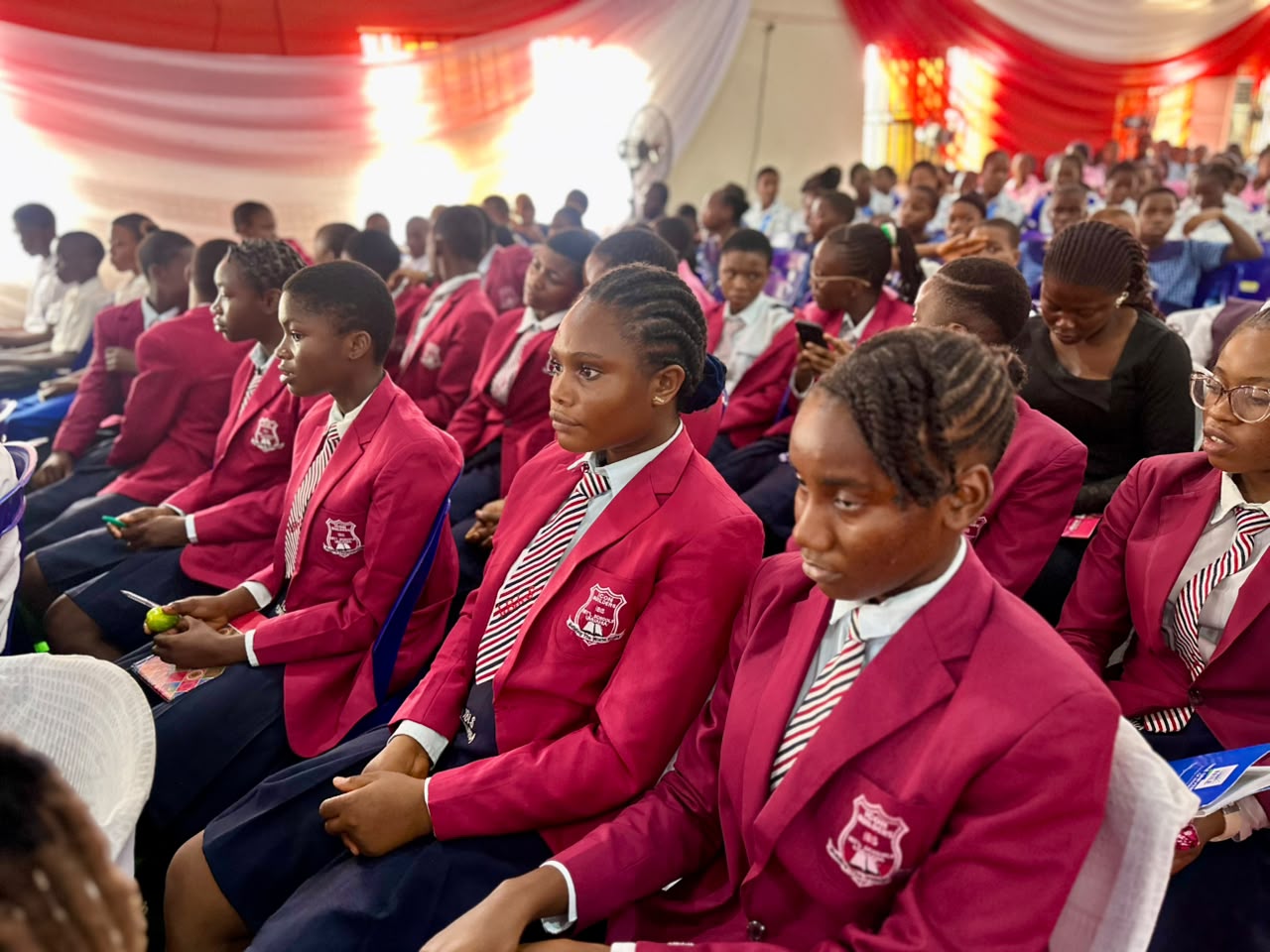
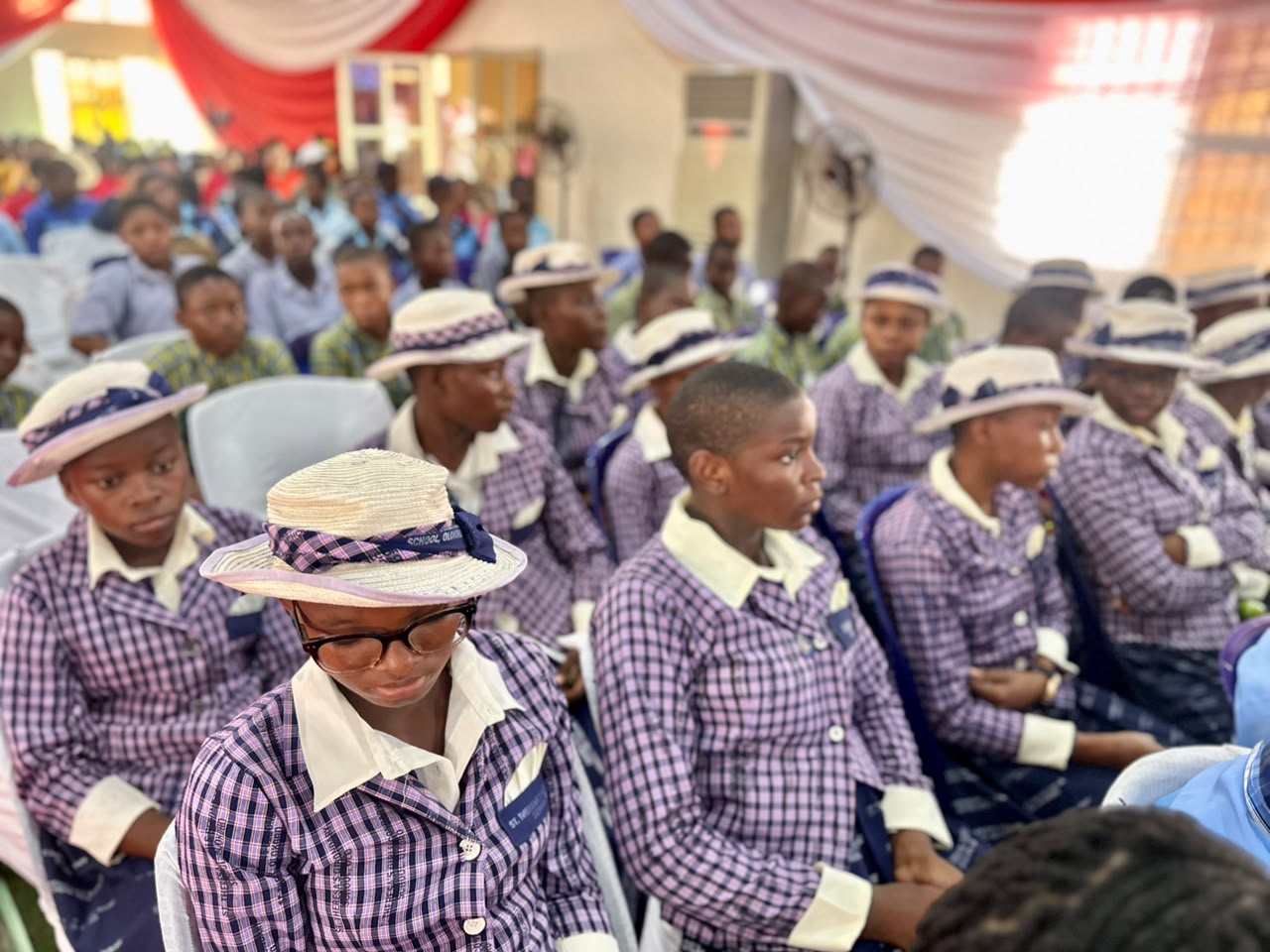
The event also featured colourful performances by students, including a drama presentation on menstruation by Girls Secondary School, Uzuakoli, and a traditional dance performance by St. Theresa’s Girls Secondary School, Olokoro.
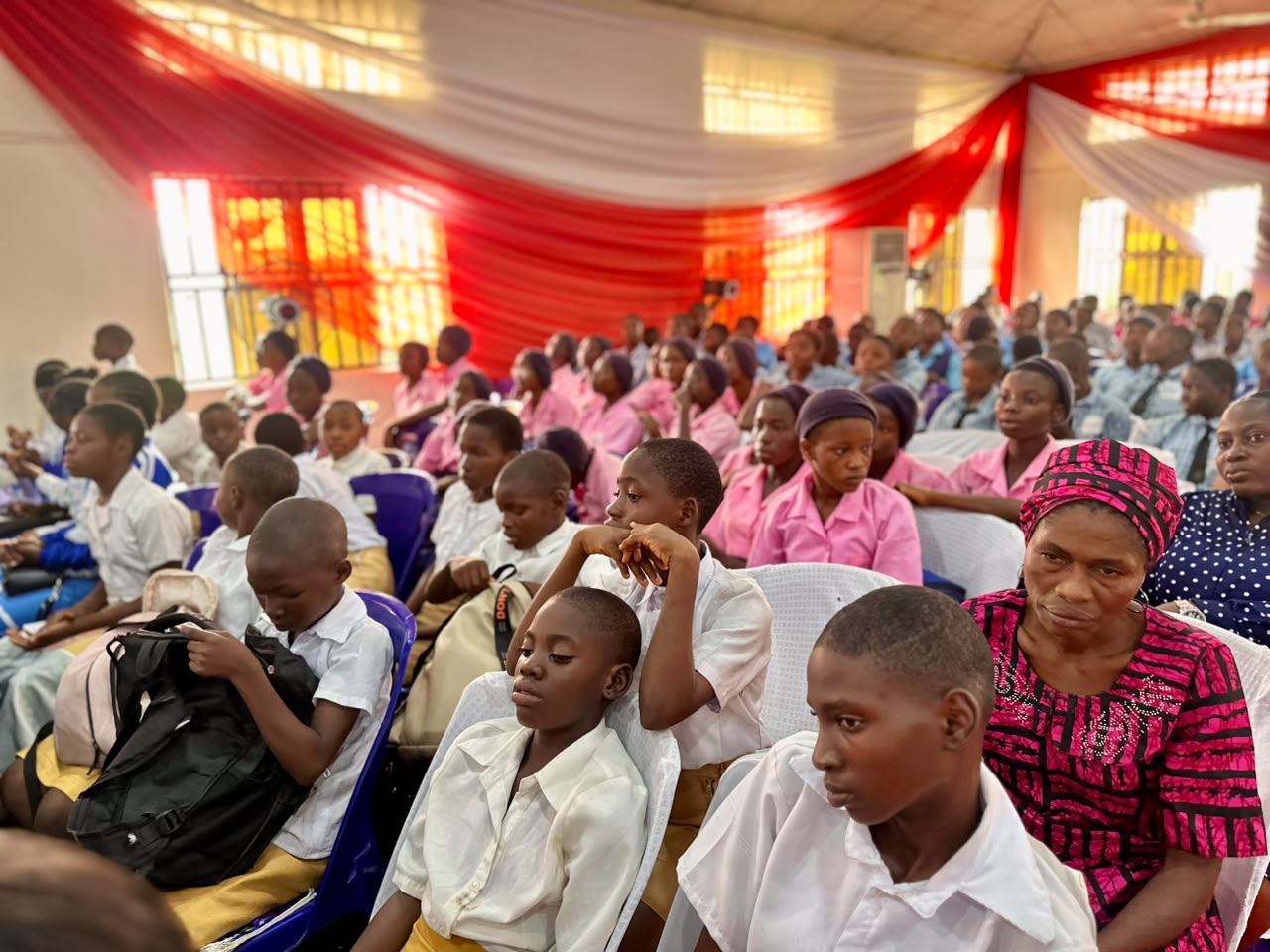
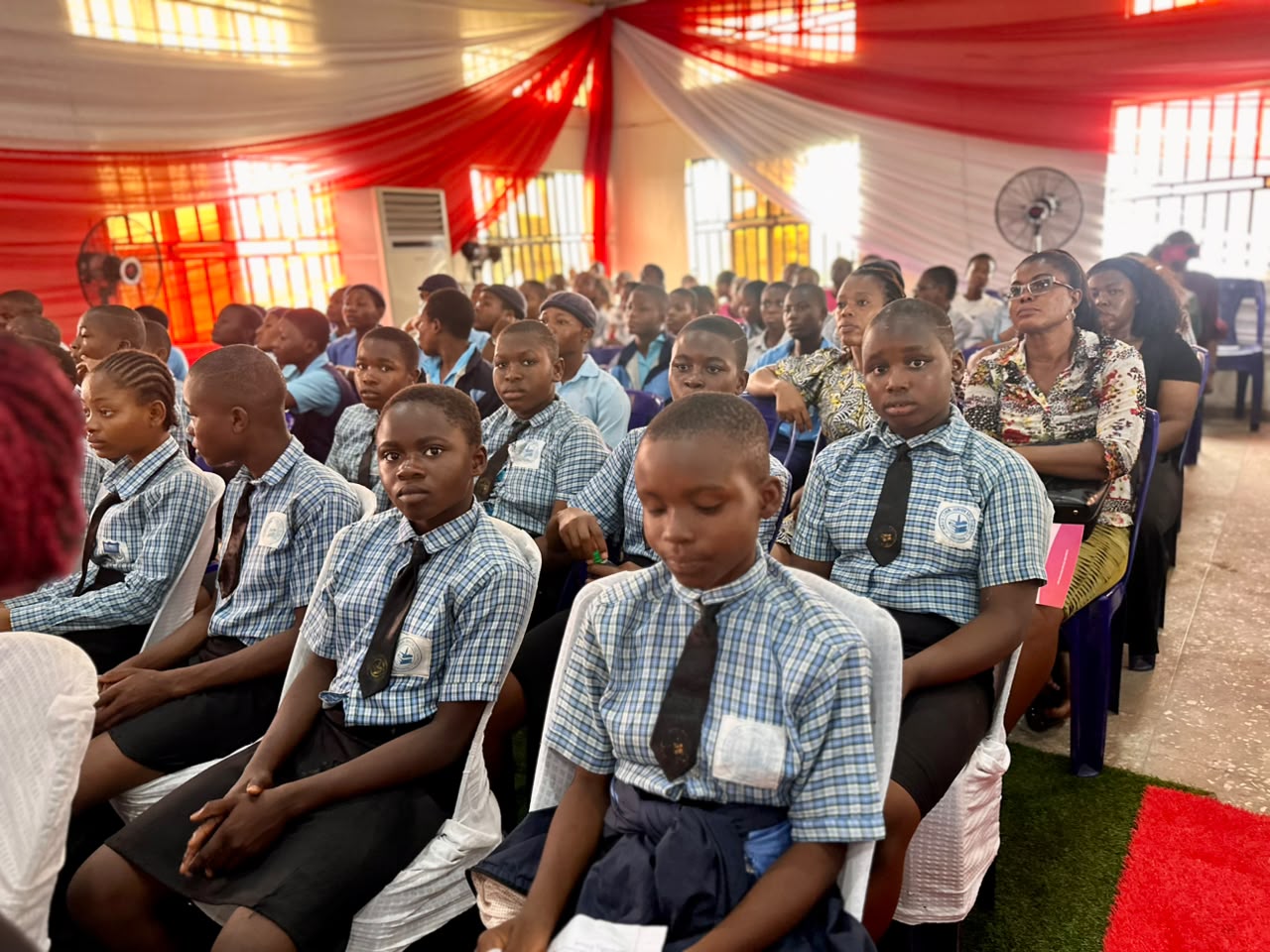
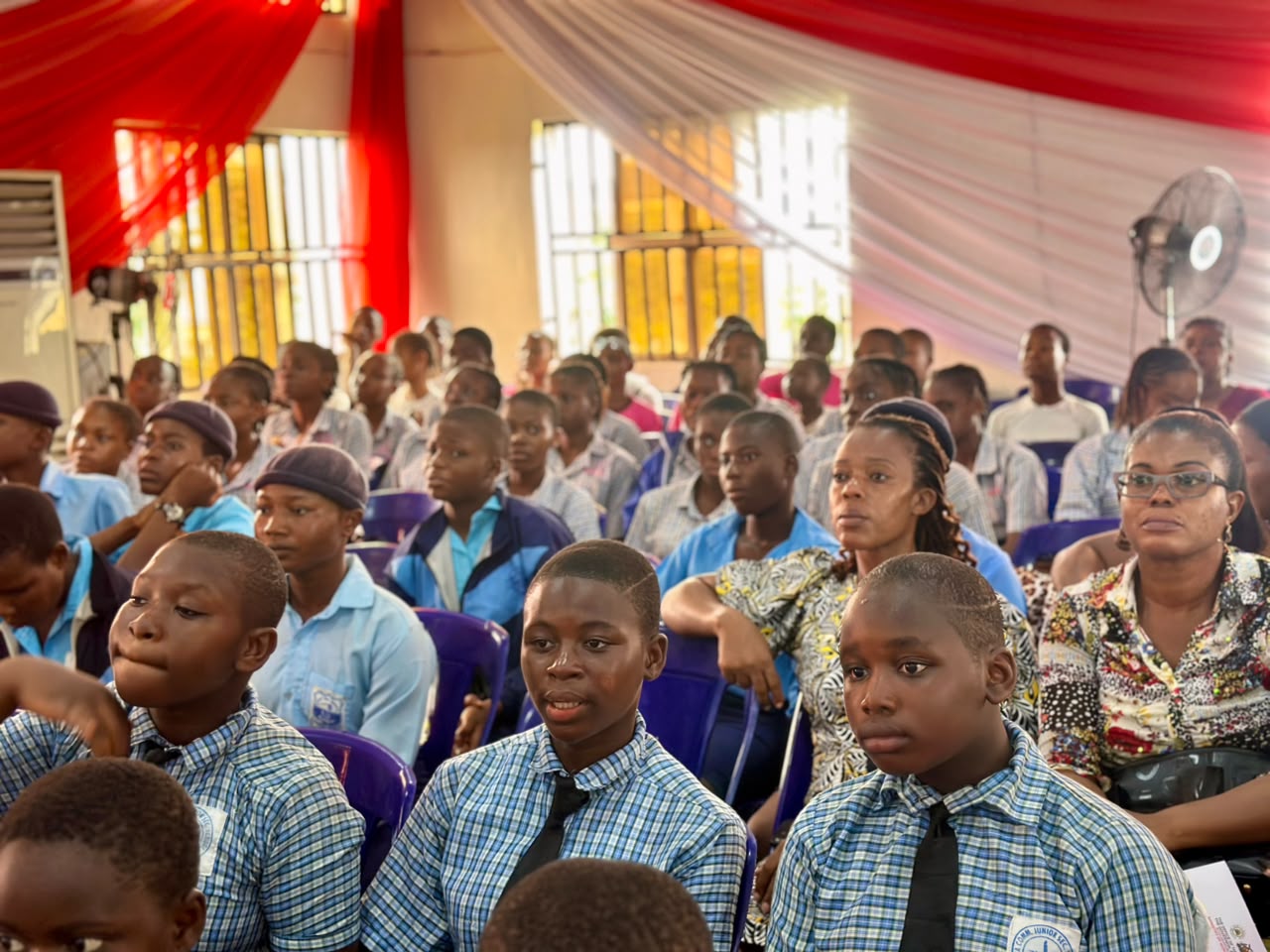
Schools represented included St. Theresa’s Girls Secondary School, Olokoro; Girls Secondary School, Uzuakoli; Icon Builders Academy Umuahia; Government Technical School, Afaraukwu; Afugiri Girls Model School; Olokoro Girls Junior Secondary School; Okwuta Community Primary School; Amakama Community High School; Masters Vessel Classical Academy; University Demonstration School; and School of the Blind, Afaraukwu.
Dignitaries present included the Commissioner for Youth and Sports Development, Mr. Nwaobilor Ananaba; Commissioner for Creative Economy, Dr. Matthew Ekwuribe; Chairman of Umuahia North Traditional Rulers Council, HRH Eze Eddie Ibeabuchi of Afaraukwu Ancient Kingdom; wives of local government mayors; heads of parastatals and agencies; and other senior government officials.
As the global movement for menstrual equity continues to gain momentum, Abia State’s renewed commitment sends a strong message that menstruation should never stand between a girl and her future.
The event ended with a collective pledge by government officials, educators, development partners and stakeholders to deepen advocacy, expand access to menstrual hygiene products and strengthen policies that promote menstrual dignity, ensuring that every girl remains in school, every woman enjoys dignity and every community contributes to building a truly period-friendly world.
Abiakam Gloria Ify
HOC FIC Umuahia Abia State.
24th June, 2026