


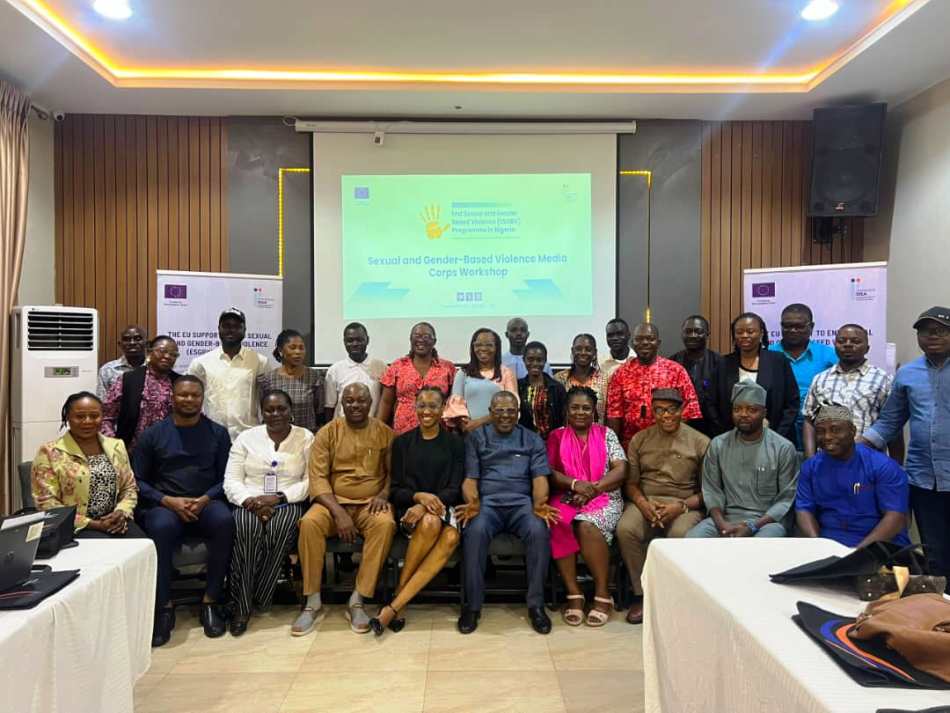
FIC Report (Benue State) – The National Agency for the Prohibition of Trafficking in Persons (NAPTIP) has charged journalists to take the lead in the fight against Gender-Based Violence (GBV) by raising public awareness, protecting vulnerable persons and promoting justice and accountability for survivors.
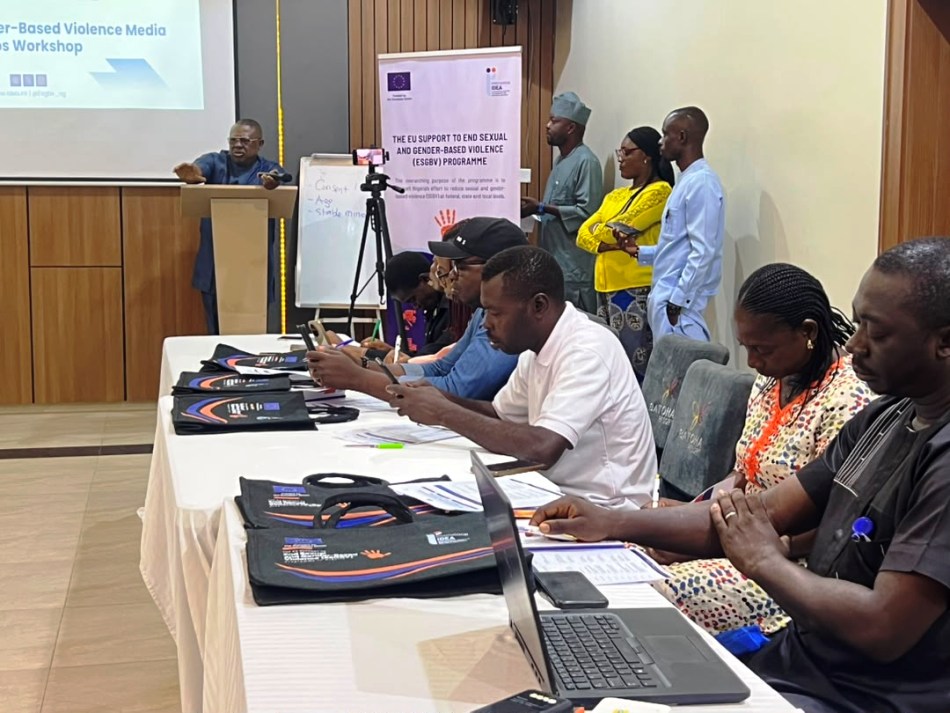
The Director-General of NAPTIP, Mrs Binta Bello, gave the charge on Wednesday, 12th August, 2026, at Batoha Resort, Makurdi, during a two-day capacity-building workshop for the Sexual and Gender-Based Violence (SGBV) Media Corps, organised by NAPTIP.
Represented by the Head of NAPTIP’s Press and Public Relations Unit, Mr Vincent Adekoye, the Director-General commended International IDEA and the European Union (EU) for their support towards the initiative.
She urged journalists to use their platforms to create awareness, promote prevention and demand accountability, noting that NAPTIP had secured over 40 convictions relating to GBV, including three life-imprisonment sentences for rape.
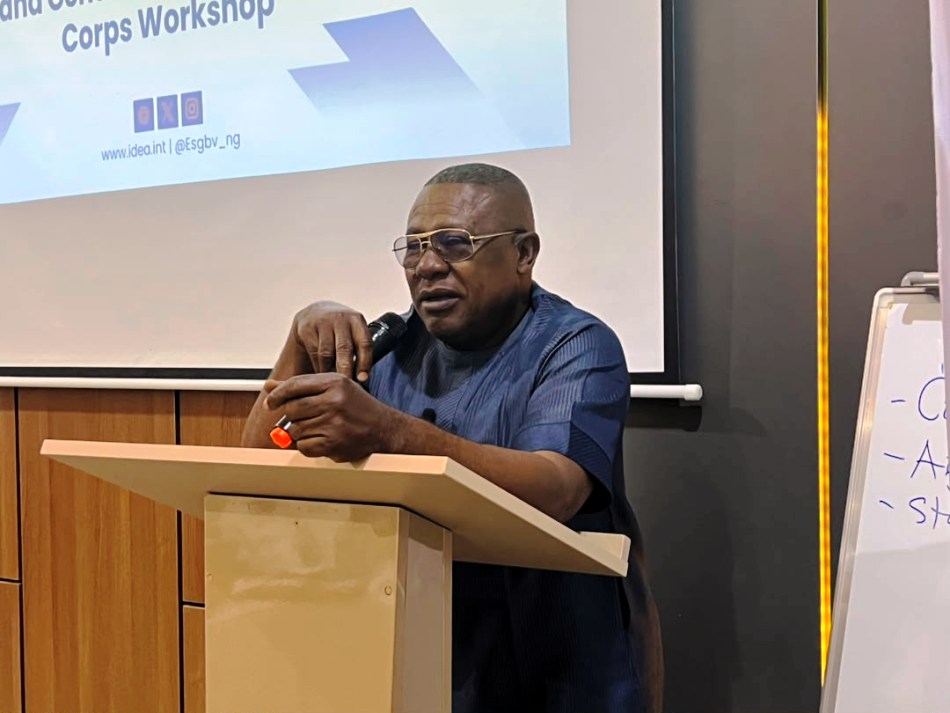
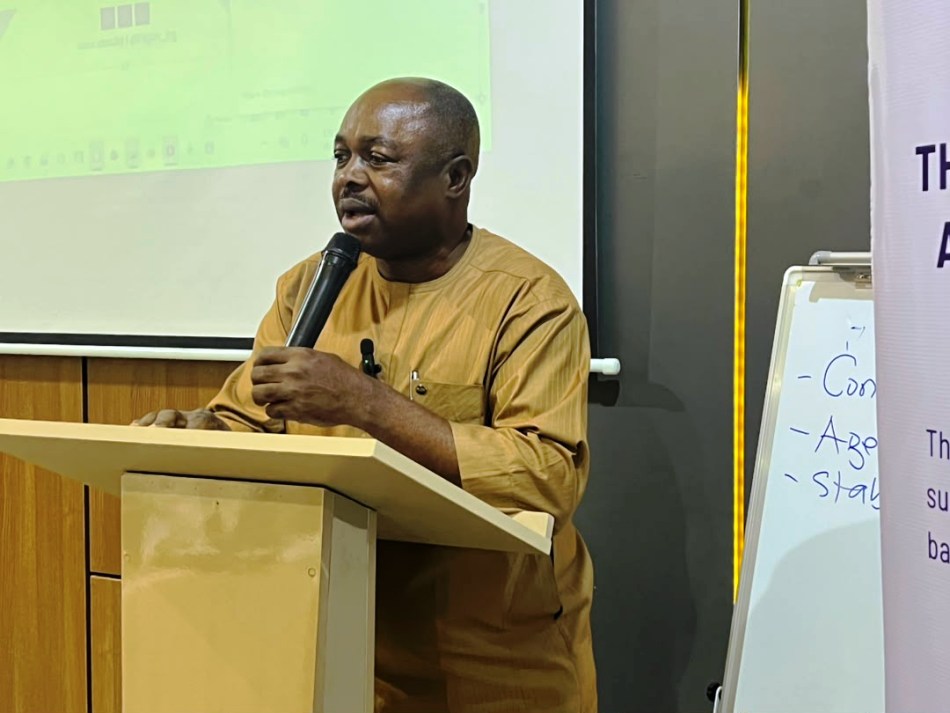
Mrs Bello pledged stronger collaboration with relevant stakeholders to ensure that perpetrators of GBV do not escape justice. She said the SGBV Media Corps was designed to promote professional, survivor-centred and evidence-based reporting, while discouraging sensationalism in the coverage of GBV cases.
Speaking on the initiative, Mrs Wynyfred Achu-Egbuson, International IDEA’s ESGBV Civil Society and Community Mobilisation Specialist, said the programme followed extensive consultations with stakeholders at the federal and state levels.
She explained that Oyo, Benue and Kaduna States were selected for the intervention based on the prevalence of SGBV and opportunities for meaningful change, building on previous initiatives, including ROLAC and the UN Spotlight programme.
According to her, the intervention focuses on three key areas: strengthening laws and policies, improving survivor-centred services, and promoting positive social norms through stronger community engagement.
She said the programme would support the implementation of the Violence Against Persons Prohibition (VAPP) Law, expand Sexual Assault Referral Centres and strengthen civil society and community structures.
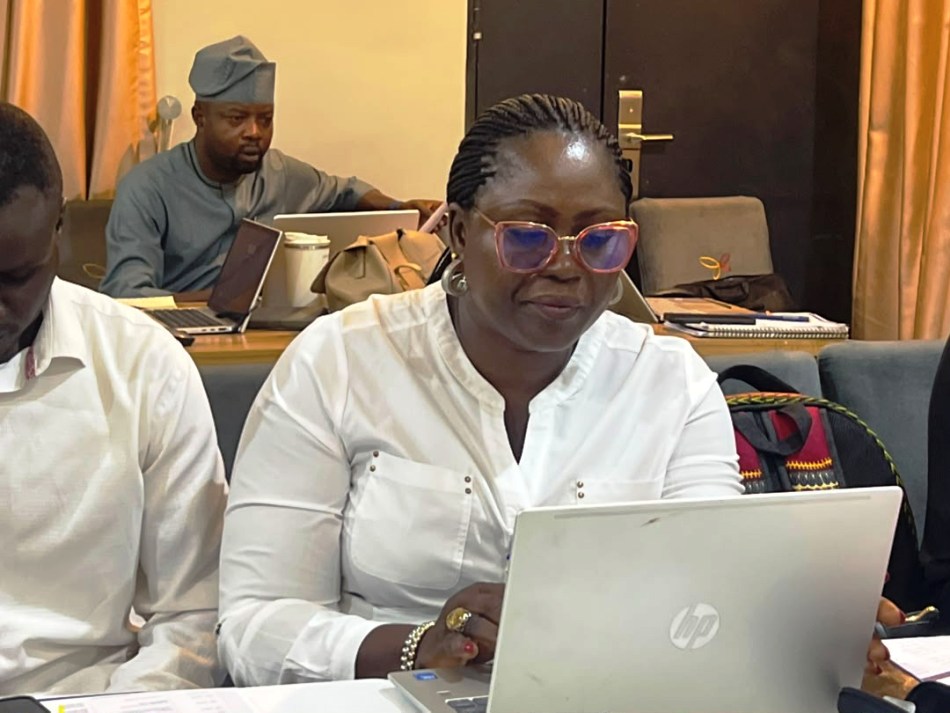

Achu-Egbuson stressed that laws would remain ineffective if citizens were unaware of their rights and the available mechanisms for seeking justice, emphasising the crucial role of the media in promoting grassroots awareness and behavioural change.
Also speaking, the Director-General of Radio Benue, Mr Terseer Mzuulga, called for stronger grassroots collaboration involving the media, religious institutions and community leaders. He pledged the station’s support towards campaigns against GBV.
Mzuulga proposed the use of interactive radio programmes, indigenous-language content and community-focused campaigns to reach wider audiences and deepen public understanding of GBV.
Participants at the workshop are being trained on the nature and realities of GBV, its traumatic effects on survivors, and the critical role of the media in protecting women and children.
The organisers urged members of the Media Corps to use their platforms responsibly to challenge harmful social norms, protect survivors from further trauma, promote awareness of available support services, and strengthen public demand for justice and accountability.
Bridget Udoo Tarker
For: Head of Centre
Federal Information Centre, Makurdi