

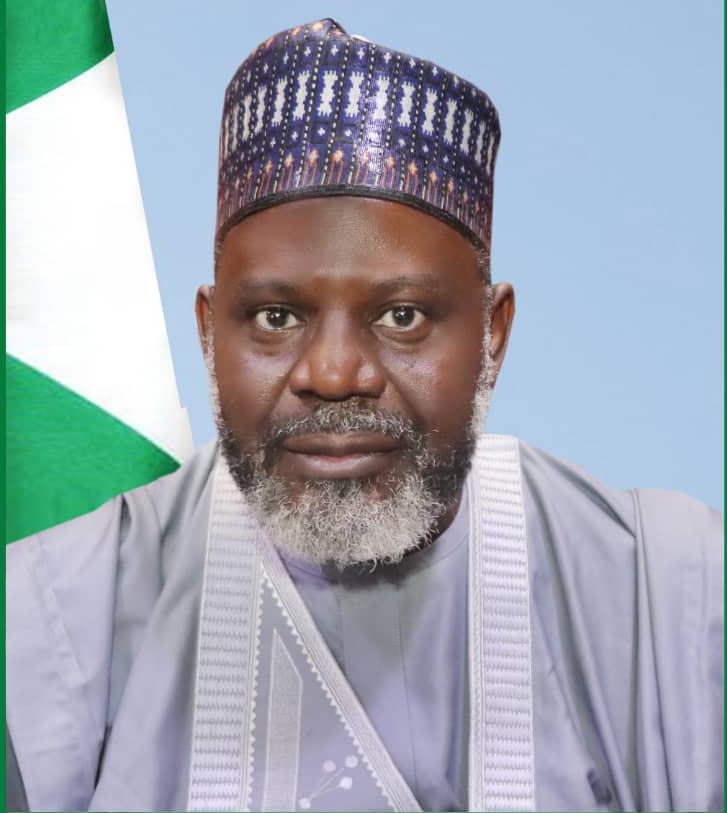
The Permanent Secretary of the Federal Ministry of Art, Culture Tourism and Creative Economy, (FMACTCE), Mr. Abdulkarim Ozi Ibrahim said Cultural Tourism is a driving force for empowerment mostly for rural revitalization in Belts and Road Countries, adding that, it speaks directly to the heart of what the Belt and Road initiative can achieve beyond infrastructure.
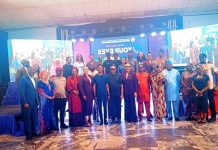
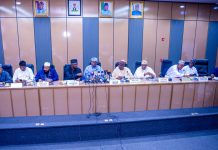
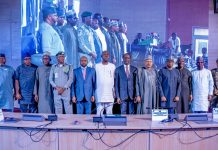
The Permanent Secretary disclosed this today in his opening remarks at an International seminar, with the theme: Cultural Tourism Empowerment for Rural Revitalization in Belts and Road Countries at the Institute of Central Academy of Culture and Tourism Administration in China, Beijing.
He stated that across Belt and Road Countries, Nigeria’s rural communities are custodians of 80% of our living heritage, festivals, crafts, oral traditions, indigenous knowledge and landscapes shaped over centuries.
He emphasized that Cultural Tourism if properly empowered will become the most inclusive development tool the country will have, because it employs women, youth, artisans, farmers and elders, right where they live.
He highlighted three components of empowerment which are: Ownership: Rural communities must own the narratives of their culture.
Capacity: We must invest in training for hospitality, digital marketing, tour guilding and quality standard and Infrastructure with identity: Belt and Road projects gives us roads, energy and connectivity.
Ibrahim also mentioned that Nigeria has begun the mapping of rural cultural assets linking 200+ villages to digital tourism platforms, and the training of over 10, 000 youths as community guides and digital creators. “we are also working with the local government or sub national government or region in China and Rwanda so that 40% of tourism revenue stays in the host community” this in our thinking will reduce rural urban migration, he added.
He emphasized that the theme of the conference aligns strongly with the Nigeria cultural tourism ecosystem and national development aspirations. Maintaining that Nigeria is endowed with extra ordinary diversity of culture assets, including over 250 ethnic groups, vibrant festivals, traditional crafts, historic monuments culture landscapes and rich artistic expression that are predominantly rooted in rural communities.
According to the Permanent Secretary, Belt and Road is often called a “road of trade” let us make it also a “road of culture” a road where “every village is a destination, every elder is a teacher and every tradition is an asset”.
He strongly called for the empowerment of our rural communities, which he said will revitalize not just economies, but the soul of our nations, stressing that, this seminar has “challenged us to rethink development through the lens of culture, heritage and community empowerment”. Cultural Tourism represents a bridge between the past and the future, between local and global engagement and between economic opportunity and cultural preservation, he added.
Those in attendance at the seminar are the Director -.General, National Institute of Hospitality and Tourism, (NIHOTOUR), Mr. Aare Abisoye Fagade, Mr. Yang, Head China Cultural Center, Abuja and the Chinese Ambassador to Nigeria, government and people of the Republic of China, amongst others.
Amadi Uloma Nneka, anipr
Head (Press and Public Relations)
June 25, 2026