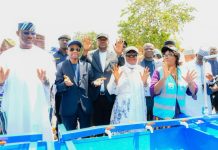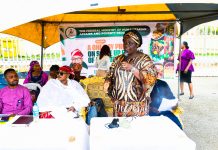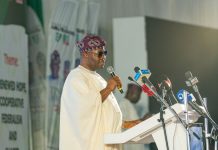


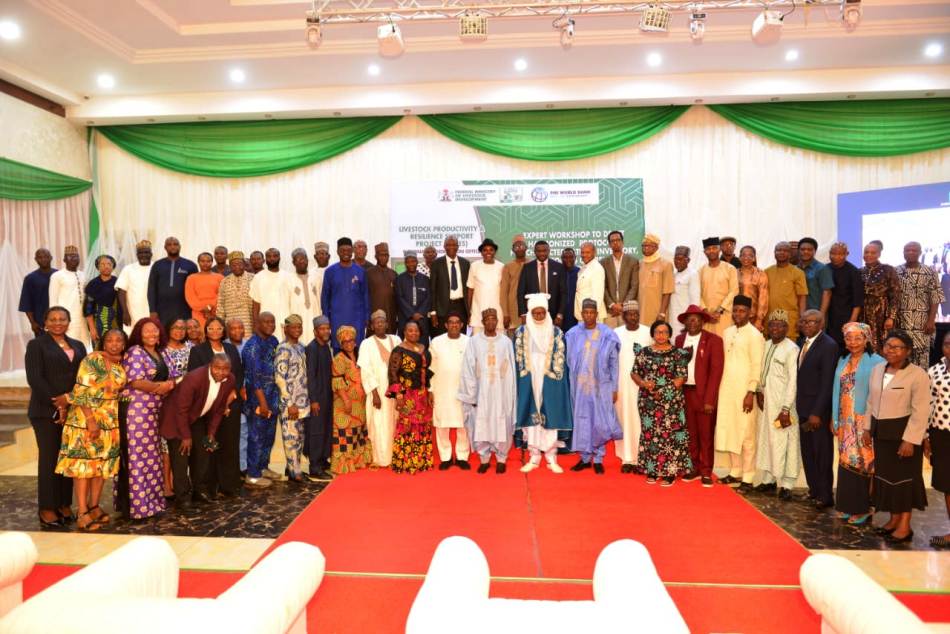
The Federal Government has intensified efforts to transform Nigeria’s livestock sector through a coordinated national approach to animal genetics, as the Honourable Minister of Livestock Development, Idi Mukhtar Maiha, called on experts to develop practical, science-driven solutions to longstanding challenges in Animal Genetic Resources (AnGR) management.
Speaking at a Stakeholders’ Consultative Workshop organised by the Livestock Productivity and Resilience Support Project (L-PRES), a World Bank-assisted programme, in Abuja on Tuesday, April 28, 2026, the Minister underscored the urgent need to harmonise protocols for the characterisation, inventory, and monitoring of trends and associated risks in animal genetic resources.
He stressed that Nigeria’s livestock sector is vital to food security, rural livelihoods, and economic resilience, describing a harmonised animal breeding policy as a national necessity.
Mukhtar noted that effective reform must be anchored on reliable baseline data on indigenous livestock breeds, including their distribution, genetic composition, and adaptive traits, warning that without this foundation, breeding objectives and conservation strategies cannot be properly defined or implemented.
“Without accurate baseline data, it is impossible to design appropriate breeding objectives or determine which breeds are best suited for specific agro-ecological zones,” he said. The Minister further highlighted the importance of continuous monitoring systems to detect early signs of genetic erosion, mitigate extinction risks, and support timely interventions such as conservation programmes and improved breeding strategies.
Declaring the workshop open, Mukhtar aligned Nigeria’s efforts with the Global Plan of Action for Animal Genetic Resources and the Interlaken Declaration, charging participants to develop harmonised, implementable protocols that will strengthen data systems, enhance biodiversity conservation, and support evidence-based policymaking.
In his remarks, the Director of Ruminants and Monogastric Development in the Ministry and National Coordinator on Animal Genetics (AnGR), Victor Egbon, urged participants to prioritise simplicity, inclusiveness, and practicality in developing protocols that can be effectively implemented across all states. He assured stakeholders of government’s readiness to institutionalise and scale the outcomes of the workshop nationwide.
Earlier, the National Coordinator of L-PRES, Dr. Sanusi Abubakar, described the workshop as a milestone in the implementation of the National Strategy on Animal Genetic Resources, launched in June 2025, and aligns with the Global Plan of Action adopted by the FAO.
He explained that while characterisation provides the scientific basis for identifying and understanding livestock breeds, inventory and monitoring systems ensure data-driven decision-making and timely interventions which is fundamental to safeguarding livestock biodiversity and ensuring sustainable sector development.
Dr. Abubakar noted that the exercise is designed to produce harmonised, practical protocols that will guide national data collection, breed identification, and risk monitoring systems. He added that the outcomes will strengthen national databases, improve policy decisions, and support conservation, productivity, and resilience within Nigeria’s livestock sector.
Delivering a goodwill message, the Country Representative of the Food and Agriculture Organization, Dr. Hussein Gadain, reaffirmed continued technical support for Nigeria’s livestock transformation.
He noted that veterinary and genetic services remain the first line of defense in protecting animal health, ensuring food safety, and maintaining market stability, while calling for stronger governance, improved surveillance systems, and enhanced laboratory capacity.
Also speaking, a representative of the Nigerian Governors’ Forum, Professor Abba Gambo, commended the Minister’s proactive engagement with subnational governments and pledged the Forum’s support in expanding participation in L-PRES across all remaining 16 states.
In the same vein, the Emir of Nasarawa, His Royal Highness Alhaji Ibrahim Usman Jibril, called for sustained collaboration among stakeholders to ensure effective outcomes, while State Project Coordinators under L-PRES, represented by the Gombe state Coordinator, Prof. Usman Bello Abubakar, reaffirmed their commitment to producing practical, forward-looking protocols that will guide conservation and sustainable use of animal genetic resources nationwide.
The workshop brought together a broad coalition of stakeholders, including academia, research institutions, financial experts, development partners, and government agencies, to recommit to building a resilient, data-driven, and globally competitive livestock sector.
Henrietta Okokon
Deputy Director, Information and Public Relations
28th April, 2026