
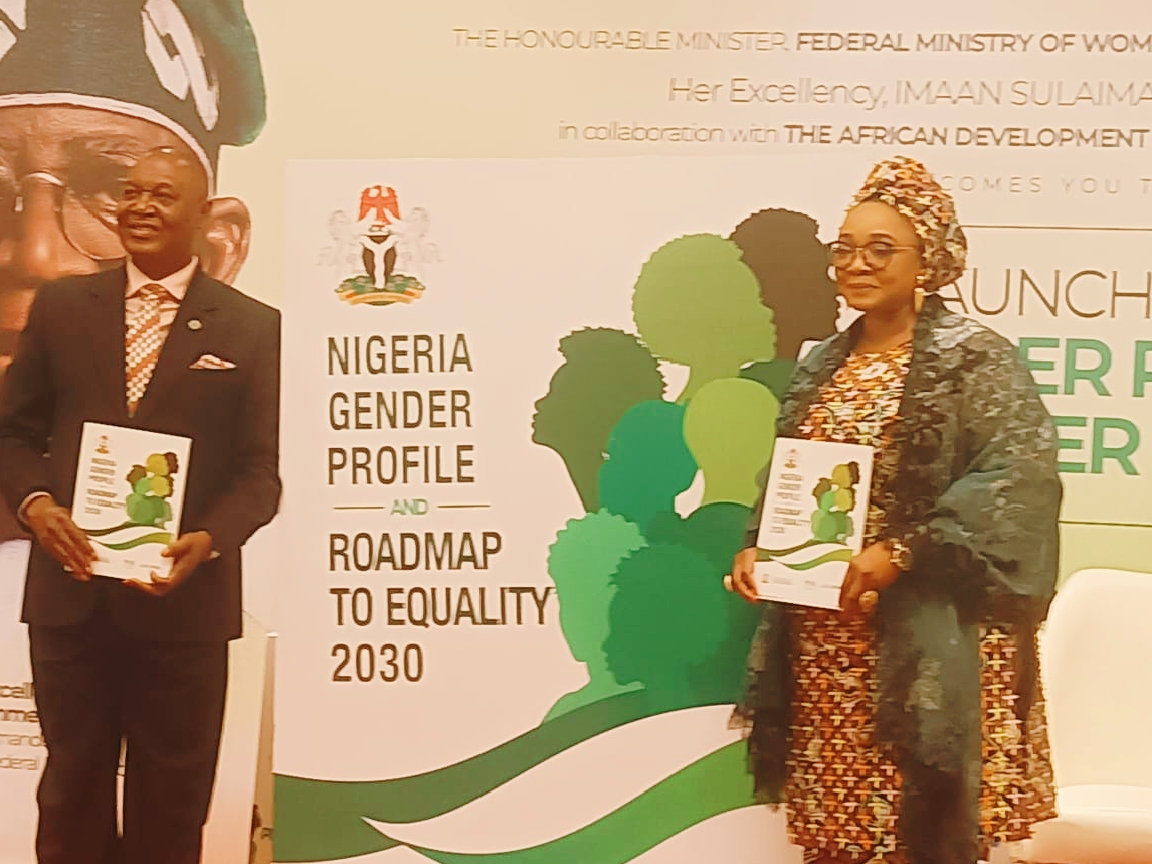
The Federal Government of Nigeria has officially launched the Nigerian Gender Profile and Roadmap to Equality 2030, a landmark national framework designed to accelerate gender equality, strengthen women’s economic empowerment, and drive inclusive national development.
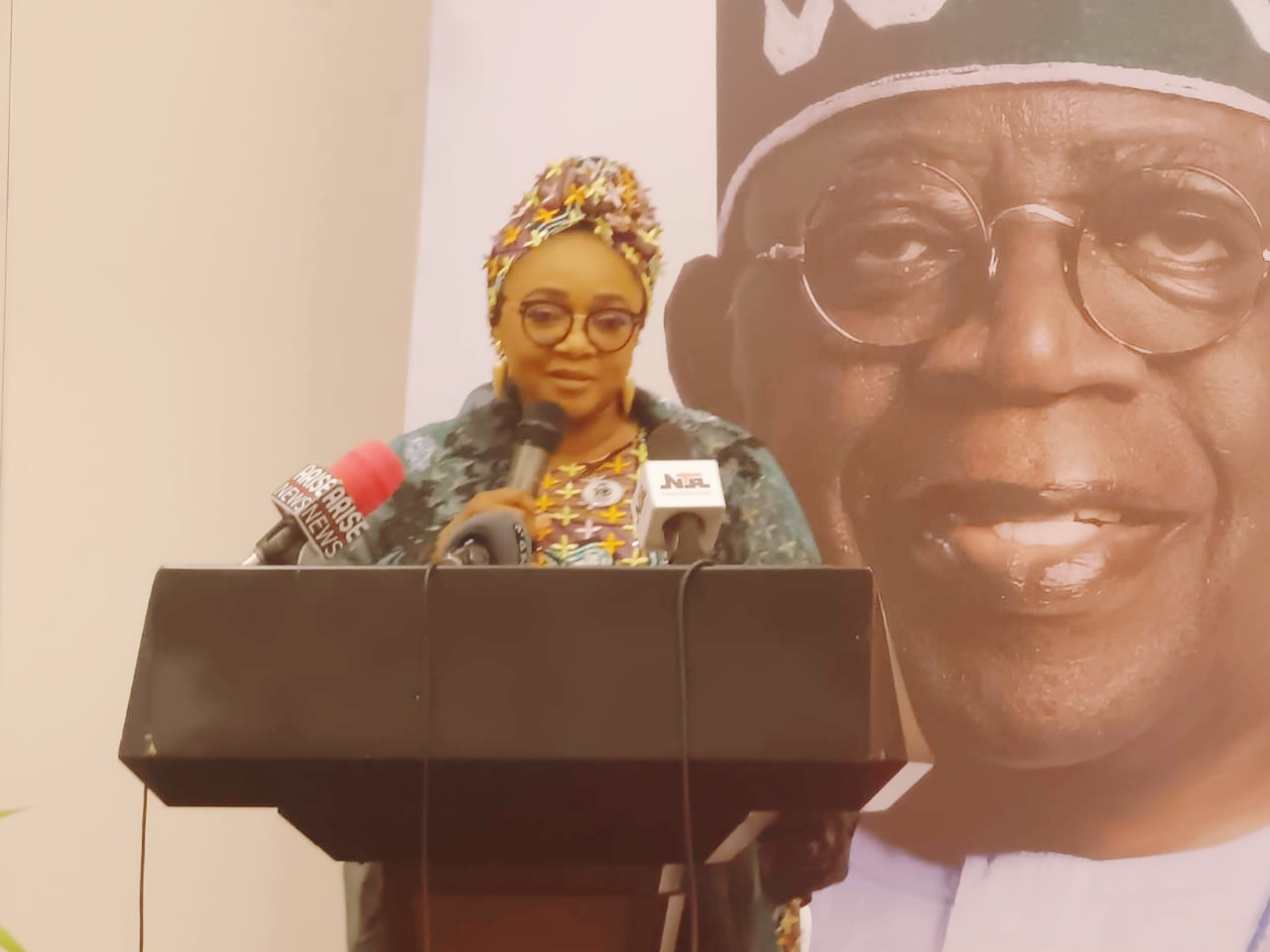
Speaking at the official launch held at the Abuja Continental Hotel, the Honourable Minister of Women Affairs and Social Development, Hon. Imaan Sulaiman-Ibrahim, fsi, described the document as both “an honest evidence-based assessment of Nigeria’s gender landscape and a practical roadmap that will guide the nation’s journey towards equality by 2030.”
The Minister stressed that gender equality is not merely a social aspiration but a strategic investment capable of strengthening families, building resilient communities, and expanding Nigeria’s economic potential.
“Gender equality is not a concession; it is a sound investment in the strength of our nation. When women and girls enjoy equal access to education, finance, leadership and security, families become more stable, communities become more resilient, and the economy grows,” she declared.
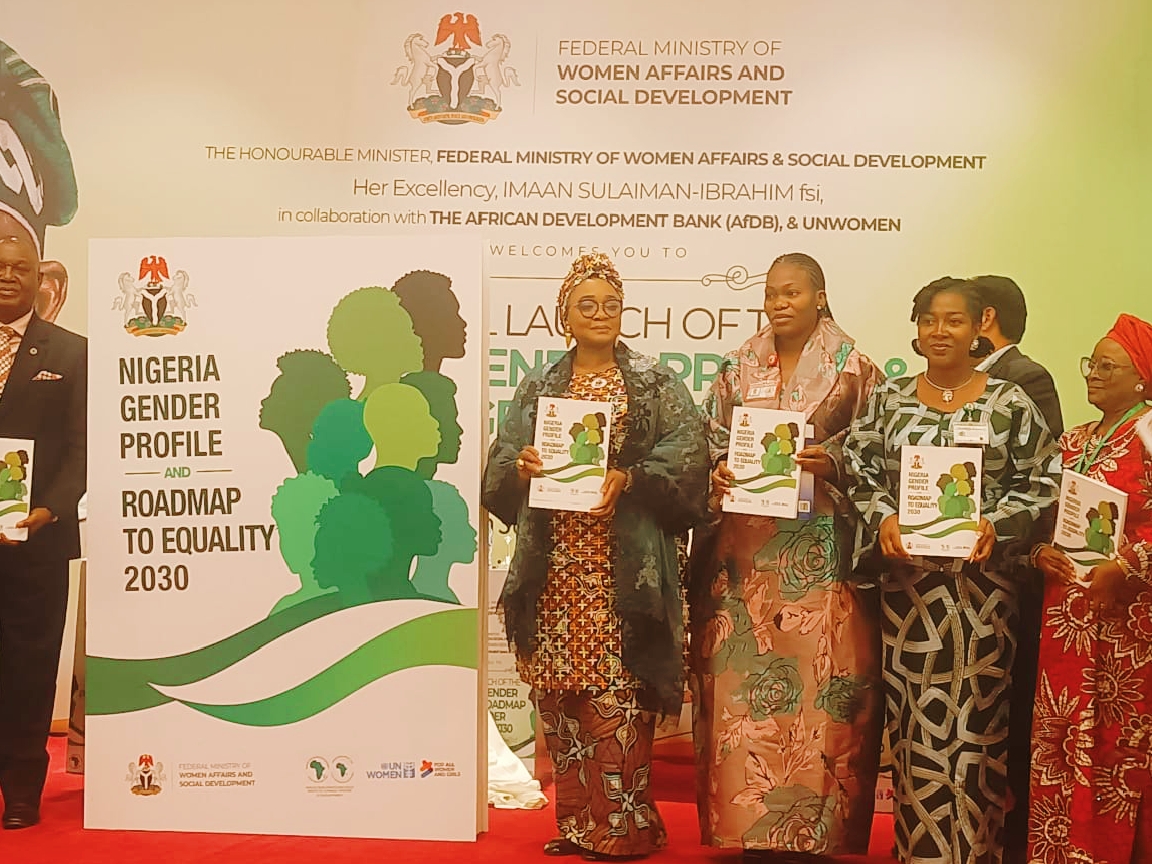
She noted that the Gender Profile and Roadmap, developed by the Federal Ministry of Women Affairs and Social Development with support from the African Development Bank (AfDB) and UN Women, provides the most comprehensive assessment of gender disparities ever produced in Nigeria and establishes a clear implementation framework anchored on eight strategic priority areas.
According to her, the Roadmap is reinforced by complementary national policies, including the National Gender Policy, the National Women’s Economic Empowerment (WEE) Policy, 38 newly validated sector-specific gender frameworks, and the Third National Action Plan on United Nations Security Council Resolution 1325 on Women, Peace and Security.
She further highlighted the Federal Government’s practical interventions under President Bola Ahmed Tinubu’s Renewed Hope Agenda, including the implementation of the Affirmative Procurement Policy for women-owned enterprises, the operationalization of the Nigerian Council for Social Work, the establishment of Gender Desks across Ministries, Departments and Agencies, and the nationwide rollout of the Renewed Hope Social Impact Interventions across all 774 Local Government Areas.
The Minister cited the remarkable achievements of the Nigeria for Women Programme, revealing that more than 560,000 women organized into over 26,000 savings and enterprise groups across six states have collectively saved over ?4.8 billion, which is being reinvested into businesses, healthcare, and children’s education.
“This Roadmap is not a report to be set aside. It is a living framework that guides sustained action, providing every tier of government with the evidence to act, the means to be held accountable, and a sound basis for investment and collective results,” Hon. Sulaiman-Ibrahim stated as she officially declared the Nigeria Gender Profile and Roadmap to Equality 2030 launched.
Delivering the welcome remarks on behalf of the Permanent Secretary, Mrs. Esuabana Nko Asanye, the Director of Legal Services and Director Overseeing the Office of the Permanent Secretary, Mrs. Sweet Adesuwa Okundaye, described the gathering as a strategic platform to accelerate equality and build a more inclusive, prosperous, and just Nigeria.
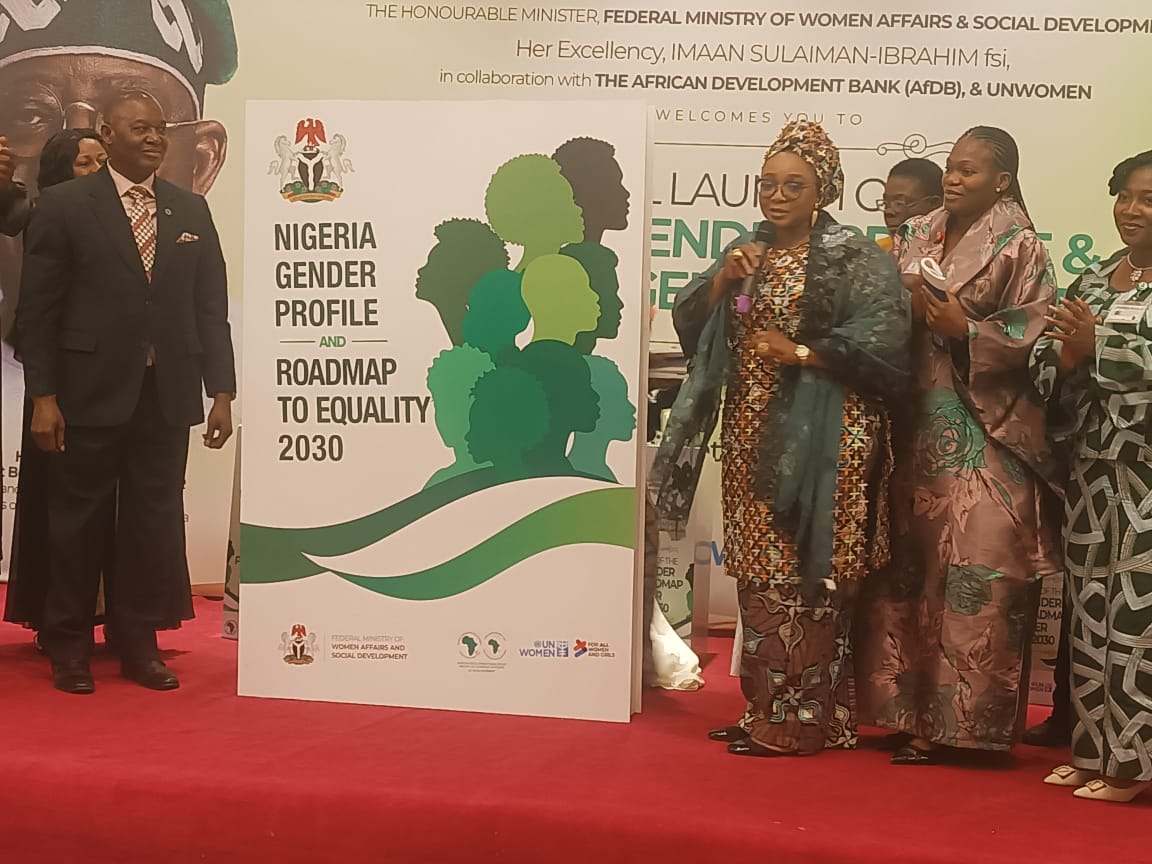
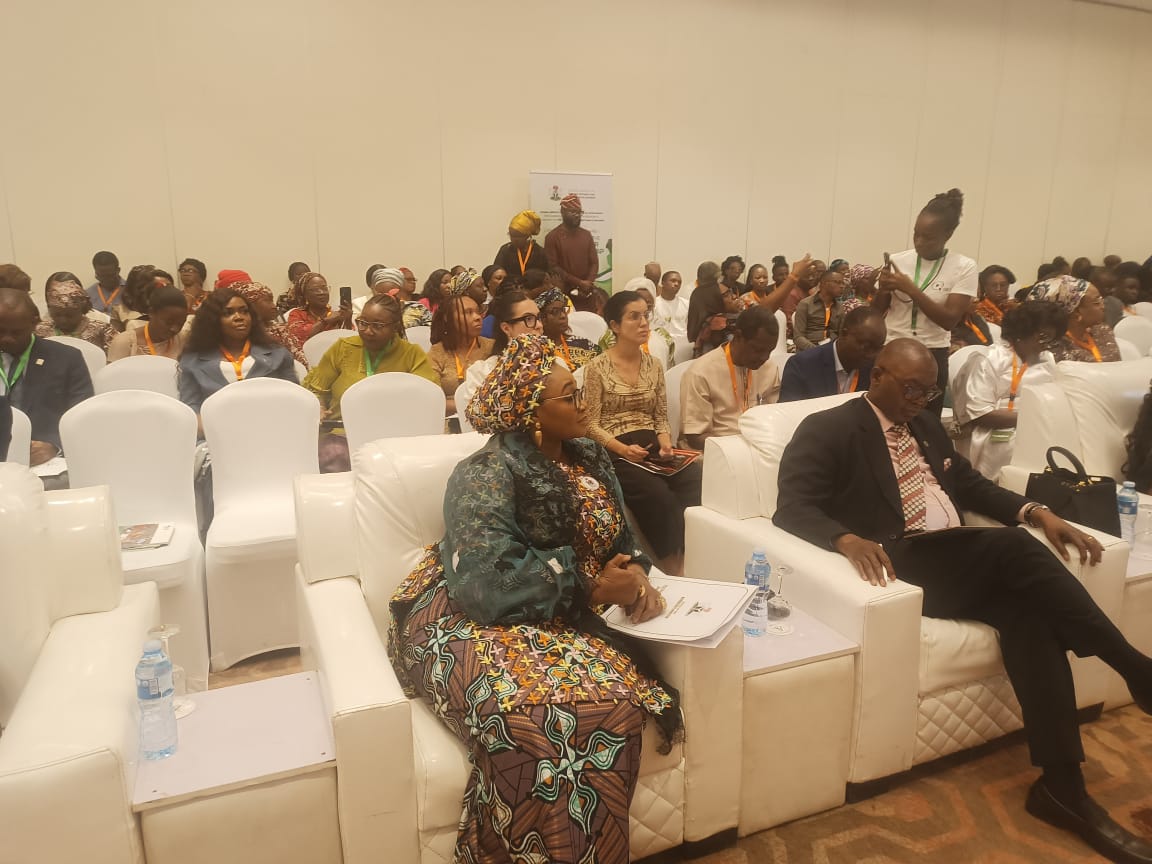
She emphasized that gender equality is a national development issue requiring collective responsibility.
“Gender equality is not a women’s issue alone; it is a national issue. When women and girls are educated, healthy, safe and empowered, our entire nation grows stronger. When men and boys become partners in advancing gender equality and social inclusion, families become more peaceful and prosperous,” she said.
She acknowledged the continued support of the African Development Bank and UN Women in facilitating the development of the Gender Profile and Roadmap and urged stakeholders to translate the document into meaningful action that will strengthen protection systems, empower women, and build resilient families.
Representing the African Development Bank Group, and Acting Vice President for Regional Development, Integration and Business Delivery and Director General for Nigeria, Dr. Abdul B. Kamara, described the Roadmap as a strategic national asset capable of transforming Nigeria’s development trajectory.
According to him, gender equality is not simply a social objective but an economic imperative.
“Nigeria cannot afford to leave half of its population behind. Closing gender gaps could unlock between two and three percent of GDP annually.
This is not marginal; this is transformational,” Dr. Kamara stated.
He highlighted the Bank’s strategic investments supporting women’s access to finance, entrepreneurship, digital skills, employment opportunities, and inclusive infrastructure, noting that Nigeria is among the first countries where gender equality has been elevated from a cross-cutting issue to a strategic pillar within the Bank’s Country Strategy.
Calling for collective action, Dr. Kamara added:
“The challenge is no longer about commitments; it is about implementation at scale. Gender equality is the smartest investment Nigeria can make for its future.
When women succeed, economies grow; when women lead, societies transform; and when gender equality is achieved, nations unlock their full potential.”
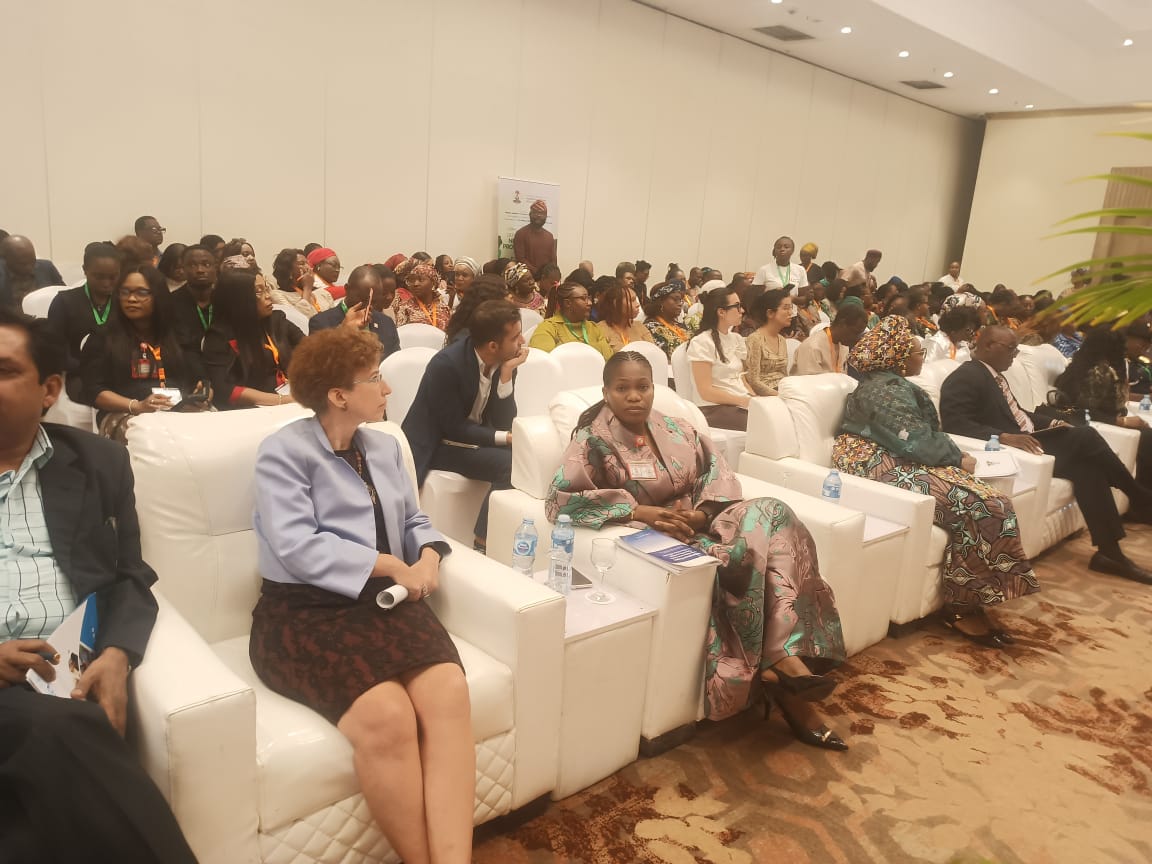
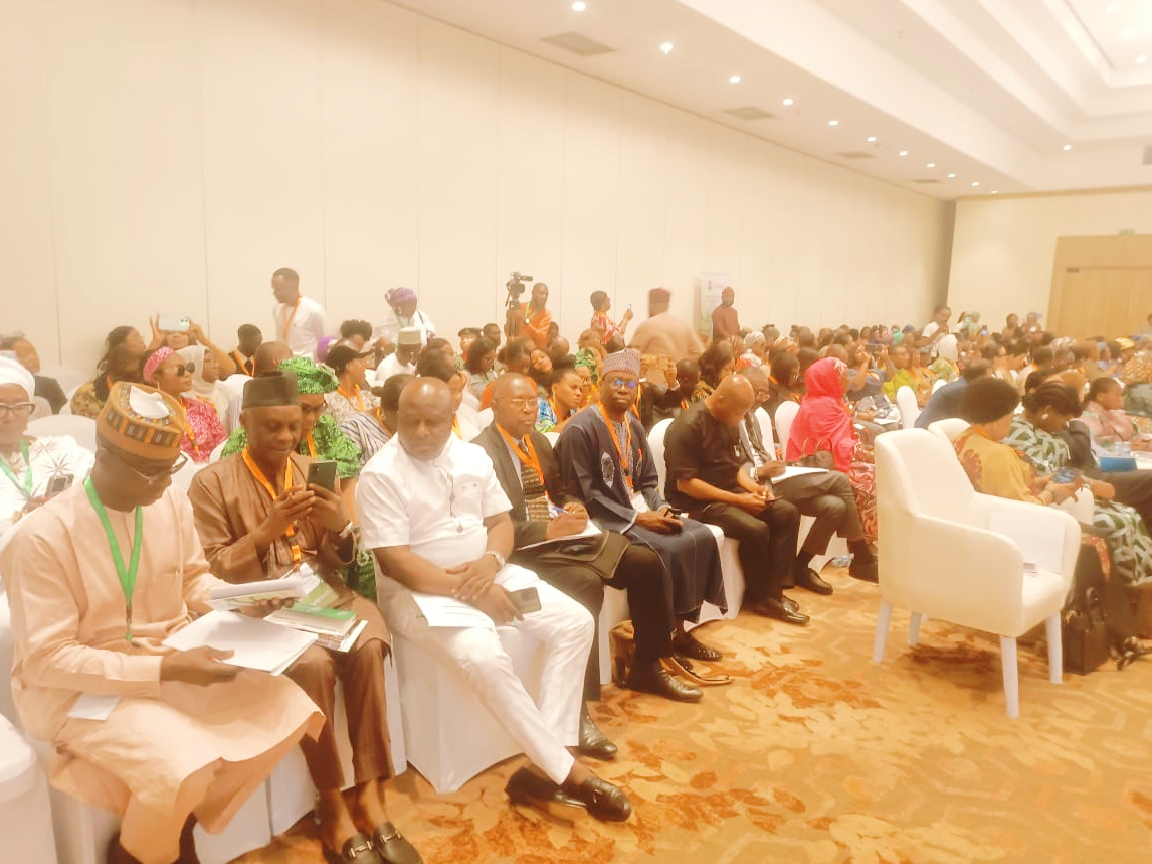
Also speaking, the UN Women Country Representative to Nigeria and ECOWAS, Ms. Beatrice Eyong, represented by Mr. Damar Prasad Ghimire, Operations Manager, UN Women Nigeria, commended the Federal Ministry of Women Affairs and Social Development for providing visionary leadership throughout the development process.
He observed that the Roadmap arrives at a critical period when Nigeria is redefining its national development priorities and striving to achieve the Sustainable Development Goals.
“Gender equality is not a standalone agenda. It is the thread that runs across economic transformation, democratic governance, human capital development, climate resilience and sustainable peace. When gender equality advances, development accelerates,” he stated.
Mr. Ghimire reaffirmed UN Women’s commitment to supporting the Government of Nigeria through stronger institutions, enhanced financing mechanisms, strategic partnerships, and robust accountability systems.
“This is not a roadmap for one Ministry alone; it is a roadmap for all Ministries, all levels of government, development partners, the private sector, civil society and ultimately a roadmap for Nigeria’s future. Let this launch mark the beginning of accelerated action and let this Roadmap become a living instrument for transformation,” he concluded.
The launch brought together senior government officials, development partners, diplomatic representatives, private sector leaders, civil society organizations, academia, women’s rights advocates, youth groups and the media, all united in reaffirming their commitment to advancing gender equality and ensuring that by 2030 Nigeria achieves inclusive prosperity powered by the full participation and empowerment of women and girls.
Ahmed Lawan Danbazau Mnipr
Head, Press and Public Relations Dept.(FMWASD)