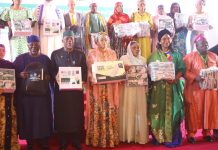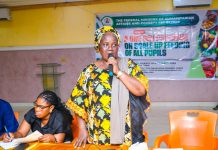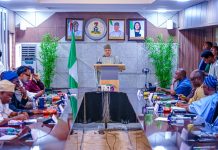


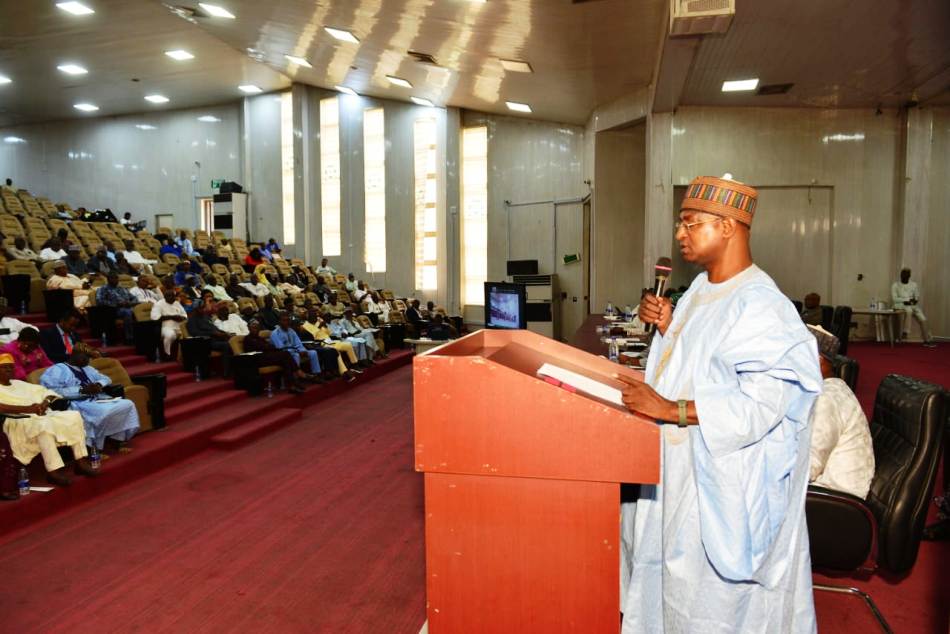
The Federal Ministry of Livestock Development has convened a strategic engagement with Directors of Veterinary Services from across the sub-national level, reaffirming the Federal Government’s commitment to repositioning veterinary services as a cornerstone of national food security, public health, and economic development.
Speaking at the engagement held on Tuesday, 28th April 2026 in Abuja, the Honourable Minister of Livestock Development, Idi Mukhtar Maiha, described the ongoing transformation in the livestock sector as a “national revolution,” positioning veterinary professionals as central drivers of change.
“This country is undertaking a massive revolution in the livestock sector, and you are the champions of that transformation. This gathering reflects a deliberate shift in our approach as a ministry from the broad policy articulation to targeting systems where it matters most. Veterinary services occupy a central position in national development,” he stated.
The Minister explained that while Nigeria has developed comprehensive national frameworks for the control of zoonotic and non-zoonotic diseases, the major constraint remains weak and inconsistent implementation at the state and local government levels.
“The true test of effectiveness lies not at the centre, but at the grassroots – among farmers, pastoralists, livestock markets, and abattoirs, where veterinary services must deliver real results,” he said.
Highlighting the Ministry’s strategic direction, Maiha outlined key priorities including strengthening disease surveillance systems for early detection and rapid response, expanding laboratory and diagnostic capacity, modernising veterinary infrastructure, and enhancing governance frameworks.
He also stressed the need for a well-trained and adequately distributed workforce, noting that “government alone cannot meet the growing demand for animal health services,” and called for stronger private sector participation.
In his remarks, the Minister of State for Agriculture and Food Security, Dr. Aliyu Sabi Abdullahi, underscored the evolving global recognition of veterinary services as essential social services.
“The World Organisation for Animal Health has made it clear that animal health services are now seen as social services, and we must take advantage of that positioning. The profession cannot remain static in a rapidly changing world.
“We must integrate new approaches, strengthen collaboration, and ensure that every cadre within the veterinary ecosystem contributes effectively to national development,” he added, while commending ongoing reform initiatives and calling for stronger alignment among stakeholders.
The Permanent Secretary, Federal Ministry of Livestock Development, Dr. Chinyere Ijeoma Akujobi, highlighted persistent systemic challenges undermining service delivery at the sub-national level. “Several systemic issues continue to limit effectiveness, including gaps in manpower distribution, weak surveillance systems, and underperforming veterinary laboratories due to inadequate infrastructure and resources,” she stated.
Dr. Akujobi stressed that addressing these challenges requires a coordinated and disciplined administrative approach. “We must adopt a structured and collaborative framework that ensures efficient resource utilisation, improved inter-institutional coordination, and sustained service delivery, particularly in rural areas where veterinary services are most needed,” she said.
Delivering a goodwill message, the FAO Country Representative, Dr. Hussein Gadain, reaffirmed the central role of veterinary services in safeguarding livestock productivity and public health. “Veterinary services are the first line of defence in protecting animal populations, reducing production losses, and preventing disease spillover that threatens human health,” he said, reaffirming FAO’s commitment to supporting Nigeria in advancing veterinary sector reforms.
Other dignitaries in attendance included the Permanent Secretary, Ecological Project Office, Dr. Aisha Gogo Ndayako; Permanent Secretary, Service Policies and Strategies Office, Office of the Head of the Civil Service of the Federation, Dr. Mohammed Musa Ishiyaku; Director-General of the Nigerian Agricultural Quarantine Service, Dr. Vincent Isegbe.
Also in attendance were the Executive Secretary of the National Universities Commission, Professor Abdullahi Yusufu Ribadu; Acting Director/Chief Executive of the National Veterinary Research Institute (NVRI), Vom, Dr. Nick Nwankpa; Directors of Veterinary Services from across the states, senior government officials, development partners, academics, veterinary professionals and leading experts in veterinary medicine.
Henrietta Okokon
Deputy Director, Information and Public Relations
28th April, 2026