


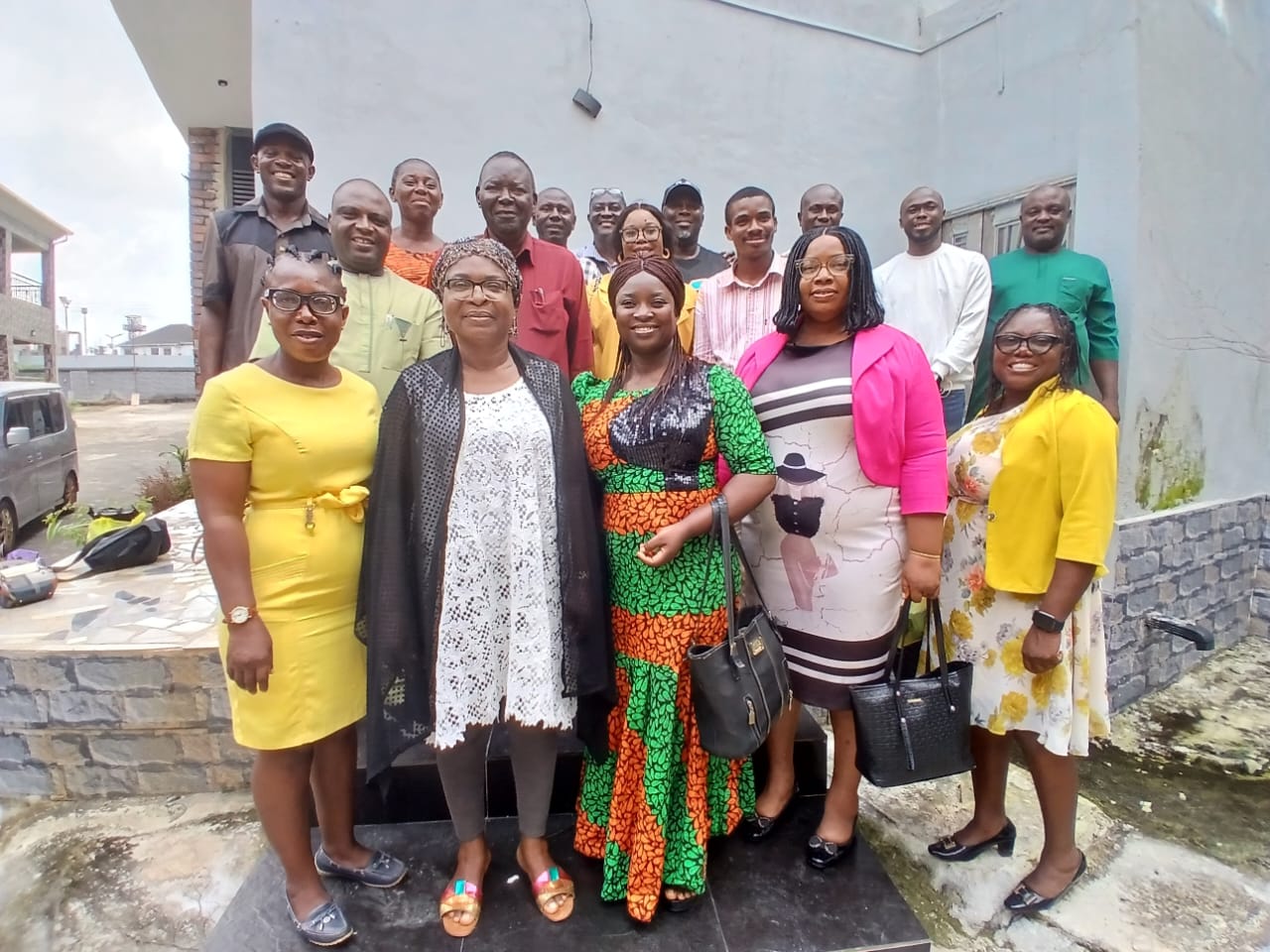
FIC REPORT (ABIA STATE) – The Malaria Consortium has called for increased public awareness and consistent use of insecticide-treated mosquito nets as the organization in collabiration with the National Malaria Elimination Programme (NMEP) prepare to distribute over 3 million nets to reduce malaria infections and deaths in Abia State.
The organisation made the call on Thursday, November 12, 2026, during a media workshop in Umuahia, Abia State, where its officials highlighted the importance of effective distribution, proper net utilisation and sustained media engagement in malaria prevention.
Speaking at the event, Abia State Insecticide-Treated Nets (ITN) Campaign Manager, Mr. Kola Somiyiwa, disclosed that the nationwide distribution was part of efforts to address Nigeria’s significant malaria burden, noting that the country accounts for approximately 27 per cent of malaria cases globally.
He explained that the campaign, conducted periodically to maintain universal coverage, would adopt a door-to-door, single-phase distribution strategy, allowing households to be registered and receive their nets during the same visit.
According to him, the distribution follows the formula of one net for every two persons, with the exercise scheduled to last eight days and an additional two days for possible top-up activities.
Somiyiwa said preparations had involved national and state-level planning, stakeholder engagement, grassroots data collection and training of state and local government personnel to ensure effective implementation.
He emphasised that the success of the campaign would depend not only on distributing the nets but also on ensuring that beneficiaries use them consistently.
Also speaking, the State Social and Behaviour Change and External Communications Adviser, Mr. Hillary Chukwu, stressed that receiving mosquito nets without using them defeats the purpose of the intervention.
He advised beneficiaries to air newly distributed nets under a shade for 24 hours before use, avoid bleach and harsh detergents when washing them, repair small holes and use the nets throughout the year.
Chukwu also cautioned against self-medication, urging residents to seek proper medical attention and malaria testing when experiencing fever or other symptoms.
He identified pregnant women and children under five as particularly vulnerable groups requiring adequate protection.
In his presentation, the State SBC and External Communication Specialist, Dr. John Dada, highlighted the gap between mosquito net ownership and actual utilisation, observing that ownership in some communities could reach about 90 per cent, while usage remained considerably lower, sometimes dropping to between 20 and 50 per cent.
He attributed the challenge to factors including heat, discomfort and difficulties associated with hanging the nets, calling for innovative communication strategies to encourage behavioural change.
Dada urged media organisations to produce and circulate short educational videos, including 60-second clips, demonstrating how to hang and properly use mosquito nets.
He also proposed social media challenges encouraging young people to share photographs and videos of properly installed nets to inspire other households.
The three speakers called on journalists to intensify public enlightenment through radio programmes, interviews, jingles, news reports and digital platforms, stressing that sustained communication before, during and after distribution would help address misconceptions and discourage the diversion or abandonment of the nets.
The workshop also featured interactive discussions on strategies for reaching rural communities, improving public understanding of malaria prevention and making awareness messages more appealing to younger audiences.
Participants, drawn from print, electronic and online media organisations across Abia State, emphasised the need for continuous community engagement and collaboration among government agencies, development partners, healthcare workers and the media.
The Malaria Consortium maintained that effective distribution, consistent use of insecticide-treated nets and sustained public education were essential to reducing malaria transmission and protecting vulnerable populations.
Amah Ijeoma
FIC Correspondent Abia state
12/11/2026