
SPEECH BY THE HONOURABLE MINISTER OF INFORMATION AND NATIONAL ORIENTATION, MOHAMMED IDRIS, FNIPR, AT THE OFFICIAL LAUNCH OF NIGERIA’S DIGITAL SWITCH OVER (DSO) PLATFORM, HELD ON WEDNESDAY, JUNE 17, 2026 AT THE NIGCOMSAT HEADQUARTERS, ABUJA
PROTOCOL
Today marks a significant milestone in the history of broadcasting in Nigeria. After years of planning, investment, stakeholder engagement, and perseverance, we have gathered here to take a major step in the modernisation of our broadcasting industry by launching the Digital Switch Over platform. I am delighted to welcome all our stakeholders, partners, industry leaders, broadcasters, content creators, manufacturers, regulators, and members of the public to this historic occasion.
This achievement would not have been possible without the support, leadership, and commitment of President Bola Ahmed Tinubu, GCFR, whose Renewed Hope Agenda places strong emphasis on digital transformation, economic growth, innovation, and the development of critical national infrastructure.
From the outset, President Tinubu has demonstrated a clear commitment to building a modern communications ecosystem capable of supporting national development, creating jobs, empowering local industries, and expanding opportunities for Nigerian businesses and creative talents. The launch of this platform today is therefore not merely a broadcasting milestone; it is part of a broader national effort by the Federal Government to build a more connected, more competitive, and more prosperous Nigeria.
Under the leadership of President Bola Ahmed Tinubu, the Federal Government has provided the necessary support, policy direction, and resources to advance this important national project. This administration recognises that broadcasting remains a strategic sector for information dissemination, education, national cohesion, cultural promotion, and economic development. The Digital Switch Over project is therefore not simply a technological transition. It is an investment in Nigeria’s future.
Yesterday, we held an extensive stakeholder engagement session with representatives from broadcasters, signal distributors, set-top box manufacturers, content producers, NIGCOMSAT, DigiTeam, BON, ARCON, and other critical actors in the broadcasting value chain. The discussions were robust, frank, and constructive.
One important message emerged clearly from that engagement: all stakeholders remain united in their commitment to the successful implementation of the Digital Switch Over programme in Nigeria. While there were differing perspectives on implementation pathways, there was overwhelming consensus that the DSO remains necessary, desirable, and critical to the future of broadcasting in our country.
I want to assure all stakeholders that the Federal Government has listened carefully to the concerns and recommendations raised during those deliberations. We recognise the investments made by industry players over the years. We acknowledge the contributions of local manufacturers, broadcasters, signal distributors, content producers, and technology providers who have remained committed to this project despite numerous challenges and delays. The government remains fully committed to protecting legitimate investments and ensuring that no stakeholder is left behind as we move forward.
Let me also address a matter that featured prominently during yesterday’s discussions. The Digital Switch Over programme is not about replacing one technology with another. Rather, it is about expanding access, increasing reach, and embracing innovation.
Consequently, stakeholders agreed that Digital Terrestrial Television (DTT) remains an integral component of Nigeria’s digital broadcasting framework. What we are pursuing is a hybrid broadcasting model that combines DTT, Direct-to-Home satellite delivery, and digital application-based platforms.
This approach reflects global best practices and ensures that Nigerians can access quality content across multiple channels, regardless of location, economic circumstances, or technology preferences. The goal is simple: to make quality broadcasting available to more Nigerians than ever before.
Beyond technology, the DSO is fundamentally an economic and creative industry project. The opportunities before us are enormous. A fully implemented DSO ecosystem will create jobs, stimulate local manufacturing, expand audience reach, strengthen content production, increase advertising opportunities, and unlock new revenue streams for broadcasters and content creators.
This is why the Federal Government has directed the National Broadcasting Commission and the Advertising Regulatory Council of Nigeria to continue developing a sustainable business framework to strengthen audience measurement systems, increase advertising revenue, and support the long-term viability of broadcast media organisations.
As a government, we understand that sustainability is essential. We are therefore committed to building a broadcasting ecosystem that is commercially viable, technologically resilient, and capable of supporting future growth.
We remain committed to ensuring that Nigerian creativity remains at the heart of our broadcasting ecosystem. We are equally committed to promoting indigenous technology development and encouraging greater participation by Nigerian manufacturers and service providers.
The DSO must create opportunities for Nigerian businesses, Nigerian innovators, and Nigerian workers. I am particularly pleased by the assurances provided by NIGCOMSAT regarding service continuity and platform reliability.
The DSO belongs to all of us. Its success will depend on continued cooperation among government, regulators, industry players, investors, content creators, manufacturers, and consumers. Together, we can build a broadcasting industry that reflects Nigeria’s immense potential and showcases our stories to the world.
Before I conclude, I wish to once again express profound appreciation to His Excellency, President Bola Ahmed Tinubu, GCFR, for his steadfast support for the transformation of Nigeria’s media and broadcasting landscape. His commitment to the Renewed Hope Agenda has provided the momentum necessary to unlock long-standing projects such as the Digital Switch Over and place them firmly on the path to successful implementation.
I also commend the National Broadcasting Commission, NIGCOMSAT, BON, ARCON, DigiTeam, broadcasters, manufacturers, and all stakeholders who have contributed to bringing us to this important moment. History will remember today as the day Nigeria took another decisive step towards completing its digital broadcasting journey.
As we launch this platform today, we do so with confidence that the Federal Government will continue to support the broadcasting industry, strengthen local capacity, encourage innovation, promote investment, and ensure that Nigeria fully realises the enormous opportunities offered by digital broadcasting.
This launch is not the end of a journey. It is the beginning of a new chapter for Nigerian broadcasting. Together, we will build a broadcasting ecosystem that is more inclusive, more innovative, more sustainable, and better positioned to serve our people’s needs.
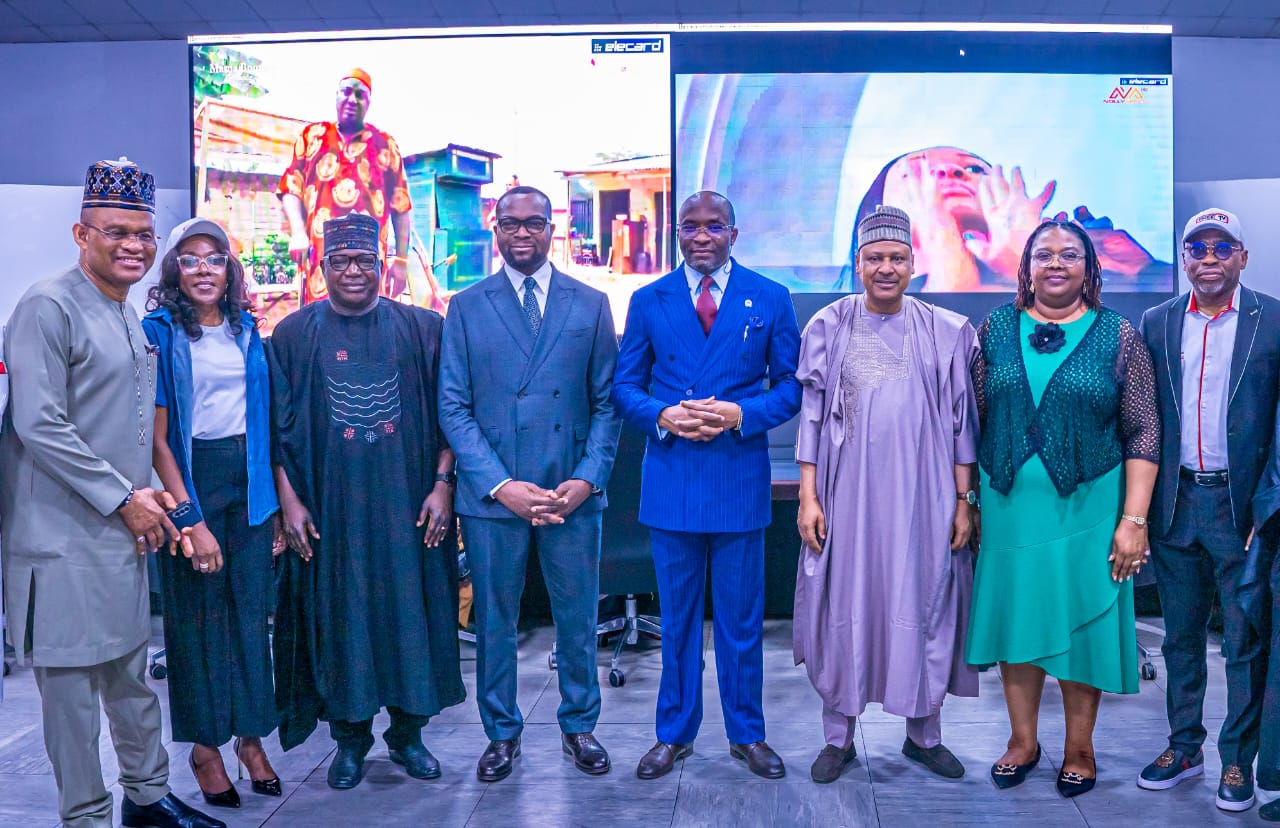
On behalf of the Federal Government of Nigeria and with the support of President Bola Ahmed Tinubu, GCFR, it is my honour and privilege to formally launch the Digital Switch Over Platform.
Mohammed Idris, fnipr
Honourable Minister of Information and National Orientation.
Wednesday, June 17, 2026