

The Honourable Minister of Solid Minarals Development, Dr Dele Alake, has reassured that the ongoing reforms by the President Bola Tinubu are aimed at resetting the Nigerian economy.
According to him, the removal of fuel subsidy by the Tinubu administration in 2023 stopped the economy from crashing.
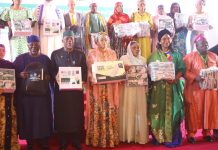
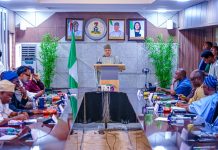
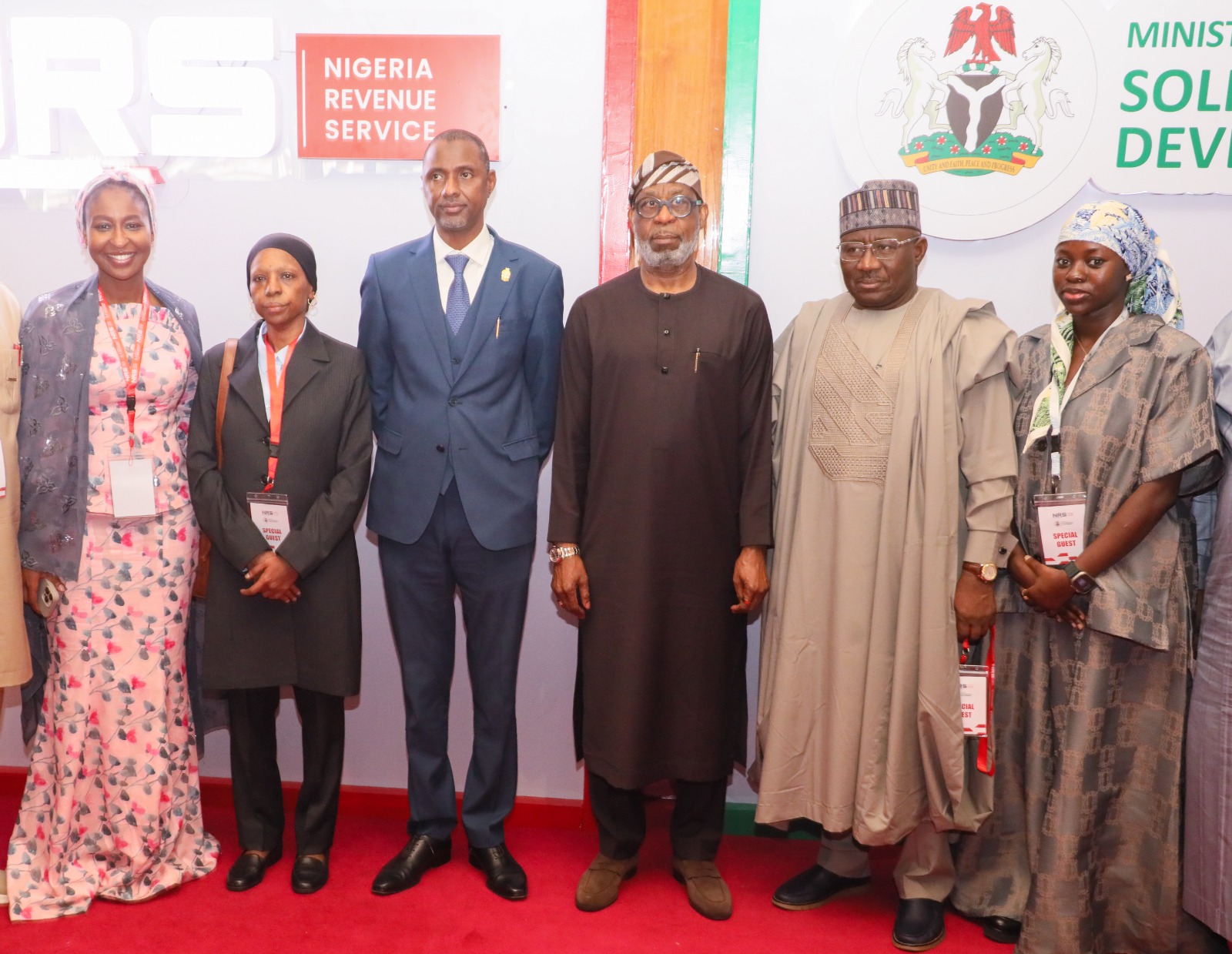
He spoke in Abuja at the 2026 NRS-MSMD Joint Stakeholder Sensitization (North Central).
It was themed “From Resource to Revenue: Aligning Solid Minerals Operations with the 2025 Tax Reform Act.”
The Minister traced Nigeria’s economic decline pre-Tinubu’s administration to a shift from local production in 1960s, 1970s and early 1980s to heavy Importation.
Dr. Alake noted that societal shift towards a consumptive mentality, led to heavy importation of goods that could be produced locally, which in turn led to the closure of factories and job losses in the country.
The Importations, he said, weakened the naira, stressing that the naira’s strength was stronger up to the early 1980s.
Reflecting on the strength of the naira in the early 1980s, he said that the official exchange rate of $1 was 52kobos, while at the black market it was $1 to 80 kobos.
“We were importing everything importable, including toothpicks, including orange juice. Things that we could produce internally that we were producing before, when our currency was strong.
“I was privileged to have lived in this country when the naira was strong, and in the early 80s I bought $1 for 80 kobos. $1 for 80 kobo, that wasn’t even the official rate. Then the official rate was 52 kobo,” he added.
He criticized past leadership for failing to address the challenges, which led to spending up to $600 million import on items such as wigs and a reliance on borrowing to pay salaries.
The previous leaderships, he said, lacked the courage to reset the Nigerian economy, mindset, values, and orientation.
To change the ugly trend, Dr Alake said the Tinubu administration took drastic steps to stop economic mismanagement, block leakages, and reform the economy.
Without taking the actions since 2023, he said that Nigeria would have fallen into severe economic crisis.
According to him, there would have been dire consequences if fuel subsidies were not removed in 2023 by the Tinubu-led administration, as it would have led to complete collapse of the economy.
“What would have happened to Nigeria by September 2023 if the president had not removed fuel subsidy, the economy would have crashed completely.
“Because by the time this government came into power, or even long before it came into power, this country was borrowing money to pay salaries, not to capitalize the economy, but to pay salaries with current expenditure, not capital.
“When a society or a nation borrows to pay salaries, you know what that means. There can be no development. At some point when borrowing became too difficult, and we’re having difficulties, because our credit ratings crashed too. So, the borrowing agencies were very skeptical of looking at us. What did we start to do? We started to print currency locally, we printed over 20 trillion,” he stated.
The Minister likened the current reforms by the Tinubu government to attempts to stop digging and prevent the economy from sinking deeper into a hole.
Harping on the importance of the ongoing reforms, he said there is need to build structures to stay afloat and eventually emerge from the economic crisis.
Speaking at the event, the Permanent Secretary of the Ministry of Solid Minerals Development, Engr. Faruk Yusuf Yabo, harped on the need to reposition the solid minerals industry to boost Nigeria’s economic diversification, job creation, and sustainable national development.
According to him, there is also critical need for compliance, transparency, and collaboration with the Nigeria Revenue Service to optimize sector revenues.
He said that aligning mining operations with the 2025 Tax Reform Act is crucial to eliminating revenue leakages and ensuring the country derives real value from its mineral wealth.
Towards strengthening the Royalty Framework, the Permanent Secretary called for a unified effort from operators, regulators, and industry leaders to fully understand and implement the new royalty administration frameworks and to boost government revenue and industry growth.
Kania Maliki A.
Head(Press and Public Relations Department)
21st May, 2026