

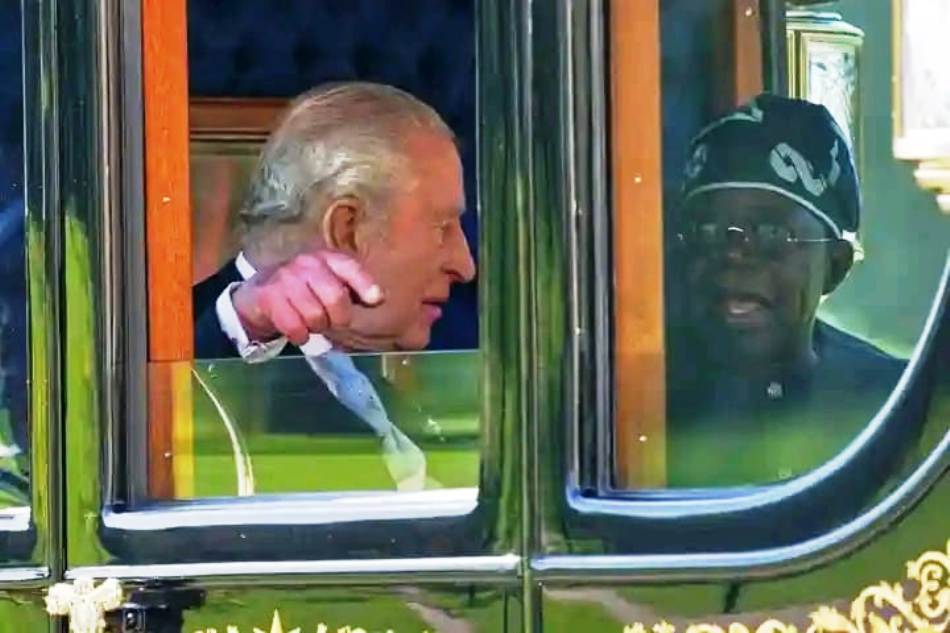
When President Bola Ahmed Tinubu embarked on an official visit to the United Kingdom, it marked more than a routine diplomatic engagement—it signaled a renewed commitment to strategic partnership, economic revitalization, and global cooperation. At a time when Nigeria is navigating complex economic and security challenges, the visit underscores the importance of international alliances in shaping the country’s future trajectory.
Renewing Historical and Strategic Bonds
Nigeria and the UK share deep historical ties dating back to the colonial era. However, modern relations have evolved into a mutually beneficial partnership rooted in trade, investment, education, and security cooperation. President Tinubu’s engagement with Rishi Sunak and other senior British officials reflects a shared desire to strengthen these ties in ways that align with contemporary realities.
The visit provided a platform for both nations to revisit existing agreements while exploring new frameworks for collaboration. From defense cooperation to climate change initiatives, discussions highlighted areas where both countries can leverage their strengths for mutual gain.
Economic Opportunities and Investment Prospects
One of the central pillars of the visit was economic diplomacy. Nigeria, Africa’s largest economy, is seeking increased foreign direct investment to stimulate growth, create jobs, and stabilize its currency. The UK, as a global financial hub, presents a valuable partner in this regard.
President Tinubu used the opportunity to engage with British investors, business leaders, and financial institutions, showcasing Nigeria’s vast potential in sectors such as agriculture, energy, technology, and infrastructure. With ongoing reforms aimed at improving the ease of doing business, the visit reassured investors of Nigeria’s commitment to transparency and economic stability.
For Nigeria, the benefits are clear: increased capital inflows, technology transfer, and job creation. For the UK, the partnership opens access to a large and dynamic market with significant growth potential.
Security
Collaboration in a Changing World
Security remains a critical concern for Nigeria, particularly in the face of insurgency, banditry, and organized crime. The UK has long been a partner in Nigeria’s security architecture, providing training, intelligence support, and capacity building for Nigerian forces.
During the visit, both countries reaffirmed their commitment to combating terrorism and enhancing regional stability. Strengthened security cooperation not only benefits Nigeria but also contributes to global peace and security, given the transnational nature of modern threats.
Education, Migration, and Human Capital Development.
Another key area of focus was education and human capital development. The UK remains a top destination for Nigerian students, with thousands enrolled in British universities.
President Tinubu’s discussions touched on expanding educational exchange programs, research collaboration, and skills development initiatives.
These efforts are expected to yield long-term benefits by equipping Nigerian youths with globally competitive skills while fostering innovation and knowledge transfer.
Additionally, dialogue on migration policies aims to ensure safer and more structured mobility between both countries.
Diplomatic Influence and Global Positioning
Beyond bilateral gains, the visit enhances Nigeria’s standing on the global stage. By engaging with a major global power like the UK, Nigeria reinforces its role as a key player in African and international affairs.
President Tinubu’s diplomatic outreach sends a message of openness and readiness to engage with global partners.
It also strengthens Nigeria’s voice in international forums on issues such as climate change, economic reform, and global governance.
A Path Forward
While the visit itself is significant, its true impact will depend on the implementation of agreements and commitments made during the engagements. Sustained follow-through, policy consistency, and institutional reforms will be essential to translating diplomatic goodwill into tangible benefits for Nigerians.
In conclusion, President Tinubu’s visit to the United Kingdom represents a strategic step toward deepening bilateral relations, attracting investment, and addressing critical national challenges. If effectively leveraged, it holds the promise of driving economic growth, enhancing security, and improving the overall well-being of Nigerians.
As Nigeria continues its journey toward sustainable development, such high-level engagements serve as vital instruments in building the partnerships needed to achieve long-term national goals.
Signed:
Muhammad Gwani
AD FIRC,Kaduna.
19th March,2026