

By Irene Iveren Onehi
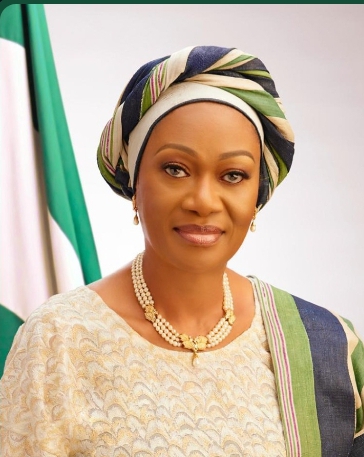
When a First Lady visits a state, the headlines often focus on the motorcade, the speeches, the handshakes and the ribbon-cutting ceremonies. Yet, some visits carry a deeper significance. The recent visit of Nigeria’s First Lady, Oluremi Tinubu, to Benue State was one such occasion. Beyond the excitement that greeted her arrival, the visit provided an opportunity to reflect on the intersection of governance, infrastructure development, women empowerment and grassroots transformation in the state’s development journey.
Benue State, popularly known as the “Food Basket of the Nation,” has for years grappled with challenges that have slowed its developmental pace. While the state remains rich in agricultural potential and human resources, the demand for modern infrastructure, economic opportunities and social support systems continues to grow. Against this backdrop, the First Lady’s visit arrived not merely as a ceremonial engagement but as a symbolic affirmation of national attention to the aspirations of the people.
One of the major highlights of the visit was the commissioning of ten intra-city road projects in Makurdi under the urban renewal programme of the administration of Governor Hyacinth Alia. These roads, spanning approximately 11.5 kilometres, are expected to improve mobility, reduce travel time and stimulate commercial activities within the state capital. While roads are often viewed as physical structures of asphalt and concrete, their true value lies in the opportunities they create for businesses, traders, students and ordinary citizens.
Development experts have long maintained that infrastructure serves as the backbone of economic growth. Better roads mean easier movement of agricultural produce from farms to markets, improved access to healthcare and education, and increased confidence among investors. For a state like Benue, where agriculture remains the dominant economic activity, improved transportation networks have the potential to strengthen value chains and boost local productivity.if Yet, perhaps the most enduring message of the visit was not embedded in the roads themselves but in the emphasis on people-centred development.
Through the Renewed Hope Initiative, the First Lady’s programme seeks to empower women, strengthen families and support vulnerable groups across the country. Her engagement with women and beneficiaries in Benue reinforced a growing recognition that sustainable development is impossible without the inclusion and empowerment of women.
Across Nigeria, women continue to play critical roles in agriculture, commerce, education and community development. In Benue, they form a significant part of the agricultural workforce and informal economy. Any intervention that enhances their economic participation inevitably strengthens families and communities. The First Lady’s interaction with women groups therefore carried a message that development is most effective when it reaches the grassroots and touches the lives of ordinary citizens.
Another significant aspect of the visit was the commissioning and handover of a Community ICT Centre in Ihugh. In today’s digital age, access to technology is no longer a luxury but a necessity. The centre represents more than a building filled with computers; it is an investment in knowledge, innovation and future opportunities for young people. By providing access to digital skills and information technology, such initiatives can help bridge the digital divide and prepare youths for participation in the global economy.
For many young Nigerians, technology has become a pathway to employment, entrepreneurship and global competitiveness. The ICT centre therefore aligns with the broader vision of creating opportunities beyond traditional sectors and equipping young people with skills relevant to the twenty-first century.
The visit also highlighted the importance of collaboration between federal and state governments. Development is rarely achieved in isolation. When different levels of government align their efforts toward common objectives, the impact is often greater and more sustainable. The presence of the First Lady in Benue reflected a partnership that seeks to improve the welfare of citizens through both infrastructure and social interventions.
However, the true success of any official visit should not be measured by the size of the crowd or the number of photographs taken. It should be measured by what remains after the dignitaries have departed. The roads must continue to serve communities. The ICT centre must remain functional and accessible. Empowerment initiatives must translate into measurable improvements in livelihoods. Only then can the promises represented by the visit become lasting realities.
As Benue continues its quest for growth and transformation, the visit of the First Lady serves as a reminder that development is both physical and human. Roads connect communities, but opportunities connect people to a better future. Buildings provide shelter, but knowledge empowers generations. Policies create frameworks, but implementation changes lives.
In the final analysis, the significance of the First Lady’s visit lies not merely in the projects commissioned but in the possibilities they represent. It was a moment that brought together infrastructure, empowerment and hope. For the people of Benue State, the challenge now is to ensure that the momentum generated by the visit translates into sustained progress long after the ceremonies have ended.
Written by Irene Iveren Onehi. Irene is the Head of Federal Information Centre, Benue State.