
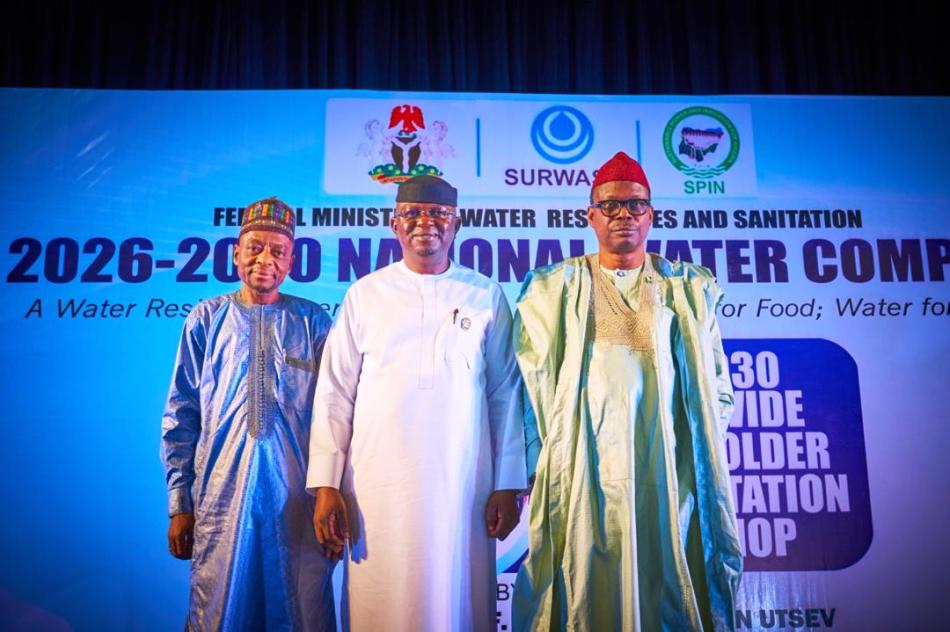
The Federal Government has called on Nigeria’s 36 states and the Federal Capital Territory (FCT) to take greater ownership of the Nigeria National Water Compact 2026–2030, describing their participation as critical to strengthening the country’s water security.
The Minister of Water Resources and Sanitation, Engr. Prof. Joseph Terlumun Utsev, FNSE, made the call in Abuja today at a nationwide stakeholders’ consultation workshop on the draft Compact.
Utsev said water remained central to public health, food security, agriculture, industrial development, environmental sustainability, economic growth and national security.
He identified rapid population growth, urbanisation, climate change, environmental degradation, inadequate infrastructure, institutional fragmentation and limited financing as major challenges confronting Nigeria’s water sector.
According to him, the Nigeria National Water Compact 2026–2030 is intended to provide a practical roadmap for addressing the challenges and advancing the Federal Government’s Renewed Hope Agenda.
He disclosed that the Compact was developed by a National Technical Working Committee comprising government institutions, state governments, development partners, academia, civil society and the private sector, and also added that it is structured around three key pillars: Water for People, Water for Food Security and Water for Planet.
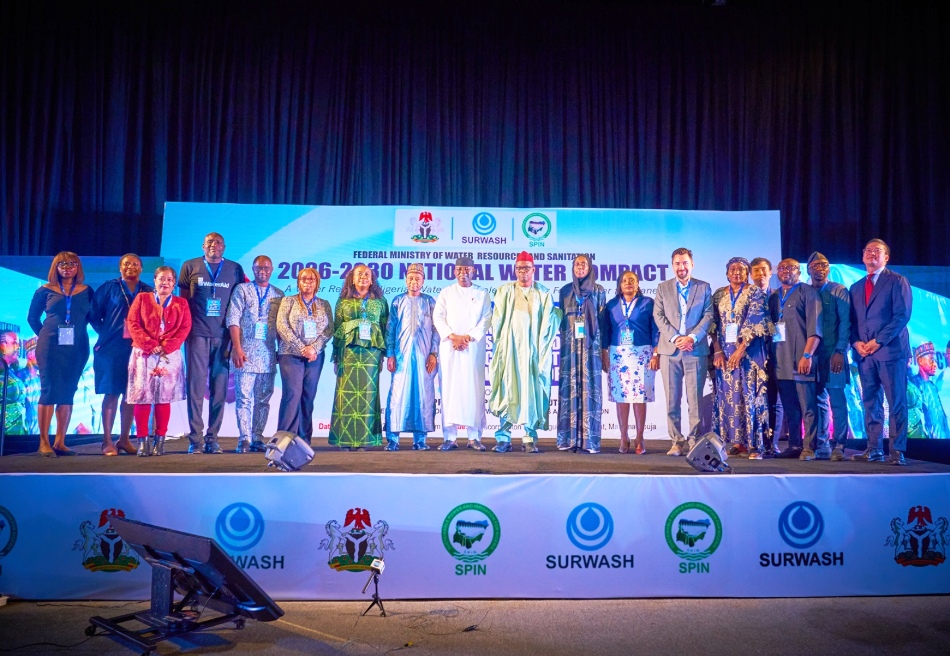
Prof. Utsev stressed that the Compact should be treated as a national instrument rather than a document belonging exclusively to the Federal Ministry of Water Resources and Sanitation, and urged the states and other stakeholders to scrutinise the draft and submit practical recommendations that would make it more effective and responsive to their respective needs and capacities.
He also disclosed that President Bola Ahmed Tinubu had been briefed on the progress of the Compact, while efforts were ongoing to secure the commitment of state governors to its implementation.
In his goodwill message, the Minister of State for Health and Social Welfare, Dr Iziaq Adekunle Salako, commended the Federal Ministry of Water Resources and Sanitation for initiating the Compact.
Salako described the initiative as an integrated framework capable of strengthening collaboration among the water, health, agriculture, environment and climate sectors.
He called for clear governance structures, sustainable financing, equitable access for vulnerable populations, climate-resilient health systems, effective monitoring and measurable performance indicators.
He reaffirmed the Ministry of Health and Social Welfare’s commitment to working with stakeholders to finalise and implement an inclusive and practical Compact capable of breaking down institutional silos, strengthening water quality and biomonitoring standards, preventing disease and protecting the health of Nigerians.
The Acting Permanent Secretary in the Federal Ministry of Water Resources and Sanitation, Engr. Ali Ibrahim Dallah, described the consultation as essential to ensuring that the Compact was realistic, inclusive, implementable and sustainable.
He urged participants to critically review the draft, identify gaps and propose actions that reflect the priorities and capacities of individual states.
Representing the World Bank, its Acting Country Director, Mr Taimur Samad, said state governments would be critical drivers of Nigeria’s water agenda, particularly in investment, reforms and the prioritisation of actions.
Samad urged stakeholders to match their ambitions with firm commitments to institutional reforms, sustainable water-service delivery, operations and maintenance, as well as improved revenue generation.
He said public financing alone would not be sufficient to meet Nigeria’s water-sector investment needs, stressing the need for sustainable financing models and stronger institutions capable of managing water as an economic asset while delivering reliable services to consumers.
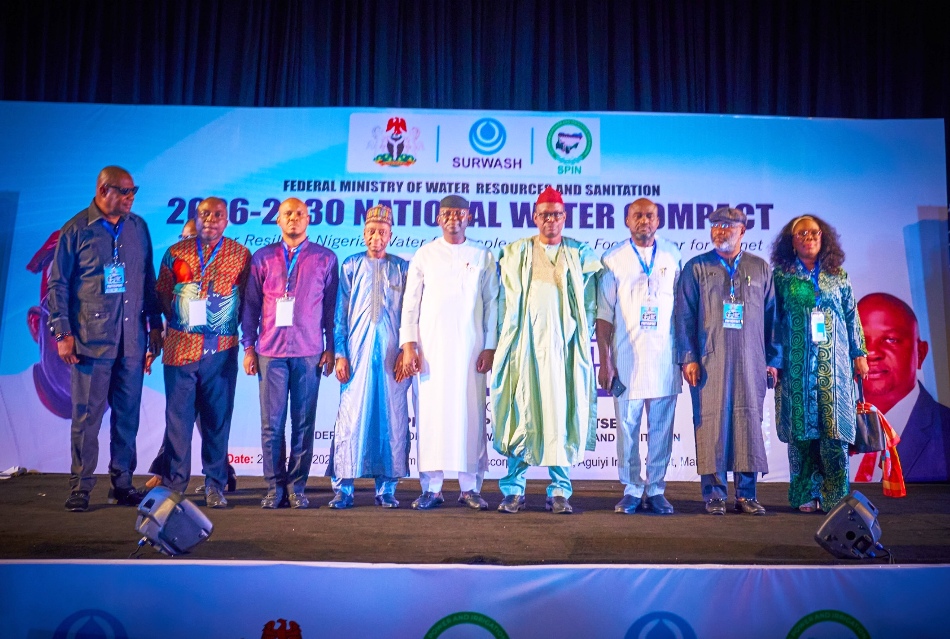
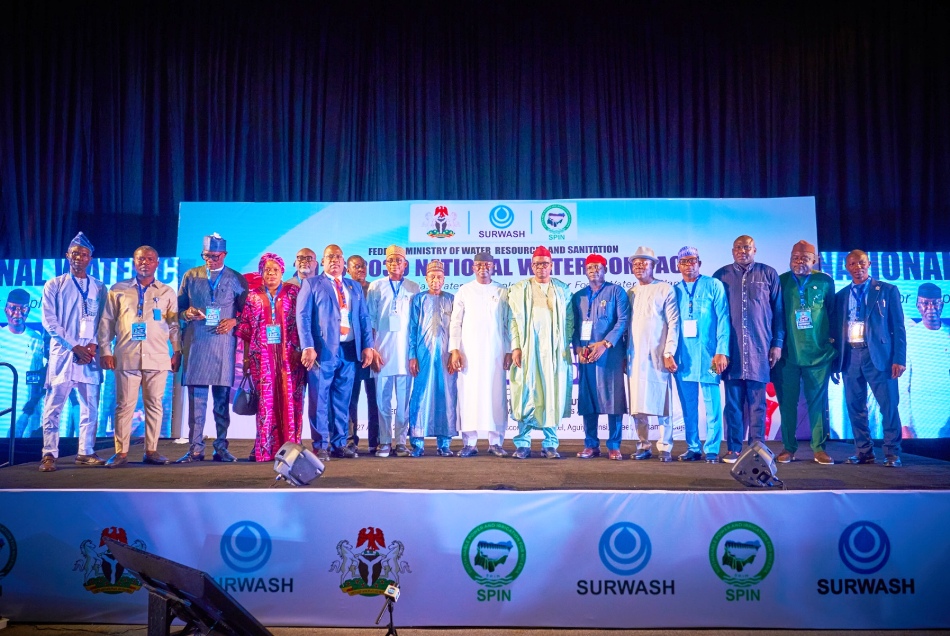
He reaffirmed the World Bank Group’s commitment to partnering with the Federal Government and other stakeholders throughout the implementation of the Compact.
Also speaking on behalf of the WASH Development Partner Group, Ms Emily Kilongi congratulated the ministry and the National Technical Working Committee for conducting what she described as an extensive and inclusive consultation process.
She emphasised the need for sustained political leadership, state ownership, measurable results, mutual accountability and reliable data to translate the Compact into tangible outcomes.
Kilongi said the Compact would provide a platform for aligning government priorities, development-partner support, private-sector participation and civil-society contributions around common national water-sector goals.
The Chairman of the National Working Committee of the National Water Compact/ Director Water Supply, Federal Ministry of Water Resources and Sanitation , Mr Segun Mukaila Babarinde, presented an overview of the draft document and appealed to participants to make contributions that would strengthen its implementation.
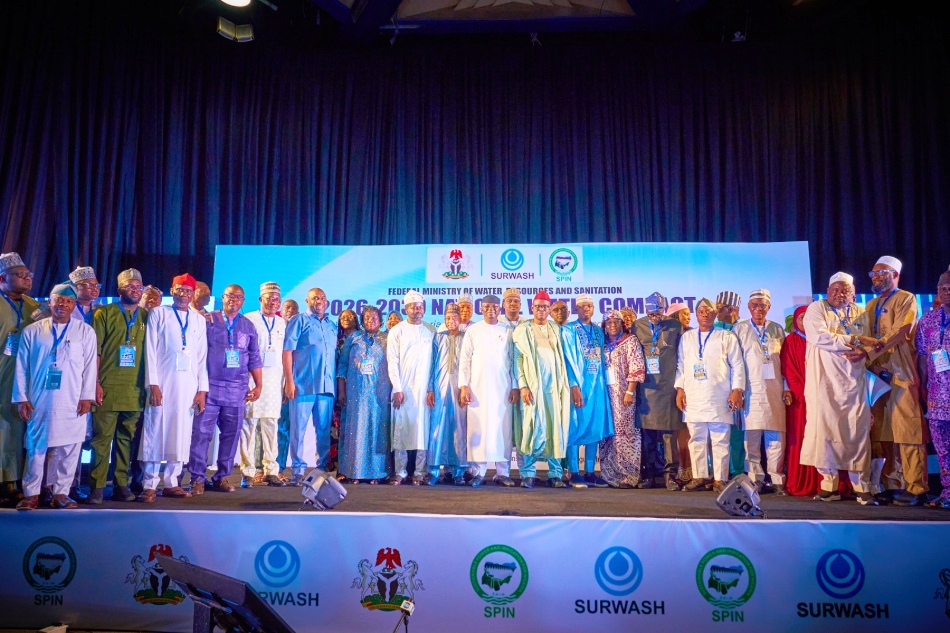
The consultation was attended by representatives of federal and state governments, development partners, civil society organisations, the private sector, academia, professional associations, women and youth groups, and other Water Resources Stakeholders.
Signed
Mrs. Funmi Imuetinyan
Director Information and PR
27/08/2026