

The Director-General of the Bureau of Public Procurement, Dr. Adebowale A. Adedokun, FCIPS, has called for deeper collaboration between the Legislature and the Executive to curb project abandonment, entrench accountability, and ensure Nigerians get value for every naira spent on public contracts.
Dr. Adedokun made the call while speaking at the 2026 National Assembly Open Week held at the National Assembly Complex, Abuja. The event, themed “Three Years of the 10th National Assembly: Advancing Transparency, Inclusion and Reform”, which drew lawmakers, Heads of Ministries, Departments and Agencies, Civil Society Organisations, and development partners to review legislative performance and deepen citizen engagement.
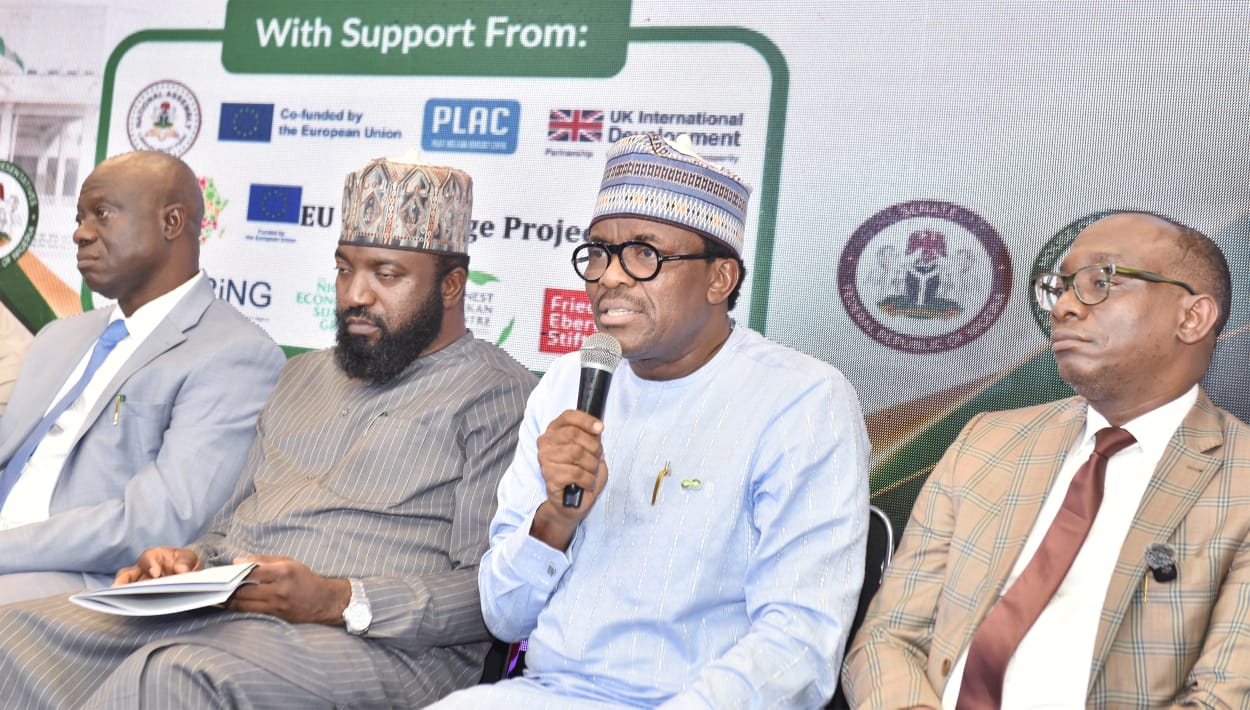
Speaking during a panel session titled “Strengthening Legislative Oversight of Public Procurement for Value for Money”, the BPP helmsman described procurement as a critical tool for national development that must be effectively deployed.
“One of the key things about procurement is that it is a strategic tool. If well used, it will help bring into the ecosystem the desired results for value for money. If we effectively use the existing legislation that you have passed, we will be able to achieve measurable results in how we deliver projects,” he said.
The DG identified capacity gaps, weak audit synergy, poor project planning, and misaligned budgeting as major impediments to successful project delivery. “We have almost every four years changes in the members of the legislature. It goes back to issues of capacity building. By the time new members come in, it takes a while to provide clarity on the procurement process,” he noted.
He stressed the need for strong synergy between the relevant Committees of the House and the BPP, disclosing that the Bureau forwards audit reports of procurement activities by various government agencies. “That report alone could, in a long way, further strengthen your responsibility on who gets contracts, how they perform, and who is benefiting,” he added.
Dr. Adedokun drew attention to discrepancies between budgeting and appropriation, citing examples from the 2026 budget. “If you check the 2026 budget, you have a bulk talking about ongoing projects. Just from my experience as a procurement person, you will identify that some of those projects really are not ongoing. Linked to that is the location of those projects. You will find a road construction project captured under a ministry that has no technical competence to build a road. Already, you are doomed to fail,” he said.
He urged the National Assembly to refocus attention beyond federal projects. “How do you explain that 52% of all government allocation goes to local governments and states? We are too focused on the federal, while the bulk of money today lies in the states and local governments. Why are we building a borehole at the federal level? Why are we constructing streetlights?” he queried.
The DG also faulted the practice of appropriating funds for unplanned projects, noting that the Public Procurement Act, 2007 clearly provides that awarding contracts without planning is a criminal offence. “We need to go back to the fundamentals. Projects should not even be approved unless they are in an approved plan — either your constituency projects or those on the other hand. Where is that final, approved plan?” he asked.
Lamenting constraints on project monitoring, Dr. Adedokun said: “BPP to some extent, can not monitor every project in this country. Whereas civil society Organisations, by law, can monitor all bid openings. They can make demands.”
He called for a second look at how projects are funded. “Should we continue to fund projects of 10 to 15 years at the current rate? You see a project that should last three years having funding for only one year. And you see another that should end in one year with no funding. We are putting ourselves in a very difficult situation,” he said.
The BPP boss warned that the law often “sleeps while you are in power” and only “wakes up after your tenure and go after you.” He urged preventive action through collaboration. “Why don’t you prevent that by ensuring that both the legislature and executive collaborate, partner in the process of appropriation?”
He recalled that in the past, MDAs could not appear before the National Assembly with their budgets until they had produced performance reports for previous years. “That ensured clarity in how you have performed,” he said.
Dr. Adedokun disclosed that BPP is currently undertaking 23 major reforms to reposition public procurement. “We can pull through with support from the parliament. The Bureau is ready to work with the parliament to put an end to some of these abandonments and garner public trust again by the way we handle project implementation, monitoring, and evaluation,” he stated.
Responding to questions on the need for infrastructure that benefits end users, including Persons with Disabilities, the DG said the Bureau has issued instructions to all government agencies requesting bidding documents to address the issue of disability, which has been passed into law by the National Assembly. “Now we are taking it to the next level in the Standard Bidding Documents. All government agencies must provide for how it will address issues of those with disabilities, etc. If it’s not happening, I think you should ask questions,” he said.
On sustainability, he stressed the need for a national development plan to ensure that policy or legislation reveals how many jobs and enterprises a contract will generate. “From procurement perspective, we are building these into instructions to MDAs. That started a couple of months ago. No contract until you address the issue of sustainability,” he added.
The Bureau participated in the 2026 National Assembly Open Week to showcase reforms in e-Procurement, sustainable procurement, price intelligence, and contractor registration. Participation also aimed to sensitise lawmakers on compliance, gather stakeholder feedback on procurement bottlenecks, and strengthen legislative support for the amendment of the Public Procurement Act 2007.
Dr. Adedokun reaffirmed BPP’s commitment to open governance: “Collectively, in the next couple of months, together we can make those changes.”
e-Signed:
Zira Zakka Nagga
Head of Press and Public Relations (BPP)
16th July, 2026