


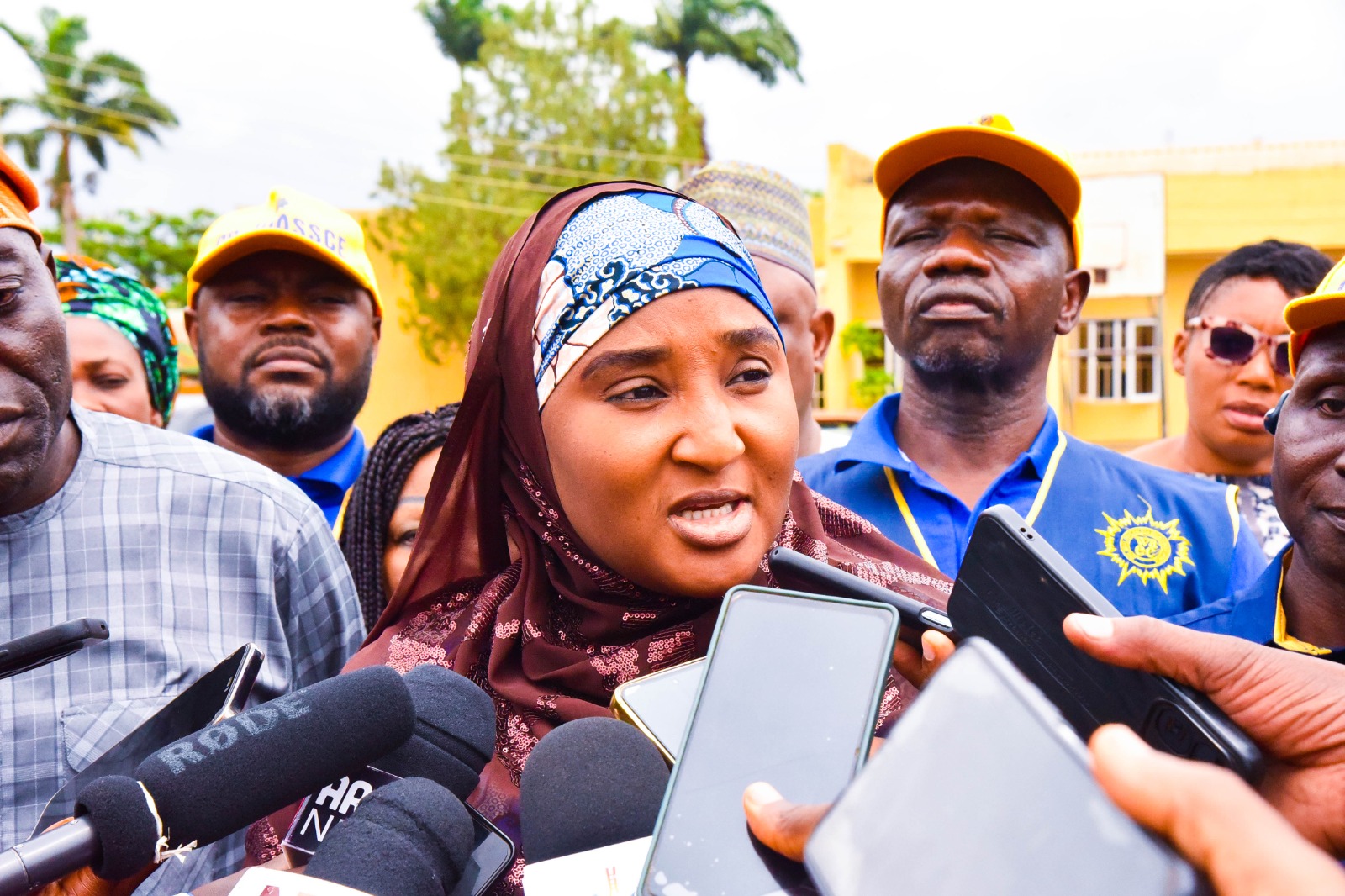
The Federal Government has commended the smooth and credible conduct of the ongoing 2026 West African Senior School Certificate Examination (WASSCE) organized by the West African Examinations Council (West African Examinations Council), particularly the successful introduction of the Computer-Based Test (CBT) model in selected centres across the country.
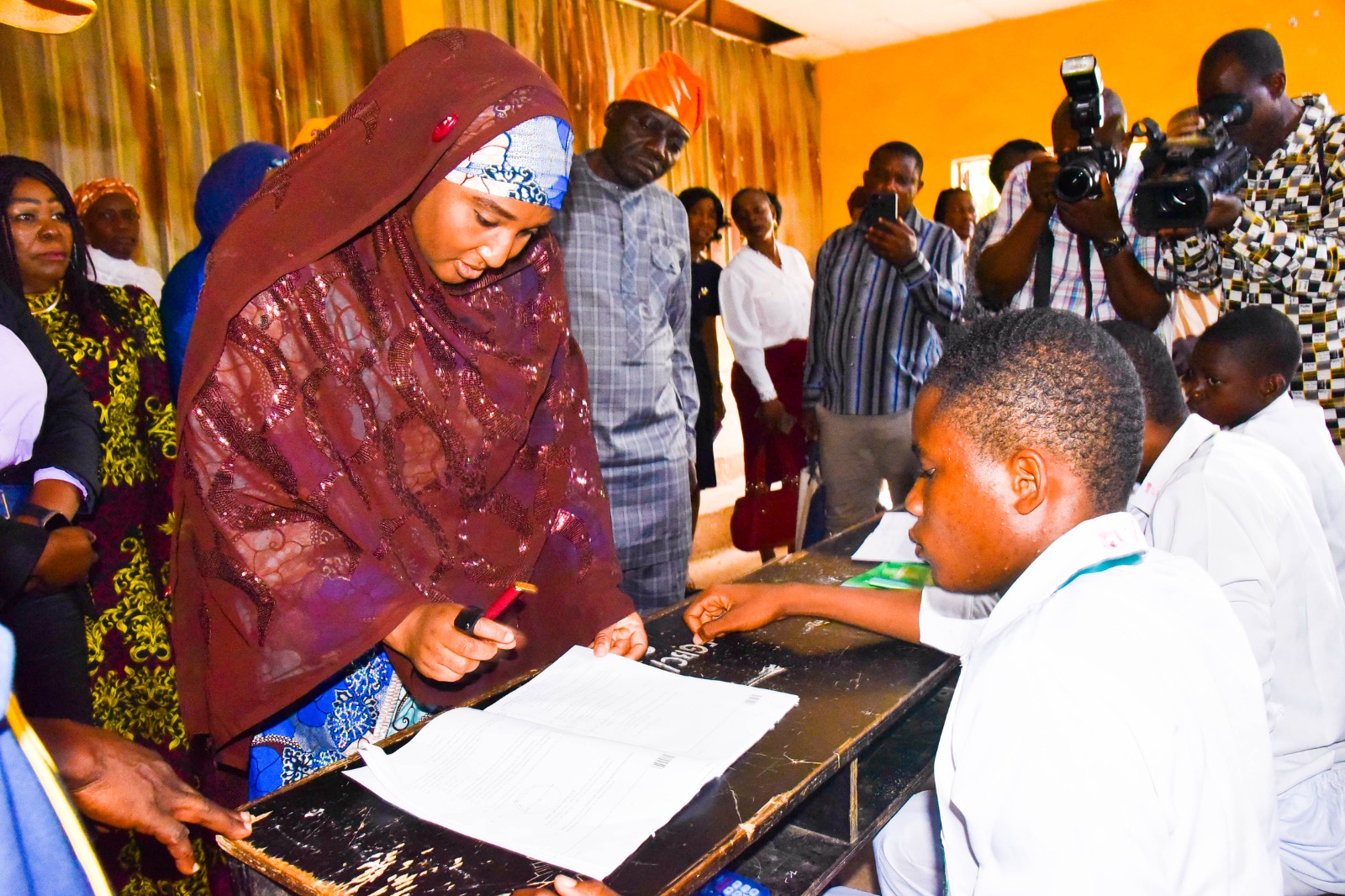
The Honourable Minister of State for Education, Professor Suwaiba Sa’id Ahmad, gave the commendation during an on-the-spot monitoring exercise of the examination in Abuja, where she visited Government Secondary School, Garki, and Apo Boys Secondary School, observing both CBT-enabled and traditional paper-and-pencil examination centres.
She expressed satisfaction with the overall conduct of the examinations, noting that candidates demonstrated discipline, preparedness, and confidence across both formats. At the CBT centre, she observed that students were able to navigate the digital platform with ease and reported a smooth, user-friendly experience with no significant technical disruptions. At the paper-based centre, she also commended the orderly environment, describing it as calm, well-supervised, and free from examination malpractice.
Professor Ahmad stated that the monitoring exercise was aimed at assessing operational readiness and ensuring that candidates are provided with conducive conditions for effective examination. She added that direct engagement with candidates revealed positive feedback, with many confirming that they had adequately prepared for the CBT format and experienced no difficulty in using the system.
The Minister further disclosed that extensive pilot testing had been conducted prior to the nationwide rollout of CBT to ensure the reliability and stability of the examination platform. She noted that alternative power solutions, including solar systems and generators, had been deployed across CBT centres to guarantee uninterrupted examinations.
Reaffirming the Federal Government’s commitment to digital transformation in education, she explained that while a full transition to CBT had initially been envisaged, infrastructural disparities across parts of the country necessitated a phased and inclusive implementation strategy.
According to her, only schools with adequate ICT infrastructure and sufficient computer capacity were selected for CBT administration, while others continue with the paper-and-pencil format.
She added that the Federal Government, in collaboration with state governments and key stakeholders, is actively investing in ICT infrastructure across schools nationwide to expand access and ensure full readiness for eventual nationwide digital examination migration.
In his official briefing, the Head of National Office of WAEC in Nigeria, Mr. Patrick Dangut, announced that the 2026 WASSCE recorded a total of 1,959,636 candidates, comprising 958,564 males and 1,001,072 females, reflecting a notable increase in female participation compared to previous years.
He further revealed that approximately 29,000 schools across the country registered candidates for the examination, underscoring the large scale and nationwide reach of the exercise. Mr. Dangut commended the Federal Government, state authorities, and school administrators for their collaboration in ensuring the smooth execution of the examination, particularly the successful integration of CBT in selected centres.
The Federal Government reiterated that the ongoing transition to a fully digital examination system is being carefully managed to ensure fairness, inclusiveness, and reliability. It assured stakeholders that no candidate or region will be left behind as infrastructure expansion and capacity building efforts continue across the country.
Boriowo Folasade
Director, Press and Public Relations