

The Federal Government has applauded the Redeemer’s Health Village (RHV) for introducing a Robotic Surgery Programme, describing the initiative as a major boost to advanced healthcare delivery and a significant step towards reversing Nigeria’s medical tourism trend.
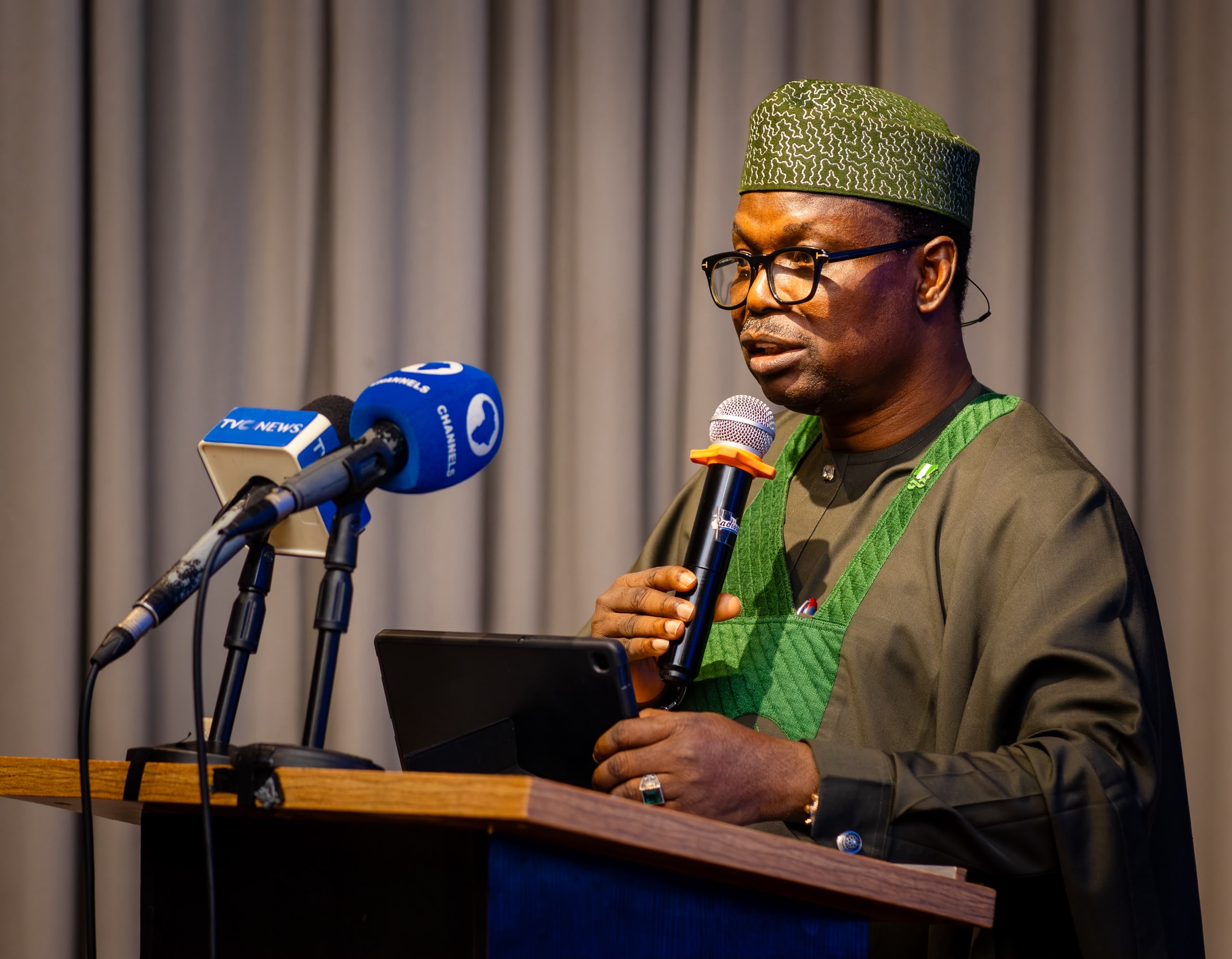
The Minister of State for Health and Social Welfare, Dr Iziaq Adekunle Salako, stated this on Saturday 22 August 2026, at the dinner luncheon organised to mark the launch of the programme at the Radisson Blu Anchorage Hotel, Victoria Island, Lagos.
Dr Salako said the adoption of robotic surgery demonstrated the pioneering vision of Redeemer’s Health Village to deploy modern technology in healthcare delivery, noting that the surgical approach offers greater precision, minimally invasive procedures, faster recovery and potentially improved outcomes for patients.
The Minister said the initiative aligns with the Federal Government’s health transformation agenda, particularly the pillars focused on improving health outcomes and unlocking the healthcare value chain.
“The vision of robotic surgery that is being translated into reality today will no doubt help to save lives and add value to the country. It also resonates very strongly with our vision to reverse the dominant direction of medical tourism from outbound to inbound and save the country scarce foreign exchange,” he said.
According to him, the Federal Government recognises the private sector as a critical driver of healthcare development, particularly in the delivery of high-end medical services, and would continue to promote policies that encourage greater private-sector participation and investment.
Dr Salako cited the Presidential Initiative on Unlocking Healthcare Value Chain (PVAC) and the Presidential Executive Order for the Pharmaceutical and Allied Sectors as key government interventions aimed at strengthening domestic capacity, promoting local manufacturing, stimulating innovation and creating jobs.
He explained that PVAC seeks to accelerate transformation across the healthcare value chain through cross-institutional coordination and collaboration, while the Presidential Executive Order provides incentives for local production of medicines and essential healthcare commodities.
The Minister noted that the private sector delivers more than 50 per cent of healthcare services in Nigeria, stressing that its continued partnership with government is essential to building a resilient and sustainable health system.
“As government, we will continue to create the enabling environment that allows visionary institutions like Redeemer’s Health Village to thrive, and for similar high-end healthcare facilities to grow across the country,” he stated.
Dr Salako also commended RHV for incorporating a structured training programme into its robotic surgery initiative, which will provide interested surgeons with opportunities to acquire the requisite skills and certification to practise robotic surgery safely and effectively.
He described the training component as an important pathway for updating the clinical competencies of Nigerian surgeons in line with emerging medical technologies and encouraged eligible medical professionals to take full advantage of the opportunity.
The Minister further recognised RoboMed Global Inc. of the United States, a Nigerian diaspora-led enterprise and partner in the initiative, for bringing its expertise and investment back to Nigeria.
He said the partnership was consistent with the Federal Government’s commitment to harnessing the expertise of Nigerians in the diaspora as part of efforts to strengthen the country’s human resources for health.
According to him, this approach underpins the Diaspora Health Impact Initiative and the recently launched Diaspora Advance Health Programme Portal, which provide structured opportunities for Nigerian health professionals abroad to contribute their expertise to the development of the nation’s health sector.
Dr Salako said the introduction of robotic surgery would strengthen Nigeria’s capacity to provide advanced, precise and minimally invasive surgical care delivered by Nigerian professionals trained to global standards.
He urged Nigerians to patronise quality healthcare services available within the country whenever the need arises, stressing that increased confidence in domestic healthcare institutions would support the growth of the health sector and reduce the economic burden associated with seeking treatment abroad.
“In practical terms, it means a farmer from Ondo, a teacher from Ekiti, a trader from Ogun or any part of Nigeria will no longer need a passport to access world-class surgical intervention. The best in the world are now converging here,” he said.
The Minister commended Dr Ademola Dada, Professor Ekwenna and all stakeholders who contributed to the establishment of the robotic surgery programme, noting that the reported investment of approximately US$4 million demonstrated confidence in Nigeria’s ongoing economic and health sector reforms.
He called on more Nigerians in the diaspora to emulate the initiative by bringing their expertise, investment and partnerships back home to support healthcare development, generate employment and create prosperity.
“You have shown us what is possible when vision meets partnership and demonstrated your belief in our country. I invite other Nigerians in the diaspora to follow this example by investing in Nigeria, generating jobs and creating prosperity for the people,” Dr Salako said.
The Minister reaffirmed the Federal Government’s commitment to working with the private sector and other stakeholders to build a functional health system anchored on equity, affordability, quality and access, capable of meeting the healthcare needs of Nigerians.
He expressed optimism that the RHV initiative would contribute to making Nigeria a destination for advanced medical care and strengthening the country’s position in the global healthcare landscape.
Signed:
Assistant Director, Information and Public Relations
25 August 2026