


The Federal Government has unveiled plans to create approximately 7,000 direct jobs through an estate-based ranching programme designed to empower youths and women, boost livestock productivity, and accelerate rural economic development across the country.
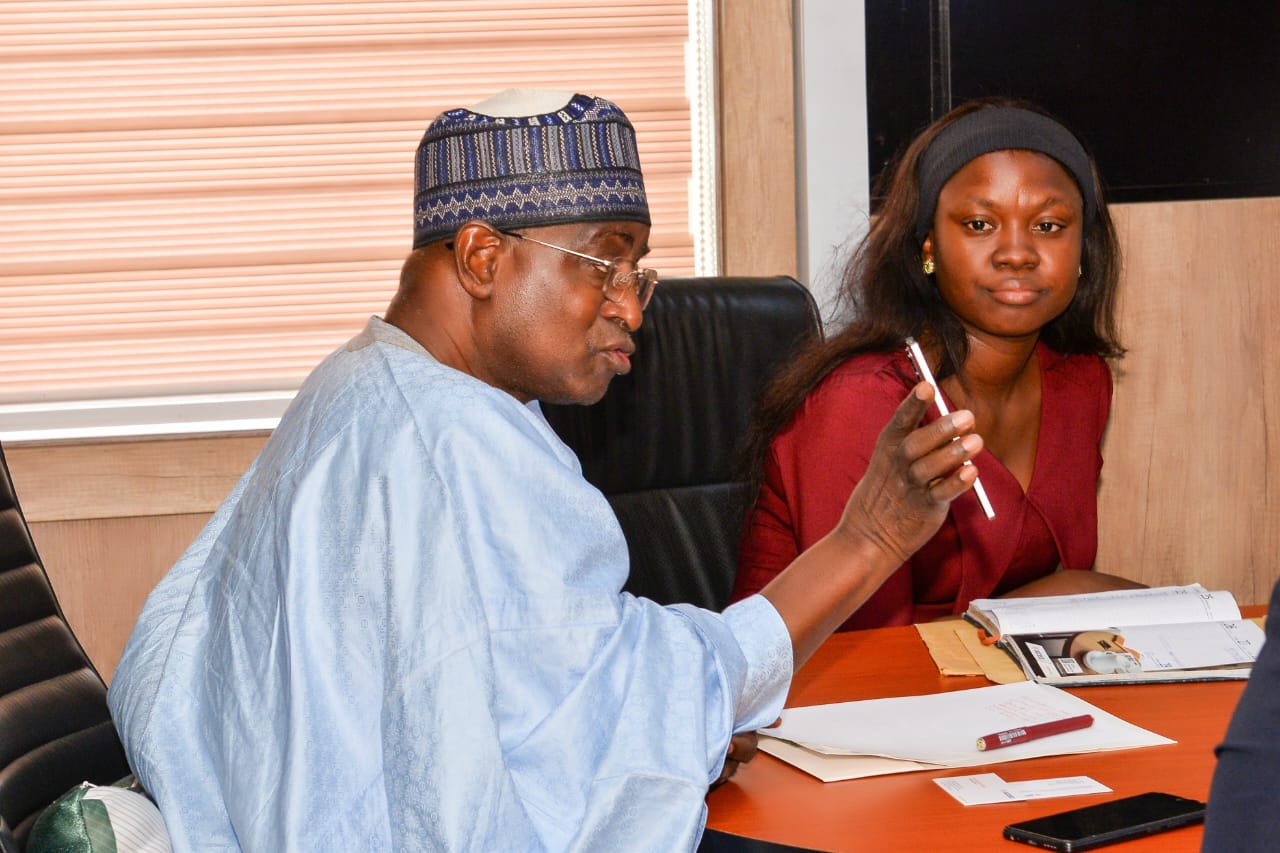
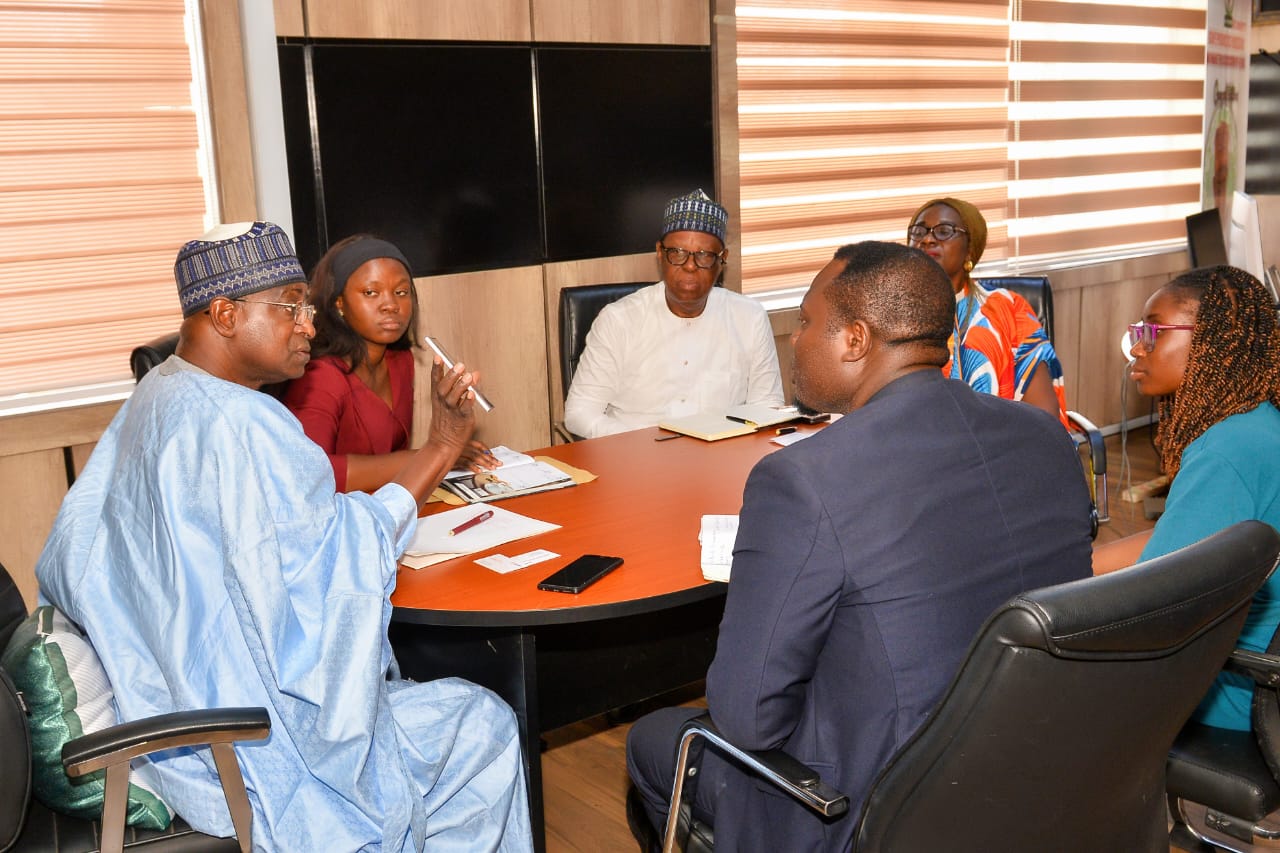
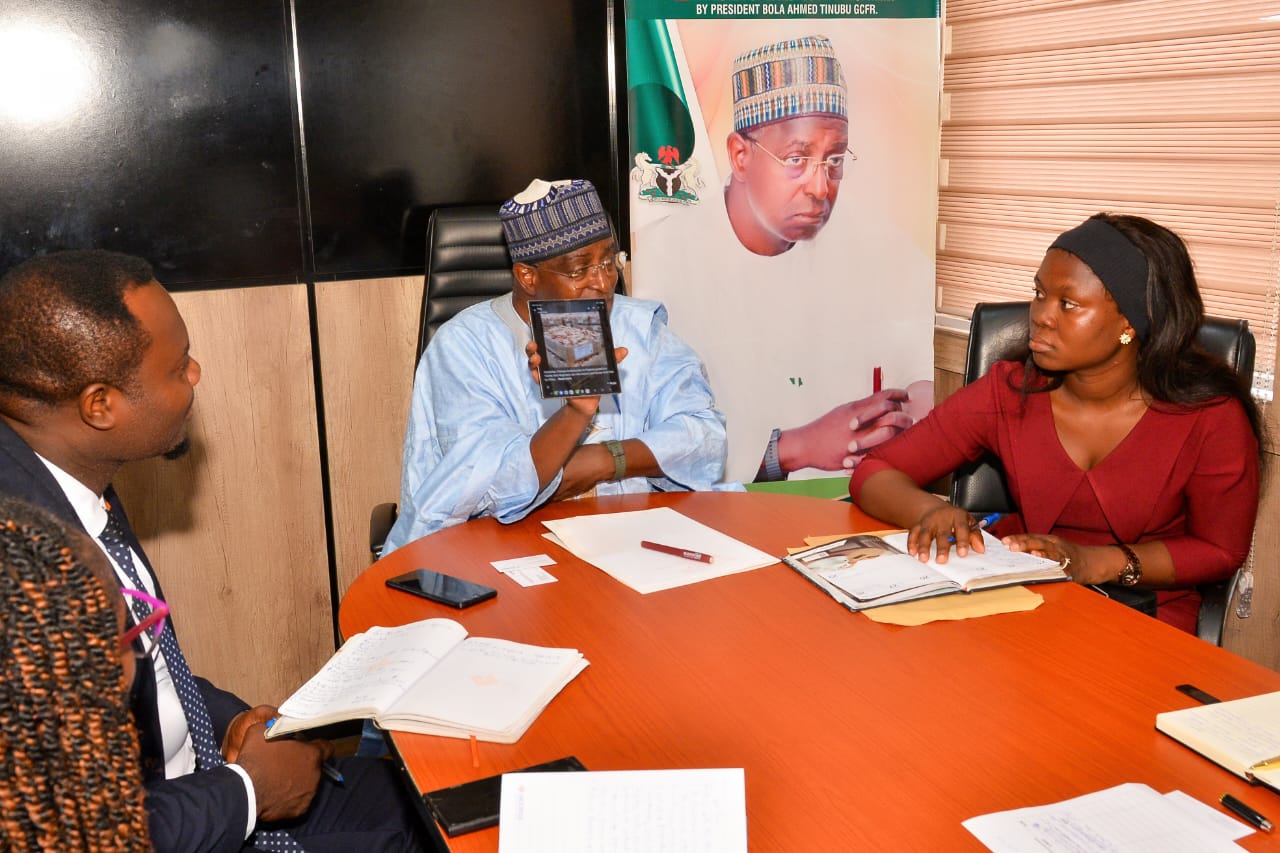
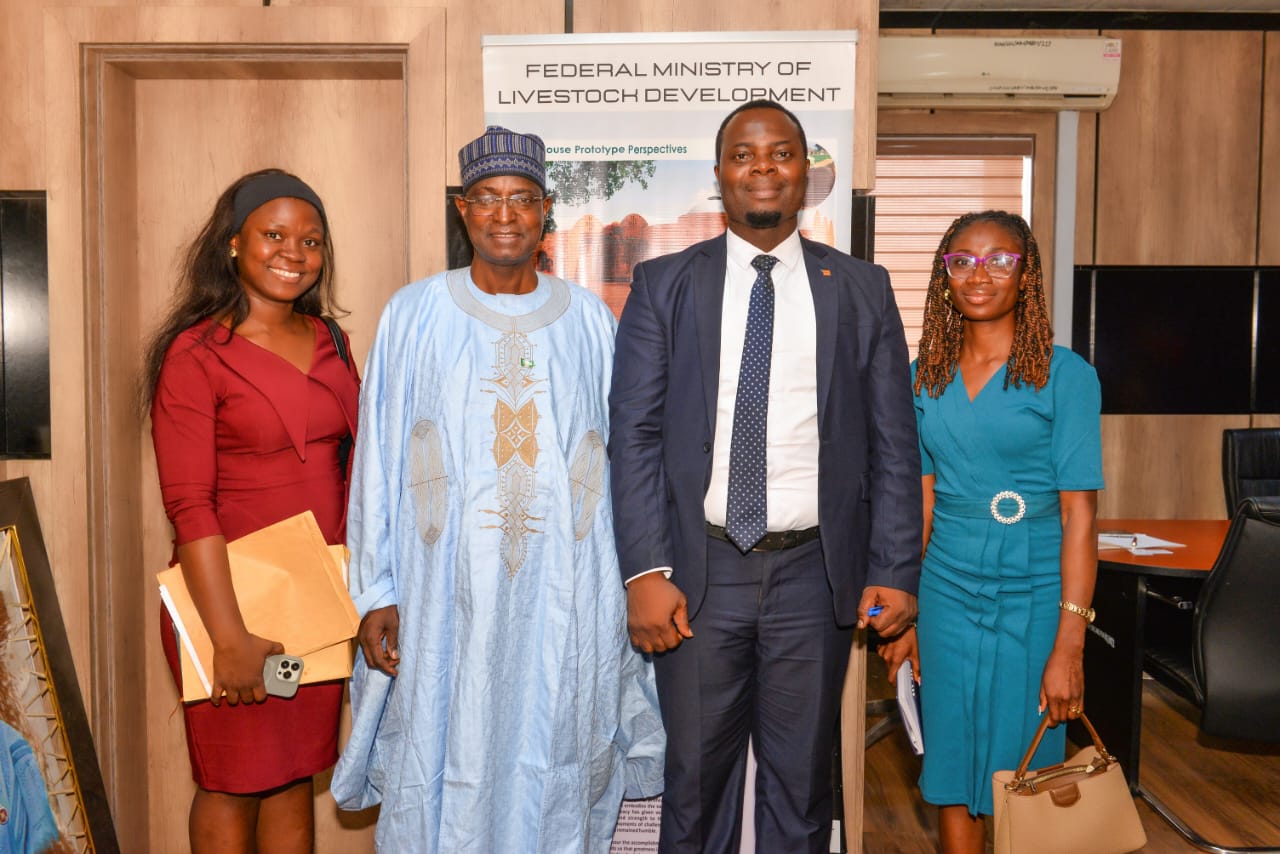
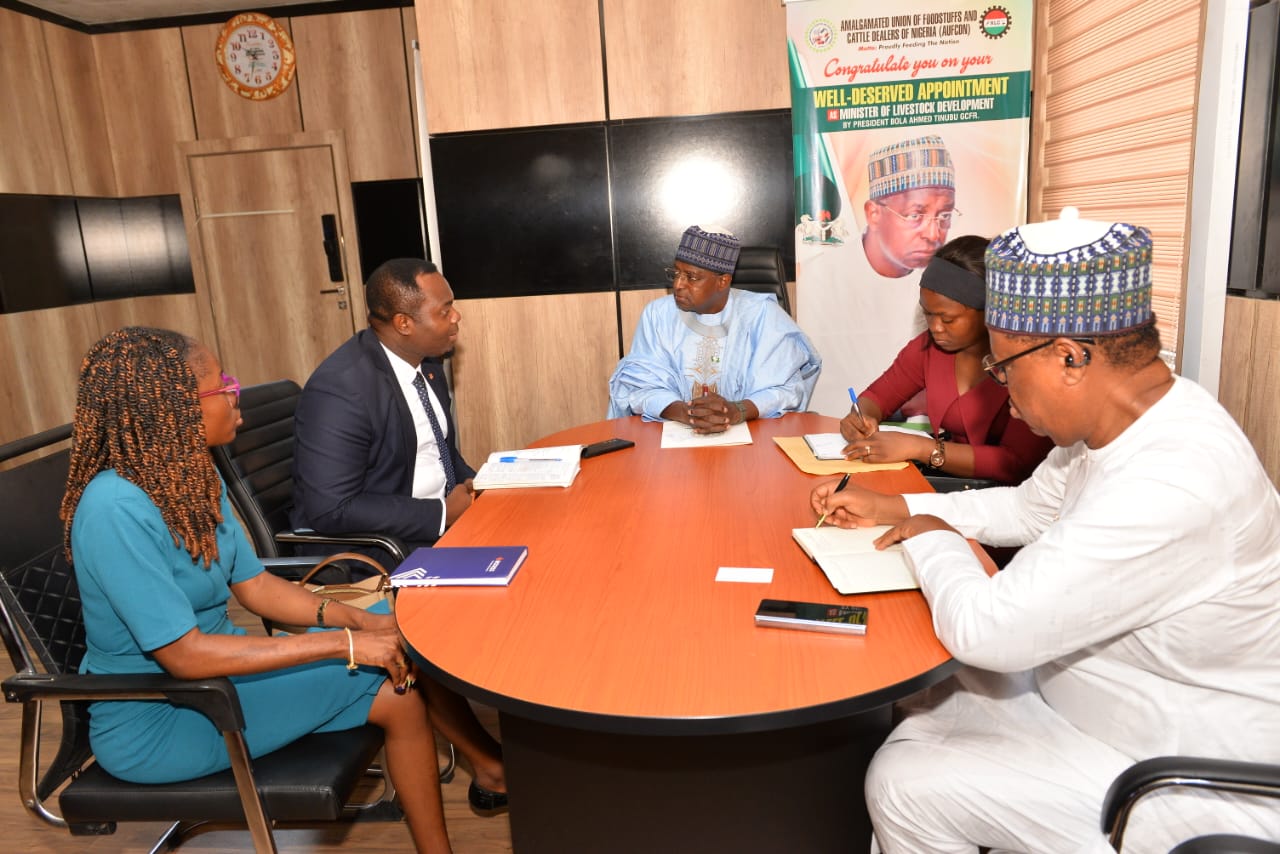
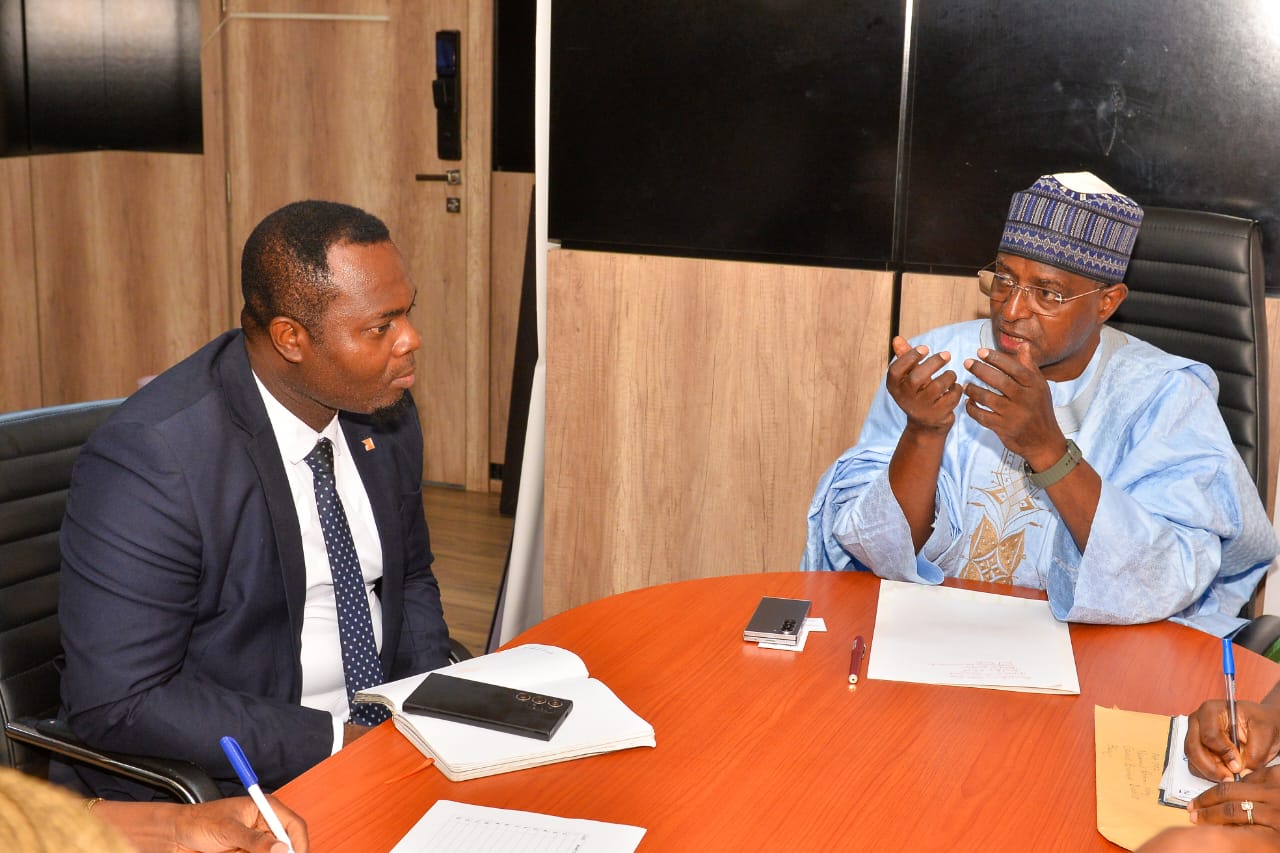
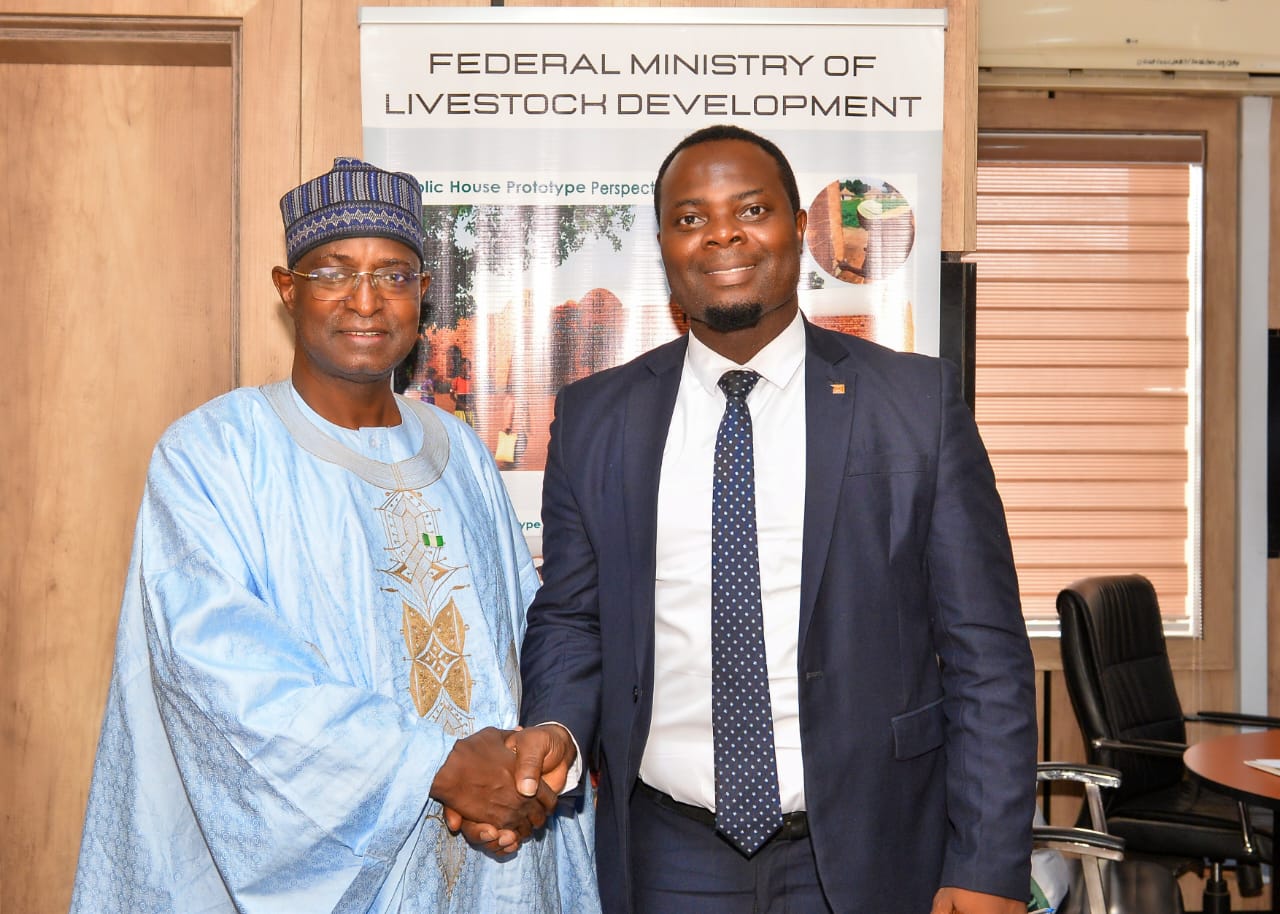
The Honourable Minister of Livestock Development, Idi Mukhtar Maiha, disclosed this during a strategic engagement with the management team of Access Bank Plc in Abuja on Thursday, June 4, 2026, where he highlighted ongoing efforts by the Ministry to transform the livestock sector into a major driver of economic growth, food security and employment generation.
According to the Minister, the proposed estate-based livestock management model will provide structured opportunities for young people and women to participate in ranch operations and other livestock-related enterprises, while contributing to the development of modern and sustainable livestock production systems.
“The programme is projected to create about 7,000 direct jobs while supporting growth across the dairy, red meat and leather value chains,” Mukhtar stated.
He explained that the initiative forms part of a broader strategy to unlock the enormous economic potential of Nigeria’s livestock industry, particularly in dairy production, meat processing, feed and fodder development, and leather manufacturing.
The Minister also underscored the need for innovative financing mechanisms tailored to the realities of livestock production, particularly dairy farming, which requires longer production cycles before yielding returns.
He noted that the dairy industry alone holds the potential to generate billions of dollars in economic value, stressing the need for stronger collaboration among government, financial institutions and private investors to expand production and modernize the sector.
As part of efforts to improve livestock infrastructure, Mukhtar revealed that the Ministry is pursuing the establishment of modern abattoirs across selected states and the Federal Capital Territory.
The facilities, each with the capacity to process at least 1,000 cattle daily, are expected to improve meat quality and safety standards, reduce waste, and strengthen the livestock value chain.
The Minister also stressed the importance of feed and fodder development, describing animal nutrition as a critical determinant of livestock productivity. To address this challenge, the Ministry is working to expand pasture cultivation nationwide and establish feed resources closer to production centres in order to reduce transportation costs and improve efficiency.
Earlier, the Public Relations Manager, Access Bank, Jonathan Oloniyo, expressed readiness to collaborate with the Ministry in advancing initiatives that will unlock the vast potential of Nigeria’s livestock industry.
Henrietta Okokon,
Deputy Director, Information and Public Relations.
5th June. 2026