

Justice Sector Leaders made up of representatives and stakeholders from the justice sector, government agencies, civil society, and development partners, have unanimously called for strengthened gender-responsive justice systems in Nigeria.
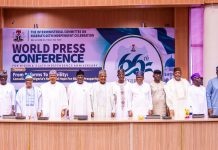
The call was made at a high-level policy dialogue in commemoration of the International Women’s Day 2026 recently convened by the Federal Ministry of Justice, in collaboration with the United Nations Gender Theme Group (GTG). The event, themed “Equal Justice for Women and Girls in Nigeria: Strengthening Inclusive Gender-Responsive Justice Systems,” which was held at the Olusegun Obasanjo Auditorium in the Ministry’s Headquarters Abuja, brought together justice sector stakeholders and representatives.
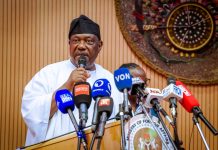
In her keynote address, Hon. Justice Angela O. Otaluka, who represented the Chief Judge of the High Court of the Federal Capital Territory (FCT) Hon. Justice Husseini Baba-Yusuf, emphasized the need for a deliberate and inclusive approach to justice, highlighting the barriers women and girls face in accessing justice. According to her, “The theme, Equal Justice for Women and Girls in Nigeria: Strengthening Inclusive Gender-Responsive Justice Systems,’ is not merely aspirational; it is a constitutional, moral, and developmental imperative.”
Justice Otaluka noted that despite progress in law reform and institutional development, women and girls in Nigeria continue to face significant barriers in accessing justice, including entrenched cultural and societal norms, economic dependency, delays and inefficiencies within the justice system.
She called for capacity building for judges, prosecutors, and law enforcement on gender sensitivity, establishment of specialized courts or units for SGBV cases, integration of technology to reduce delays and enhance transparency, and strengthening legal aid systems to support indigent women and girls.
In her welcome address, Yewande Gbola-Awopetu, Head of the Sexual and Gender-Based Violence Response (SGBV) Unit, Federal Ministry of Justice, stressed the importance of collective responsibility in building a justice system that protects and responds to the needs of women and girls.
“Today’s theme speaks to one of the most critical responsibilities of any democratic society; the duty to ensure that justice is not selective, not inaccessible, and not influenced by gender, vulnerability, or social status.” She opined.
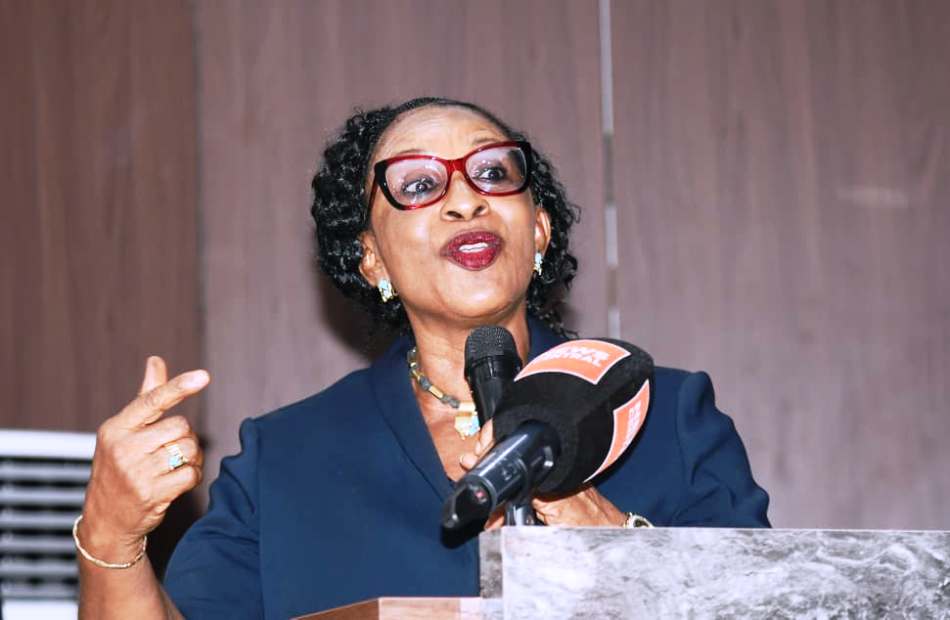
The co-chair of the Gender Theme Group (GTG) Ms. Beatrice Eyong who represented the United Nations Resident Coordinator in Nigeria, Mohamed Malick Fall, in her opening remark, advocated for the speedy passage of the revised Violence Against Persons (Prohibition) Bill, emphasizing its critical role in protecting women and girls from violence.
“Nigeria has made commendable strides in establishing legal frameworks to protect women and girls, but the real test lies in making these laws accessible, responsive, and centered on the dignity of survivors,” he highlighted.
Beatrice Eyong equally praised Nigeria’s progress in establishing legal frameworks, but emphasized the need for effective implementation and accountability. She asserted that “We have frameworks, we have laws, we have policies. What we now need is commitment, not the kind that lives in communiqués and conference reports, but the kind that translates into budget lines, institutional protocols, and time-bound action.”
In her own remark, the representative of the United Nations Population Fund (UNFPA) in Nigeria and the co-chair of the Gender Theme Group (GTG) Ms. Muriel Mafico, acknowledged the significance of International Women’s Day 2026 and the urgent need for justice and support for women and girls who were silenced by fear, stigma, and lack of access to justice. She stated that despite existing legal frameworks, the system remains inaccessible to many survivors, and that it was time to move from commitment to concrete action.
She equally advocated for the “passage of the revised Violence Against Persons (Prohibition) Bill, highlighting its comprehensive provisions for protecting women and girls from violence, empowering survivors, and holding perpetrators accountable.” She stated further that implementation of the Violence Against Persons (Prohibition) Bill across all states of the federation was crucial to realizing its impact and ensuring justice for survivors.
The dialogue which featured representations from civil society organizations, the judiciary, law enforcement agencies, and the Diplomatic Corp, highlighted the challenges and opportunities in strengthening gender-responsive justice systems.
Some of the key recommendations from the dialogue included scaling legal aid services to women in underserved communities; institutionalizing gender-sensitivity training for the judiciary, law enforcement, and prosecution services; strengthening inter-agency referral mechanisms; establishing specialized courts or units for SGBV cases and; integrating technology to reduce delays and enhance transparency.
The Federal Ministry of Justice and the United Nations Gender Theme Group used the occasion to reaffirm their commitments to supporting Nigeria’s justice sector in promoting gender equality and protecting the rights of women and girls.
The event concluded with goodwill messages from the embassies of the Philippines, Kingdom of Morocco and the Democratic Republic of the Congo, with a call to action, urging stakeholders to commit to concrete steps towards strengthening gender-responsive justice systems.
Aderemi Ajibola Adelabu – CI&RPO
For: Head (Information & Public Relations)
26th March, 2026