

The Federal Government has received 134 submissions from stakeholders across Nigeria as it begins work on the next phase of the country’s fiscal and tax reforms.
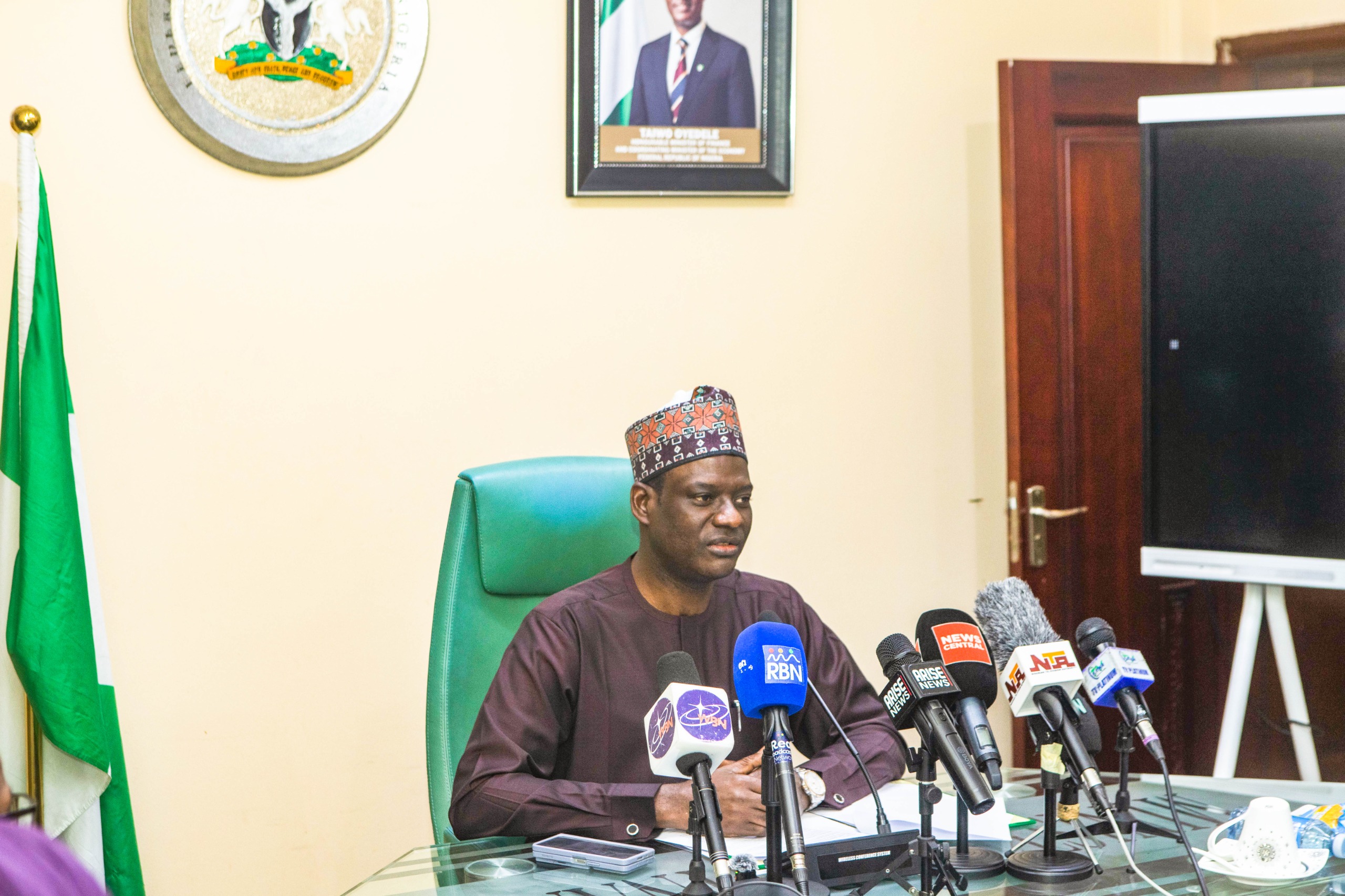
The Minister of Finance and Coordinating Minister of the Economy, Taiwo Oyedele, disclosed this on Thursday in Abuja while inaugurating the Technical Subcommittee on Fiscal Policy and Tax Reforms, established under the Presidential Fiscal Policy and Tax Reforms Committee (PFPTRC).
The submissions, received from stakeholders across the six geopolitical zones through a public Call for Inputs, will contribute to the preparation of the Finance Bill 2027, revised Withholding Tax Regulations 2027 and an amended Significant Economic Presence (SEP) Order 2027.
Oyedele explained that the exercise marks a new phase in the Federal Government’s reform agenda, shifting from the fundamental restructuring of Nigeria’s tax system to improving its implementation based on lessons learned and changing economic realities.
“When President Bola Ahmed Tinubu established the Presidential Fiscal Policy and Tax Reforms Committee in July 2023, our task was urgent and fundamental,” the Minister said.
He noted that the first phase of the reform process culminated in the enactment of four major pieces of legislation: the Nigeria Tax Act 2025, Nigeria Tax Administration Act 2025, Nigeria Revenue Service (Establishment) Act 2025 and Joint Revenue Board (Establishment) Act 2025, all of which took effect on January 1, 2026.
According to the Minister, however, the enactment of legislation does not mark the end of the reform process.
“Good reform is a process, not an event,” Oyedele said, stressing that implementation would inevitably reveal areas requiring clarification, refinement or further intervention.
He emphasised that the Finance Bill 2027 should not be treated as a routine annual legislative exercise.
“Our task is not to rewrite the 2025 reforms, but to preserve their fundamental principles while learning from implementation and responding to new economic realities,” he said.
Oyedele said the Call for Inputs was deliberately broadened beyond taxation to cover wider issues relating to fiscal policy and management, public financial management, debt, transparency, capital markets and cross-border capital flows.
He explained that the broad scope reflected the interconnected nature of Nigeria’s fiscal system, which extends beyond revenue generation to include how government spends and borrows, manages public assets, coordinates institutions and promotes inclusive economic growth.
Among the key issues raised by stakeholders are proposals to simplify and clarify provisions of the new tax laws, particularly those relating to VAT thresholds, withholding tax and capital gains.
Stakeholders also called for stronger measures to tackle multiple taxation, improved coordination among revenue authorities, greater digitalisation and enhanced data sharing.
According to the Minister, better coordination and information sharing among government agencies would help reduce the burden on taxpayers who are repeatedly required to submit information that may already be available within the government system.
Other submissions focused on strengthening taxpayer rights, accelerating tax refunds and introducing safeguards for small businesses.
Stakeholders also proposed measures aimed at improving Nigeria’s investment climate and competitiveness in key sectors, including mining, renewable energy, healthcare and capital markets.
The Minister charged members of the Technical Subcommittee to subject all submissions to objective and rigorous assessment, irrespective of the identity or institutional affiliation of the contributors.
“The Subcommittee’s formal mandate is to produce stakeholder-informed drafts of the Finance Bill 2027, revised Withholding Tax Regulations and amended SEP Order for consideration by the PFPTRC and the Honourable Minister.
“Its work plan provides for an initial review of submissions and identification of key issues, followed by preparation of the working drafts and legal review before submission to the PFPTRC and the Minister for approval or sign-off.”
Oyedele said the process would ensure that the next phase of the reforms is informed by practical experience, stakeholder input and the evolving needs of the Nigerian economy.
Efe Ovuakporie
Head information and PR Unit
18th Sept 2026