

The Federal Government of Nigeria and the Government of Switzerland have reaffirmed their commitment to strengthening bilateral cooperation in promoting gender equality, women’s economic empowerment, political participation, family development and the elimination of gender-based violence, with both countries pledging to translate shared aspirations into practical actions that will improve the lives of women, children and vulnerable groups.
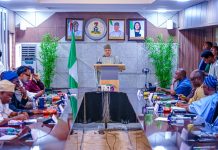
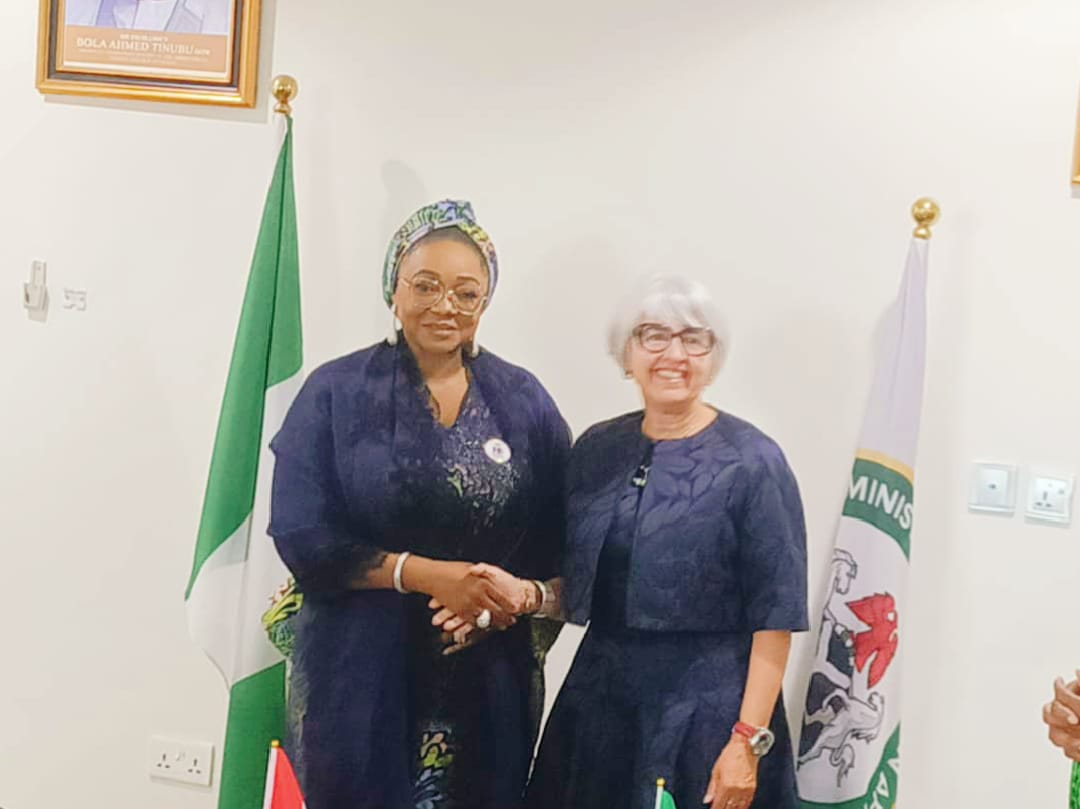
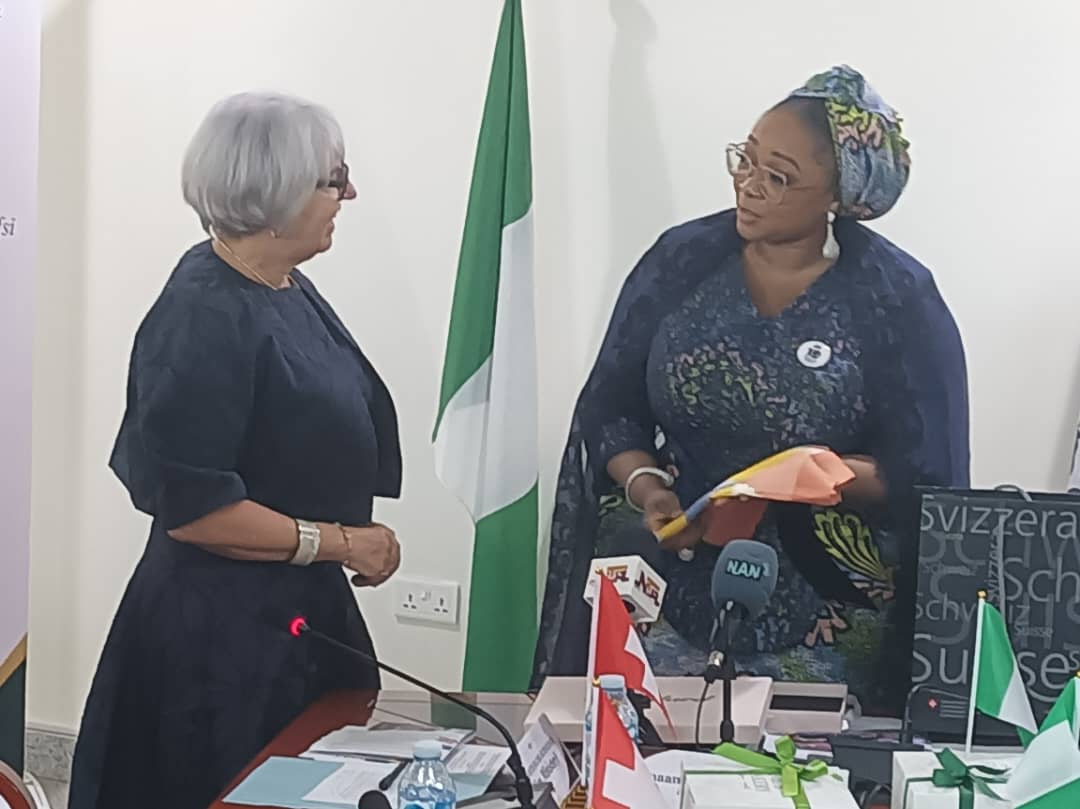
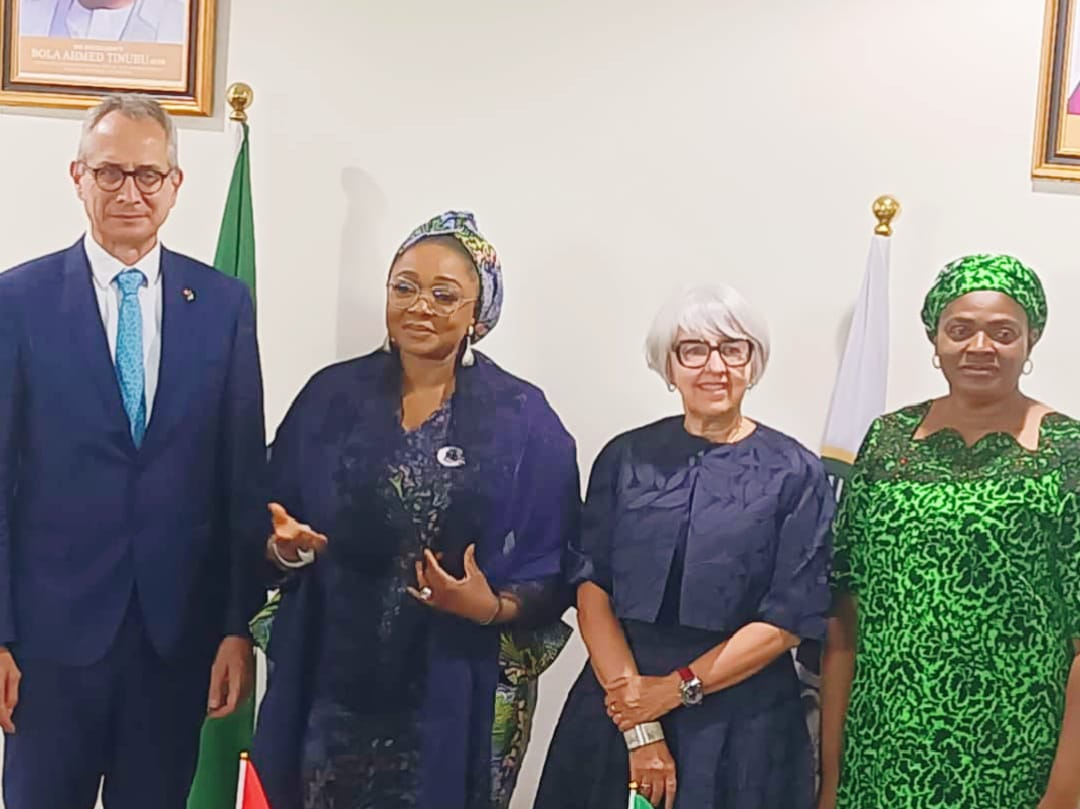
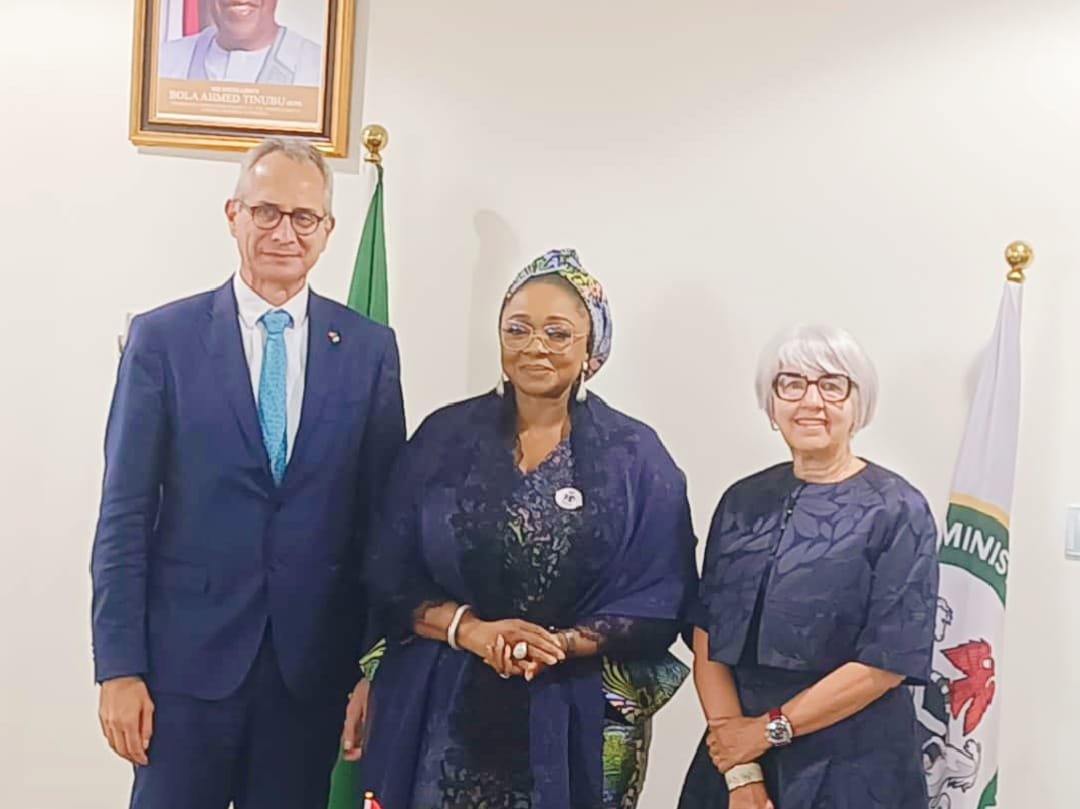
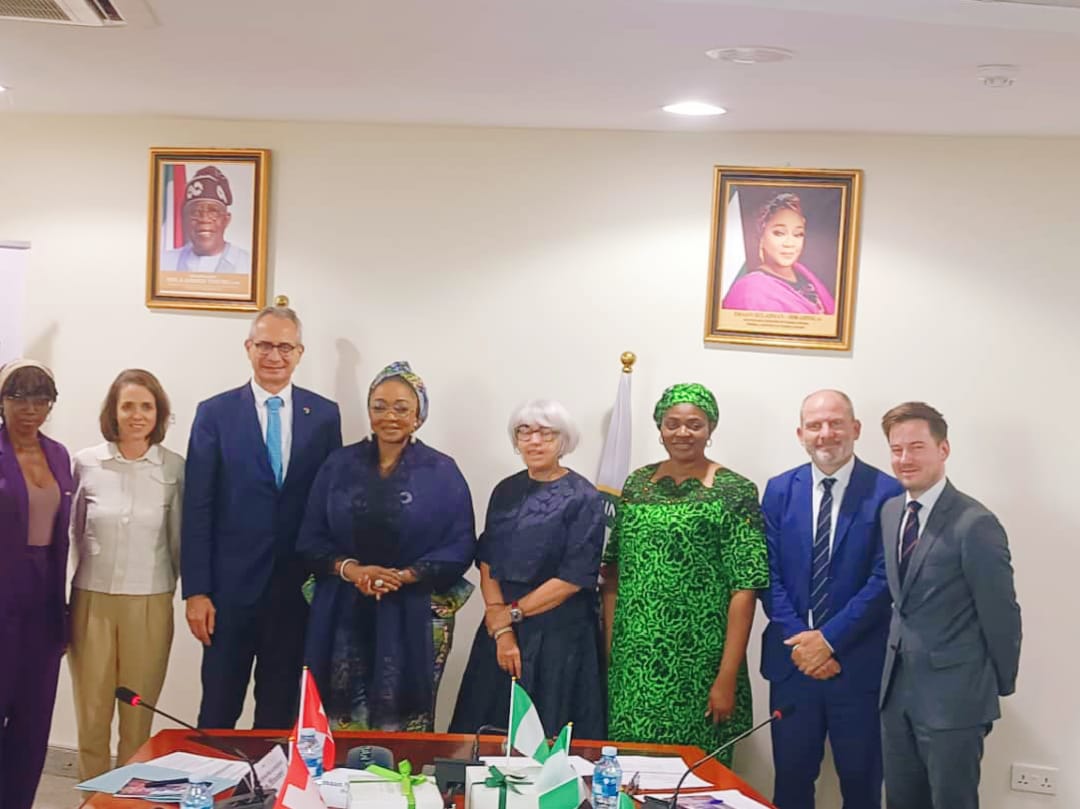
The commitment was made during a high-level interactive session between the Federal Ministry of Women Affairs and Social Development and a Swiss delegation led by the Federal Councillor and Head of the Federal Department of Home Affairs of Switzerland, Her Excellency Elisabeth Baume-Schneider, at the Ministry’s headquarters in Abuja.
Delivering the keynote address, the Honourable Minister of Women Affairs and Social Development, Hon. Imaan Sulaiman-Ibrahim, fsi, described the meeting as a reflection of the strong alignment between Nigeria and Switzerland in advancing inclusive development through strategic partnerships that empower women and strengthen families.
She said President Bola Ahmed Tinubu’s Renewed Hope Agenda has fundamentally repositioned the protection of women and girls by elevating gender-based violence from a social issue to a national security and economic development priority.
“President Tinubu has introduced a renewed focus on prioritising women’s protection. He has elevated gender-based violence from being viewed as a social issue to being recognised as a critical matter of national security and economic stability.
Our national agenda is not only about addressing violence against women and girls, but also about preventing it through the active participation of both women and men.”
The Minister disclosed that the Federal Government has expanded survivor support centres across the country from about 20 to nearly 50 while adopting a survivor-centred approach that provides legal assistance, psychosocial care and community-based support for survivors.
She announced that the Ministry was reviewing the Violence Against Persons (Prohibition) Act, 2015, and the Child Rights Act while preparing to launch more than 40 validated legal instruments, guidelines and safeguarding frameworks aimed at strengthening the protection architecture for women, children and vulnerable persons nationwide.
Hon. Sulaiman-Ibrahim further explained that the Ministry’s newly developed Nine-Pillar Social Impact Framework is designed to take social protection beyond policy by integrating childcare services, legal aid, social safety nets and community-based interventions across all 774 Local Government Areas of the Federation.
“When programmes are designed for over 120 million Nigerian women, scaling is no longer an option—it becomes a necessity. Every intervention must reach the grassroots if it is to deliver meaningful impact.”
Highlighting women’s economic empowerment as a key driver of national development, the Minister said the Ministry is implementing policies that position women to benefit from emerging opportunities in agriculture, the digital economy, blue economy, green economy, creative economy and the care economy.
She stressed that government is working to ensure women are not merely participants but owners of businesses and wealth creators within these sectors.
“Women account for about 70 per cent of participation in agriculture. Our goal is not simply for women to participate but to become economically empowered and benefit financially from their contributions.”
The Minister also highlighted the success of the Nigeria for Women Programme Scale-Up, noting that unlike the pilot phase implemented in only six states, the programme now covers every state of the federation and is targeting at least 4.5 million women, with discussions already underway with the World Bank to expand coverage to 22 million women.
According to her, women participating in the programme have collectively saved more than ?8.9 billion, strengthening household resilience, financial inclusion and access to social insurance.
Speaking on women’s political participation, Hon. Sulaiman-Ibrahim expressed concern that women currently occupy only 3.91 per cent of parliamentary seats in Nigeria.
She said the implementation of the Nigerian Women’s Charter and the Third National Action Plan on United Nations Security Council Resolution 1325 will help dismantle structural barriers to women’s leadership while placing women at the centre of peacebuilding, conflict prevention and national security.
“Inclusive development requires political inclusion. We are committed to achieving our initial target of 35 per cent representation while creating opportunities for women to lead in governance, peacebuilding and national development.”
The Minister further proposed expanded Nigeria-Switzerland cooperation in dual vocational education, financial inclusion, green economy initiatives, leadership development, security sector reforms, market access for women-owned enterprises and gender-responsive economic policies.
She also reaffirmed the Federal Government’s commitment to institutionalising a Decade of the Family, noting that stronger families would translate into improved maternal and child health, better nutrition, increased school enrolment, stronger communities and accelerated national development.
“By combining Swiss technical expertise with Nigeria’s immense human capital and regional economic strength, we can transform today’s dialogue into practical and measurable cooperation that delivers lasting progress for women, families, children and sustainable international peace.”
Earlier, the Permanent Secretary of the Federal Ministry of Women Affairs and Social Development, Mrs. Asanye Nko Esuabana, welcomed the Swiss delegation and commended the Government of Switzerland for its longstanding support to Nigeria and the international community in advancing diplomacy, development cooperation and humanitarian interventions.
She said the Ministry looks forward to deepening collaboration through knowledge exchange and the sharing of best practices that will improve the lives of women, children and vulnerable populations.
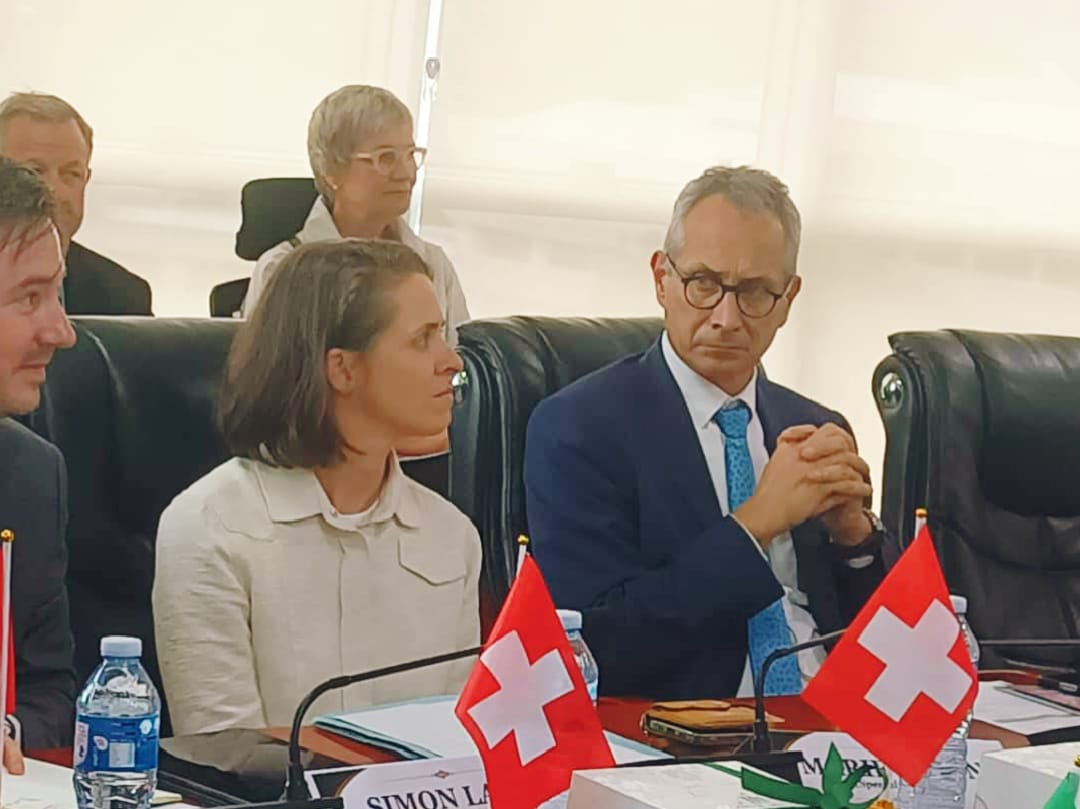
“The Ministry remains committed to learning from Switzerland while equally sharing Nigeria’s experiences as we work together to move the development agenda for women, children and vulnerable groups forward.”
In her remarks, the Federal Councillor and Head of the Federal Department of Home Affairs of Switzerland, Her Excellency Elisabeth Baume-Schneider, noted that despite differences in geography and size, both countries share a common belief that empowering women and promoting gender equality are indispensable for building resilient, prosperous and inclusive societies.
She welcomed President Tinubu’s declaration of 2026 as the Year of Families, describing it as a bold initiative that recognises the strong connection between family support and women’s economic empowerment.
The Swiss Federal Councillor also commended Nigeria’s ongoing constitutional reform efforts aimed at increasing women’s political representation and reaffirmed Switzerland’s support for civil society initiatives that encourage women to seek elective office.
On violence against women, she observed that Switzerland is equally confronting rising domestic violence and femicide, prompting the launch of a national prevention campaign built around the message, “Equality Prevents Violence.”
“Switzerland sees violence against women not only as a human rights violation but also as a structural barrier to women’s full participation in society and the economy.
Prevention remains the key to lasting progress.”
She further highlighted Switzerland’s Gender Equality Strategy 2030, which prioritises women’s economic autonomy, equal labour market participation, equal pay and reducing the burden of unpaid care work.
Ahmed Lawan Danbazau Mnipr
Head, Press and Public Relations Dept.
(FMWASD)