



FIC Report (Benue State) – Nigeria’s sesame industry has been identified as a key driver of economic growth and export diversification, with stakeholders calling for improved agricultural practices, strengthened value chains, and increased compliance with international standards.
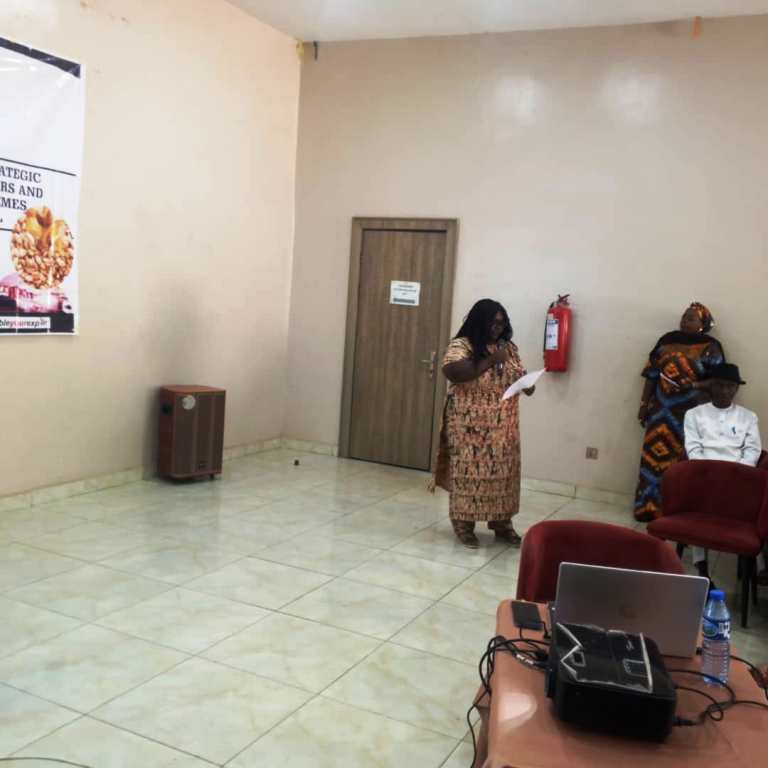
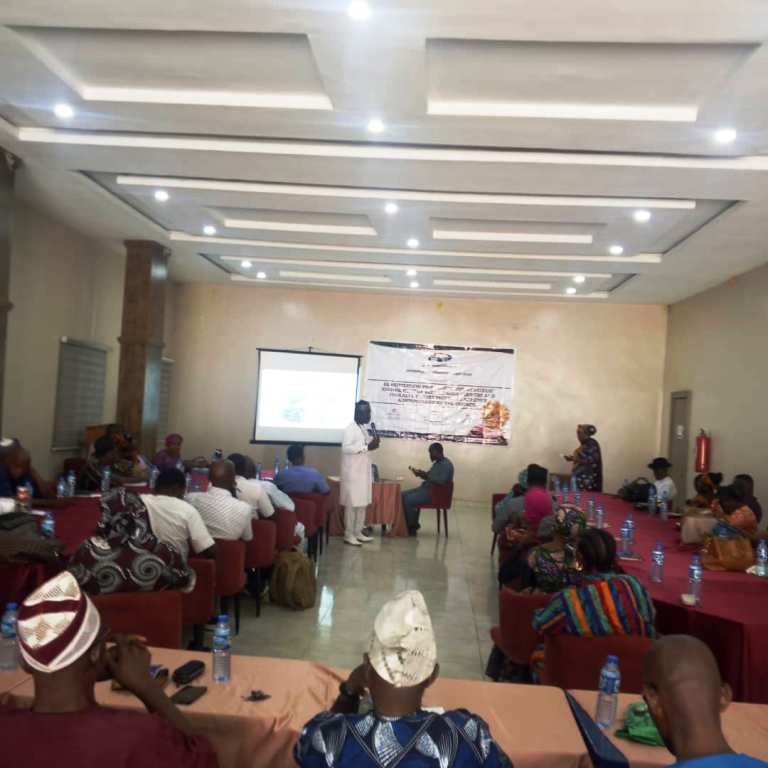
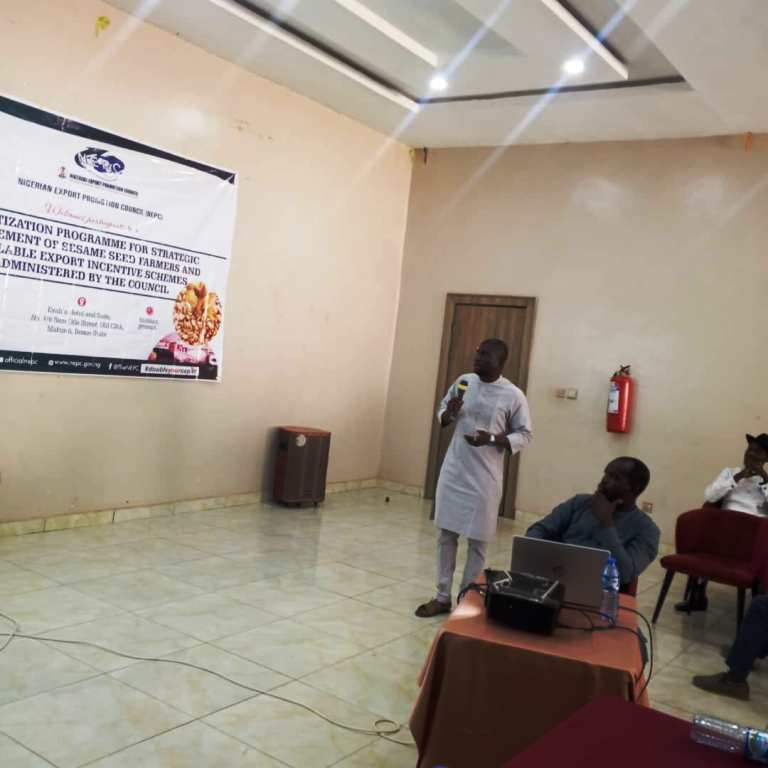
An agricultural expert, Associate Professor John Ochoche Okoh, made this known during a paper presentation on “Sesame Production, Post-Harvest Handling and Export Procedures” at a sensitization programme for sesame farmers in Makurdi, Benue State.
Professor Okoh described sesame (Sesamum indicum) as a high-value oil crop with strong global demand, noting that global production stands at approximately 3.3 million metric tonnes annually, with China and India leading production. He emphasized that Nigeria remains one of the top producers and exporters of sesame, with major production hubs in Nasarawa, Jigawa, and Benue States, alongside Yobe, Kano, Katsina, Kogi, Gombe, and Plateau.
He highlighted the economic importance of sesame, explaining that its seeds are widely used in oil production, confectioneries, and food products such as paste and flour. Locally, sesame is also utilized in soup preparation in parts of Benue State, while its by-products are used for domestic purposes including soap making and fuel.
The expert identified two major varieties produced in Nigeria — the white, food-grade sesame commonly used in the bakery industry, and the brown or mixed type predominantly cultivated in northern regions.
On improving productivity, Professor Okoh stressed the need for best agronomic practices such as the use of well-drained sandy-loam soils, improved seed varieties, proper fertilizer application, effective weed control, and crop protection measures. He noted that sesame matures within 90 to 110 days after planting, with harvesting recommended when about 75 percent of the seed capsules turn brown.
He further emphasized that proper post-harvest handling, including drying seeds to about 10 percent moisture content, is essential to prevent contamination and maintain export quality. He outlined key export procedures, including market identification, buyer negotiation, quality certification, and proper documentation such as certificates of origin and bills of lading.
Professor Okoh urged stakeholders to adopt improved farming techniques, strengthen the sesame value chain, and ensure compliance with international export standards to fully harness the crop’s potential.
In her remarks, the State Coordinator of the Nigerian Export Promotion Council (NEPC), Mrs. Anne Adulugba, reaffirmed the Council’s commitment to supporting sesame farmers and enhancing export development in Benue State. She stated that the sensitization programme focused on post-harvest handling practices and the various incentives available to farmers.
Mrs. Adulugba described sesame as one of Nigeria’s most valuable export commodities and noted that Benue State has significant potential to improve productivity and competitiveness in the global market. She explained that the initiative was designed to equip farmers with the knowledge and skills required to reduce post-harvest losses, maintain quality standards, and meet international market requirements.
She emphasized the importance of proper drying, cleaning, storage, and packaging, noting that these practices significantly increase product value and farmers’ income.
The NEPC Coordinator also stressed the need for farmers to form clusters and cooperatives, describing such structures as essential for accessing training, extension services, and institutional support. She added that cooperative systems enhance bargaining power, ensure consistency in quality and supply, and reduce production costs through shared resources.
In a separate presentation, Amejuma A. Wilkie highlighted export incentives and financing opportunities available to farmers and exporters. He reiterated the Council’s vision of positioning the global market as an accessible platform for Nigerian non-oil products, noting that increased export activities contribute to foreign exchange earnings, revenue generation, GDP growth, and overall economic development.
Also speaking, Ernest Adoji of the All Farmers Association of Nigeria (AFAN) commended the NEPC for organizing the programme and encouraged farmers to move beyond production into processing, in order to maximize value addition and increase income.
The programme, held on Friday match 17, 2026 at Eyah’s Hotel and Suites in Makurdi, brought together sesame farmers and stakeholders, with participants urged to actively engage and apply the knowledge gained.
Bridget Udoo Tarker
For Head of Centre
Federal Information Centre, Makurdi